- Winter 2026
- |
- Todd Goldstein on leadership, mentoring and connection




Todd Goldstein on leadership, mentoring and connection
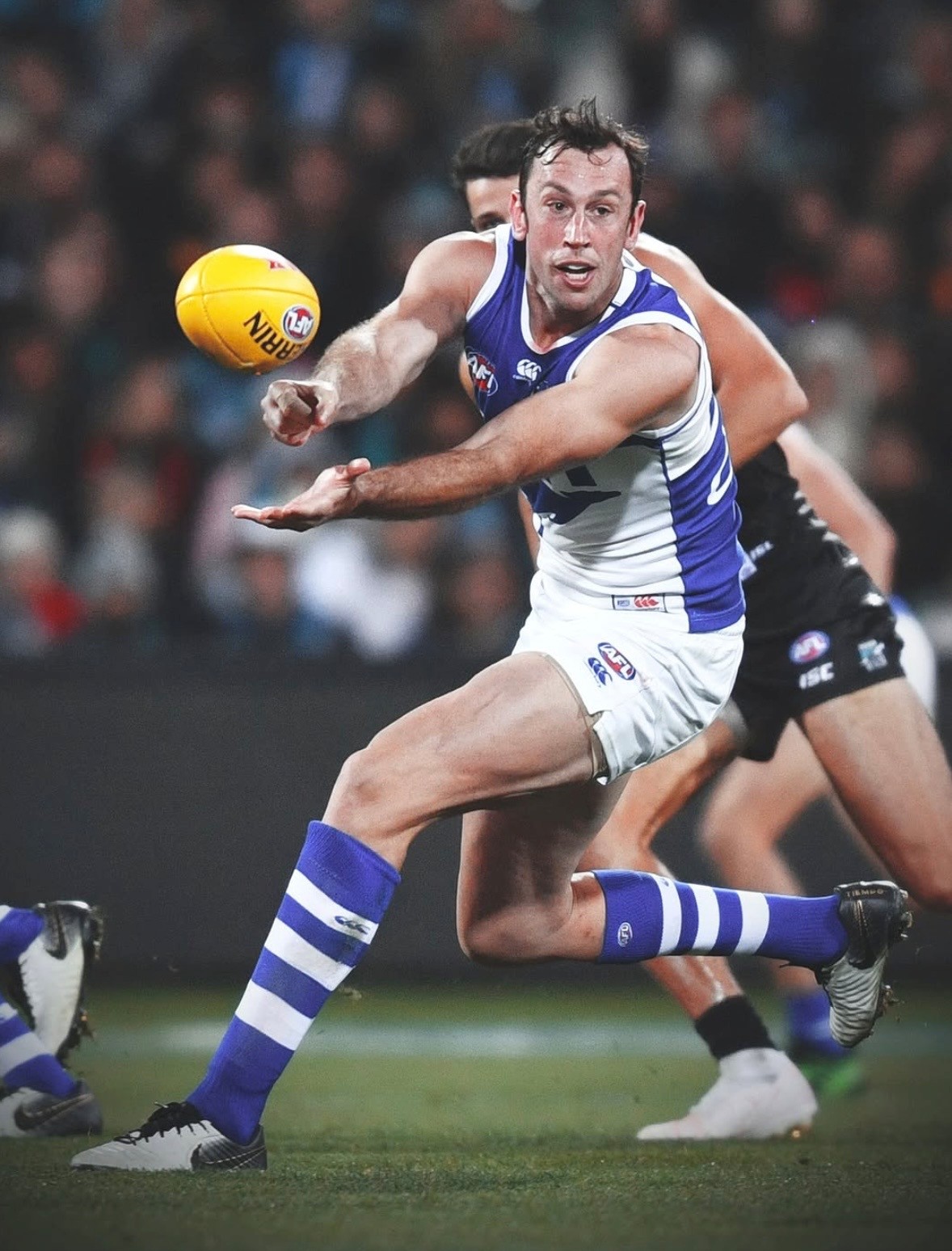
For Todd Goldstein (OTG 2006), some of the most meaningful moments in football no longer come on game day. Instead, they come through helping younger players grow in confidence, develop their craft and navigate the demands of elite sport.
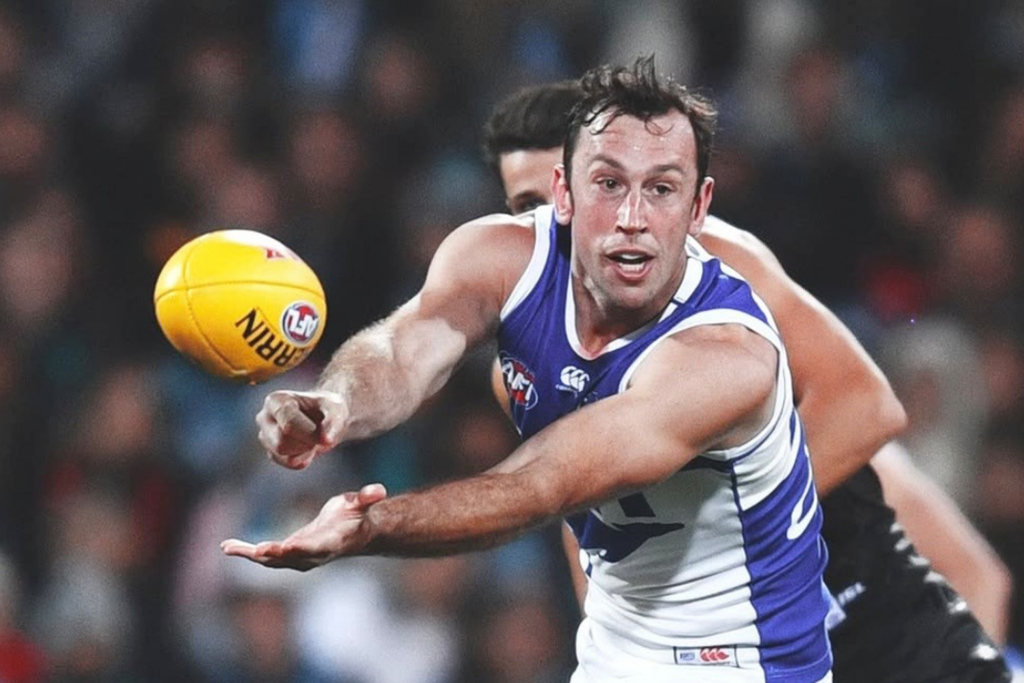
Widely regarded as one of the AFL’s most accomplished ruckmen, Todd played 345 AFL games across celebrated careers with North Melbourne and Essendon. An all-Australian and Syd Barker Medallist, he retired as the VFL/AFL’s all-time hit-outs leader. Today, he is focused on helping shape the next generation as a coach and mentor at Essendon Football Club.
We caught up with Todd to speak about leadership, mentoring and why understanding the individual is at the heart of helping players succeed.
You’ve transitioned from elite player to coach and mentor. What have you found most rewarding about helping younger players develop?
The coaching and mentoring side of things is something that has come quite naturally to me. It is an area that I have really enjoyed over the last 10–12 years. As I established myself as an AFL player, it allowed me to work closely with the younger ruckmen coming through and help teach them the skills I had learnt throughout my own journey.
The most rewarding part is seeing the development in the small areas of their game that we are working on. To see the ideas from conversations and training drills come to life during games, and to watch their confidence grow, is a really nice feeling as a coach.
What does good mentoring look like in a high-performance environment like the AFL?
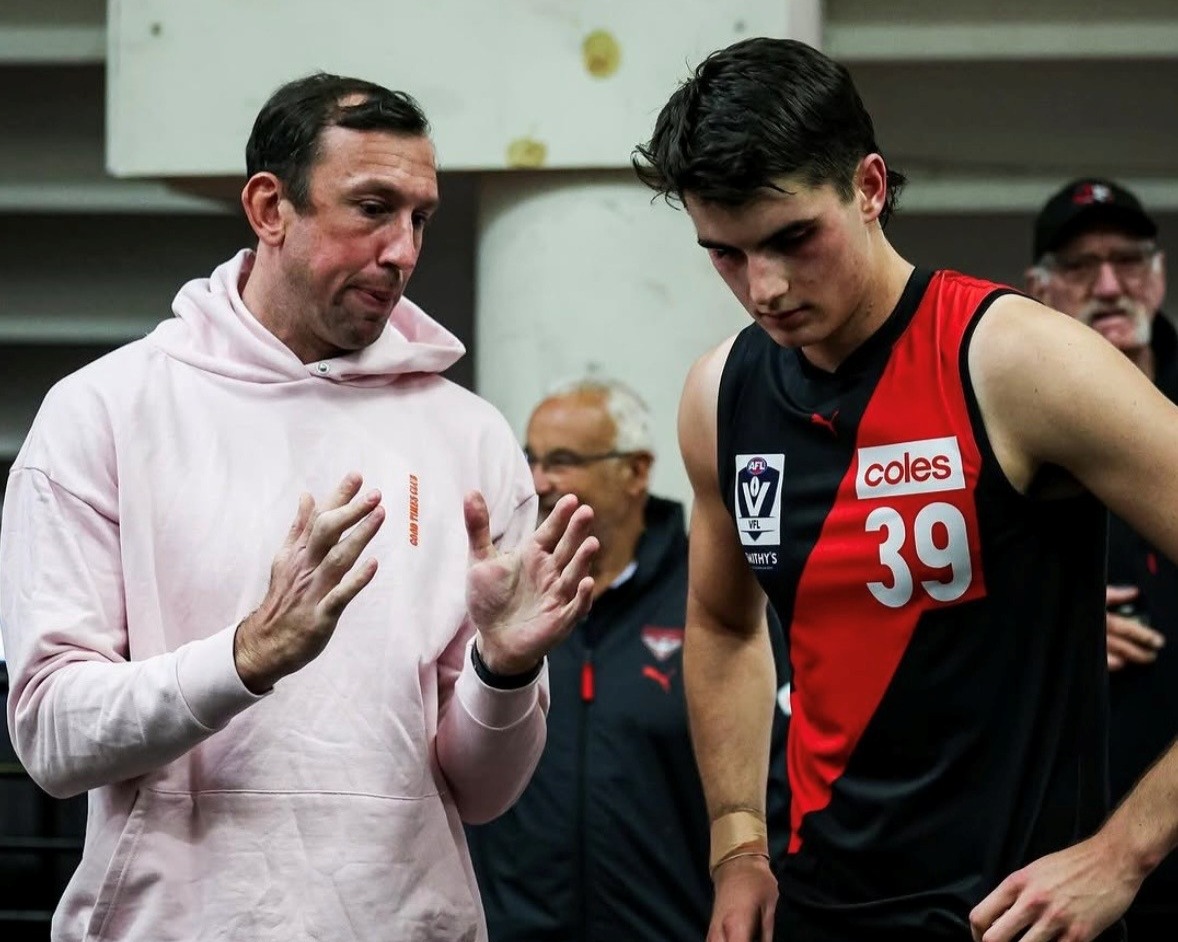
Mentoring in a high-performance environment comes in many different forms, and every player I work with requires a unique approach. As you spend time with individuals, you get an understanding of what they need, how they best respond to information and the right way for that information to be delivered. It becomes a combination of group meetings, individual conversations and practical work during and after training, all tailored to helping each individual learn and grow in the way that suits them best.

Good mentoring, to me, is about listening to the player you are working with and understanding them as a person. Showing genuine care for the individual allows you to bring out the best in that player.

Looking back, were there mentors or coaches in your own life who shaped you? What learnings did you take from them?
I have been really lucky throughout my career to have many different players and coaches who shaped who I am, both as a player and as a person, as well as influencing how I approach coaching today. There are probably too many to name properly, but when I was beginning my career, I was still learning a lot about who I was on and off the field. I was fortunate to have senior players such as Drew Petrie, Adam Simpson and Leigh Brown, just to name a few, who helped me grow as a person, how I treated those around me and how I thought about the game of football.
In terms of coaches, I learnt a lot from the likes of Darren Crocker, Brad Scott and Alex Ishchenko, but I have always tried to take different elements from every coach I have encountered to help guide my own development.
Most of the learnings were around how to treat people and how to understand the person you are working with. The “cookie-cutter” approach is something I have seen coaches try to use and, for me, it is something I want to avoid. Every player is drafted for a reason, and I do not want to change the type of player they are. Instead, I want to enhance the strengths they already have.
The other major takeaway was the deeper connection that is required to genuinely care for players. If a player feels like you are in it for yourself, you will not get the best out of them. That meaningful connection is really important.
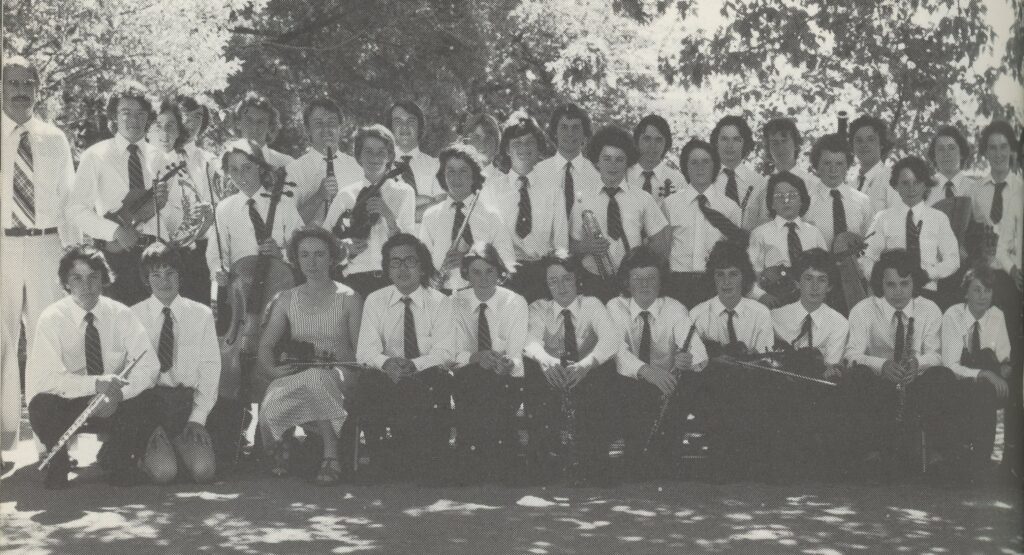
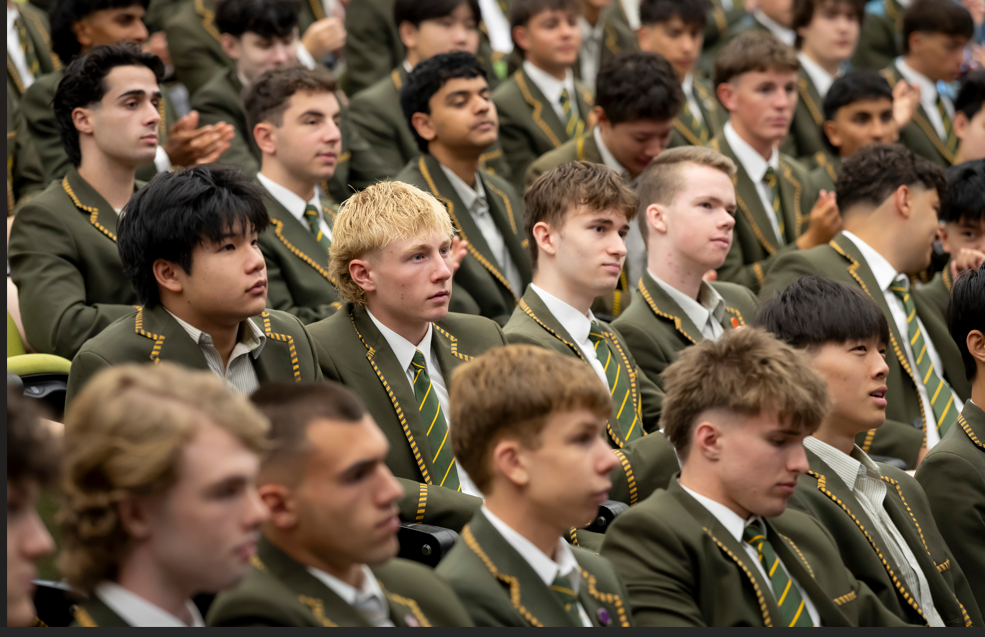
Did your time at Trinity Grammar School influence your approach to leadership and mentoring?
My time at Trinity taught me so much and gave me a lot of confidence that the skills I learnt at school would hold me in good stead for all aspects of life.
The idea that you need to develop every aspect of a person, and that it is not just about the final mark or the success but how you grow throughout the journey, is something that has stayed with me.
I think I have carried that into how I interact with players and how I try to help them. The focus is on the journey, and the rest will take care of itself if you approach things the right way.
What kind of impact do you hope to have on the next generation of players?
I hope I can show them that there is more to life than just football. Yes, they are good at what they do, but it does not define them. Hopefully, through the work we do together, they grow in confidence not only as players, but as people, and feel inspired to pass those lessons and experiences on to the next generation