- Winter 2026
- |
- Leadership and mentoring in the great outdoors





Leadership and mentoring in the great outdoors
Bill Cleary, Director of Outdoor Education
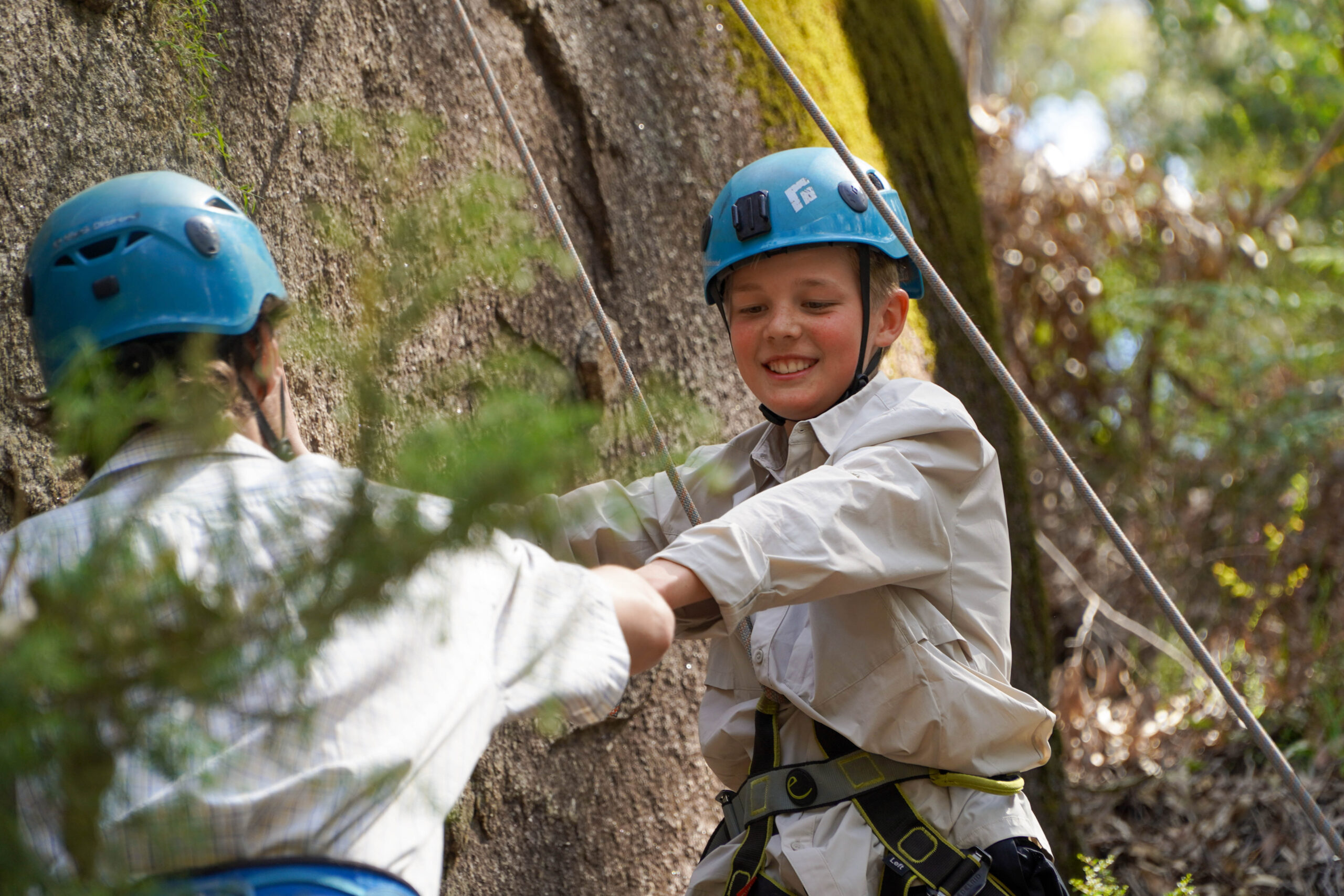
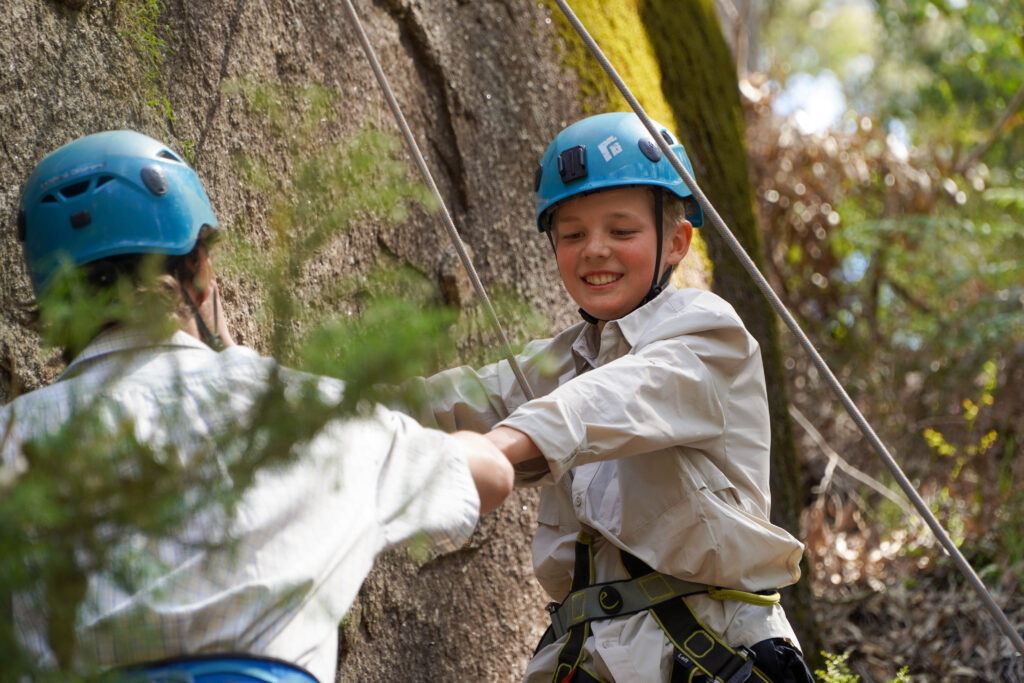
Using the natural world as a classroom for personal development, the Trinity Outdoor Education program provides students with experiences that challenge, inspire and connect them beyond the classroom. The program is distinguished by its strong emphasis on leadership, peer mentoring, and cross-generational relationships; key principles aligned with best practice in Outdoor Education across Victoria.
Trinity provides numerous opportunities for students to develop leadership and mentoring skills through classroom learning, sport, music, drama, and co-curricular activities. However, it is the Outdoor Education program that offers one of the most authentic and powerful environments for these skills to be applied in meaningful, real-world settings.
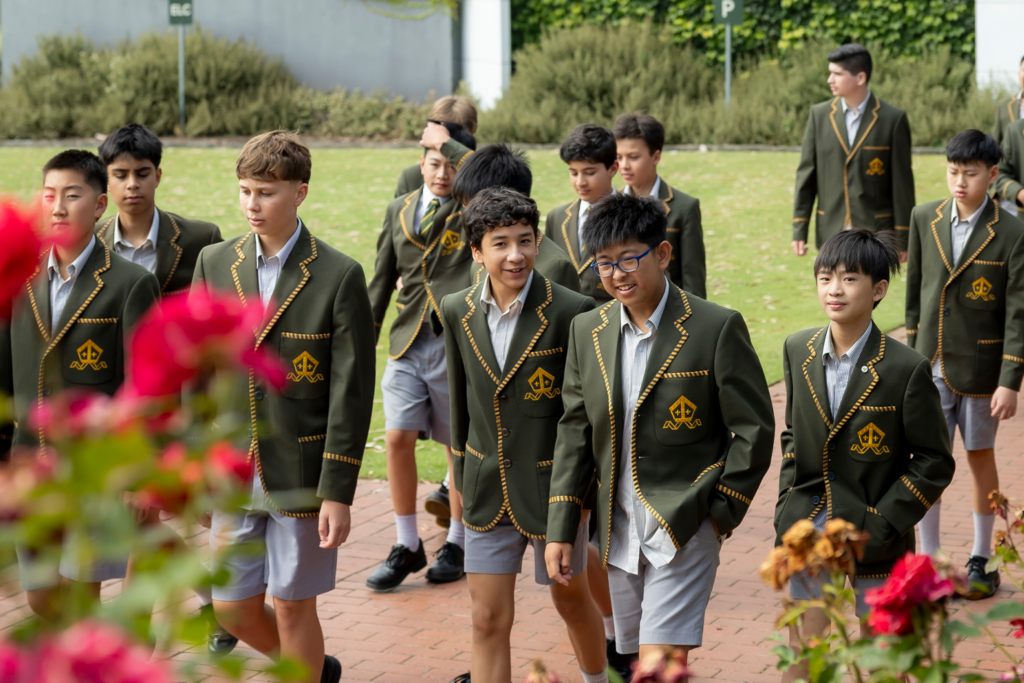
A defining feature of the program is its structured peer mentoring model. Senior students are given the opportunity to lead and support younger students on outdoor expeditions, guiding them through specialised tasks, challenges, and shared experiences. This responsibility not only strengthens the leadership capacity of older students but also creates powerful bonds between year levels and fosters a culture of respect, aspiration, and connection across the school community.

The Outdoor Education program has genuinely been one of the most valuable parts of my time at Trinity.
Leading younger students on expeditions forced me to confront parts of myself I'd never really examined. I noticed my flaws more clearly when I had to model behaviour for someone else. Whether it was how I communicated under pressure, how I reacted when things didn't go to plan, or how I handled frustration. It was all right there on display, and that made it impossible to ignore. That kind of self-awareness is hard to develop anywhere else.
Nathan Lai, Year 11, Outdoor Education Leader

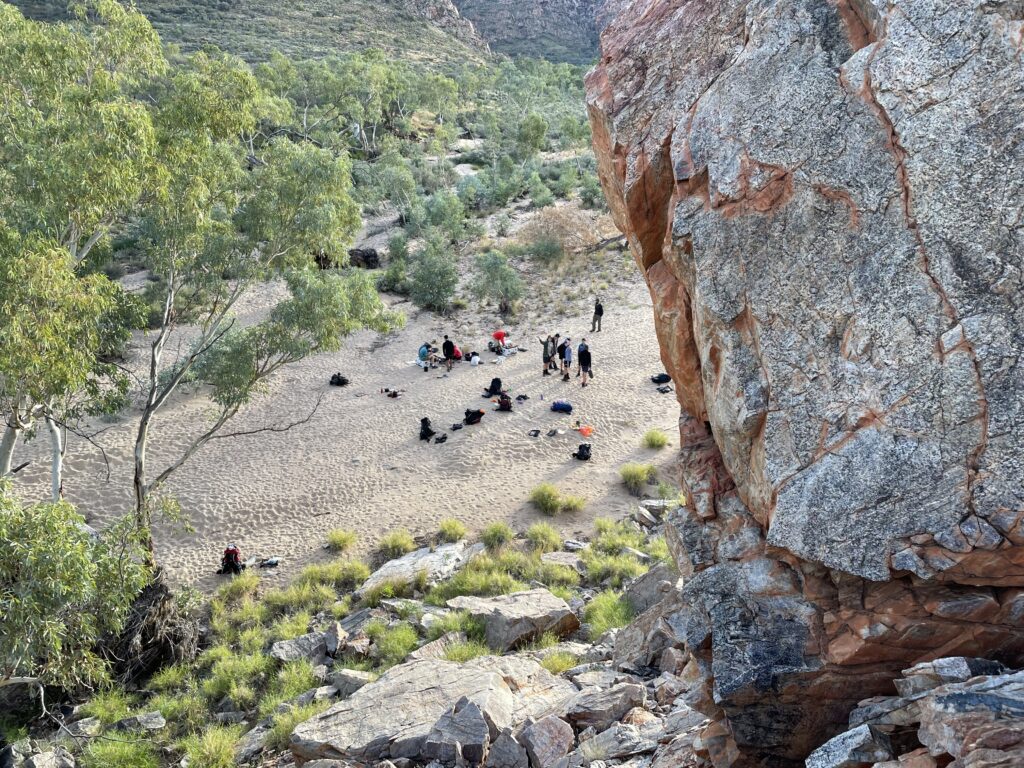
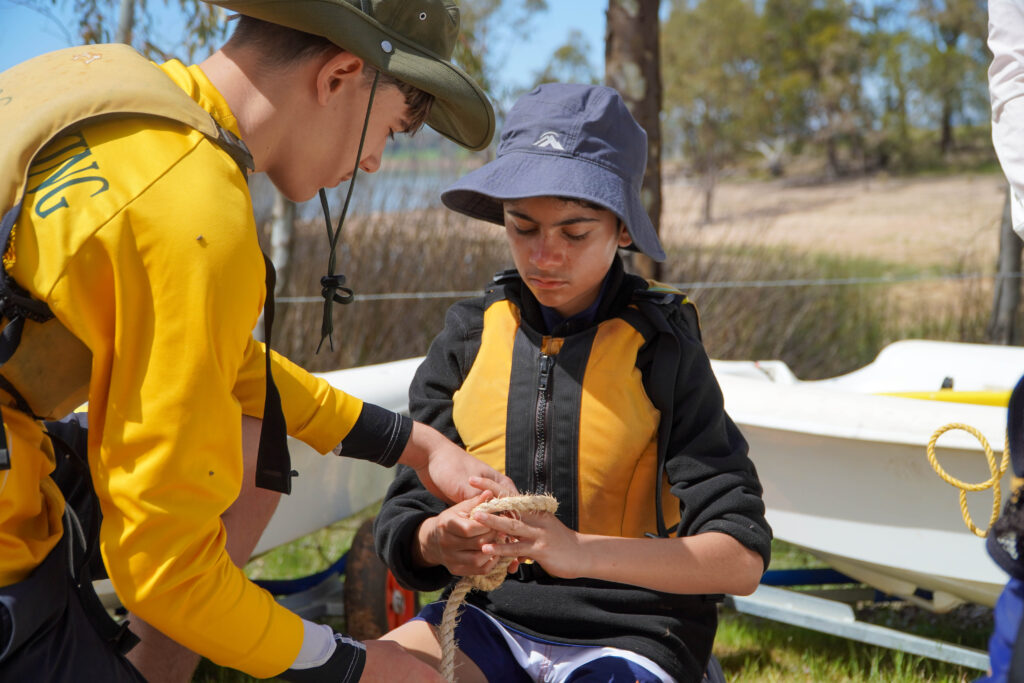
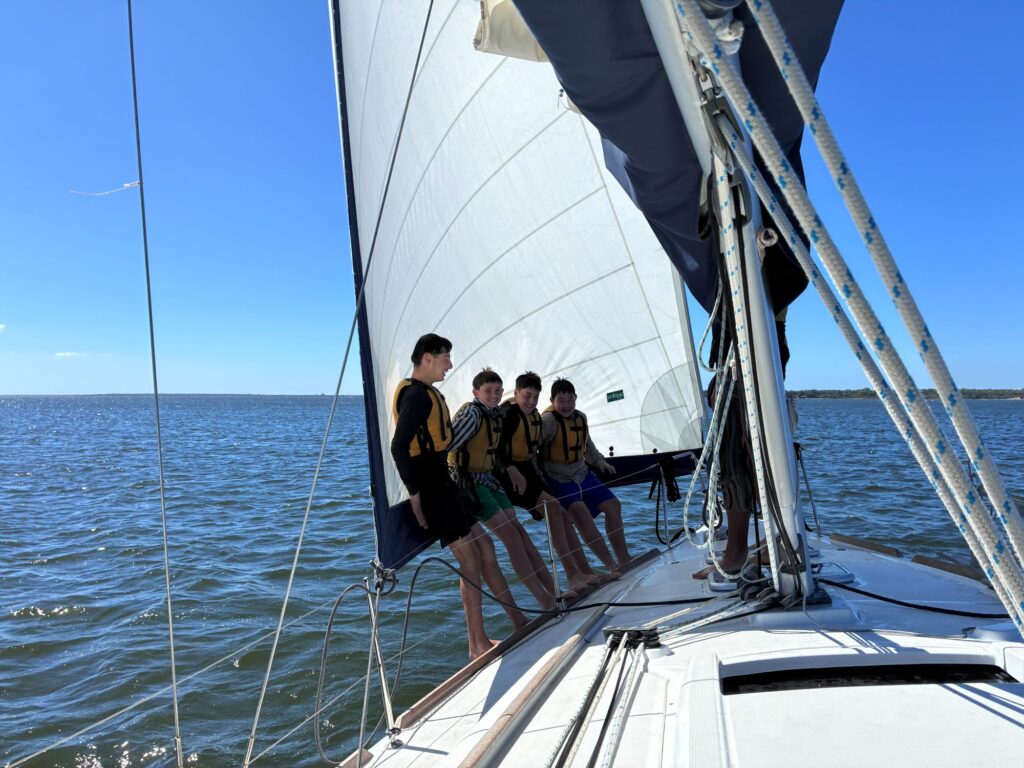
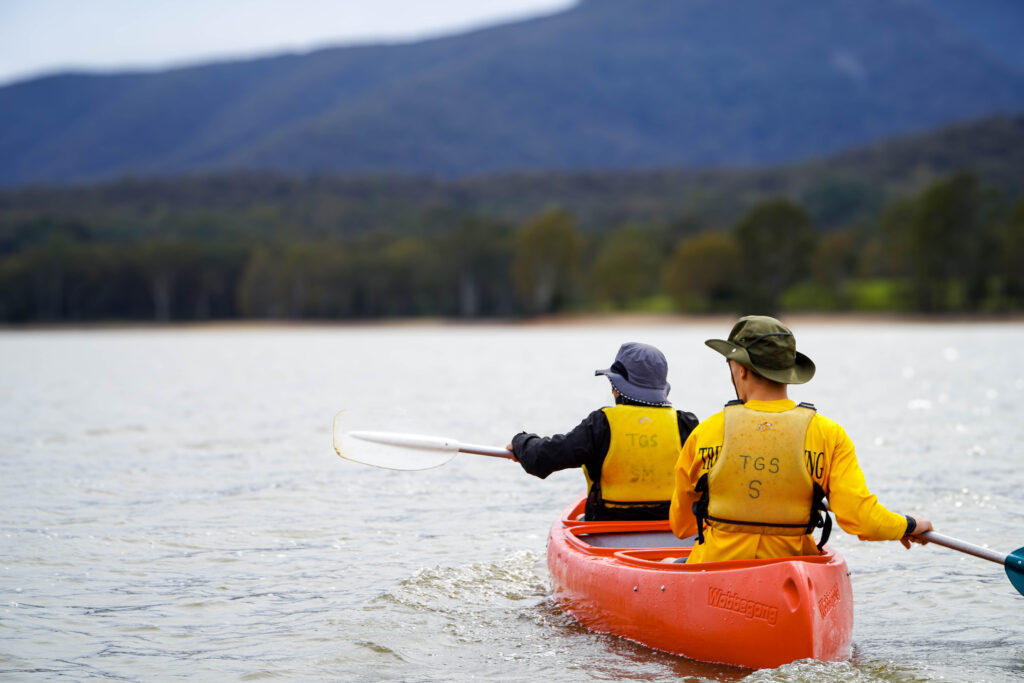
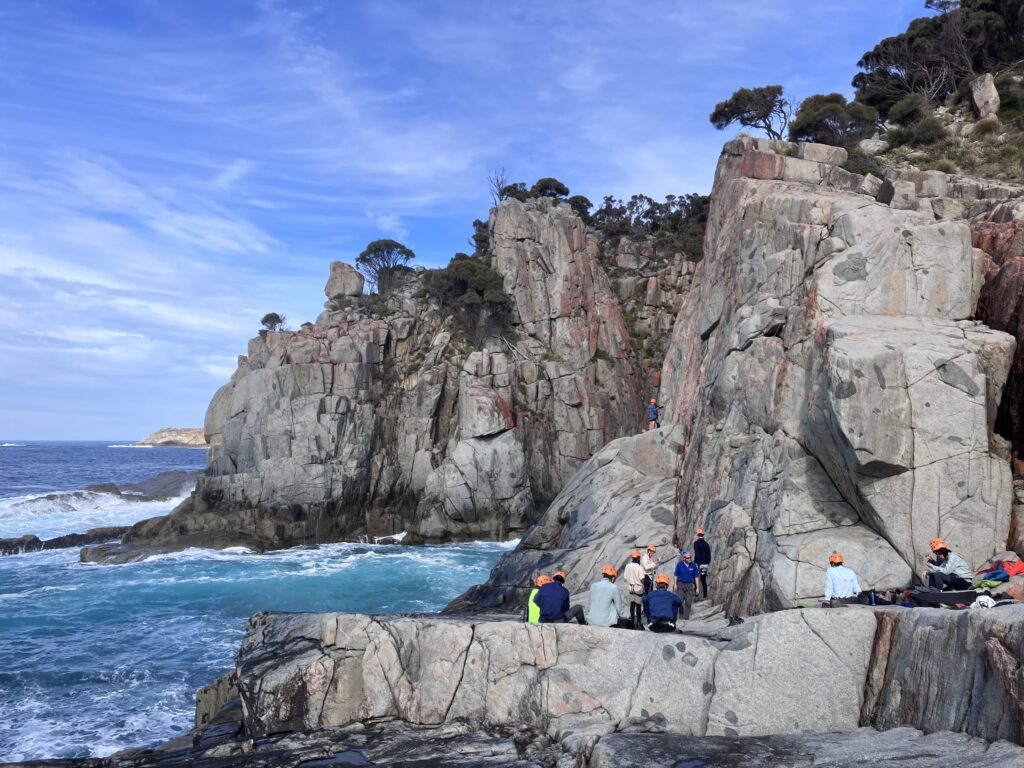
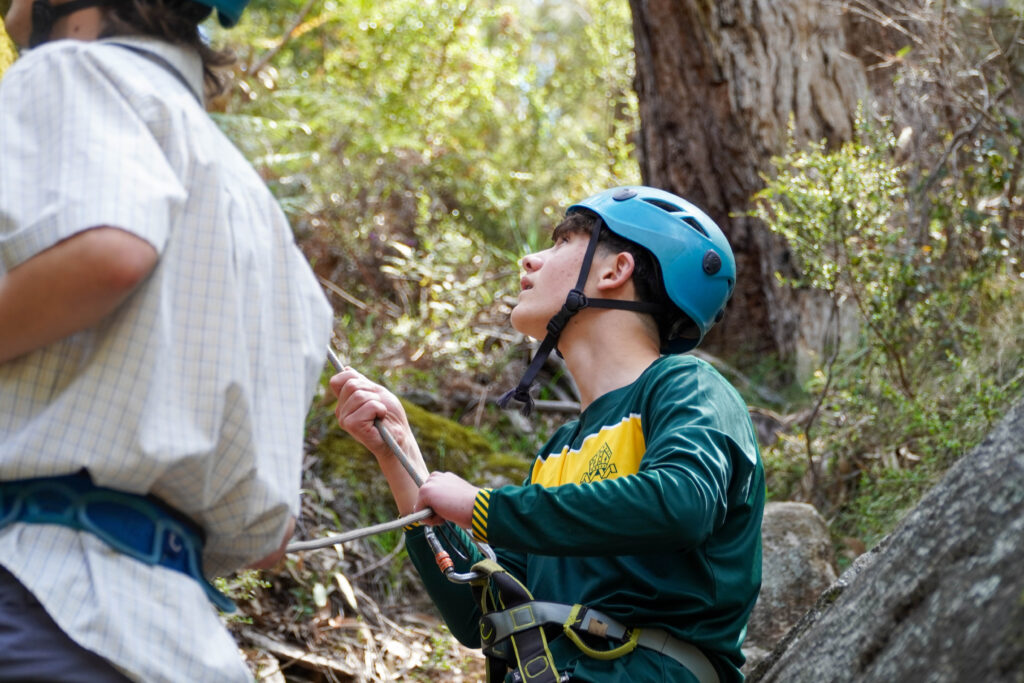
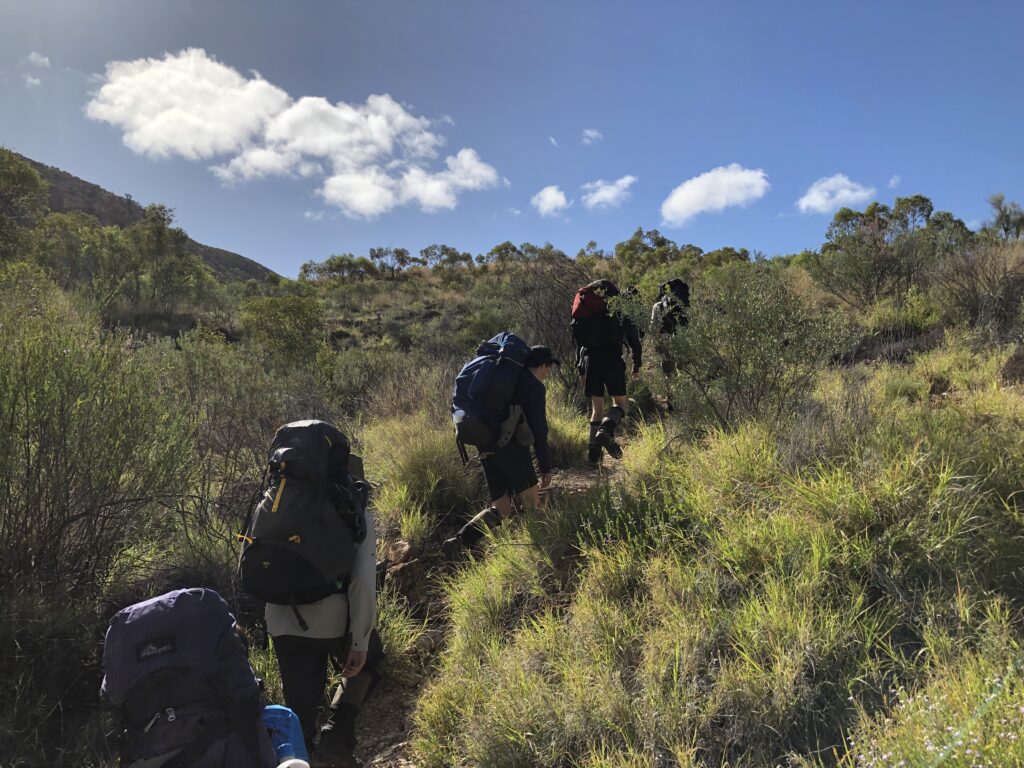
The Trinity Outdoor Education Experience
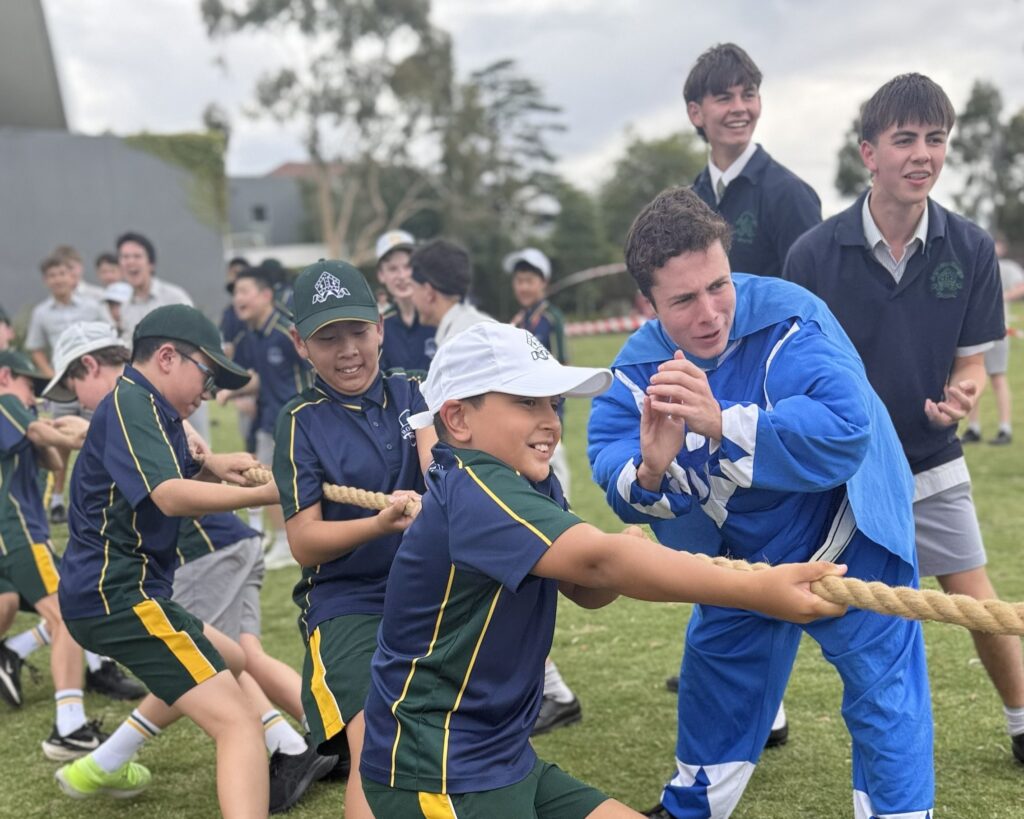
Through these experiences, younger students have access to strong role models, often looking up to senior boys and aspiring to take on similar leadership roles in the future. This creates a positive and self-sustaining culture within the school, where leadership is both modelled and valued and where students are encouraged to support and inspire each other.
The Outdoor Education program intentionally develops leadership across all year levels, with senior students taking a particularly active role in guiding younger cohorts. In doing so, they come to recognise the significant impact they have, understanding that their encouragement, guidance and conversations can uplift younger students and help them achieve their personal best.
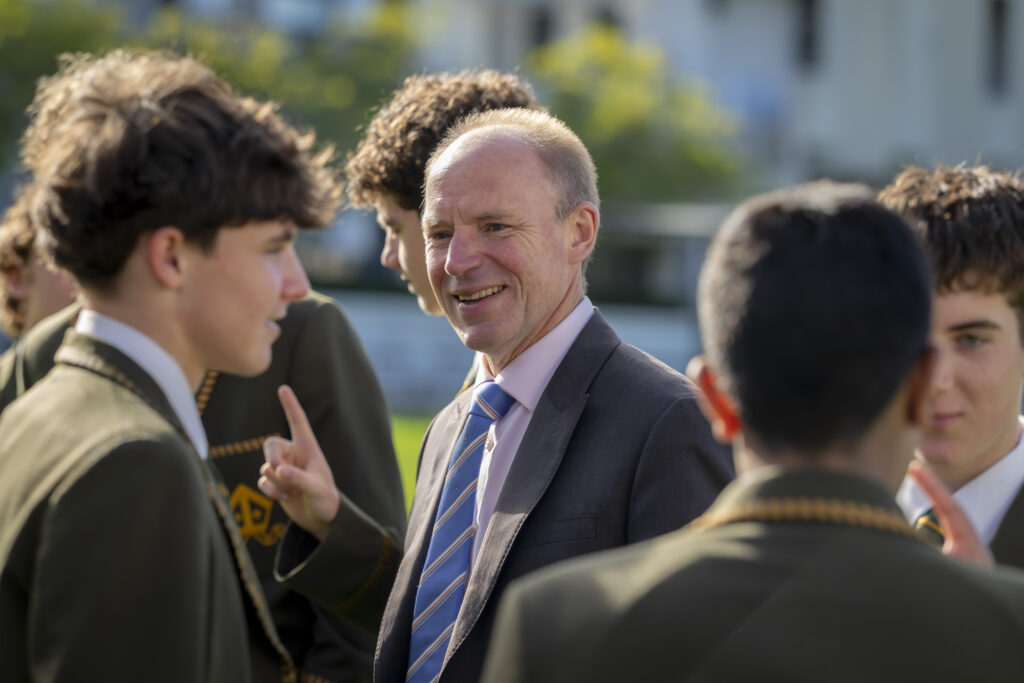
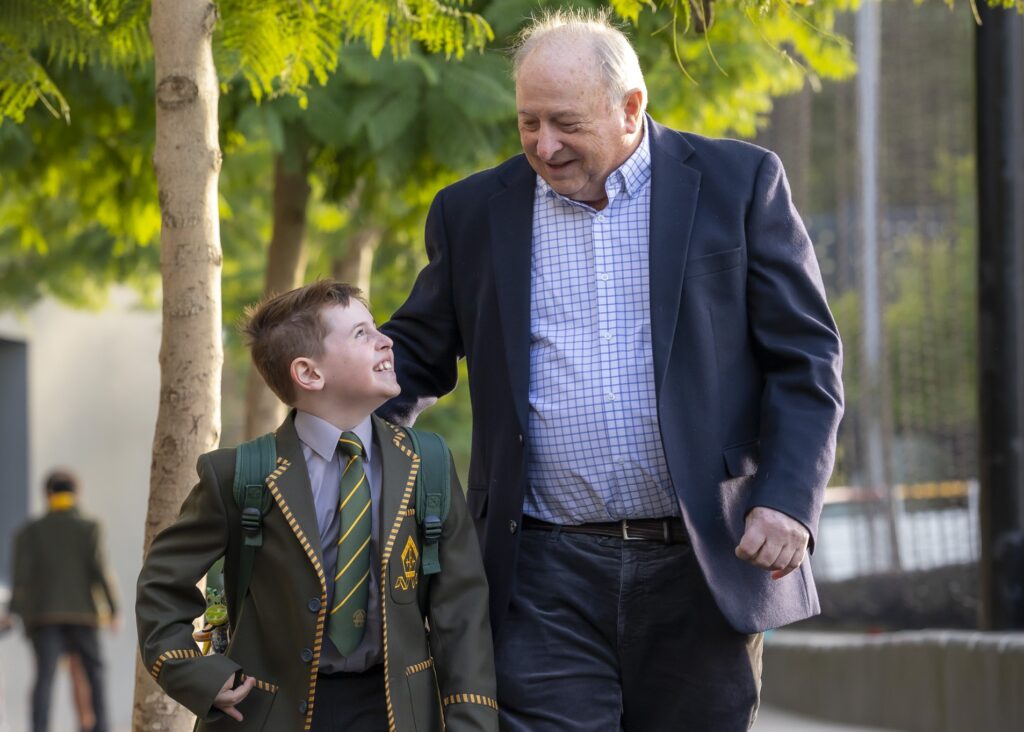
Importantly, the relationships formed during the Outdoor Education program extend well beyond the expedition experience. Students return to school with strengthened connections and camaraderie, often continuing mentoring conversations in the schoolyard and broader school context. These shared outdoor experiences provide a foundation for ongoing positive interactions and a strong sense of community.
Leadership within the program also cultivates critical personal qualities in senior students, including patience, empathy, resilience, and the ability to communicate effectively. By mentoring younger boys, particularly when they are facing challenges such as fatigue, homesickness, or self-doubt; older students provide reassurance and support that is often pivotal to the younger students’ success.
This cycle of mentorship becomes self-perpetuating: younger students who have been supported through outdoor experiences are inspired to “pay it forward” when they become senior students themselves. In turn, they contribute to the growth and confidence of the next cohort, strengthening the culture of mentorship that sits at the heart of the program.
Ultimately, Trinity’s Outdoor Education program exemplifies the values of connection, leadership and personal growth. It strengthens the school community by building enduring relationships, fostering responsibility and developing young people who are capable, confident and committed to supporting others.
Reflections from Outdoor Education Leaders
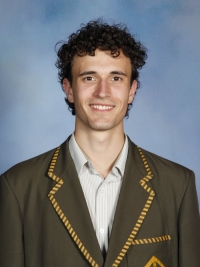
Oliver, Year 12
You are responsible for cooking meals for an entire group, organising equipment and activities, and managing the dynamics of a group that is constantly together for days at a time with very few breaks. The camps can also be physically and mentally exhausting, which forces you to learn how to make decisions even when you are tired and under stress. Through these experiences, I have become more adaptable, resilient, and confident in my ability to lead others.
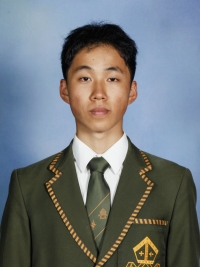
Colin, Year 12
Every choice I made as a leader on camp, every word I said, and every attitude I showed had the ability to influence the younger students around me. When something went wrong, or when the group was tired, uncertain, or challenged, they looked to me for guidance.
Having the responsibility of 11 younger students made me become the best version of myself.
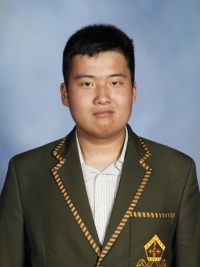
Maxwell, Year 11
When you are out on camp together, everyone faces the same challenges. The freezing mornings, exhausting hikes, the heavy backpacks and the moments where you feel like giving up.
The Outdoor Education program strips away the usual school labels and groups. It does not matter who is sporty, academic, or popular as everyone becomes part of the same team.

Thomas, Year 11
Mentoring younger students showed me that small actions and words count. I remember encouraging a year 8 during a hike, a few words of encouragement from not only myself but also from other year 8 students got them over the line, this made me realise that anyone on the camp can be a leader no matter their age.
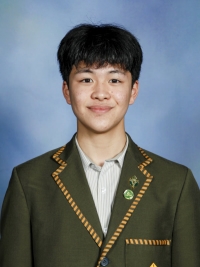
Michael, Year 11
The Outdoor Leaders Program taught me that your choices and words can really uplift those younger than you. Even at school, the younger students I took on camp still say hi to me and tell me about how they are going at school. Without the program, I don’t believe that I could have built such strong bonds with these students.