- Winter 2026
- |
- From the archives






The Trinity-Preshil Connection
Maureen McAuley, Archivist
What happens when two quite different schools decide to work together? The story of Trinity Grammar and Preshil School is a fascinating tale of friendship, bold ideas and a shared desire to give young people the best educational opportunities possible.
In the early 1970s, Trinity Grammar and Preshil School formed an unlikely but highly successful partnership, proving that very different educational philosophies can complement each other in powerful ways. Trinity was a well-established boys’ school with structured classrooms, uniforms and traditions. In contrast, Preshil was a co-ed ‘open school,’ built around freedom, creativity and student-driven learning. Despite appearing to be opposites, these differences became the foundation for a unique and enriching collaboration.
The connection was shaped by the visionary leadership and warm friendship of Trinity’s headmaster John Leppitt and Preshil’s principal Margaret Lyttle. Leppitt admired Lyttle’s innovative approach and was himself elected to the Preshil School Council in 1972. His appointment strengthened the existing ties between the two schools, which already saw many Preshil parents choose Trinity for their sons’ secondary education.
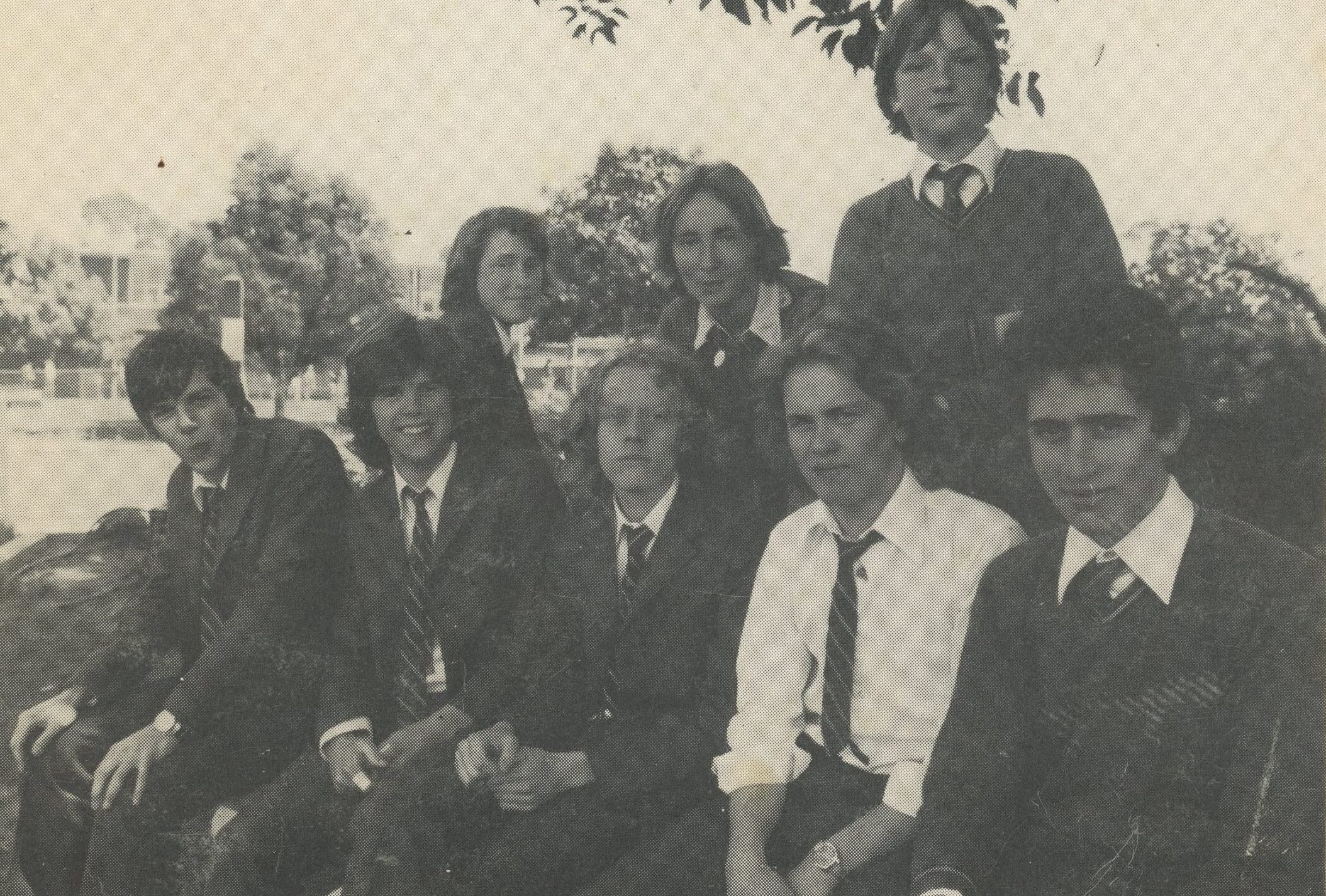
As Preshil began developing its own secondary program, it faced limitations in specialist staffing, subject variety and formal accreditation. Trinity responded with generosity, offering Preshil students, both boys and girls, the opportunity to attend senior classes at the Trinity campus. This allowed them access to facilities and courses, including HSC, which were not yet available at their own school. Between 1975 and 1977, nineteen Preshil students (sixteen girls and three boys) attended Trinity to complete Years 11 and 12.
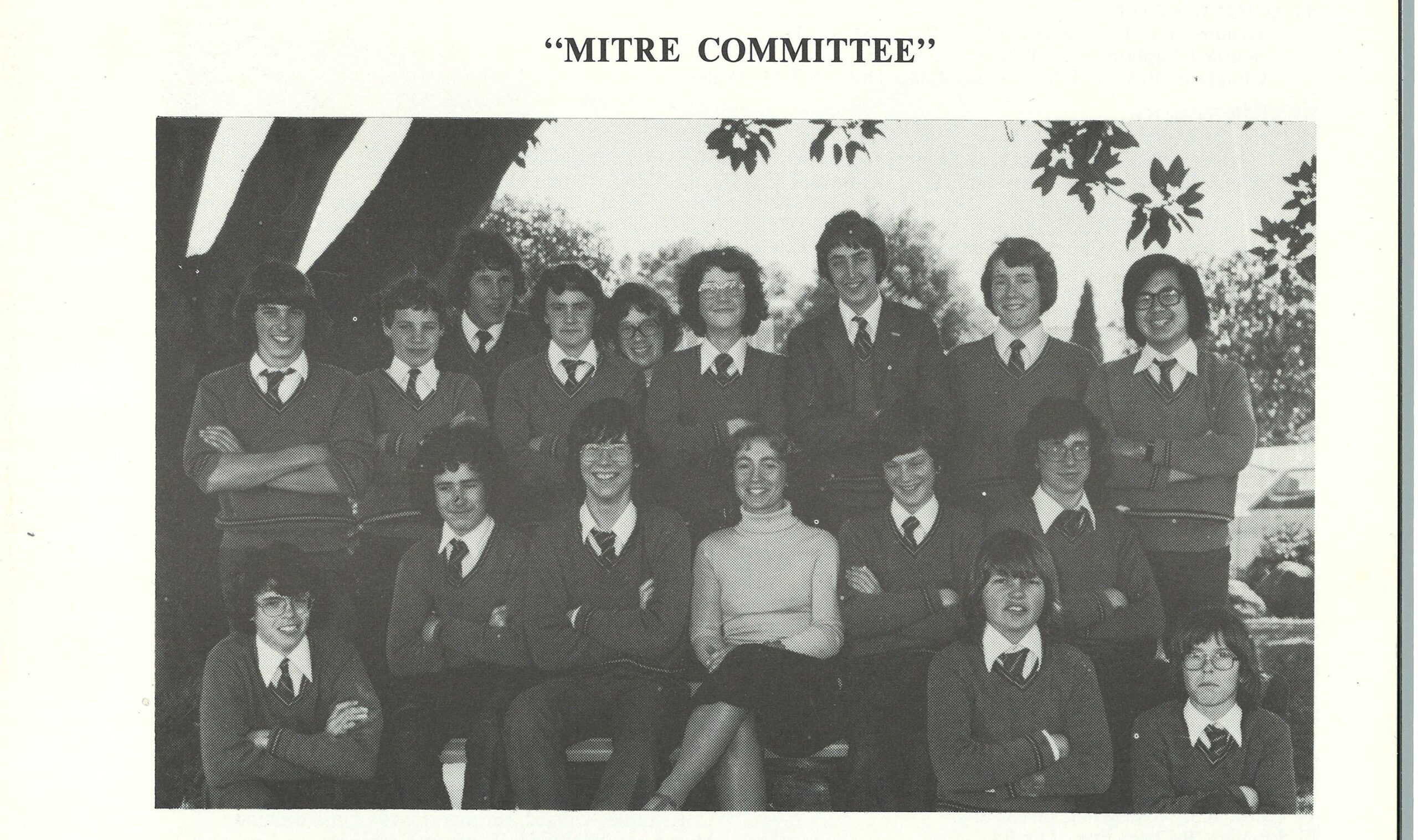
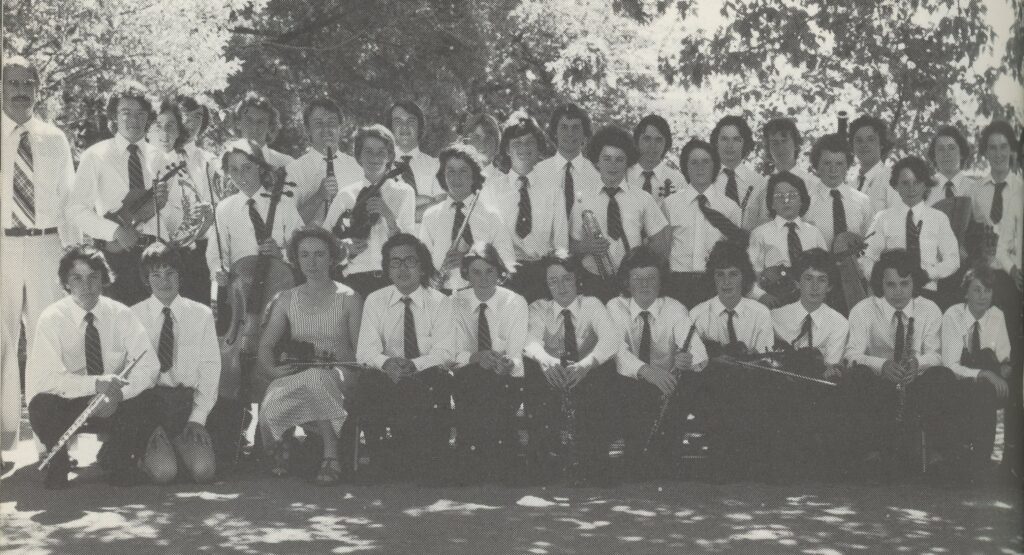
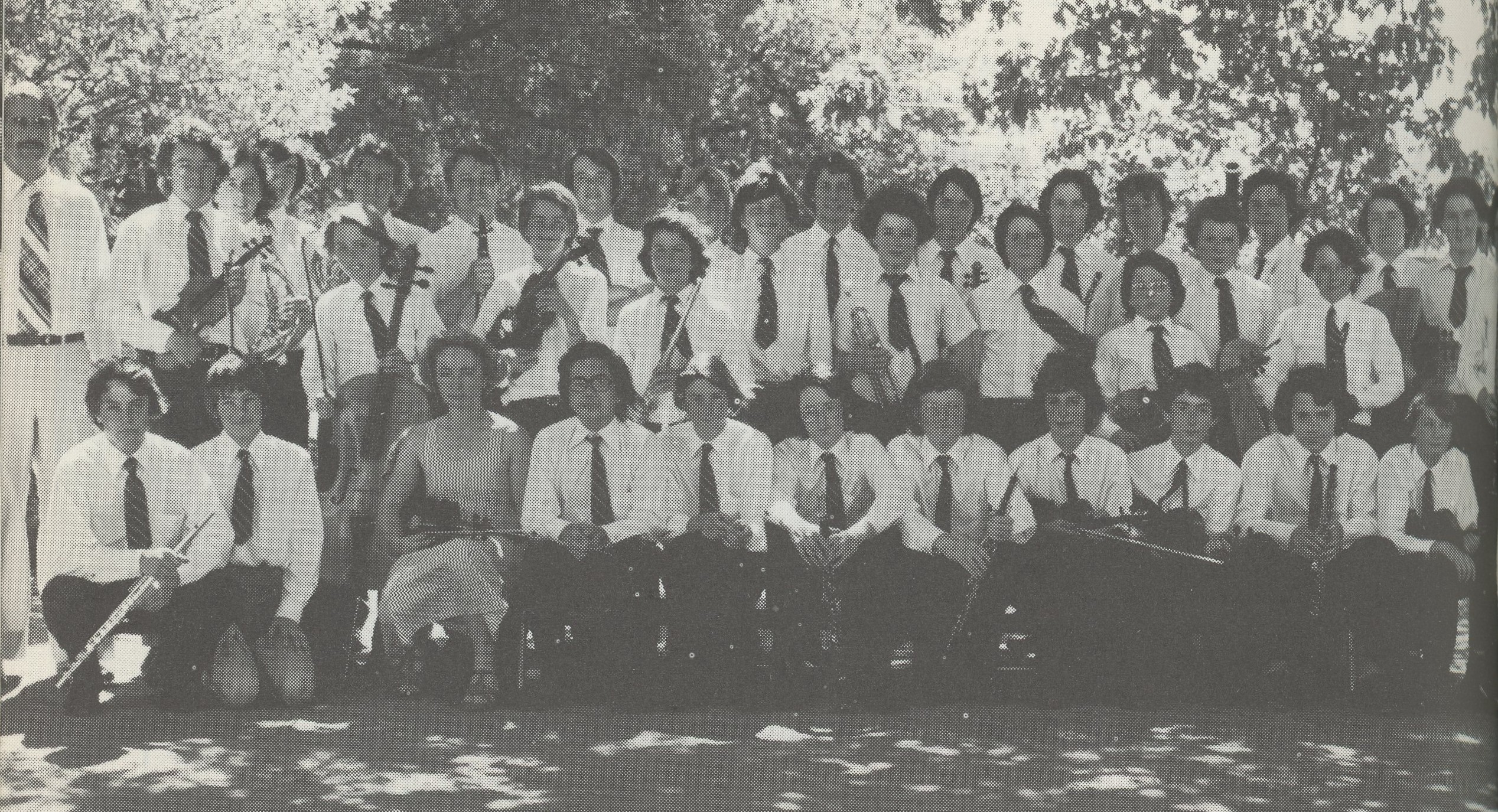
What made this partnership remarkable was its flexibility and respect for identity. Preshil students were not required to adopt Trinity’s uniform or abandon their informal learning style. They remained confident, independent learners, often sitting on floors, engaging teachers directly and openly questioning ideas. Trinity teachers adapted, embracing more discussion-based and responsive teaching methods. Preshil students also contributed richly to Trinity school life. They joined music ensembles, added lively voices to school publications, provided Trinity’s only female Music Captain and recently, attended the Gold Mitre Luncheon.
As Preshil expanded its own secondary capacity later in the decade, the need for the arrangement gradually faded. Yet the legacy of those years endures. The partnership between Trinity and Preshil demonstrated that education is not one-size-fits-all. Structure and freedom, discipline and creativity; each has its place. When brought together thoughtfully, they can open doors to new possibilities.
Archives Acknowledgements
Trinity Archives wishes to acknowledge the assistance of Felicity Renowden, Preshil Archivist and Eva Strasser, former parent and teacher at both Trinity and Preshil.
We wish to thank the following for their recent donations to the Archives:
Martin Summons – Sports trophies belonging to his father David W Summons (OTG 1940)
Robyn Johnson – Prize books and other memorabilia belonging to her father Norman Johnson (OTG 1942)
Garry Mann (OTG 1969) – Mitres, photographs, event brochures, exercise books and examination papers, prize book and reports
Richard Hogg (OTG 1971) – Set of Mitres