- Winter 2026
- |
- Leadership in a noisy, uncertain world

















Leadership in a Noisy, Uncertain World
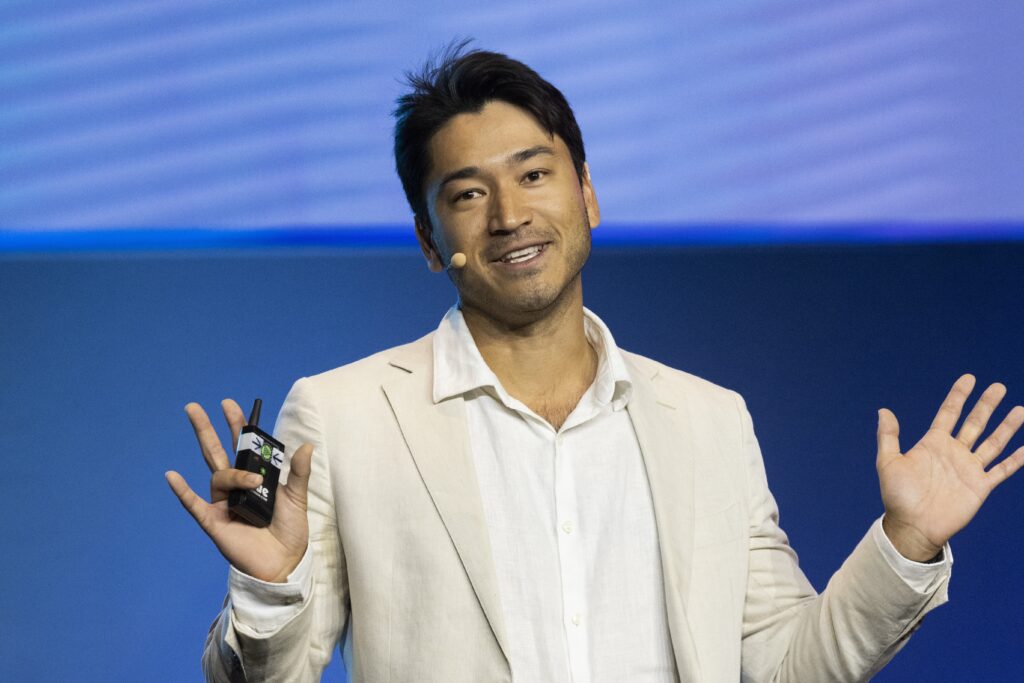
For Kirun Goy (OTG 2011), leadership begins with a simple idea: paying attention.
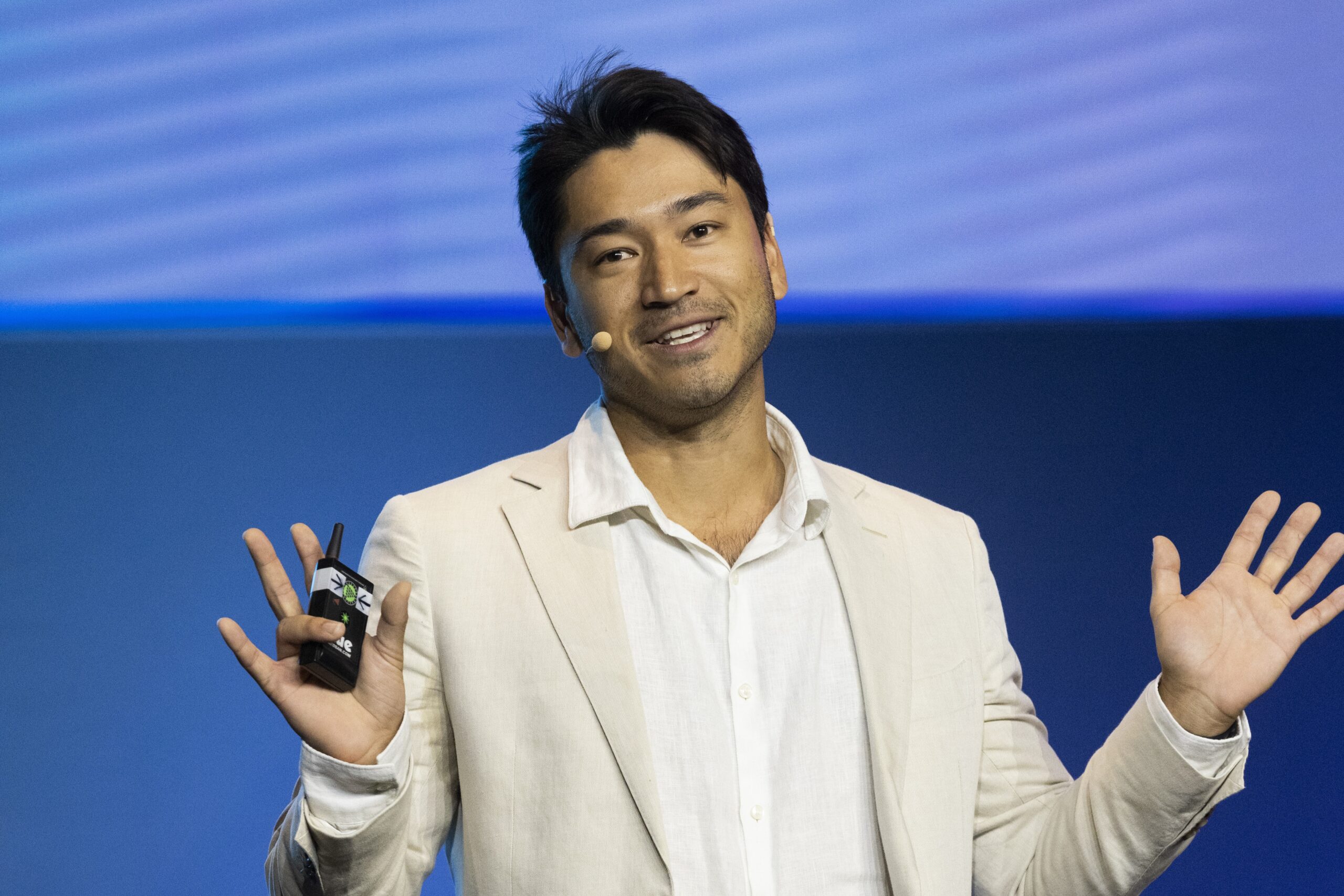
In a world defined by distraction, uncertainty and constant noise, Kirun has built a career helping leaders think more clearly, act more intentionally and avoid drifting through life on autopilot.
Today, as a Senior Leadership Facilitator with Harvard Business Impact, host of the BrainTools podcast, keynote speaker and author, Kirun works with leadership teams across the world, translating complex ideas from cognitive science and behavioural research into practical tools that leaders can actually use.
At the heart of Kirun’s work is a deep curiosity with the intersection between leadership, the brain and intentionality.
“The brain has always fascinated me,” he says. “Billions of neurons, trillions of connections somehow producing the behaviours we barely notice every day.”
But for Kirun, leadership is not simply about understanding how people think. It is about helping people become more deliberate in how they live, lead and respond to the world around them.
“Intentionality is the antidote to autopilot,” he says. “It doesn’t guarantee success, but it means you’re happening to your life, rather than your life happening to you.”
This philosophy underpins much of his thinking on modern leadership.
While technology, AI and global instability continue to reshape the world at extraordinary speed, Kirun believes the most important leadership skills remain deeply human.

We’re operating in a world that feels harder to navigate than it did a decade ago,” he explains. “The old playbooks are expiring faster than we can write new ones.

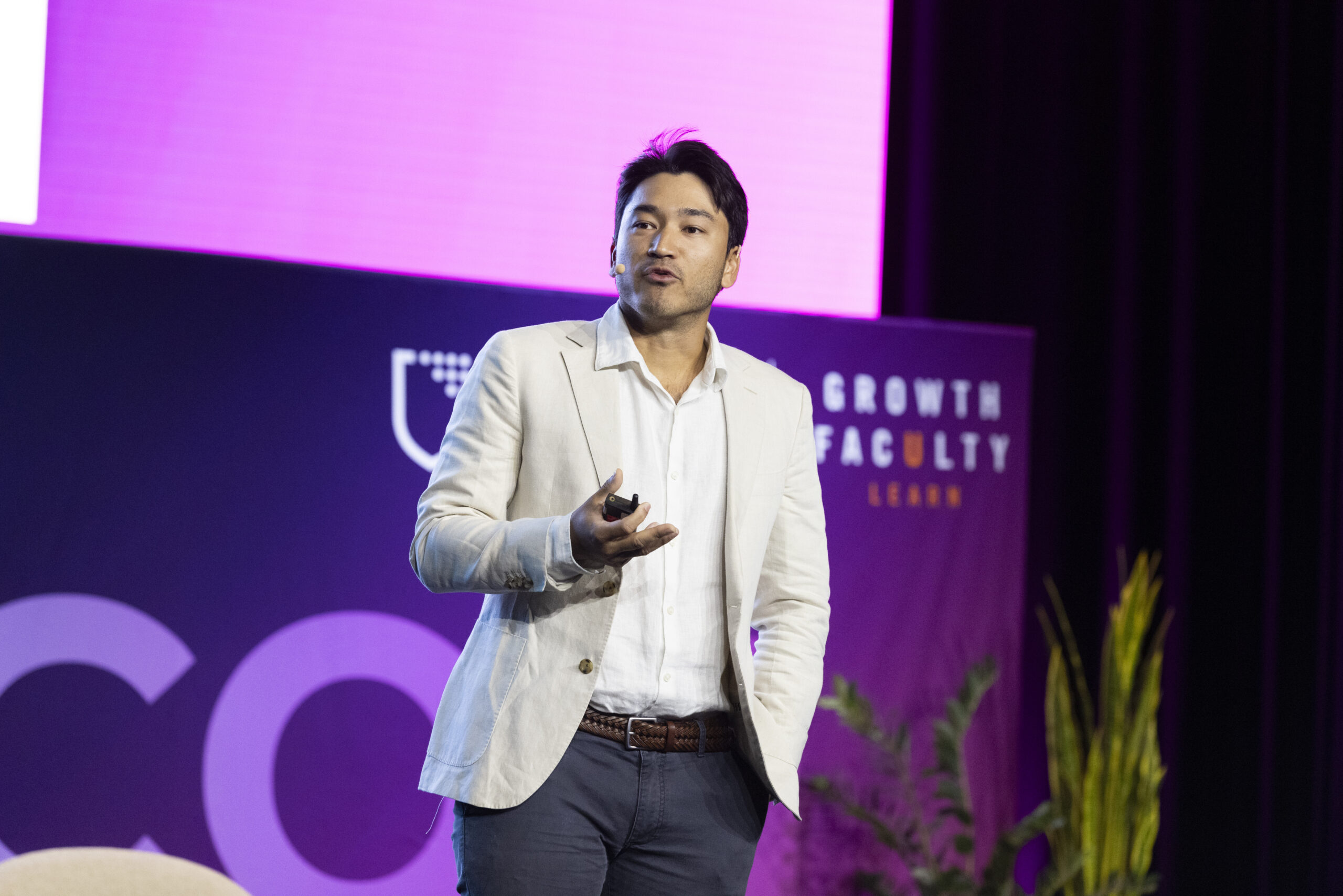
“Leaders today need to constantly balance learning new ways of thinking with unlearning old assumptions, while still remembering that leadership is ultimately about people leading people,” Kirun adds.
The leaders who thrive, he says, are those capable of tolerating ambiguity, reflecting critically on their own thinking and maintaining a strong bias toward action.
“Leadership is full of clichés,” he says. “Most people know what they should do. The challenge is actually doing it consistently.”
That gap between knowledge and action has become a central focus of his work.
Another emphasis of Kirun’s work is helping leaders maintain clarity under pressure and uncertainty and navigate the emotional realities of leadership.
“The best leaders can stand steady in chaos,” he explains. “They create pockets of certainty for the people around them, even when they themselves are navigating uncertainty.”
In an era shaped by AI, information overload and constant digital connectivity, Kirun believes the ability to think clearly has become one of the defining skills of modern leadership and life itself.
“We have access to more information than at any point in history,” he says. “But leadership ultimately comes down to the quality of your decisions. It’s about having conviction in where you believe the future is heading, while also being willing to adapt and change your mind when needed.”
He also believes leaders must resist losing their humanity in a world increasingly obsessed with optimisation and speed.
“When people reflect on leadership, it’s rarely just about personal achievement,” he says. “It’s about the people you helped to grow along the way.”
That same intentionality extends beyond leadership and into the way people think, learn and engage with the world around them.
“What do I actually believe, and where did that belief come from? Did I arrive at that myself, or did it just seep in?”
Kirun believes genuine clarity comes through reflection, particularly through writing.
“Clear thinking is downstream from clear writing,” Kirun says. “There’s something powerful about putting your thoughts on paper and realising what you do and don’t actually know.”
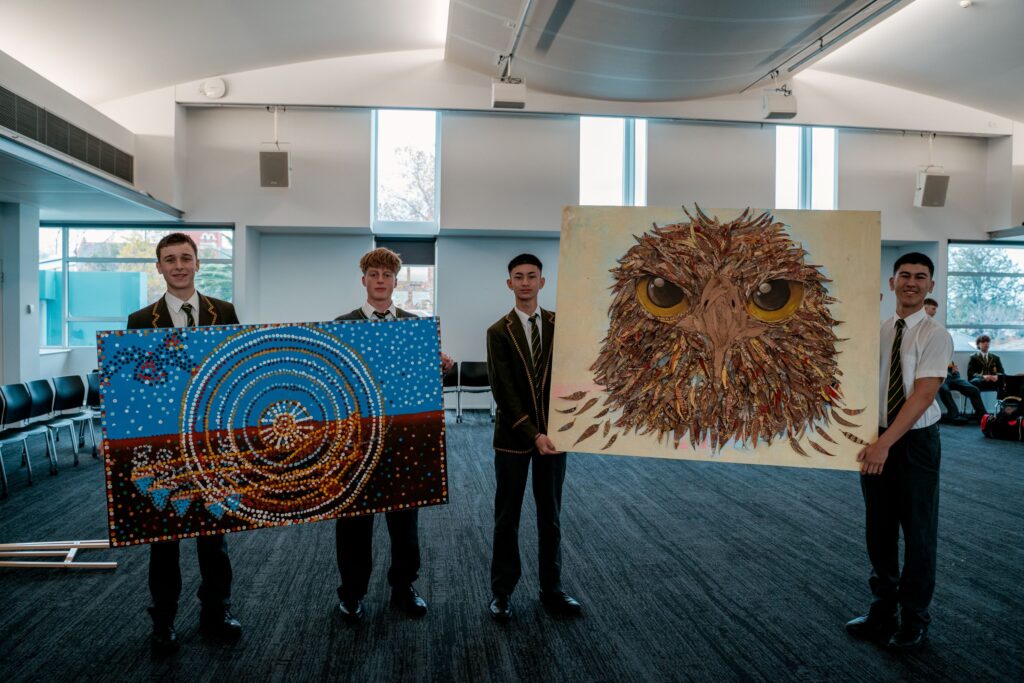
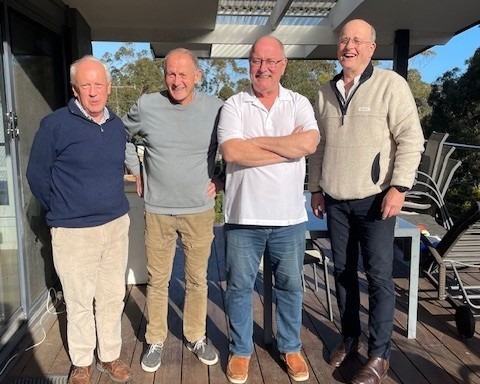
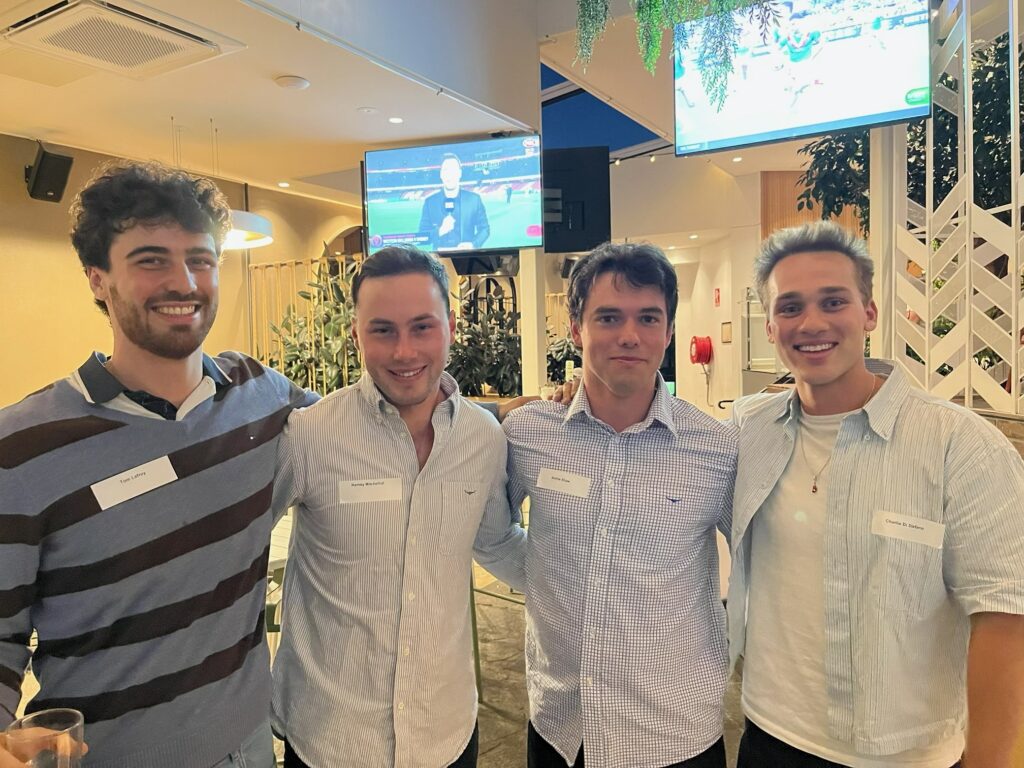
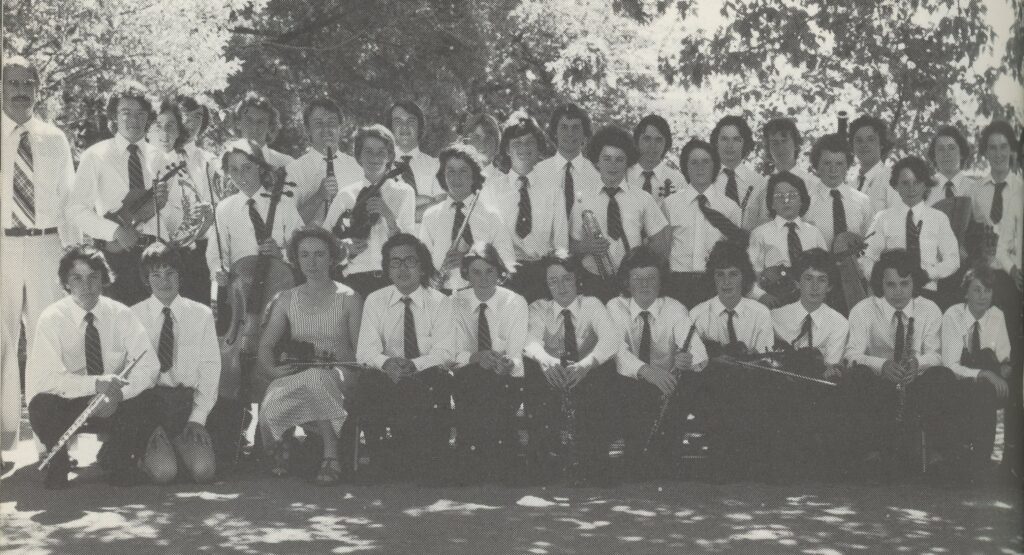
Despite having a career in the global stage, many of Kirun’s strongest memories remain grounded in his time at Trinity and the relationships formed with teammates, teachers and friends.
Playing First XI Soccer provided an early understanding of leadership and collective purpose, while teachers demonstrated leadership through service and genuine care for students.
“Everything for me comes back to deep relationships,” he reflects.
Kirun encourages young people to start with self-awareness and resist imitating others.
“Leadership, paradoxically, starts with yourself,” he says. “The ability to zoom out and think about your thinking is where the bones of leadership begin. Your goal isn’t to become someone else’s version of a great leader, as tempting as that can be. It’s to become your own version of great – and lead with humanity and intention.”