- Winter 2026
- |
- Growing together: mentoring and belonging in the ELC





Growing together: mentoring and belonging in the ELC
Naomi Wright, Director of the Early Learning Centre
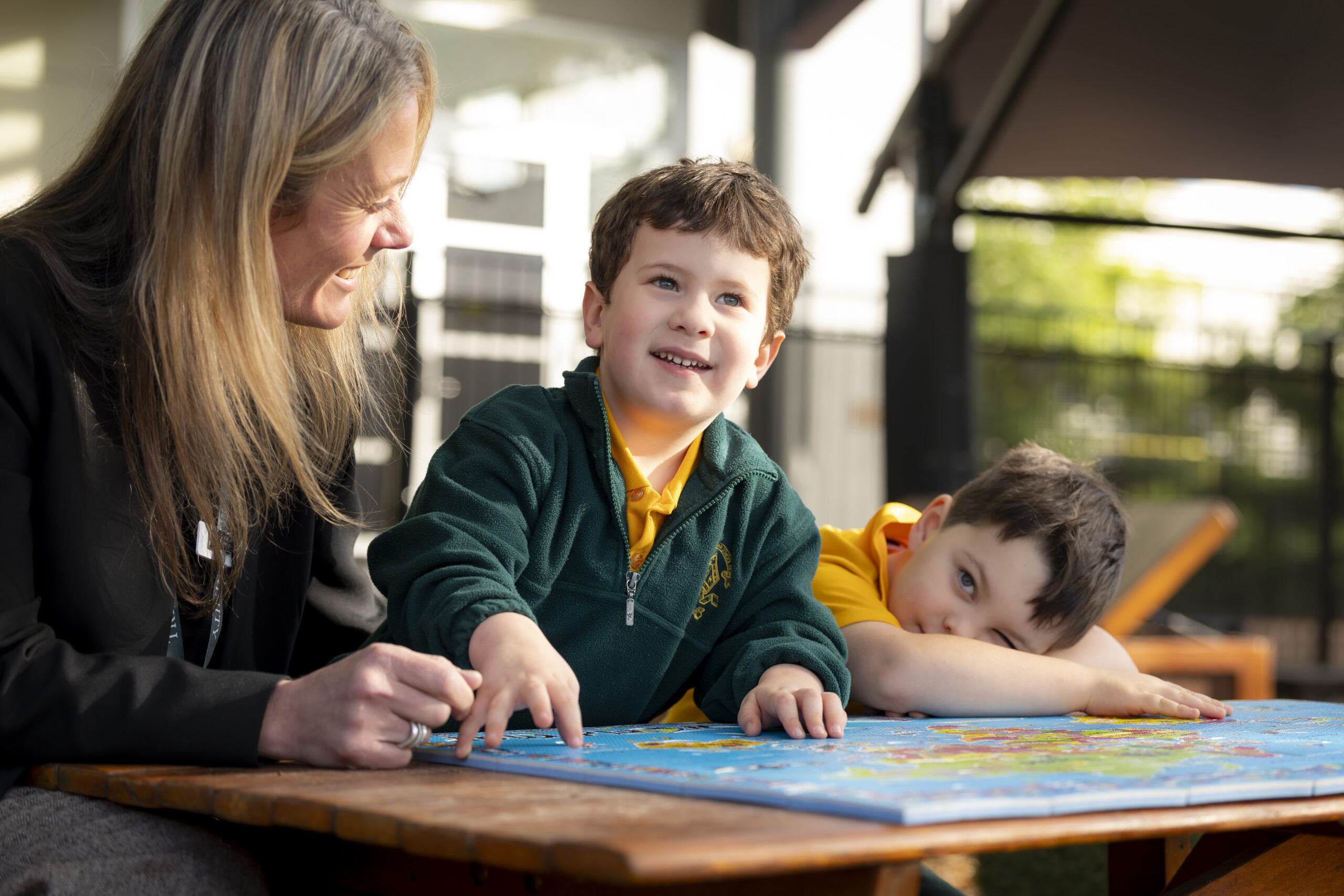
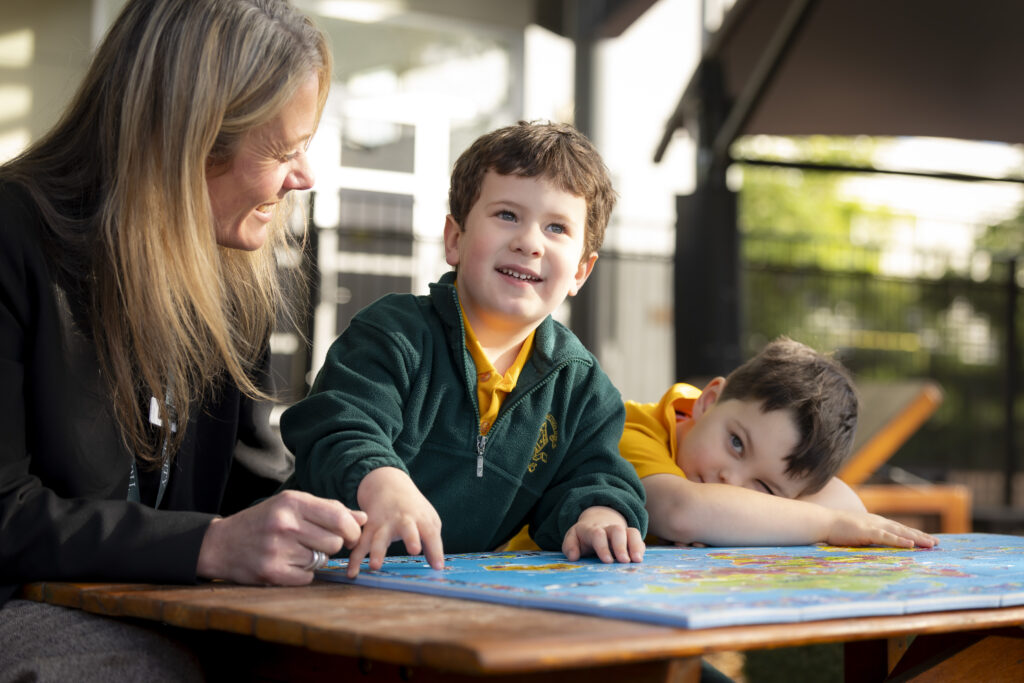
At the heart of our Early Learning Centre (ELC) is a deep commitment to relationships. Mentoring is lived each day as we walk alongside children, supporting them to develop a strong sense of self, resilience and belonging.
We know that strong relationships are the foundation of meaningful learning. When children feel secure, seen and valued, they are more willing to embrace challenges, step into uncertainty and engage with new experiences.
Within the ELC, mentoring is found in the small, intentional moments that shape each day. It is reflected in an educator choosing to pause, to truly notice and to respond with care and purpose –in the classroom, outdoors, during transitions and in the spaces in between.
The Circle of Security model, grounded in attachment theory, reminds us to remain attuned and responsive. We continually reflect: What does this child need from me right now? Do they need encouragement to explore, or reassurance to return? Am I offering both a secure base and a safe place? These quiet questions guide our practice in powerful and enduring ways.

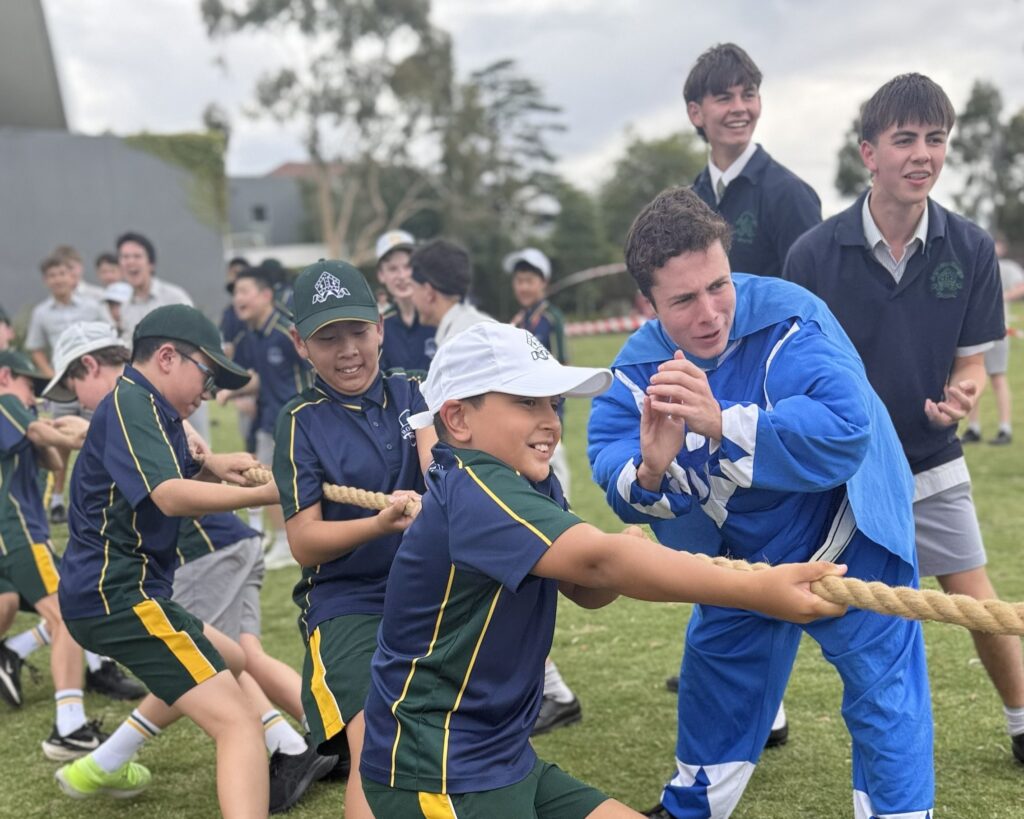
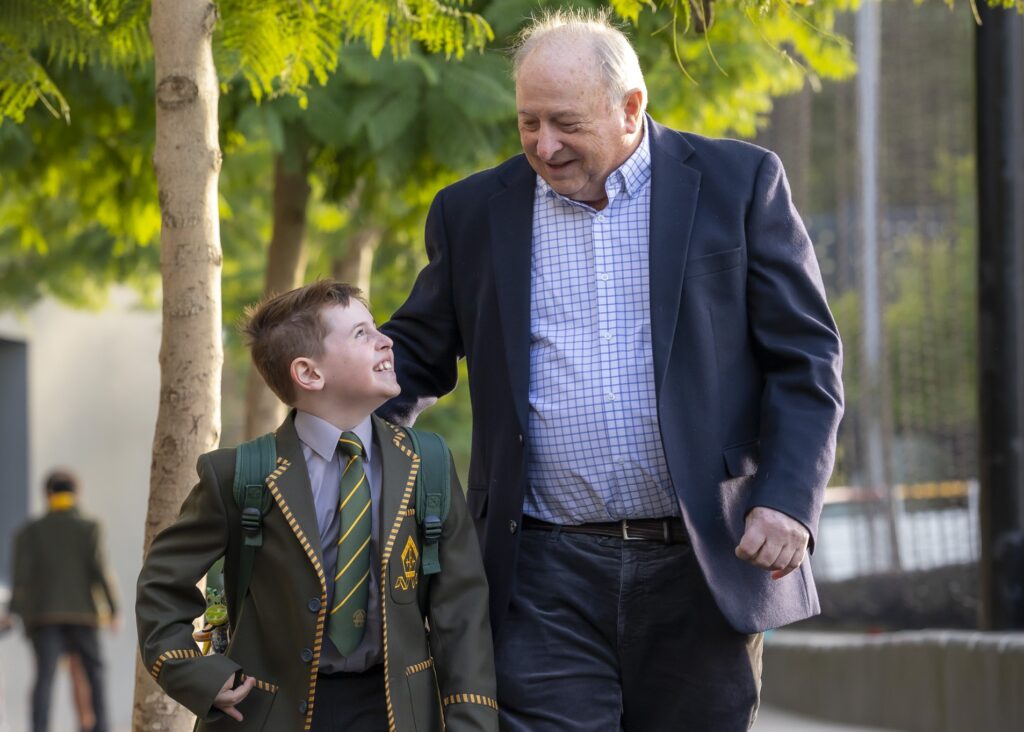
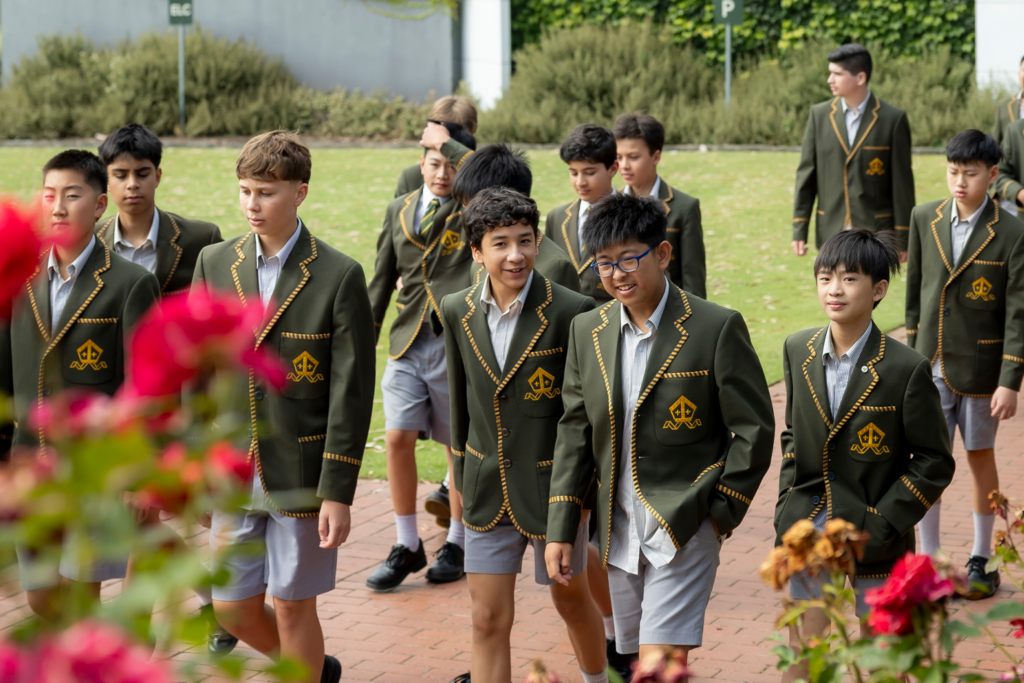
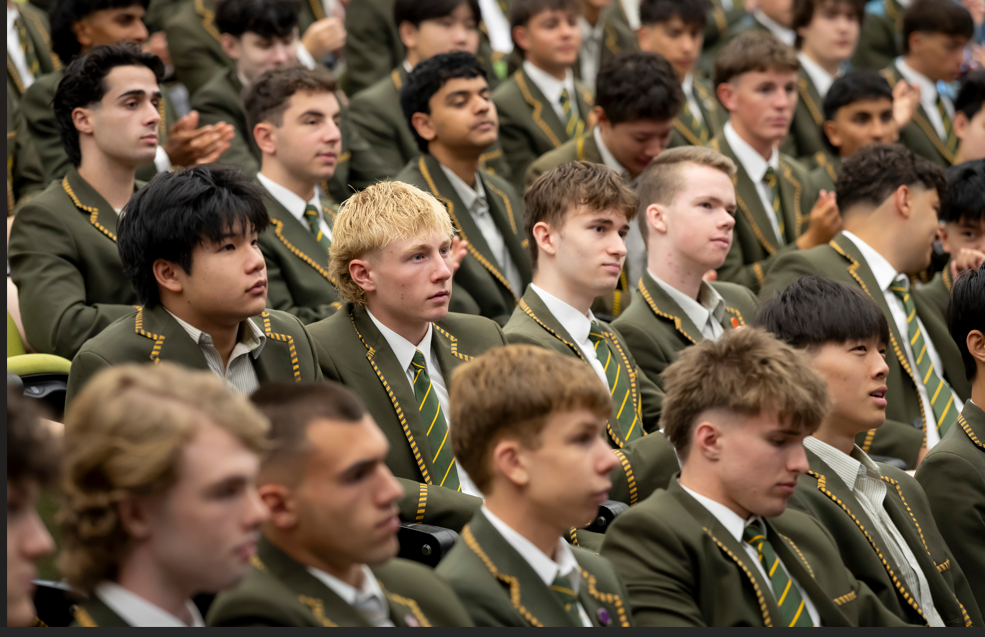
Mentoring within the ELC extends beyond our educators to include meaningful partnerships with older students across the school.

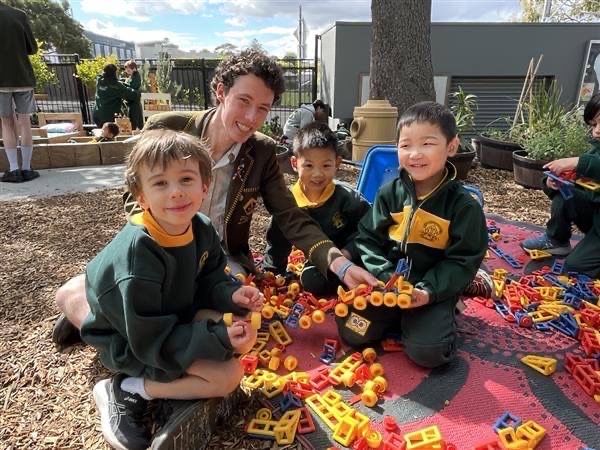
These cross-age connections create a rich and dynamic learning environment where our youngest learners are supported, inspired and challenged through authentic relationships.
For children learning English as an additional language (EAL), these connections are especially impactful. Older students model language naturally through conversation, storytelling and shared play. Language is experienced in context, building both confidence and a genuine sense of belonging.
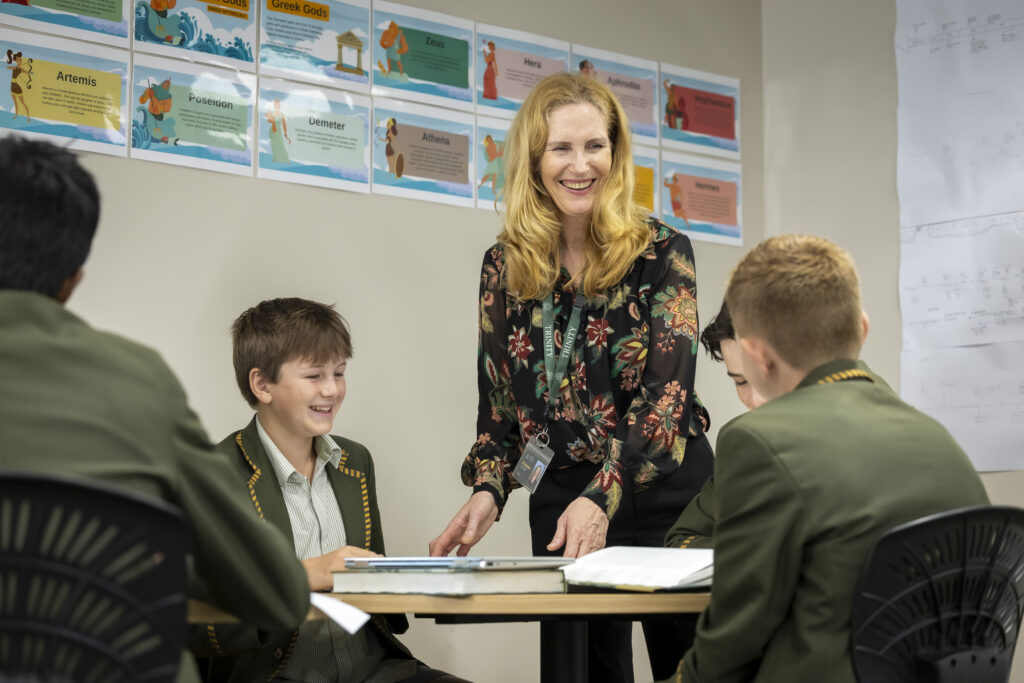
Collaboration also comes to life through learning partnerships. Senior School Design and Technology students, as one example, work alongside our children as co-researchers, investigating ideas, problem-solving and designing equipment and resources for our learning spaces. In this process, our youngest learners see their ideas valued and their thinking taken seriously, while older students develop empathy, creativity and a deeper understanding of collaboration.
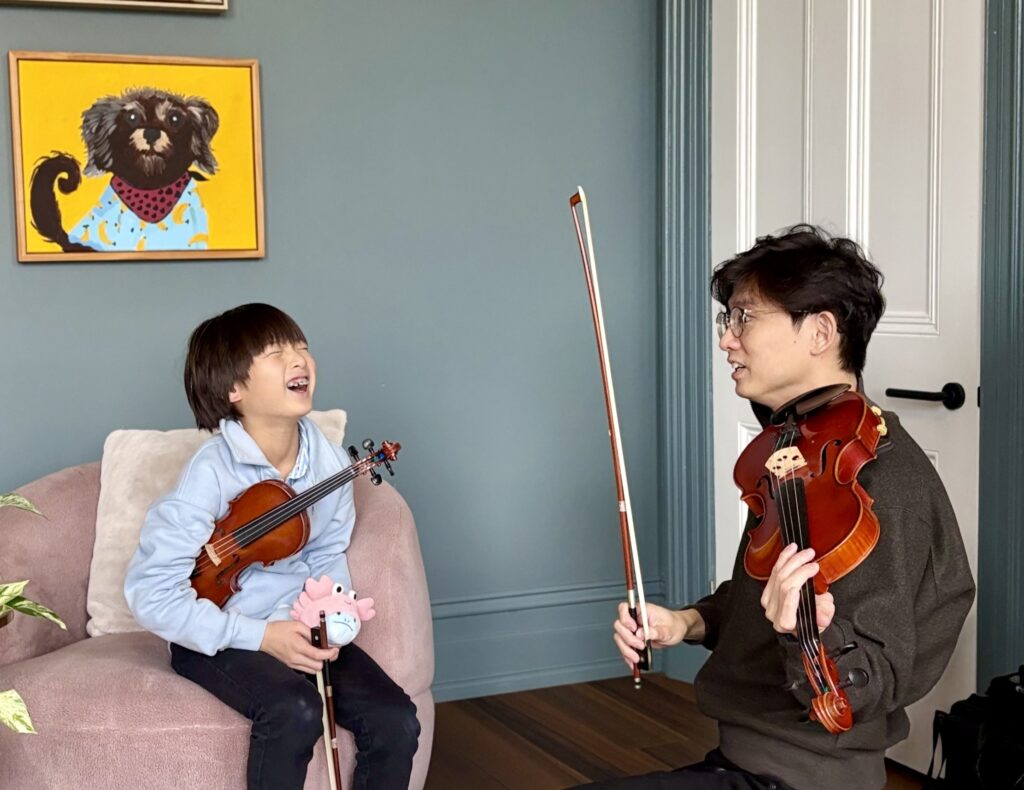
Our Junior School students further enrich this mentoring culture by sharing original stories they have written for our ELC learners. Through these experiences, they model that communication can take many forms – through words, drawing and expression – broadening children’s understanding of literacy as something creative, meaningful and deeply personal.
Mentoring in Action
Mentoring is also reciprocal. Our ELC learners actively contribute to the life of the wider school community, stepping into their own role as teachers and leaders.
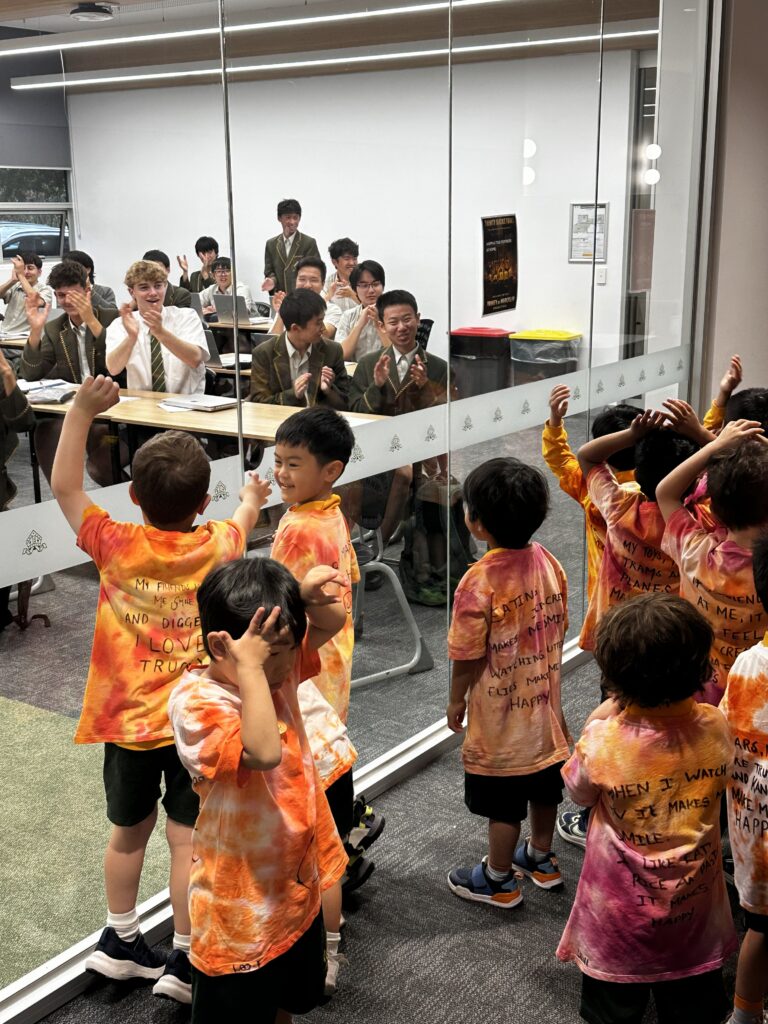
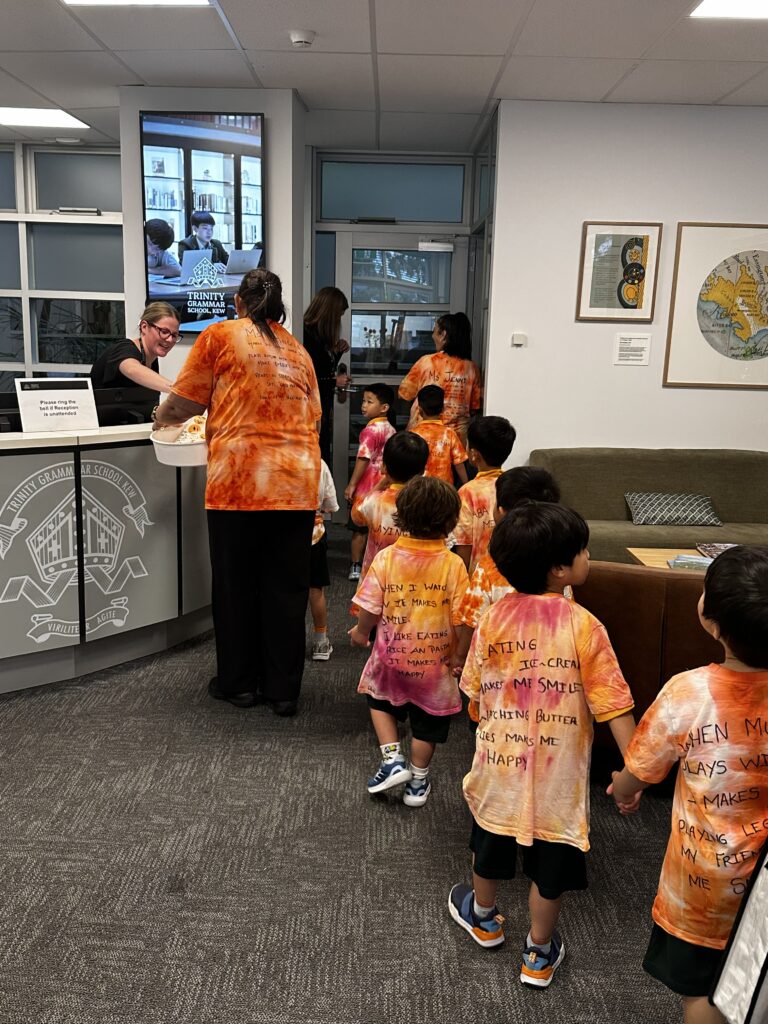
On Harmony Day, our children surprised the school with a joyful “flash mob”, sharing the unifying power of music and movement through a spirited rendition of the Macarena. It was a moment of connection, joy and shared experience that transcended age.
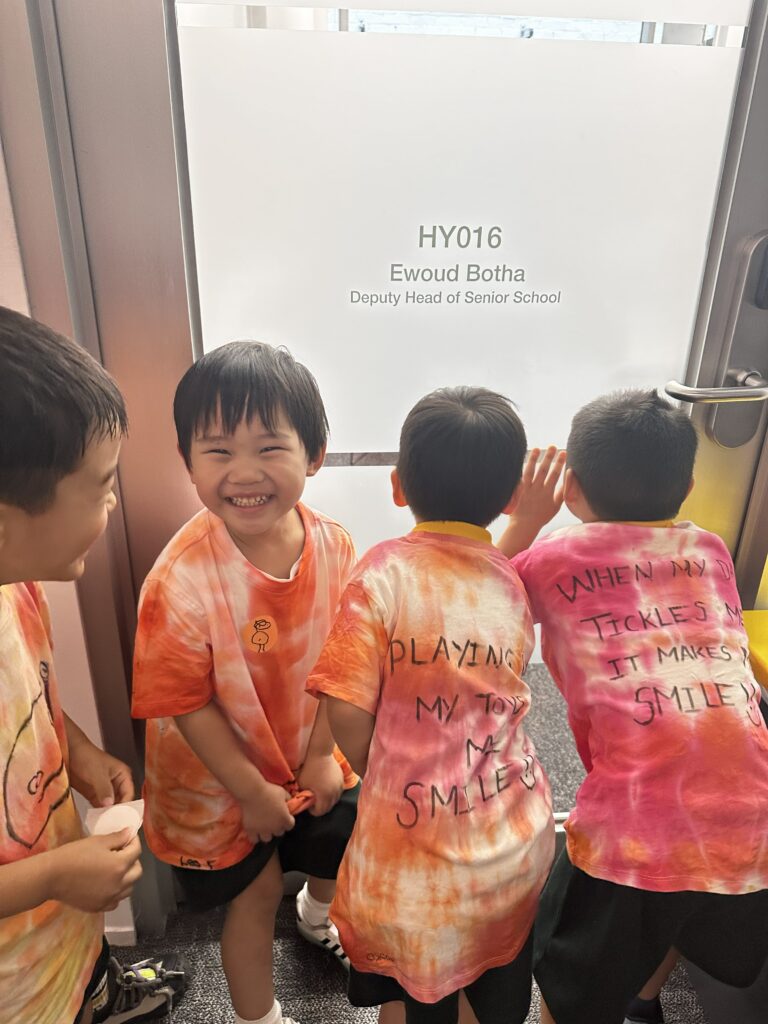
Our work in emotional literacy through the Kimochi program also extends beyond the ELC. Children’s drawings, reflections and ideas are carefully documented and transformed into books that make their learning visible. These are then shared with the broader school community, giving our youngest learners a voice and an audience, further reinforcing that their thinking matters.
Growing Together
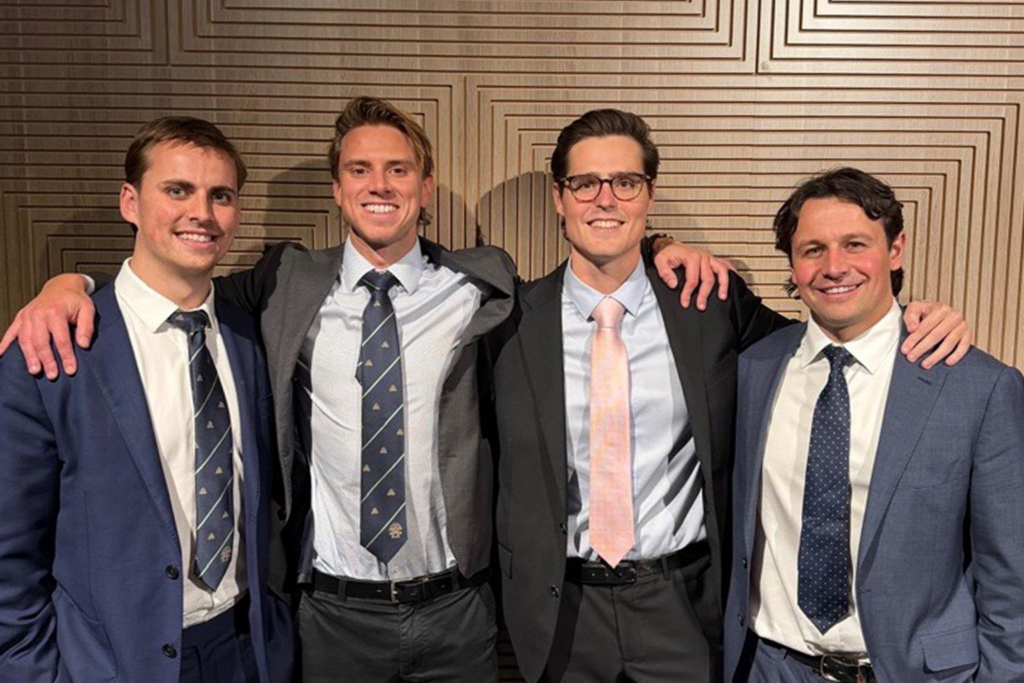
These sustained cross-age connections foster trust, empathy and a genuine sense of belonging. Younger children come to see older students as approachable role models, people who listen, encourage and celebrate their ideas. Older students, in turn, experience a strong sense of pride and purpose as they contribute meaningfully to the growth of others.
These bonds strengthen the emotional fabric of our ELC. Children feel known and valued – not only within their own group, but as part of a wider, connected learning community.
Ultimately, mentoring in our ELC reflects a simple but powerful belief: learning is social, relational, and shared. When older and younger learners come together, they create a responsive and collaborative community – one where ideas are co-constructed, knowledge is exchanged and every child is both a learner and a teacher.