- Winter 2026
- |
- The relationships that shape careers











The relationships that shape careers
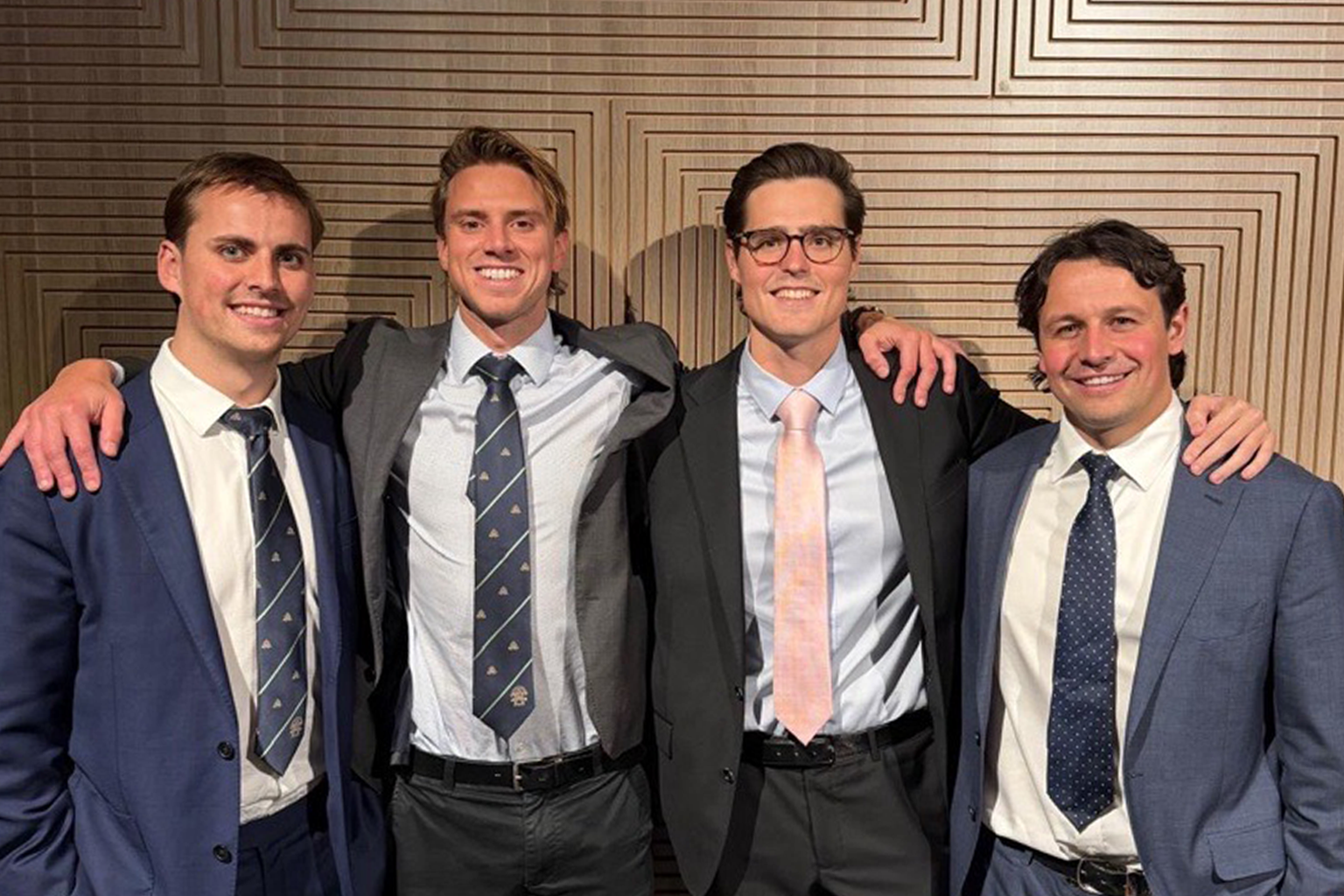
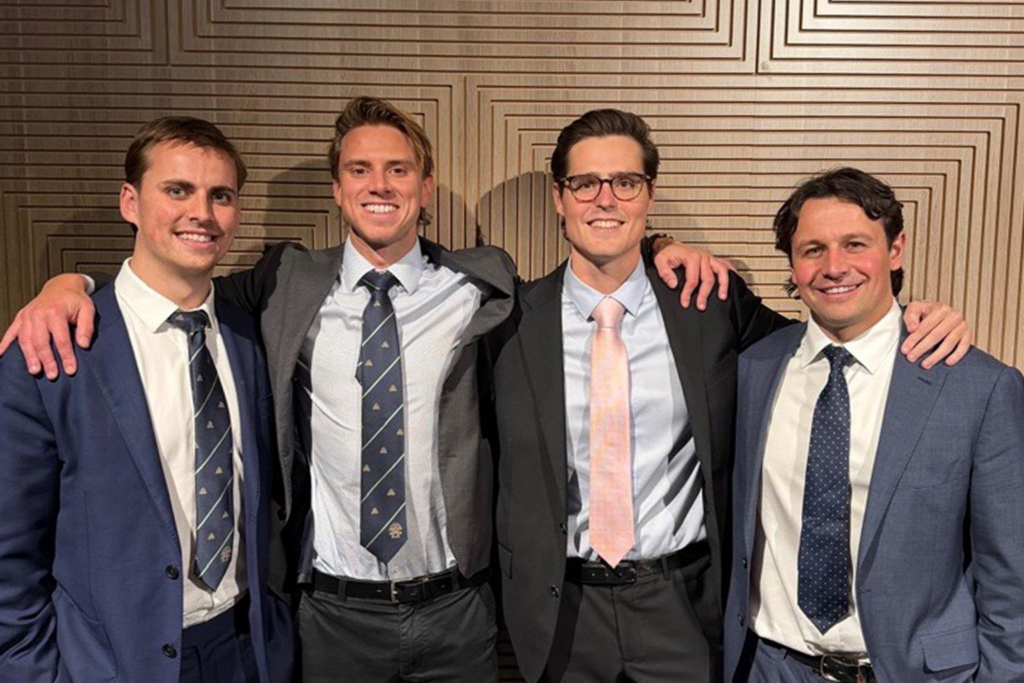
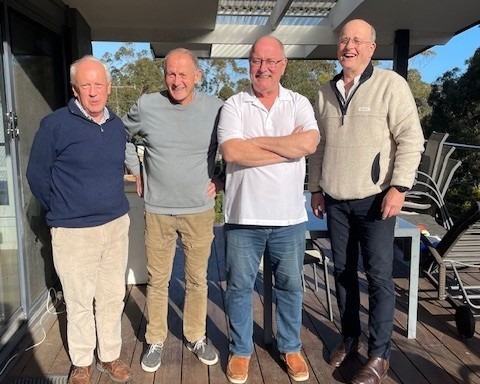
Matt (OTG 2018), Ed (OTG 2011), Charlie (OTG 2016) and Nick (OTG 2015)
Behind many successful careers is someone who took the time to guide, support and believe in another person. Across business and professional life, Old Trinity Grammarians are seeing firsthand how powerful the mentor-mentee relationship can be. Not only for the young people starting out, but also in enriching the lives and perspectives of those guiding them.
For Ed Beasley (OTG 2011), Nick Adgemis (OTG 2015) and Matt Kendall (OTG 2018), mentors have played a defining role in shaping their careers, building confidence and creating a strong workplace culture at accounting and advisory firm, Smith Feutrill.
Why mentorship matters
For Ed, a Principal and Partner at Smith Feutrill, mentoring is ultimately about helping people grow in confidence, perspective and self-belief.
“It’s one of the most rewarding parts of my role,” Ed says.
“Seeing people develop confidence and back themselves is incredibly satisfying.”
Ed believes mentoring is particularly important for young professionals entering today’s workforce, where communication and relationship-building skills can sometimes be overshadowed by digital connection.
“Young people today are incredibly connected online, but I think conversational skills and the ability to give and receive feedback are more important than ever,” he explains.
“Really, we’re all in the communication business.”
Ed also believes the best mentors are not necessarily people with all the answers, but those who are approachable, consistent and willing to genuinely invest in others.
“If you have a productive and aligned team, they can achieve far more collectively than any one person can alone,” he says. “You have to invest in your people.”

If you have a productive and aligned team, they can achieve far more collectively than any one person can alone.

Importance of genuine relationships
For Nick, Senior Accountant at Smith Feutrill, mentorship is about much more than simply learning technical accounting skills.
It was a message posted by Ed in the Old Trinity Football Club WhatsApp group that first led Nick to Smith Feutrill while he was studying accounting at university.
Nick says the guidance and support he received from Ed over the years helped shape not only his career, but also his confidence and mindset.
“Ed has an amazing ability to bring everyone along for the ride,” Nick says.
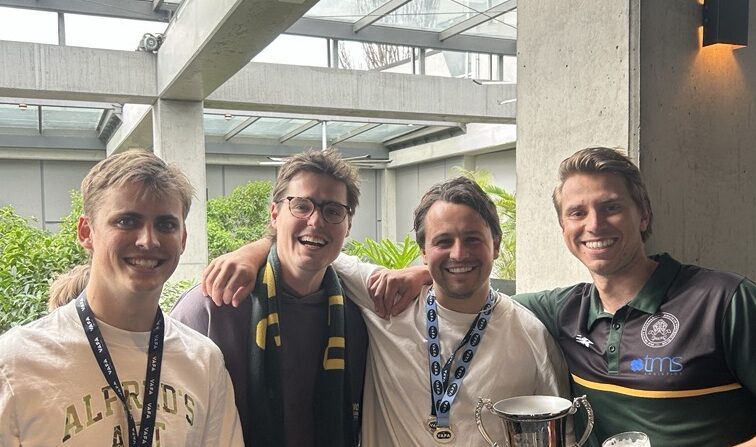
Matt, Charlie Emery, Nick and Ed.
“The lessons I continue to learn from him go far beyond the day-to-day work we do.”
Starting a professional career during COVID lockdowns created additional challenges, but Nick says small moments of connection made a long-lasting difference.
“Even though we started in different teams, Ed would always check-in,” he says.
Nick says that some of the strongest mentoring moments for him happened outside the office, through his and Ed’s shared involvement with the Old Trinity Football Club.
“It created a different relationship where we could take our heads out of spreadsheets and connect on a personal level,” he explains.
One conversation in particular stayed with Nick.
“Ed said to me, “Accounting is a long game, mate. We’re both in this for the long haul.”
“That always stuck with me because it felt like he genuinely believed we could achieve something great together, even when I was fresh and didn’t know the first thing about accounting”.
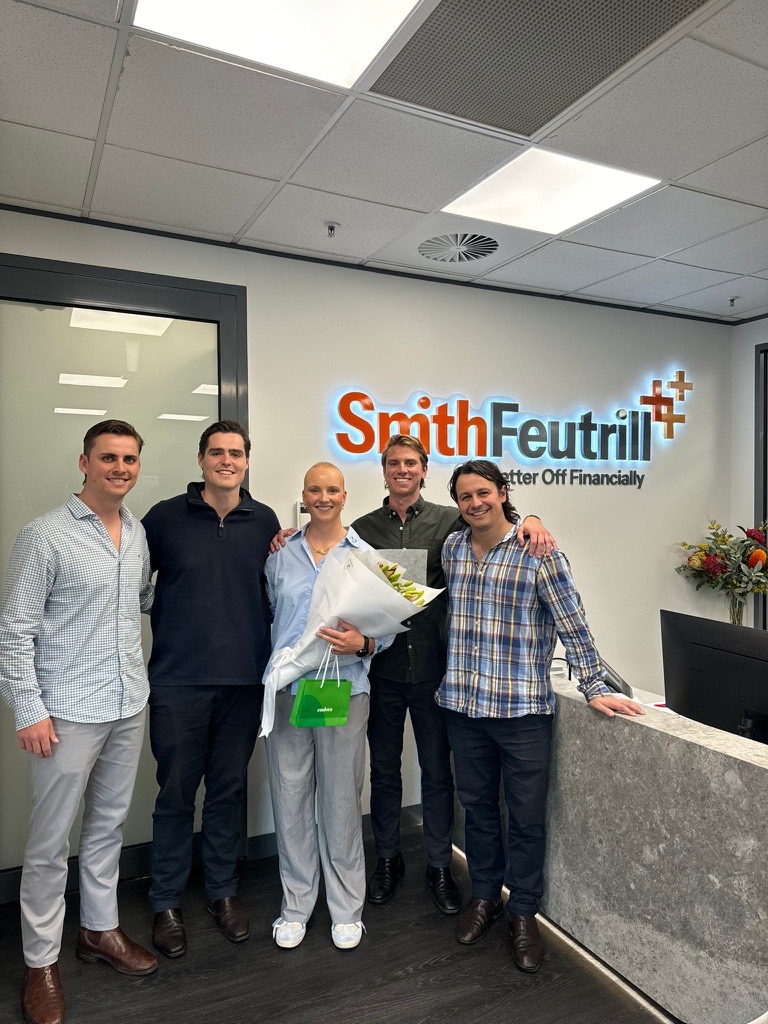
Matt, Charlie, Ed and Nick with Jean Mitchell, Olympian and former Ruyton Girls’ School student, who recently shared her inspiring story with Smith Feutrill staff, reflecting on her battle with cancer and her journey to representing Australia in Olympic rowing.
Qualities of a great mentor
For Matt, Technology and Innovation Lead at Smith Feutrill, support from mentors made his transition into professional life much smoother.
“Starting your first professional role can be intimidating,” he reflects.
“Having someone like Ed to learn from and ask questions of made that move so much easier”.
Matt believes one of the defining qualities of great mentors is genuine care.
“The best mentors combine expertise with a real interest in the people they are helping.”
“They are generous with their time. They create an environment where you feel comfortable asking questions, challenging your thinking and continuing your learning.
Learning that goes both ways
Nick and Matt both hope to one day provide the same level of encouragement they have received.
“If I can provide that same level of support and guidance to others in the future, I’d be very proud of that,” Matt says.
For Ed, one of the most valuable parts of mentoring is the learning and the opportunities for both sides.
“I believe leaders need to remain open-minded and willing to learn from younger employees,” he reflects.
“The best lessons often go both ways. If a leader develops a superiority complex, they’re probably closing themselves off to further growth and improvement.”
At its best, a great mentor-mentee relationship is not simply about passing knowledge down from one generation to the next. It is built on trust, mutual respect and a commitment to continue learning together.