
- Winter 2026





Reunions and events
Snapshots from recent OTG events
Class of 2021 – 5 Year Reunion
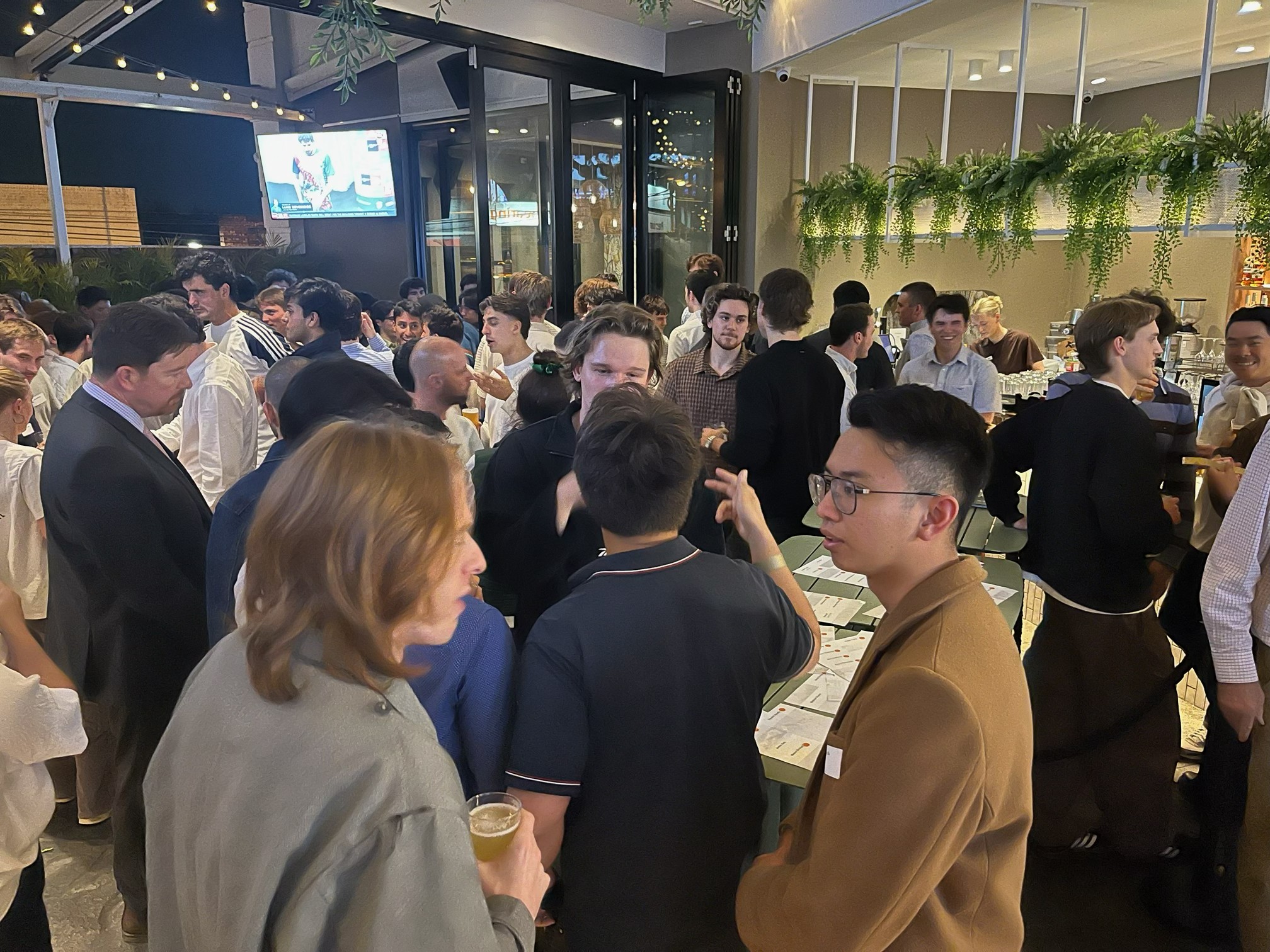
It was great to see a large group of 2021 leavers and their teachers at their recent reunion held in April at Skinny Dog. With a great turnout, it was a pleasure to reconnect and see where five years beyond school had taken the cohort.
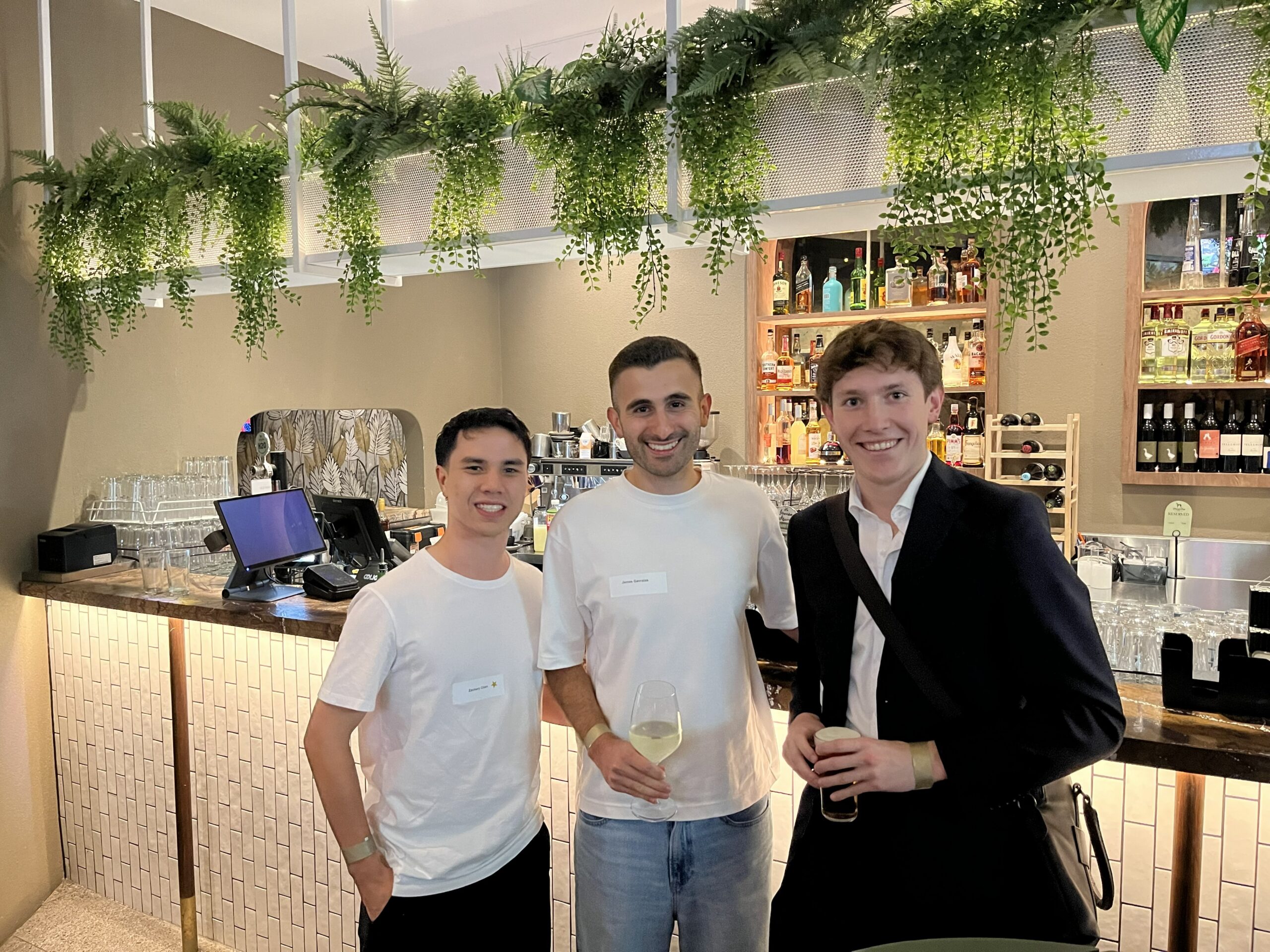
Zachary Chen, James Gavralas and Henry Davis
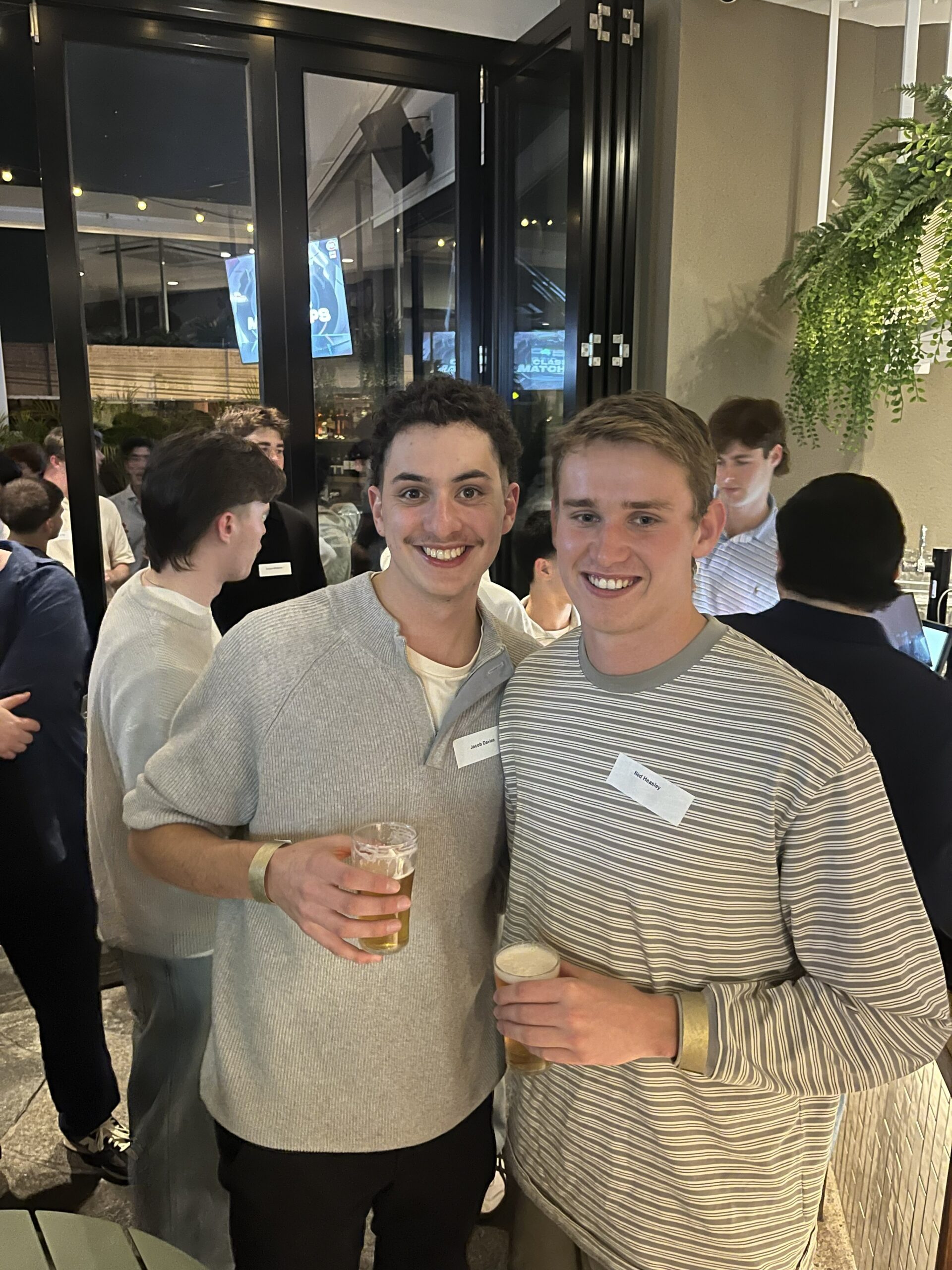
Jacob Davies and Ned Heasley
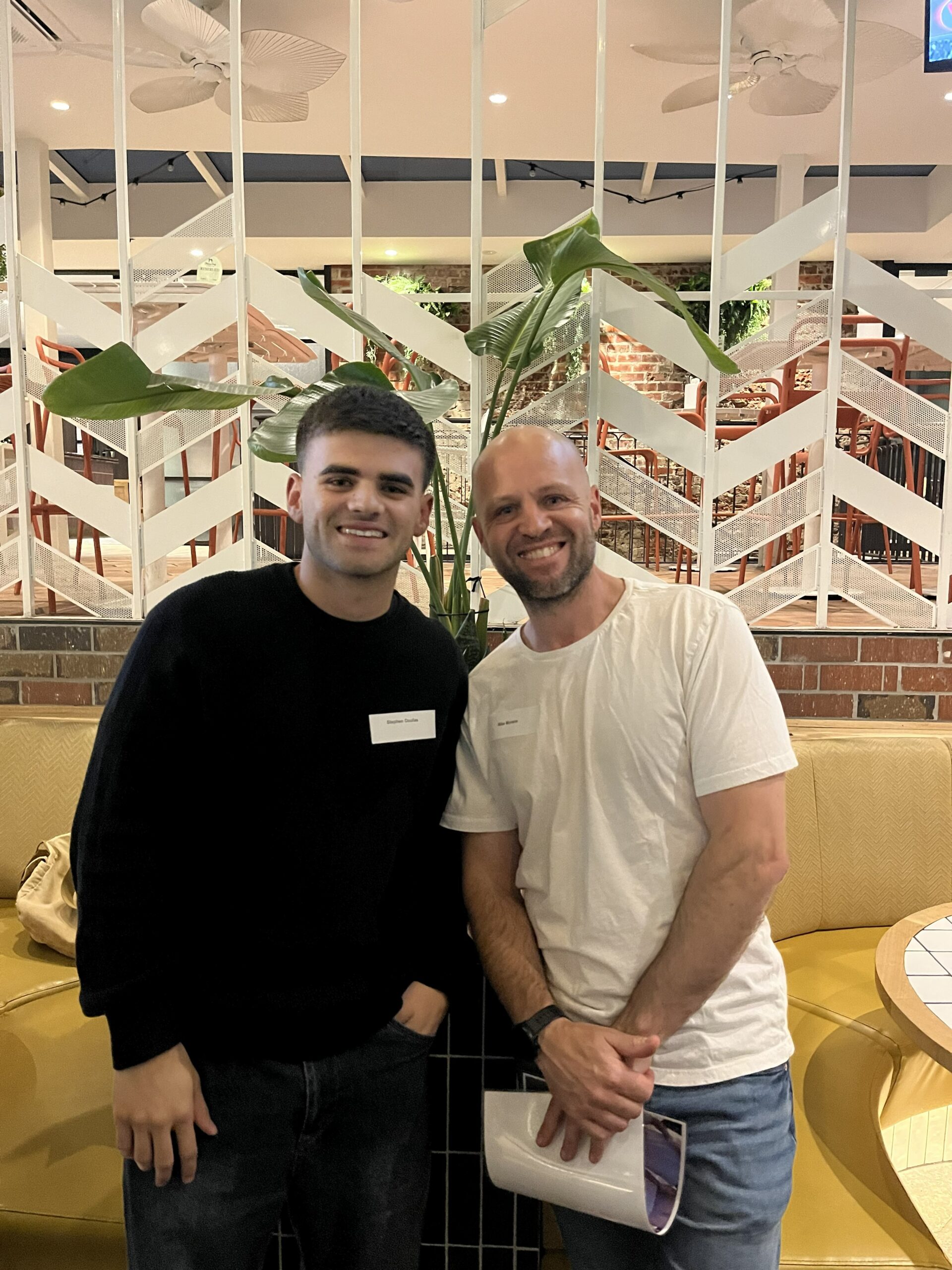
Stephen Doufas with Mike Moreira
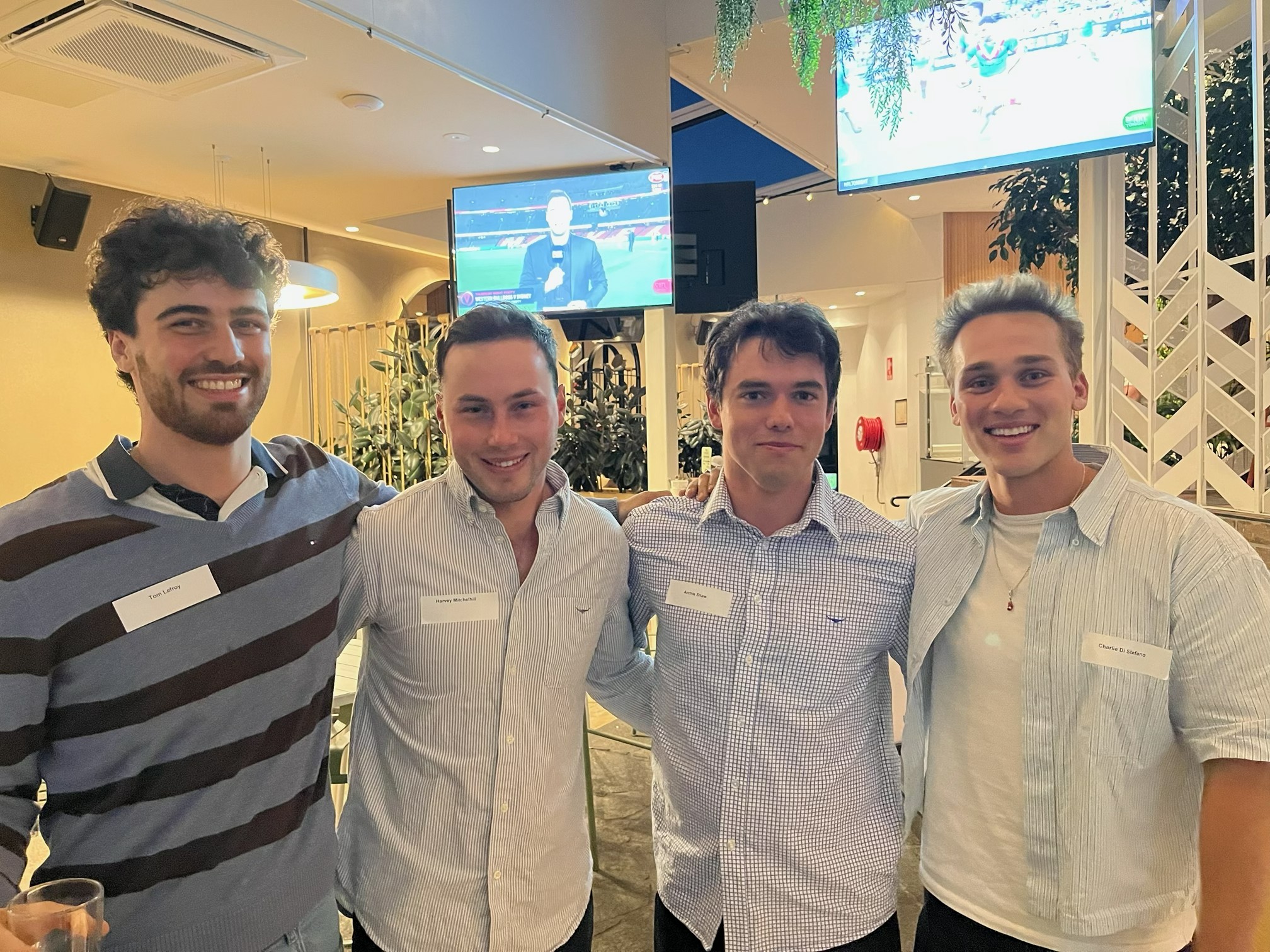
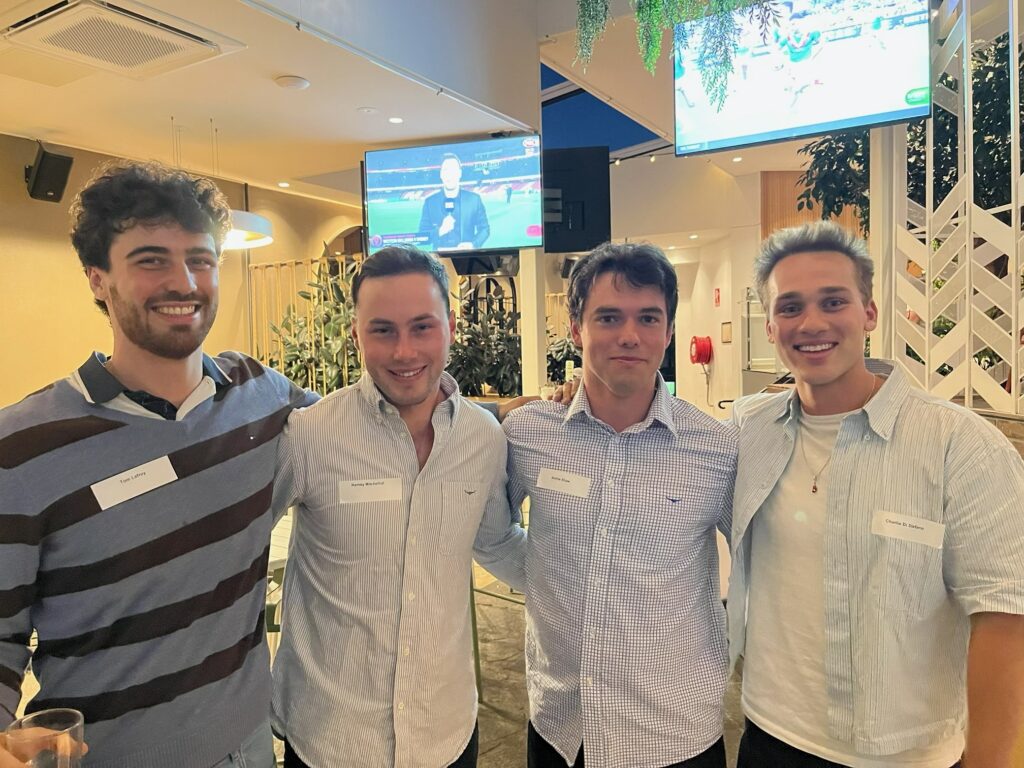
Tom Lefroy, Harvey Mitchelhill, Archie Shaw and Charlie Di Stefano

OTG Dad’s Night
Old Trinity Grammarians who are now parents of current Trinity students came together in May for a special catch‑up. The event included a tour of the Senior School, showcasing recent improvements to the school, including the Tudor Centre and its rooftop space.
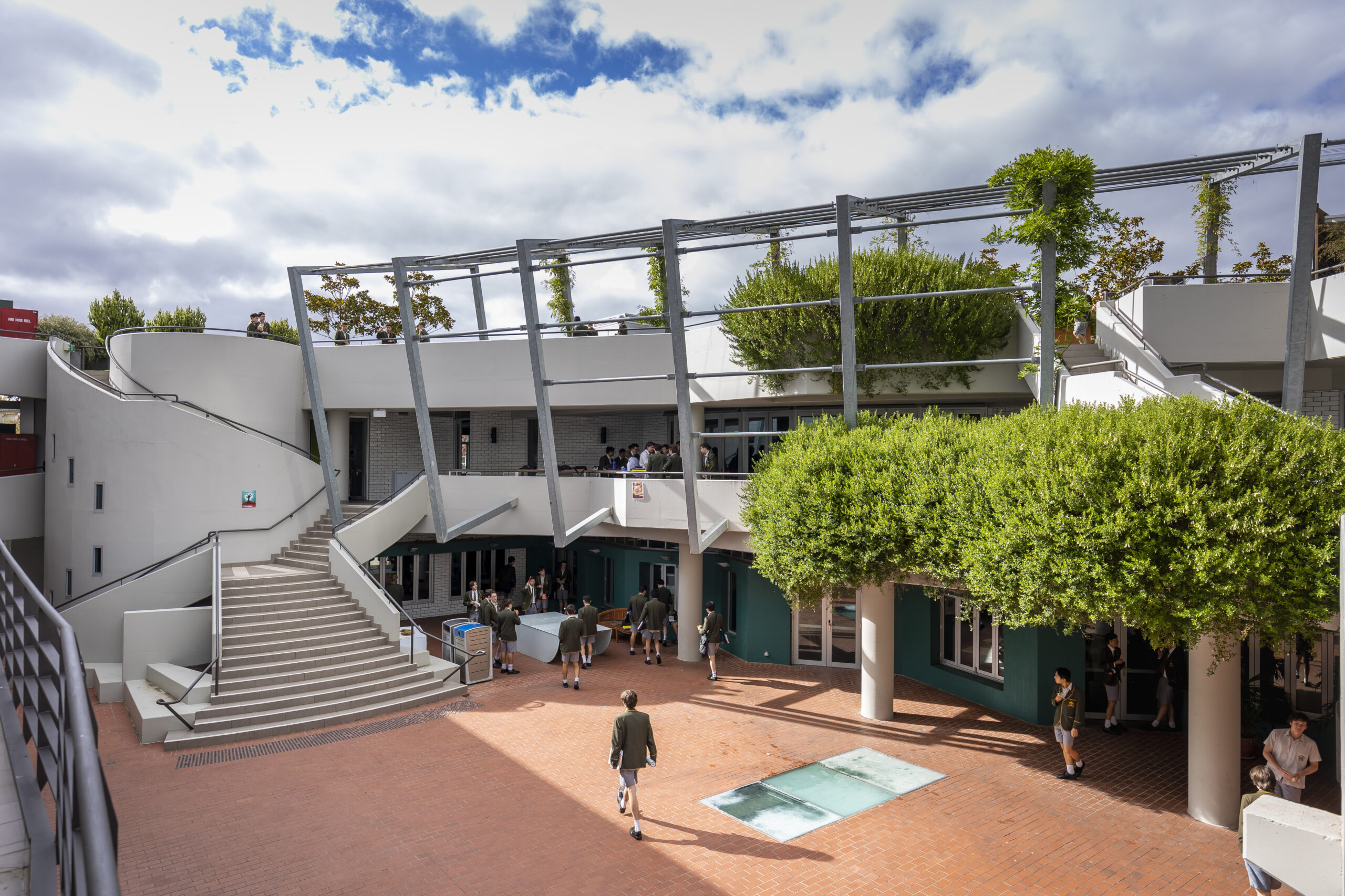
Classes of 1986 and 1996 – 30 and 40 Year Reunions
The 1996 30‑Year and 1986 40‑Year reunions were held in May, bringing together two cohorts who, despite not overlapping in their Senior School years, discovered many shared connections. These included common teachers, involvement in OTG clubs and similarities across their professional journeys.
Thank you to all who attended, particularly those who travelled from interstate, and to the former staff who joined us on the night.
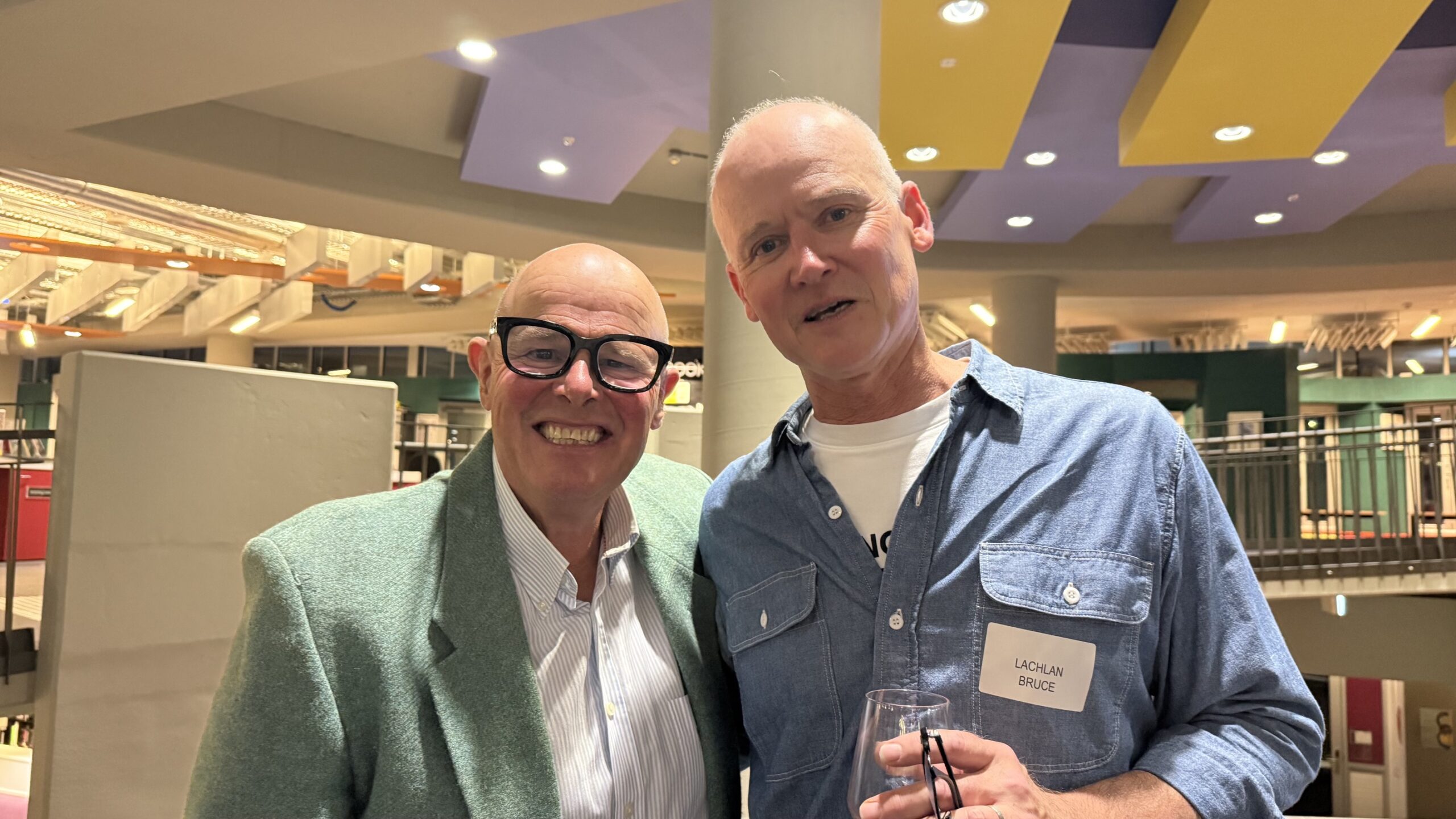
David Ponsford and Lachlan Bruce
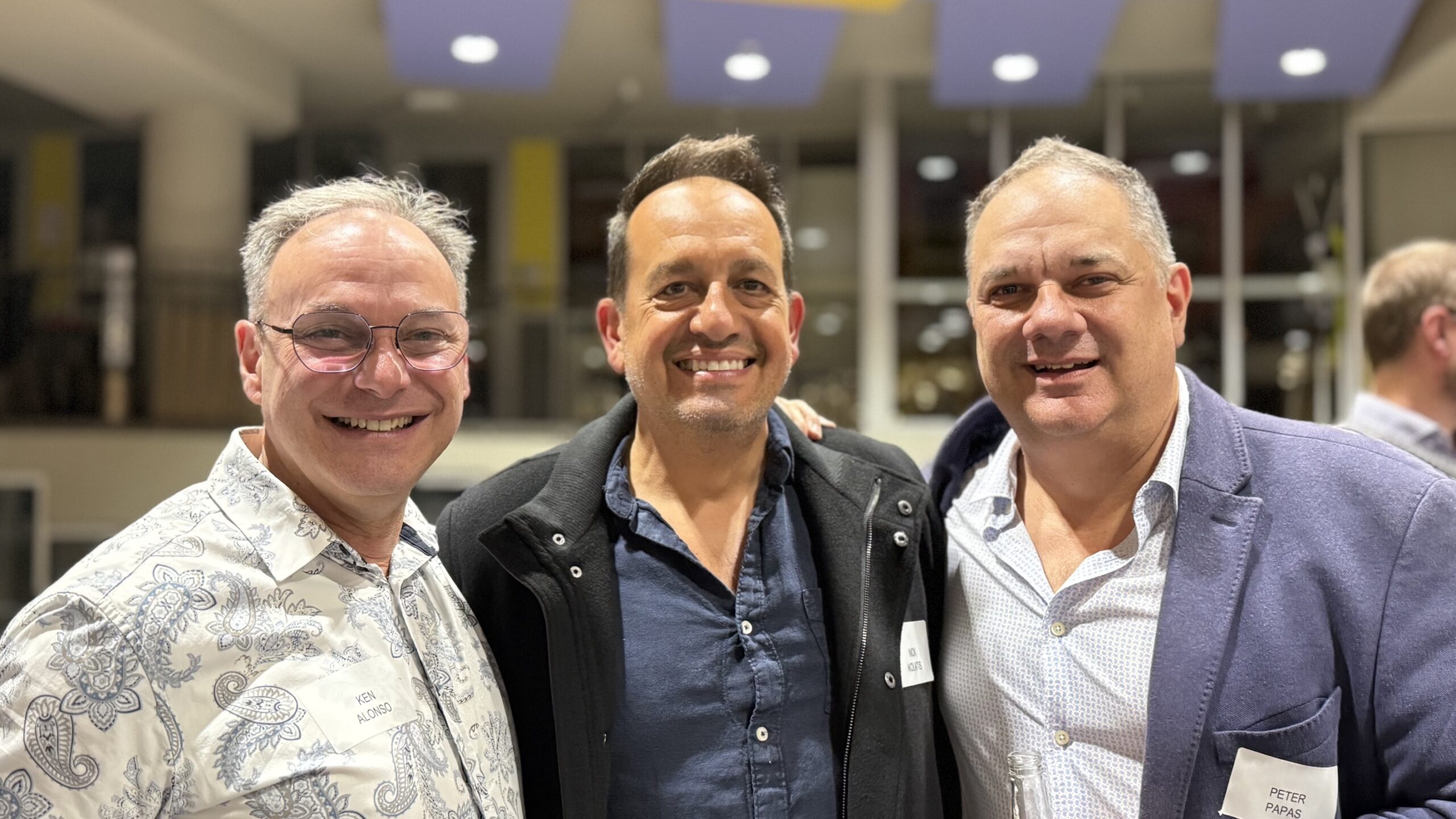
Ken Alonso, Nick Kolaitis and Peter Papas
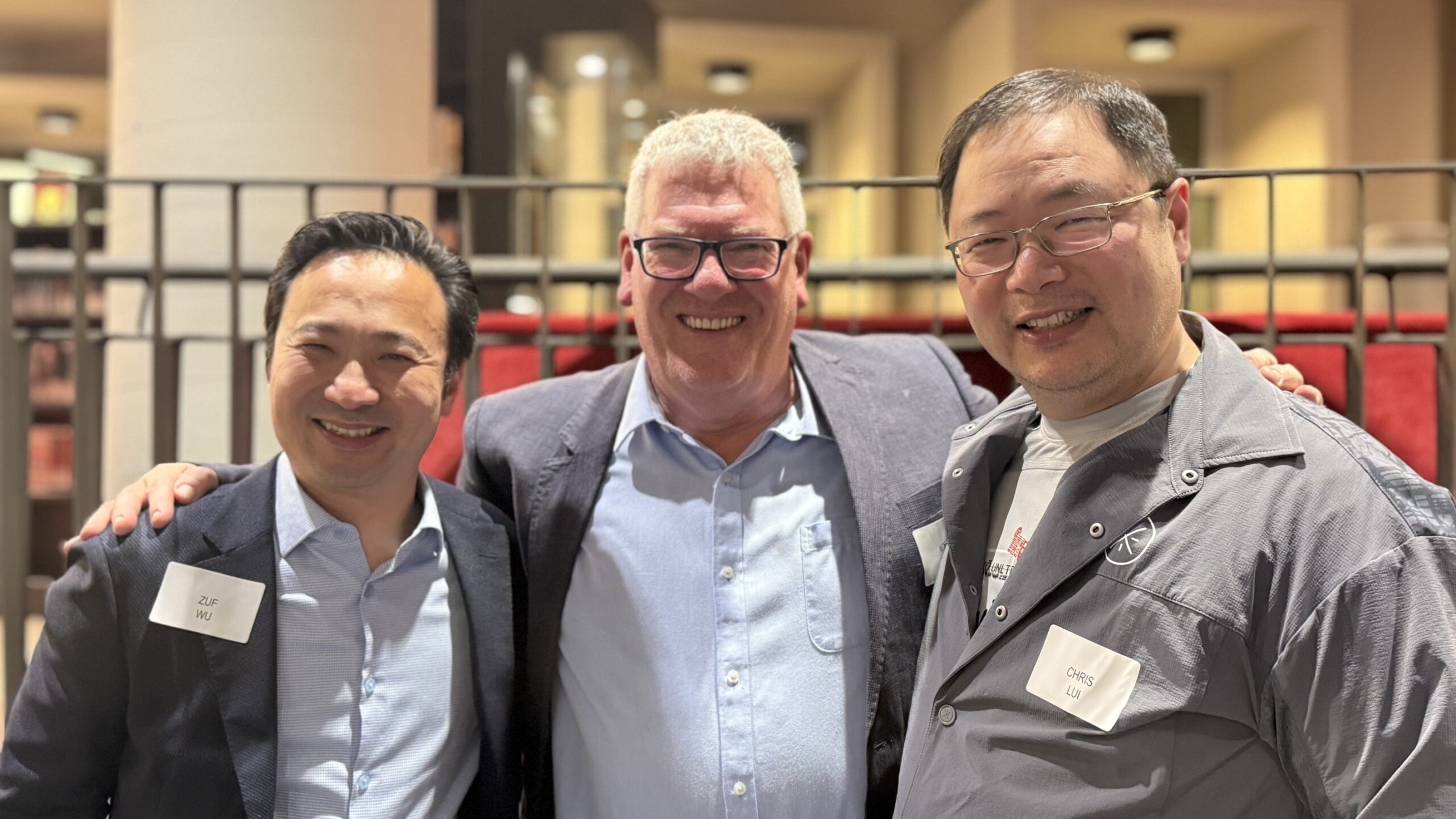
Zuf Wu, Noel Boys and Chris Lui
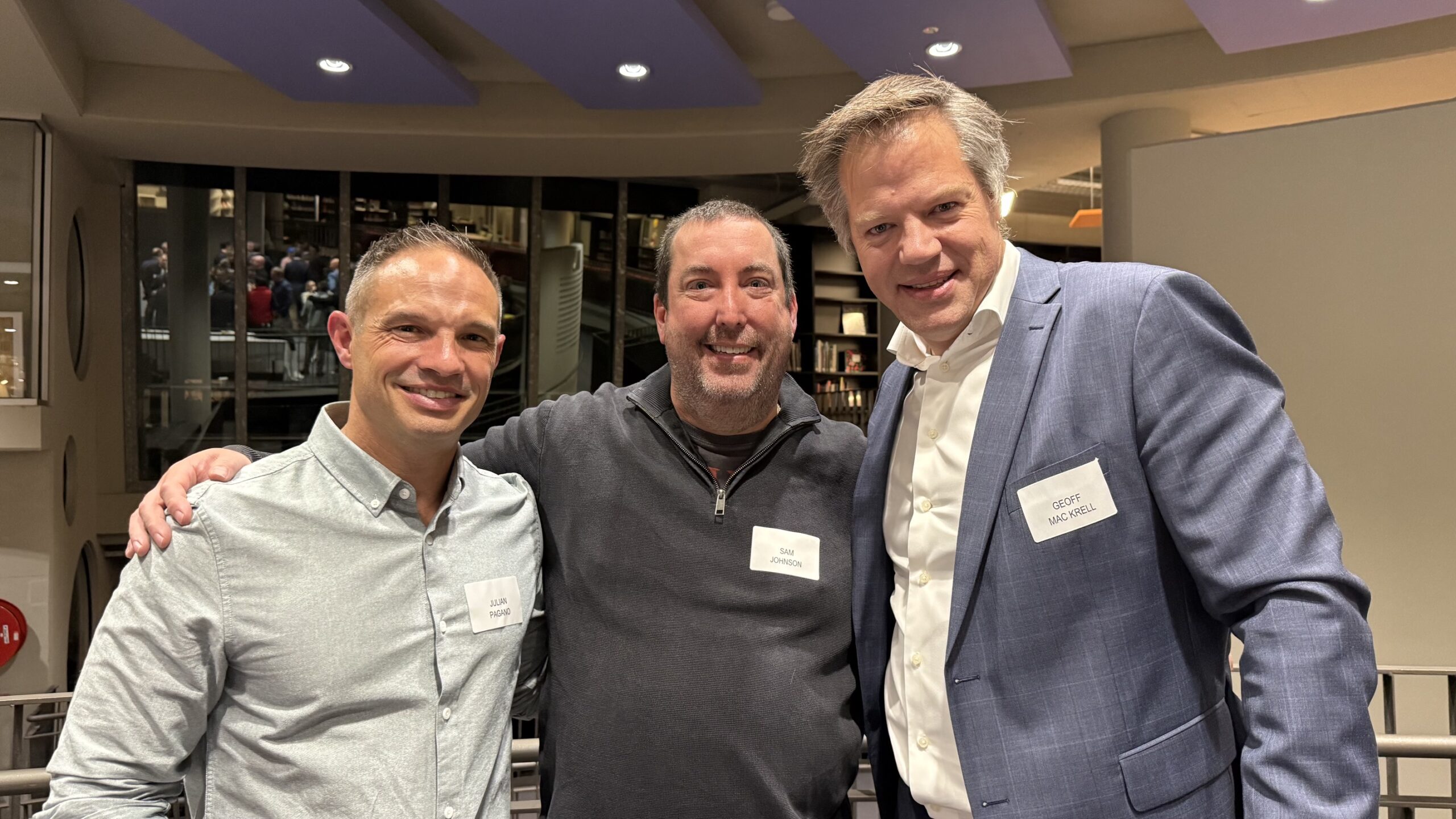
Julian Pagano, Sam Johnson and Geoff Mac Krell
Class of 2006 – 20 Year Reunion
The Class of 2006 marked their 20‑Year Reunion in June, reconnecting and celebrating two decades since their time at Trinity.
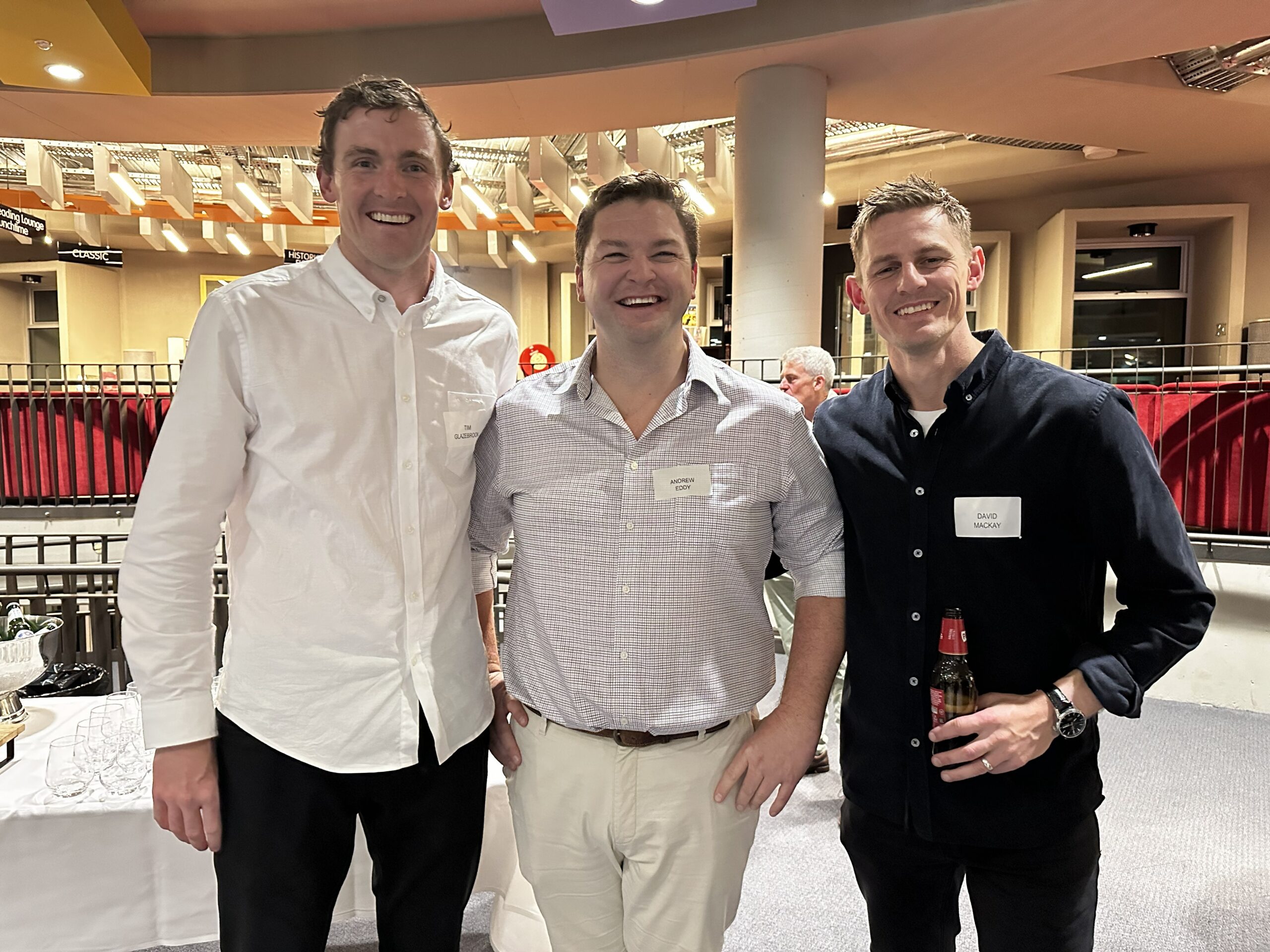
Tim Glazebrook, Andrew Eddy and David Mackay
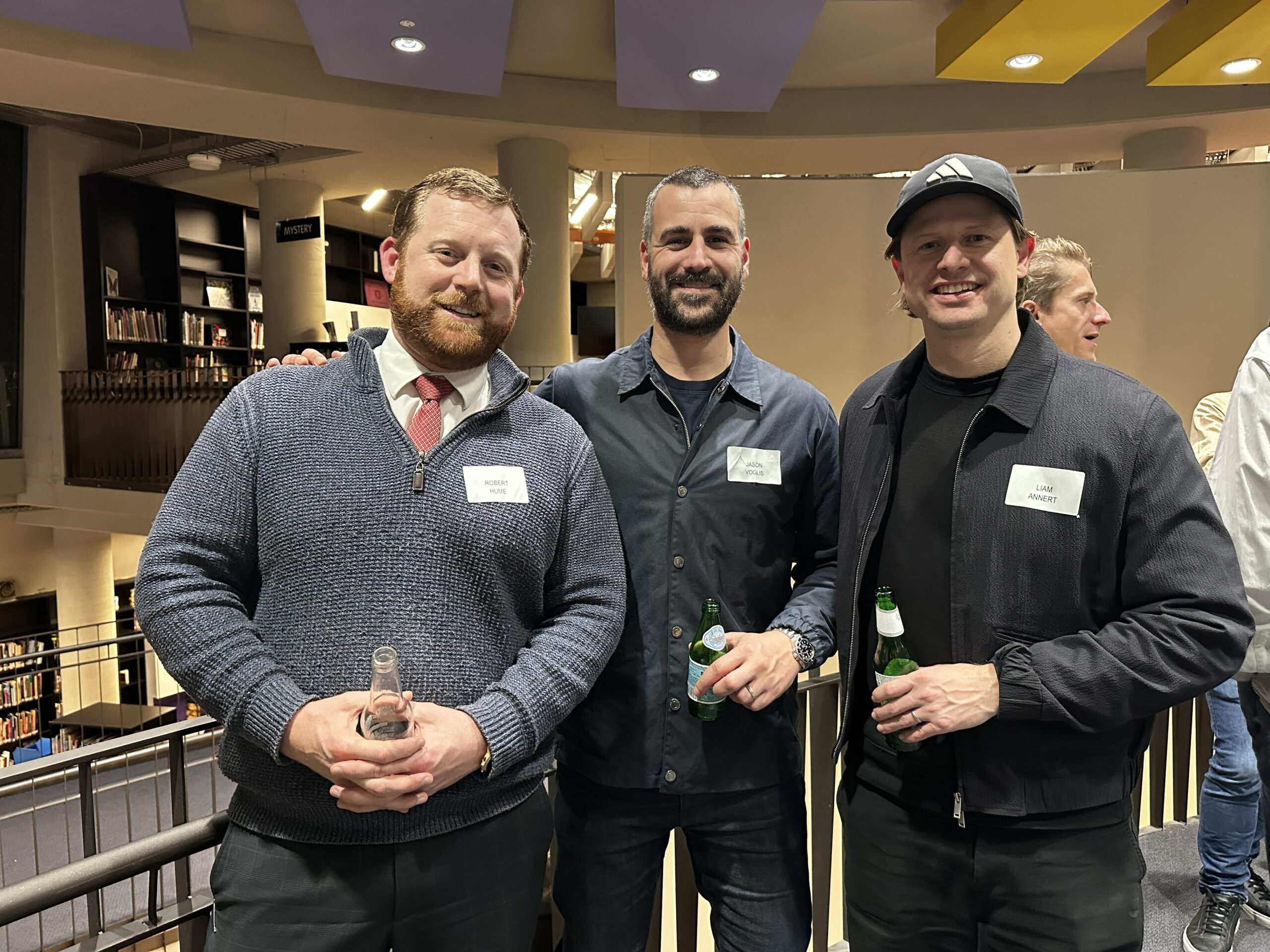
Robert Hume, Jason Voglis and Liam Annert
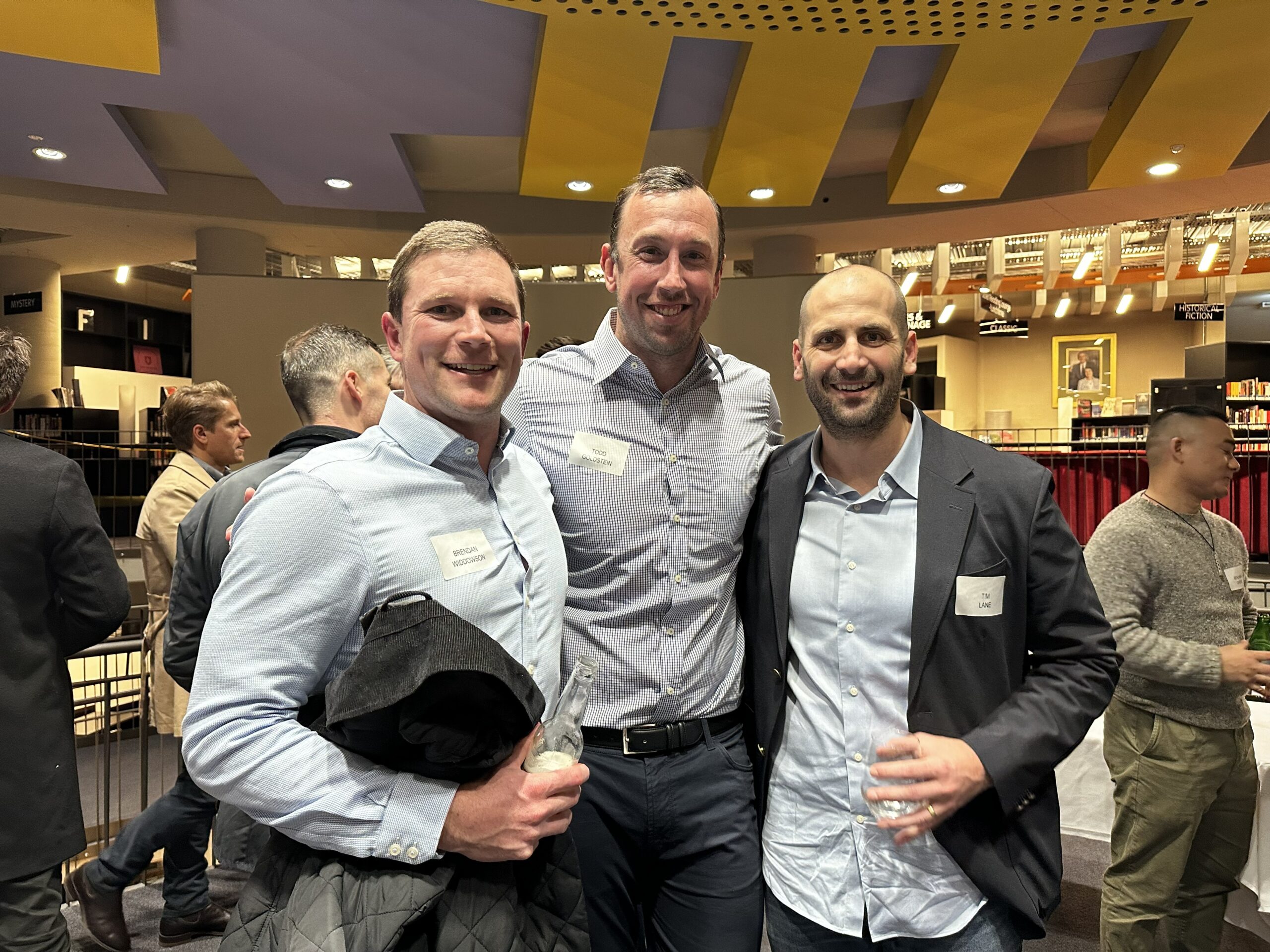
Brendan Widdowson, Todd Goldstein and Tim Lane

Keep in Touch
Help us stay in touch by keeping your details up to date, ensuring you receive the latest school news and invitations to reunions near and far. You may do this by contacting us at otg@trinity.vic.edu.au or by joining our alumni platform OTGO.net.
OTGA CBD Lunch
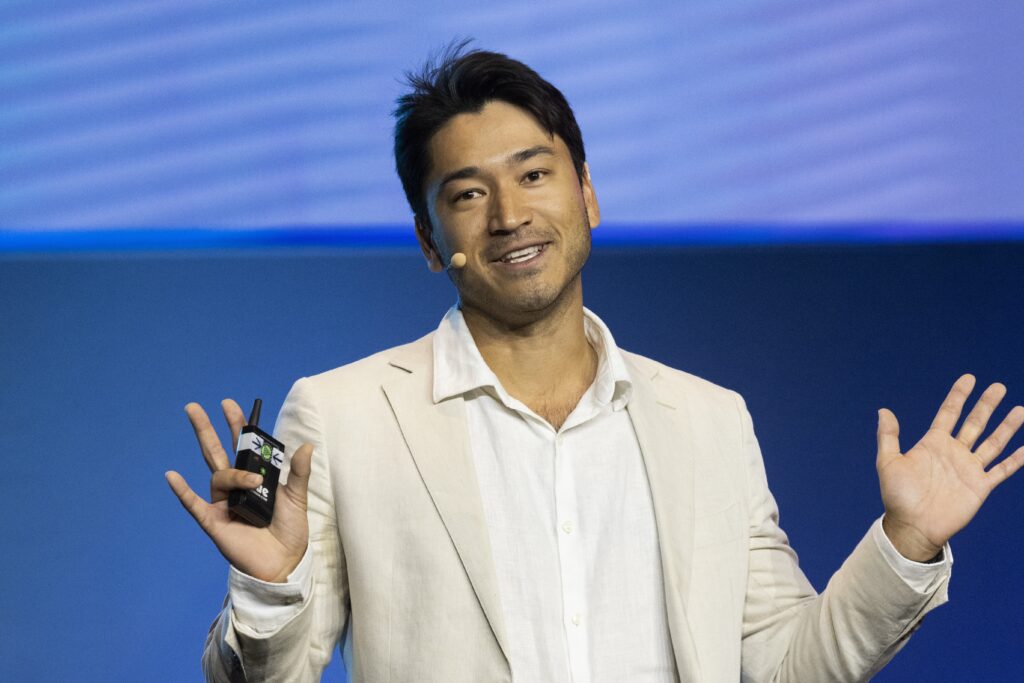
Following the sold‑out 2025 OTGA CBD Lunch, a capacity crowd returned to the Australian Club for an insightful economics masterclass. Guest speaker Matthew Tan, Head of Asset Allocation at LGT Management, delivered a compelling and highly engaging overview of global markets in a clear and accessible format.
We extend our thanks to Lino Salzano (OTG 2018), Partner and Advisor at LGT, for facilitating this opportunity.
Upcoming Dates
Sydney and Canberra Gathering
Class of 2016 – 10 Year Reunion
The Class of 2016 will soon receive invitations to their 10-year reunion, to be held on Thursday 10 September in the Senior School.
Class of 1976 – 50 Year Reunion Party
The ‘Year 12’ Class of 1976 is organising a 50 Year Reunion Party. The event will be held at the Skinny Dog Hotel in Kew on Wednesday 26 August, starting at 6.30pm.
The cost will be $45, payable upon arrival, which will cover pre-dinner nibbles and then a limited ‘a la carte’ choice of main meal. The cost will also help to fund the meals of a few special guests (we are inviting a few of our old teachers).
During the night there will be a slideshow of photos and memories from our era as well as a few words from our MC for the night, Leigh Hodges, and likely one or two other former Class of ’76 students.
It will be a memorable occasion. Please contact Peter Beer at peter.beer25@gmail.com if you would like to attend. Seats are limited (really!), so we need to know exactly who is coming.
We hope to see you there!

2026 OTGA Community Breakfast
Members of the Trinity Community are invited to join us for a morning of connection, inspiration featuring an extraordinary keynote address by
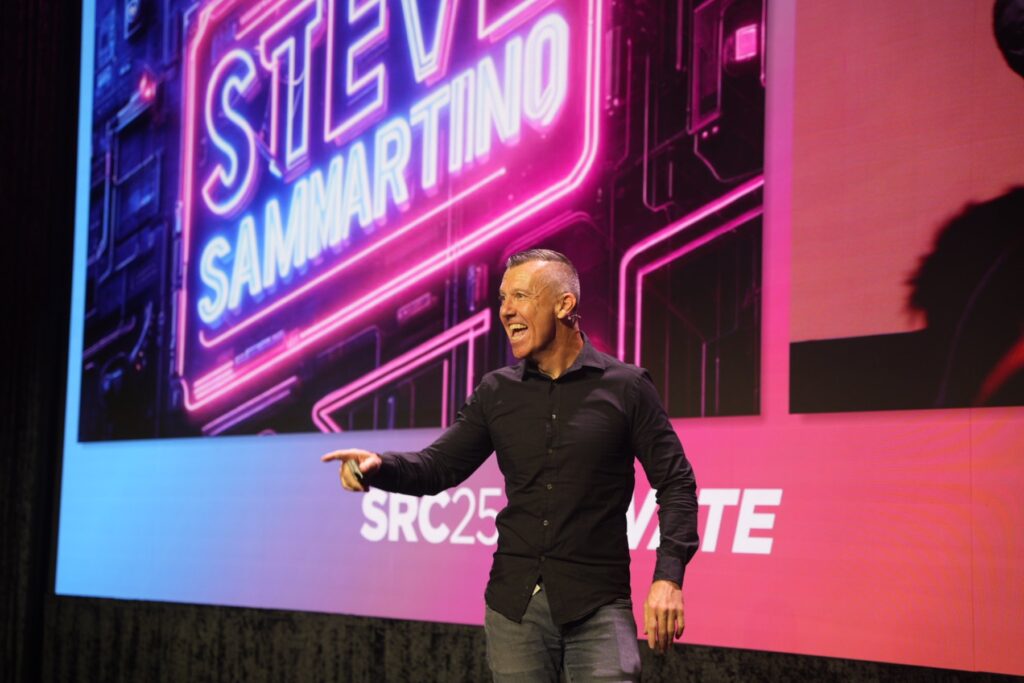
Steve Sammartino – Australia’s Leading Futurist and Keynote Speaker
Steve is Australia’s leading futurist, AI specialist, entrepreneur, author and respected media commentator, widely recognised for his engaging and practical insights, Steve works with organisations around the world to explore the impact of emerging technologies. Click here to to read more about Steve.
Date
Friday 14 August 2026
Time
6.50am arrival
7.00am – 8.30am
Venue
Trinity Grammar School, Kew
Peter Crawley Centre for the Arts
Corner of Cotham Road & Charles Street
(enter via Charles Street steps)
Cost
$70 per adult / $55 per tertiary student / $30 for student / $520 table of 8 guests
Includes hot breakfast
RSVP
https://events.humanitix.com/2026-otga-community-breakfast
5/8/2026 or earlier if SOLD OUT
Keep in Touch
Help us stay in touch by keeping your details up to date, ensuring you receive the latest school news and invitations to reunions near and far. You may do this by contacting us at otg@trinity.vic.edu.au or by joining our alumni platform OTGO.net.
Diversity is a fact. Inclusion is a choice
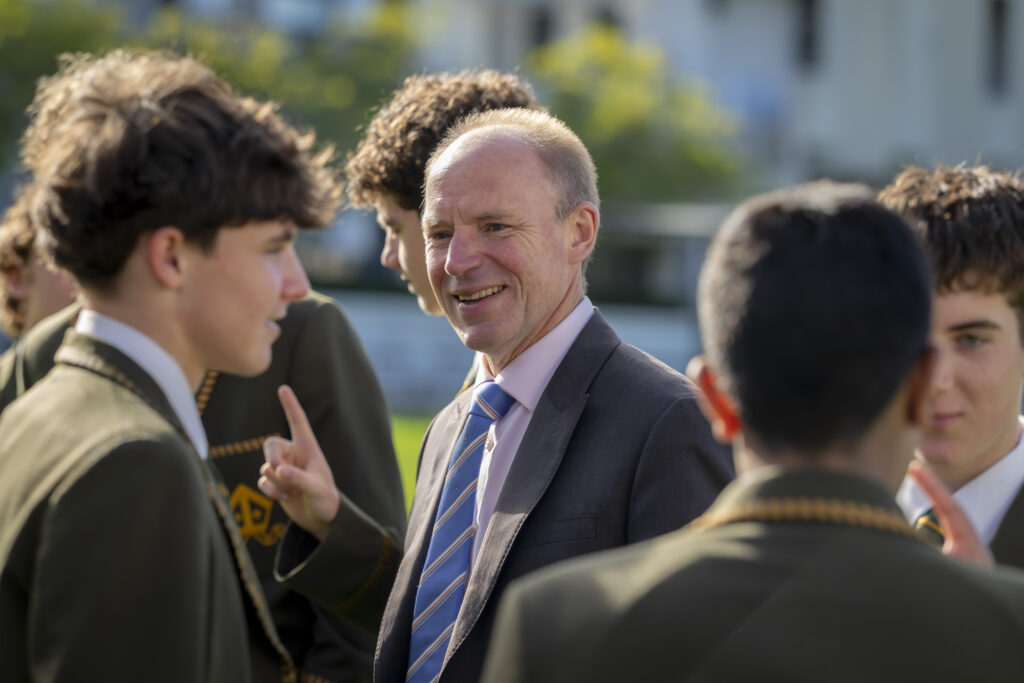
Adrian Farrer, Principal
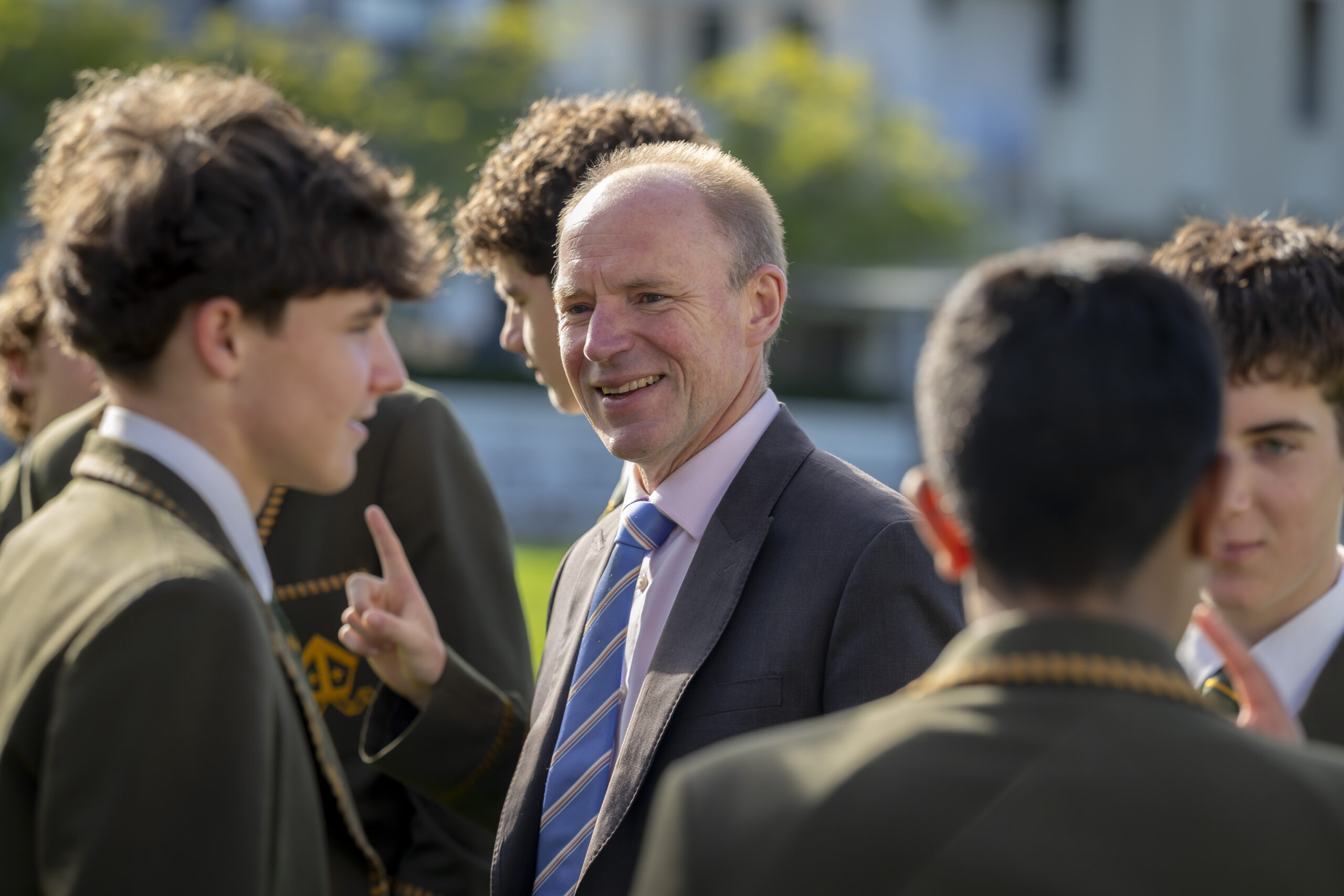
One of the greatest privileges of working in a school is witnessing the influence people have on one another. Every conversation, every act of encouragement and every example we set has the potential to shape a person’s journey. That is the essence of mentoring. It is also where leadership begins.
The best mentors and leaders understand that influence is not measured by titles or positions, but by the culture they help create and the values they model. They listen, they include, they show respect and help others feel like they belong. The diversity of our school is one of its greatest assets, but diversity alone does not create belonging. Diversity is a fact. Inclusion is a choice – one that every generation of our community must consciously make.
A photograph of Trinity’s student body from 1911 hangs in our Boardroom. Among the 267 students pictured, only one boy had a surname that would have been considered outside the school’s predominantly Anglo-Saxon community. I often wonder what his experience of Trinity was. Being noticeably different, did he feel that he truly belonged? Did he feel he had a voice? Those questions are worth asking because they challenge every generation to consider the culture it creates.
Today, our community reflects a far broader range of cultures, backgrounds and perspectives. We are richer because of that diversity. Yet, like every school, we are part of a broader society and are not immune from its challenges. In a boys’ school there can sometimes be pressure to fit a particular mould – to look a certain way, act a certain way, speak a certain way or hide vulnerability. Real strength lies in having the confidence to respect difference, show empathy and ensure others feel seen, heard and valued.
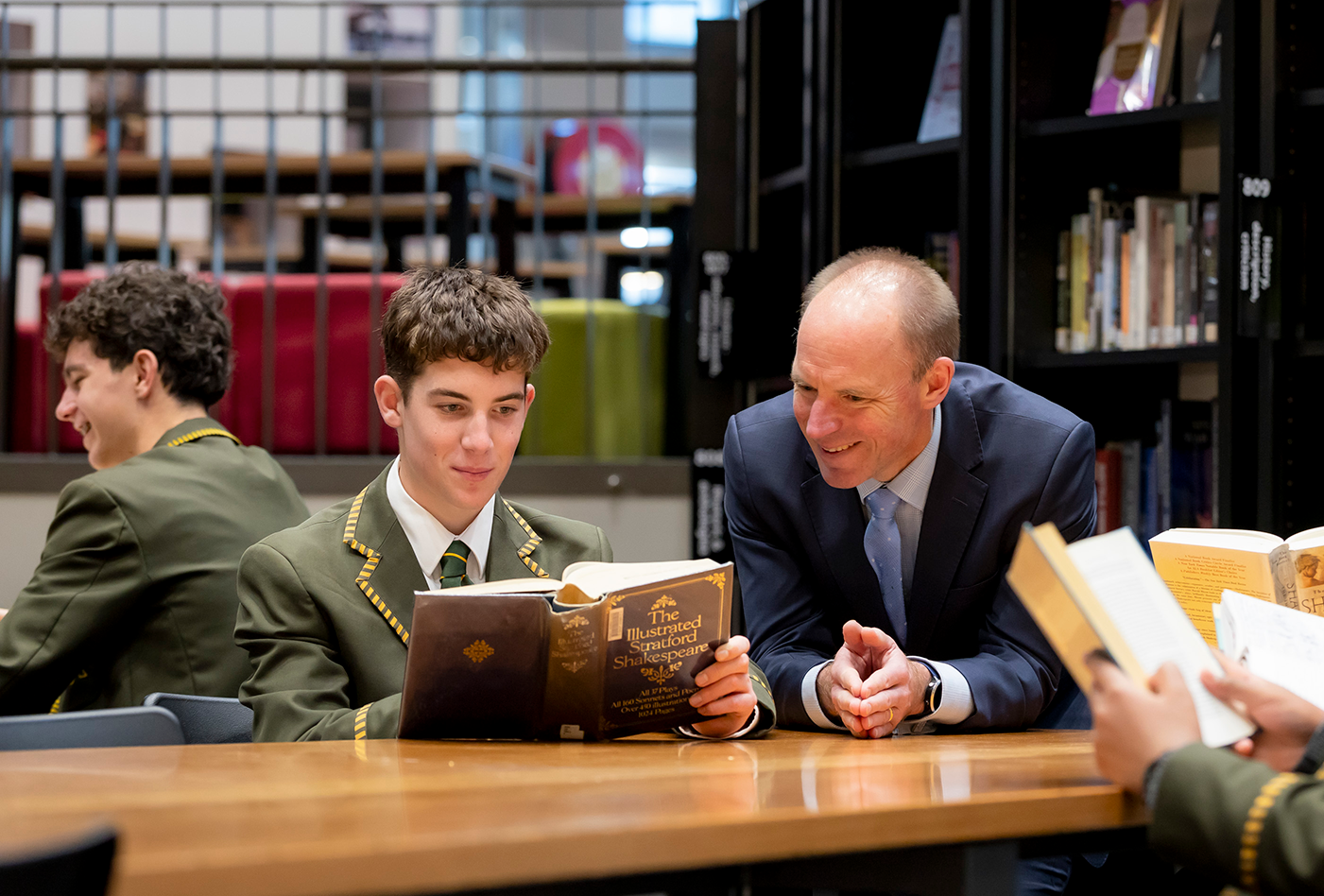
This responsibility is especially important in a world where young men are exposed to an unprecedented volume of information and competing messages about identity and what it means to be a man. Some of those messages present a narrow and distorted view of masculinity. More than ever, our students need mentors who encourage them to think critically, question what they see and hear, and return to the values that define good character: integrity, kindness, humility and respect.
This is one of the reasons inclusion matters so deeply. Inclusion is not simply about tolerance. It is about active respect. It is choosing to invite someone into the conversation. It is noticing the student standing alone. It is listening carefully when someone’s experience differs from your own. It is understanding that words matter, jokes matter and the culture we create together matters. Every one of us contributes to that culture every day.
Mentoring is one of the most powerful ways we shape that culture. Every interaction between a teacher and student, an older student and a younger one, a coach and an athlete, or simply between peers is an opportunity to demonstrate what thoughtful leadership looks like. These everyday moments teach young people not only how to succeed, but how to lead with empathy, humility and courage.

These everyday moments teach young people not only how to succeed, but how to lead with empathy, humility and courage.
– Principal, Adrian Farrer

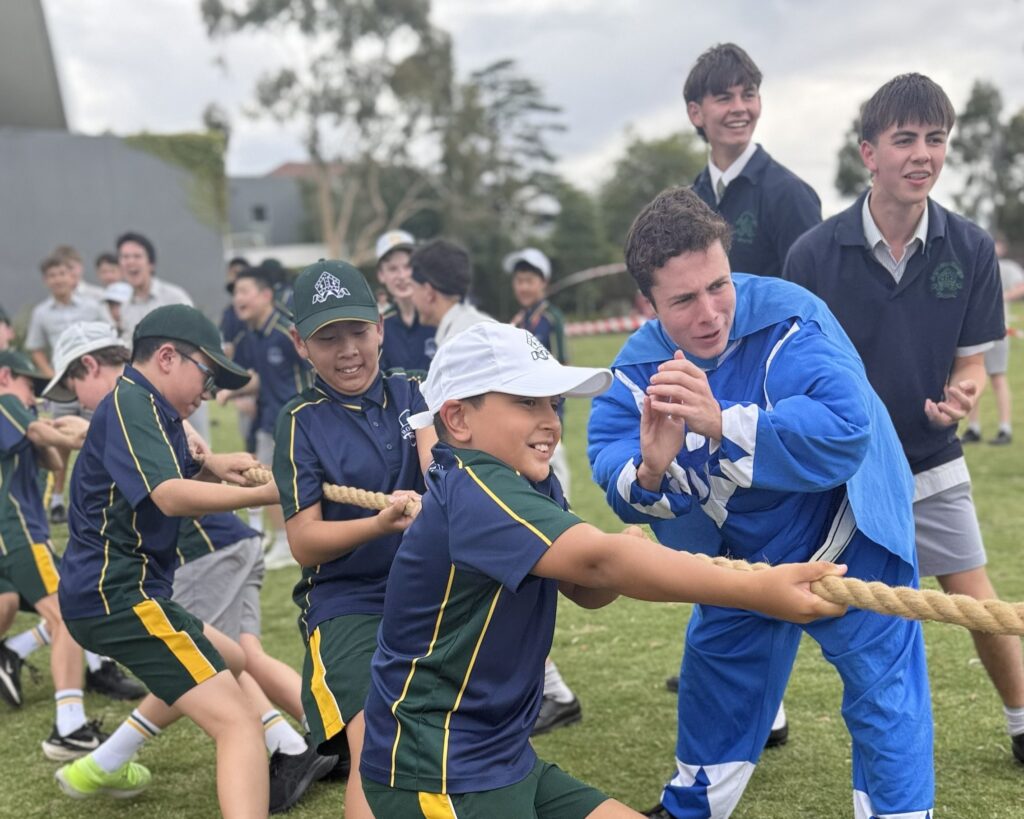
In Term 2, during the last day of our signature “Learning Journeys” program taking place at The Marles Playing Fields, I witnessed some of our young old boys working with our Year 8s in a mentoring role that has played out over many generations of Trinity boys. They were terrific. They guided rich and necessary conversations with the boys about masculinity and what it looks like in contemporary Australia. They talked about what it is to be an empathetic man. They reflected on the diverse versions of positive masculinity that they see around them in our community and beyond. It was a pleasure to see both age groups – the 14-year-olds and the 20-year-olds – engage in such meaningful ways over such important matters. Moments such as these help our students grow, and help us fulfil our role of growing them up to leave.
As our students move beyond the familiar surrounds of Trinity, they will enter universities, workplaces and communities that are increasingly diverse. Their ability to work with people different from themselves – with respect, humility and understanding – will define not only their success, but their character.
Ultimately, the measure of a great school is not only how well its students perform, but how well they care for one another. It matters how inclusive they are. If our students leave Trinity understanding that leadership begins with inclusion, mentoring begins with example, and every person deserves to feel known, valued and respected, then we will have prepared them not only for what lies ahead, but for the kind of people they are called to become.
Acknowledgement of Country
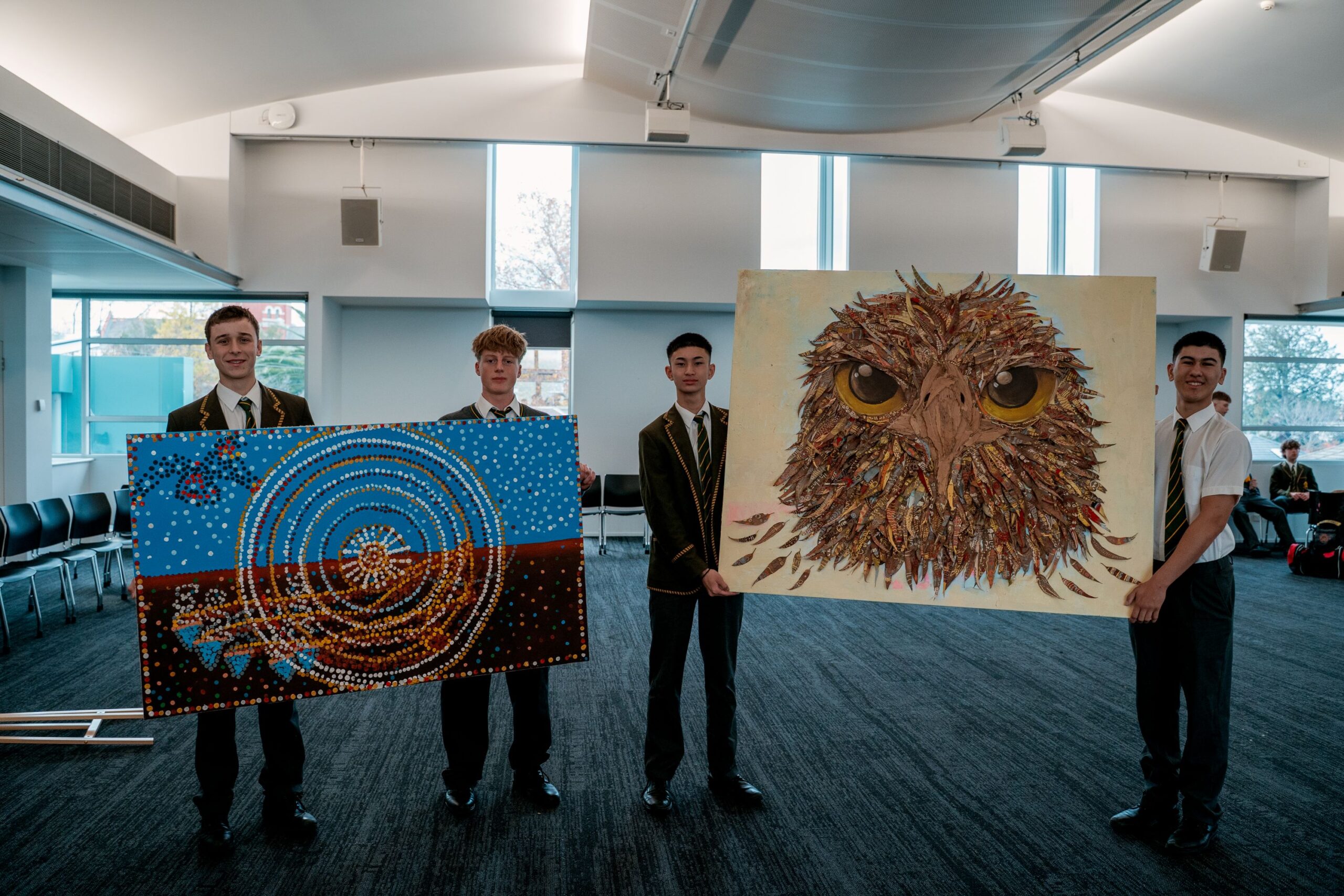
Trinity acknowledges the Traditional Custodians of the lands and waterways on which we come together.
We honour the Wurundjeri People of the Kulin Nation.
We pay our respects to their Elders – past and present – and celebrate the deep history of teaching and learning on these lands.
We also recognise the diverse contributions and experiences of all who have journeyed on this country, united in respect as we build a collective future.
"To me, sharing my country means keeping my culture alive and connecting deeply with others." - Year 9 student, Dylan.
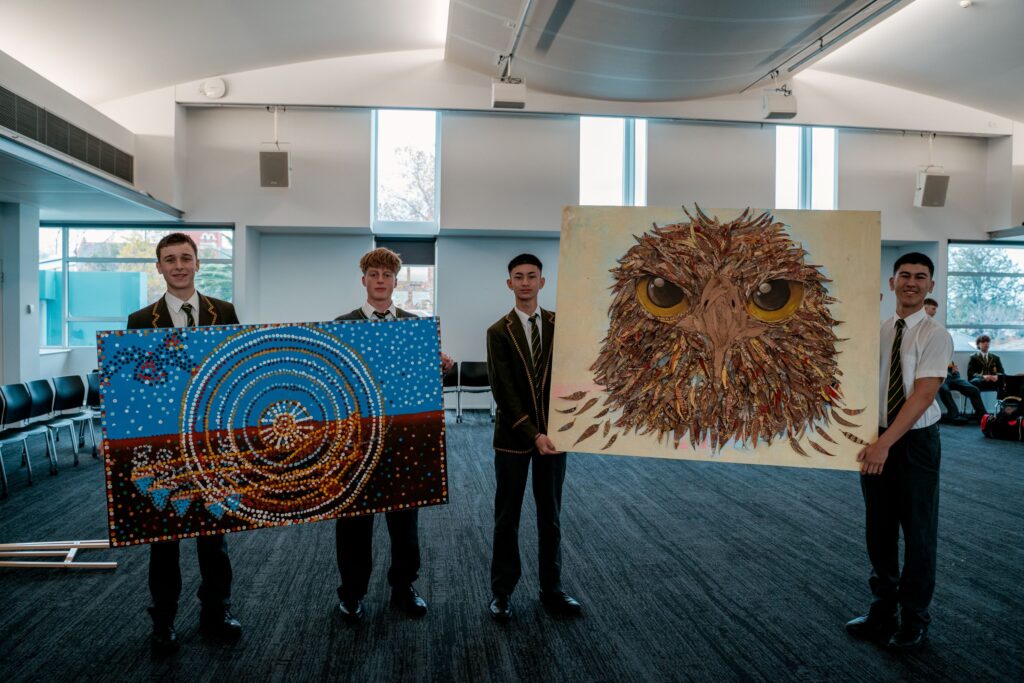
Our annual Reconciliation Camp took a group of Trinity students to East and West Gunditjmara Country in western Victoria, where they spent three powerful days deepening their understanding of culture, community and what reconciliation looks like in action.
Shining a light on the arts
School happenings across Term 2
Year 10 Photography
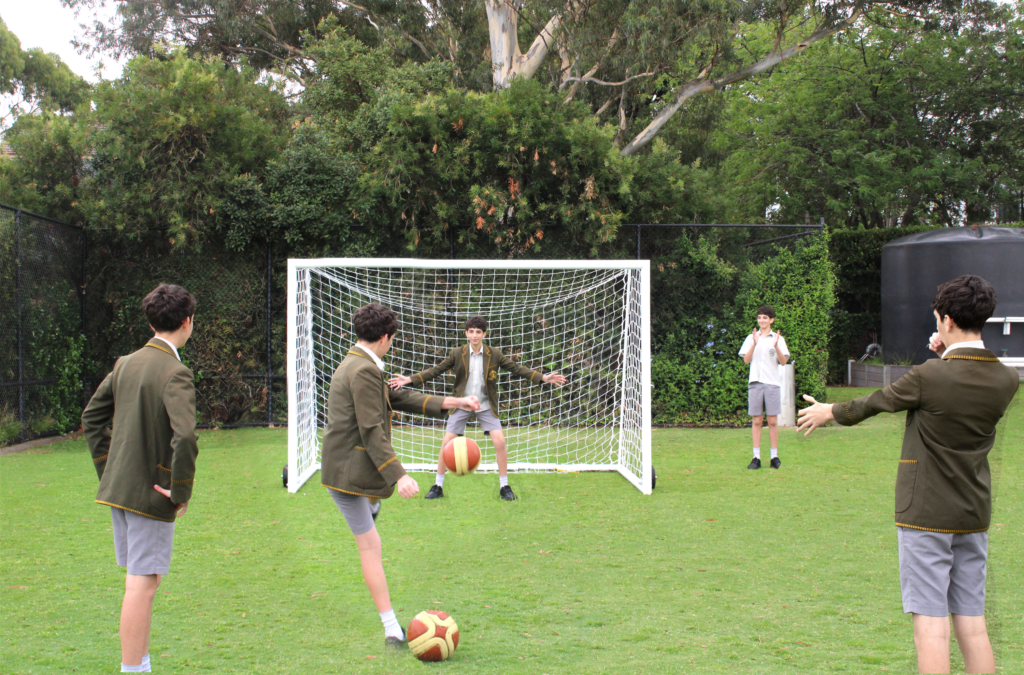
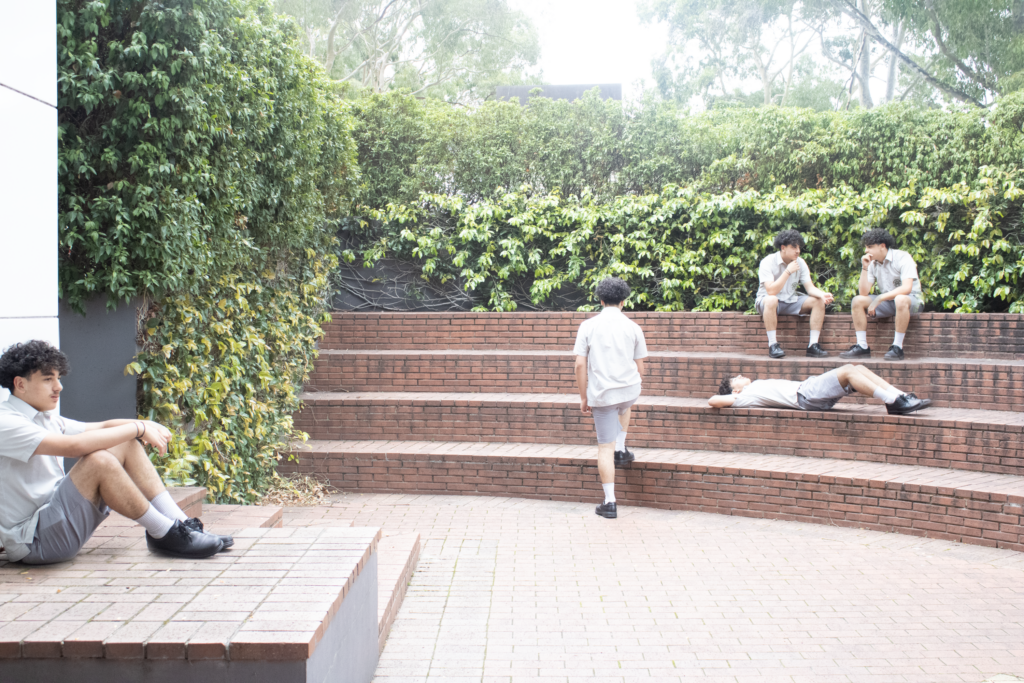
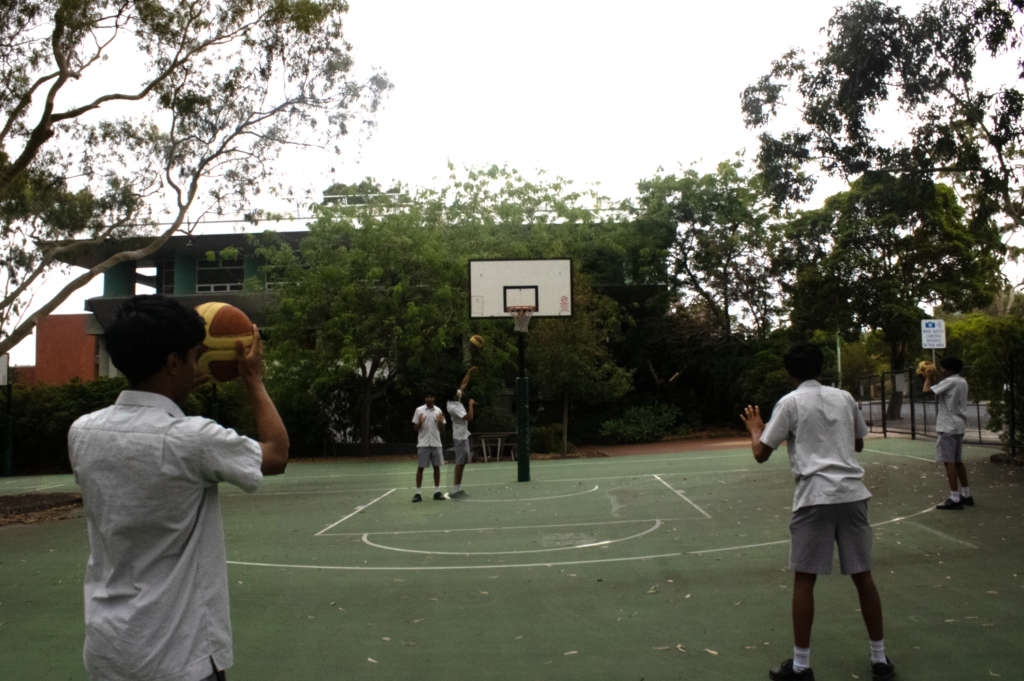
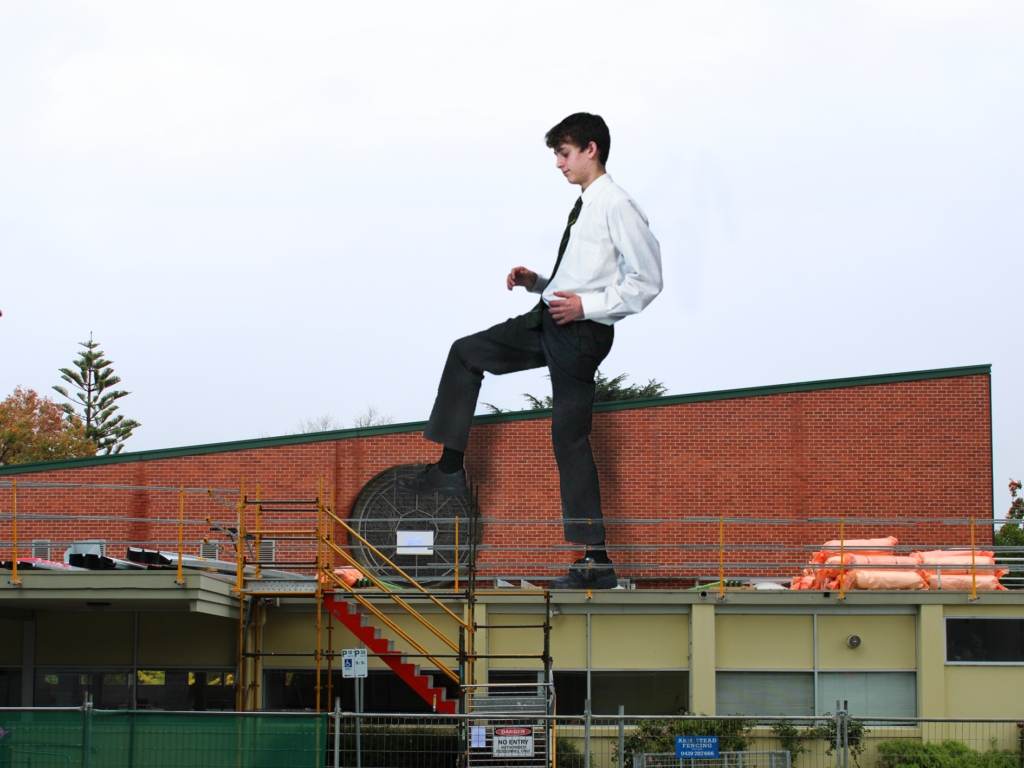

Small ideas, big imagination and multiple versions of the same students were on display, as Year 10 Photography students explored digital manipulation and compositing through two creative Photoshop tasks: Scaled Self and Multiple Me.
In Scaled Self, students manipulated scale to create convincing illusions of themselves as giant and miniature figures within real-world environments, carefully considering lighting, shadows, colour matching and composition.
In Multiple Me, students cloned themselves into a single image, applying skills in layers, masking and colour correction to create seamless final pieces.
Together, the tasks challenged students to combine creativity, technical skill and visual storytelling, showing what can happen when imagination meets digital editing.
Year 10 Filmmaking
Day in 60 Seconds – Cooper
Year 3 and 4 Plays
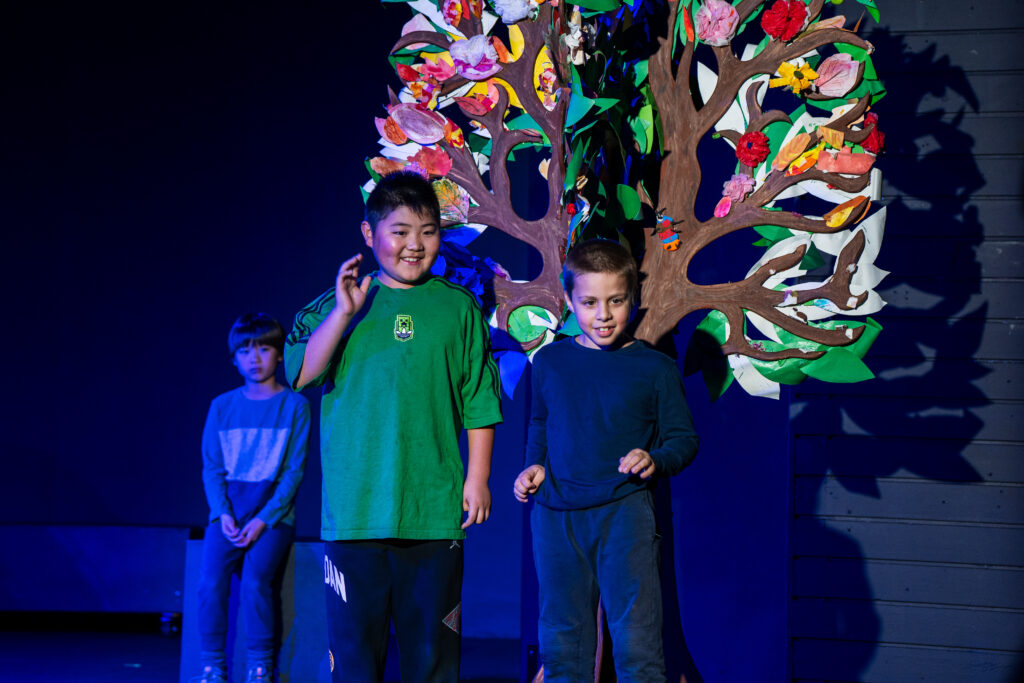
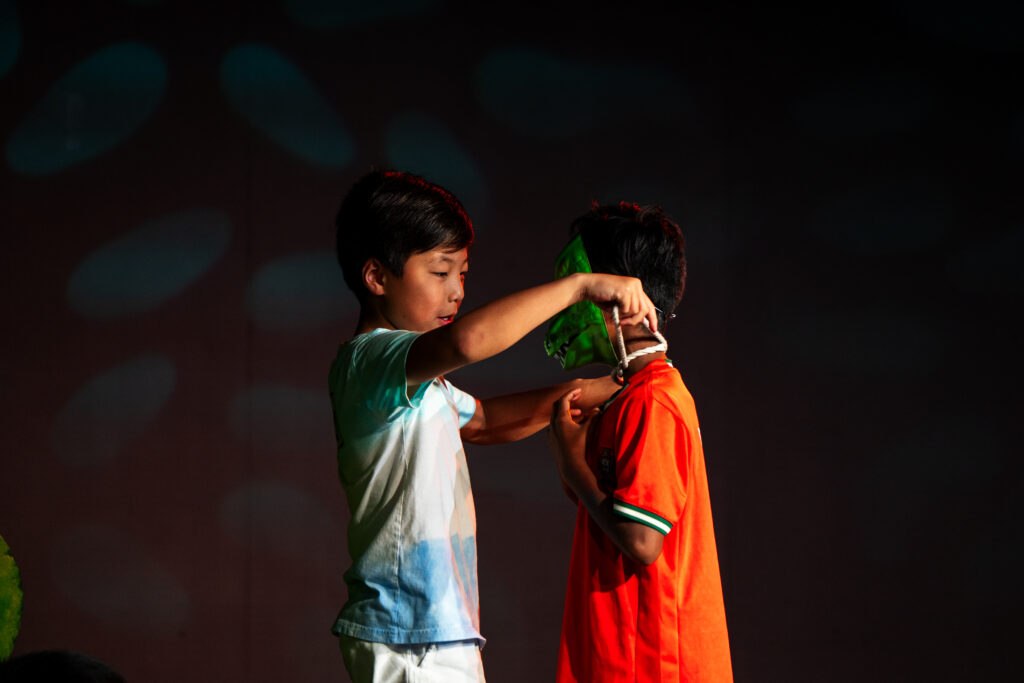
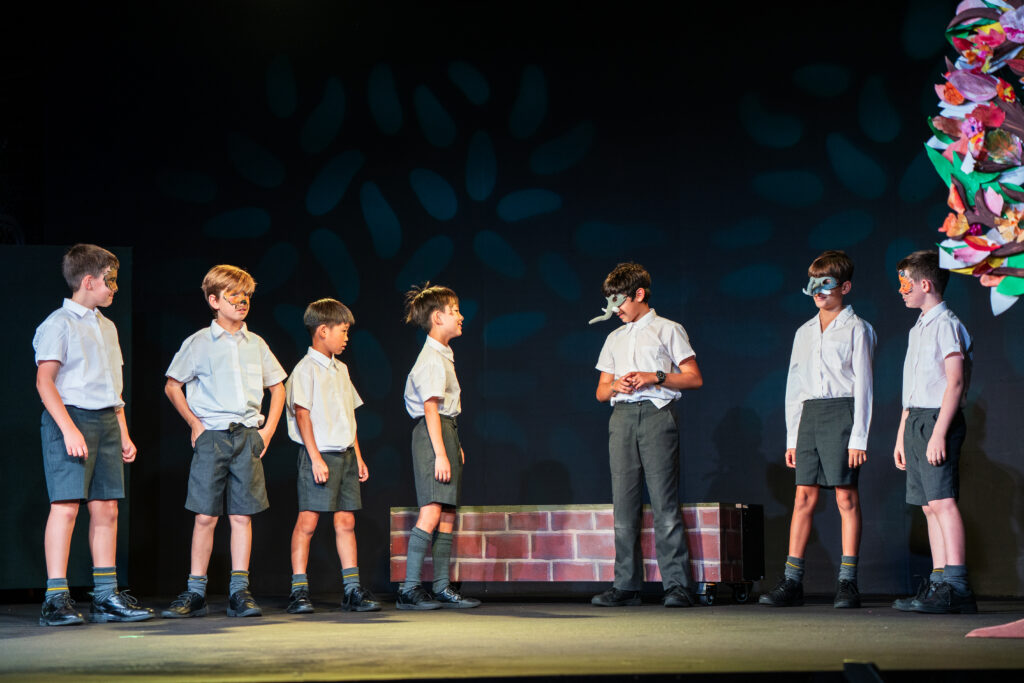
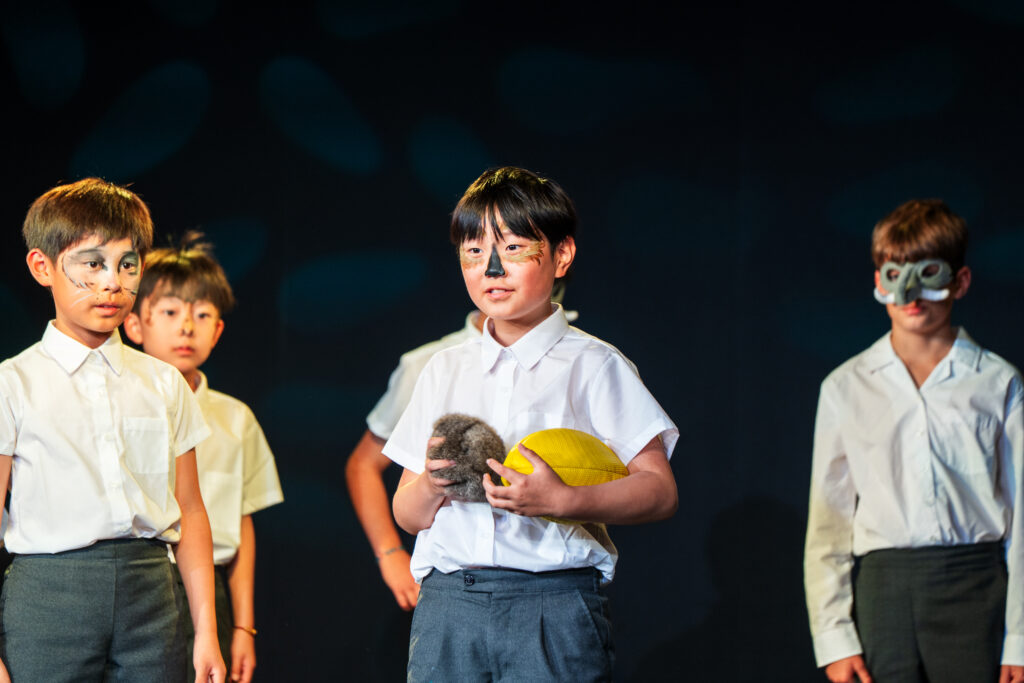
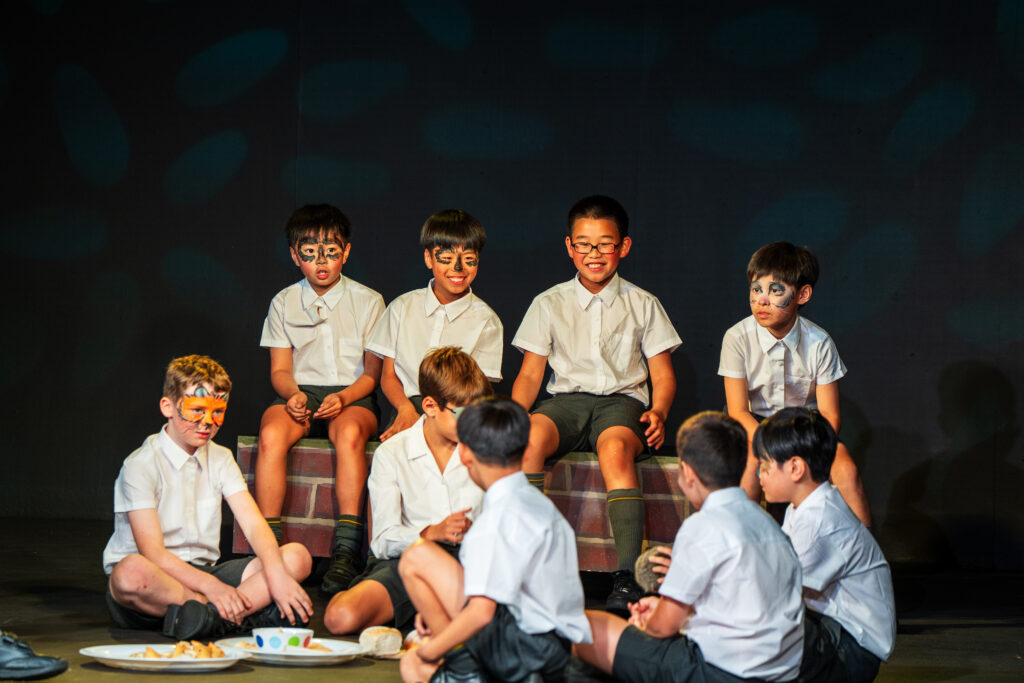
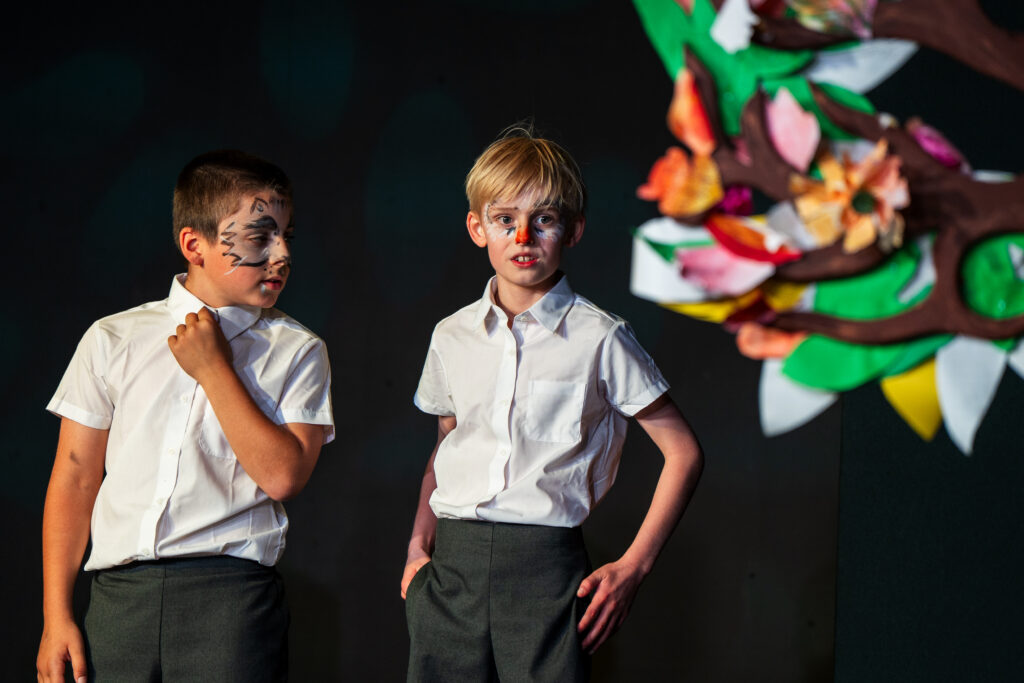
The Year 3 and 4 plays were a wonderful celebration of Semester 1 drama studies, with students taking to the stage after only three rehearsals and having an absolute blast!
Year 3 students created original storylines exploring themes of self-confidence, teamwork and being brave in the face of danger, with ‘Let’s Go Camping: What Could Go Wrong?’, a camping trip with plenty of unexpected twists, and ‘The Night of the Not-So-Scary Monster’, featuring a witch testing a group of friends to see just how brave they could be.
Meanwhile, our Year 4 students drew inspiration from the book ‘Andy Goes to Bush School’, exploring themes of belonging, culture and identity. This special book was written a few years ago by Trinity’s First Nations senior students – it was a privilege to see our young people perform this meaningful contribution from their Senior School peers.
Photo credit: Gautaman Shasitharan (OTG 2025).
Year 9 Play
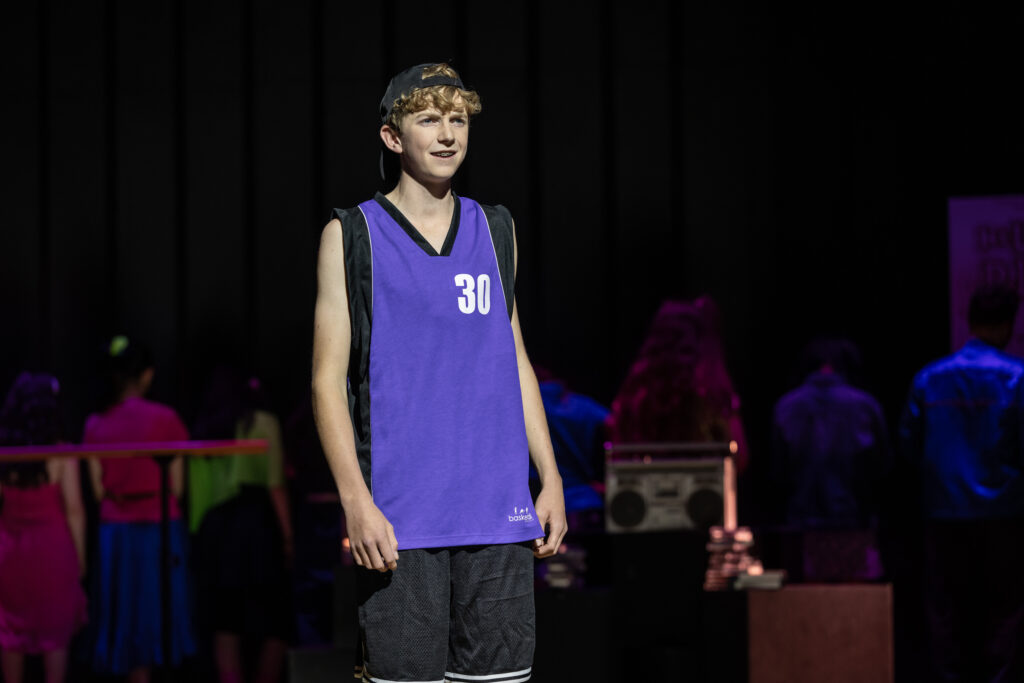
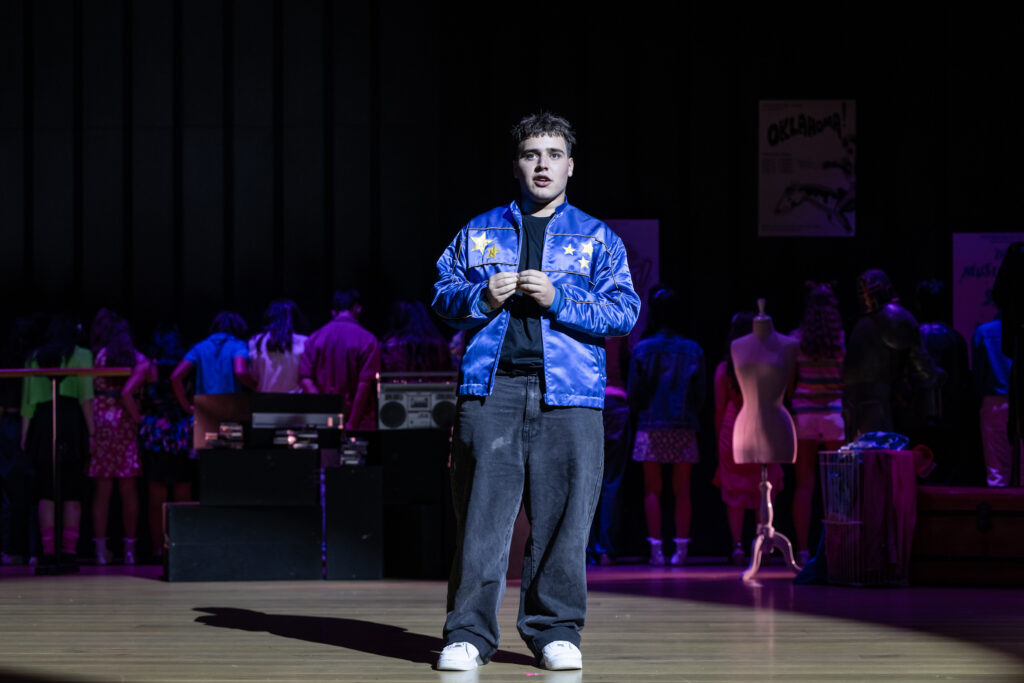
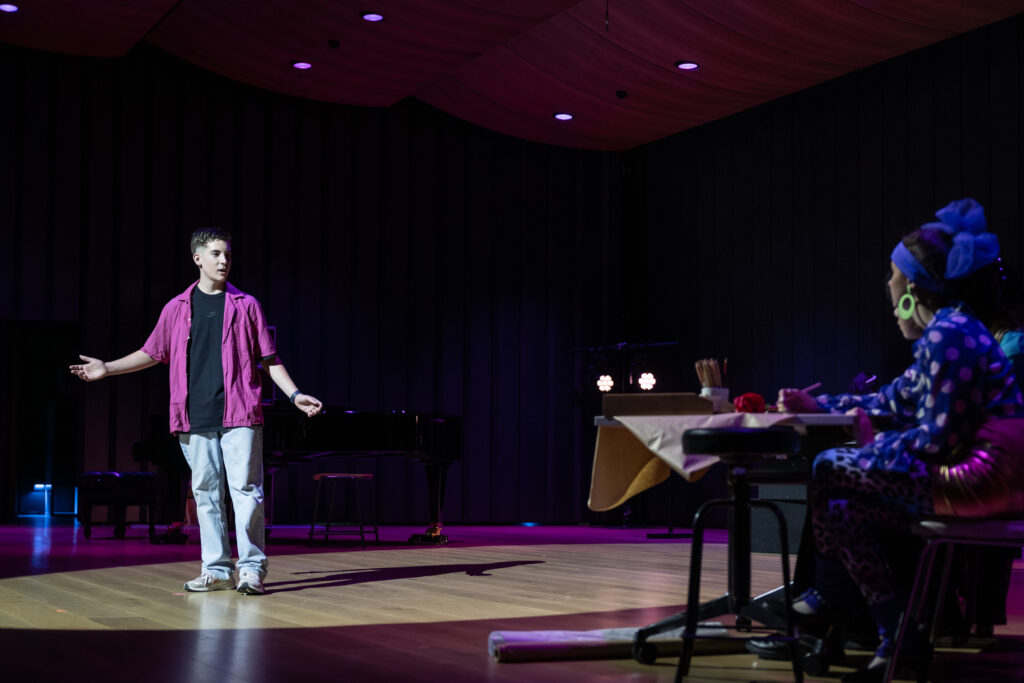
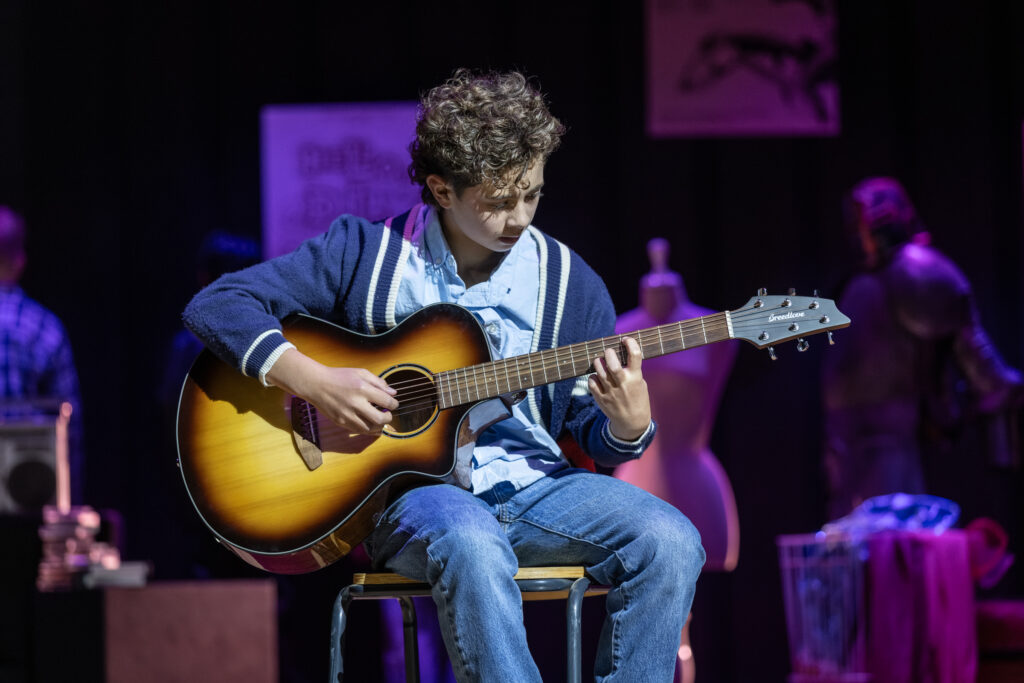
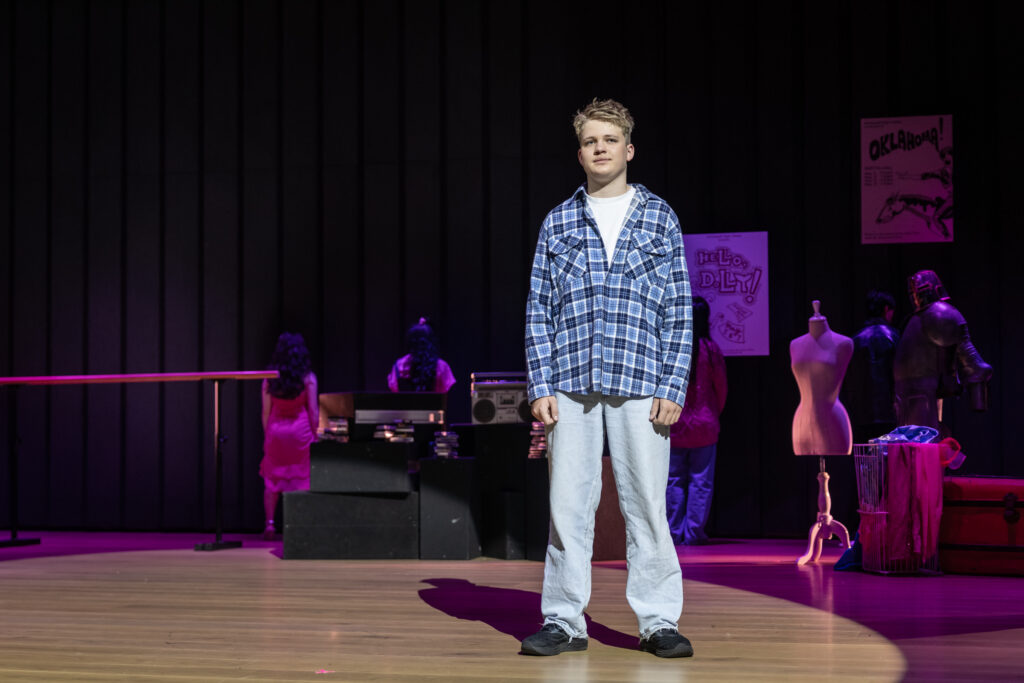
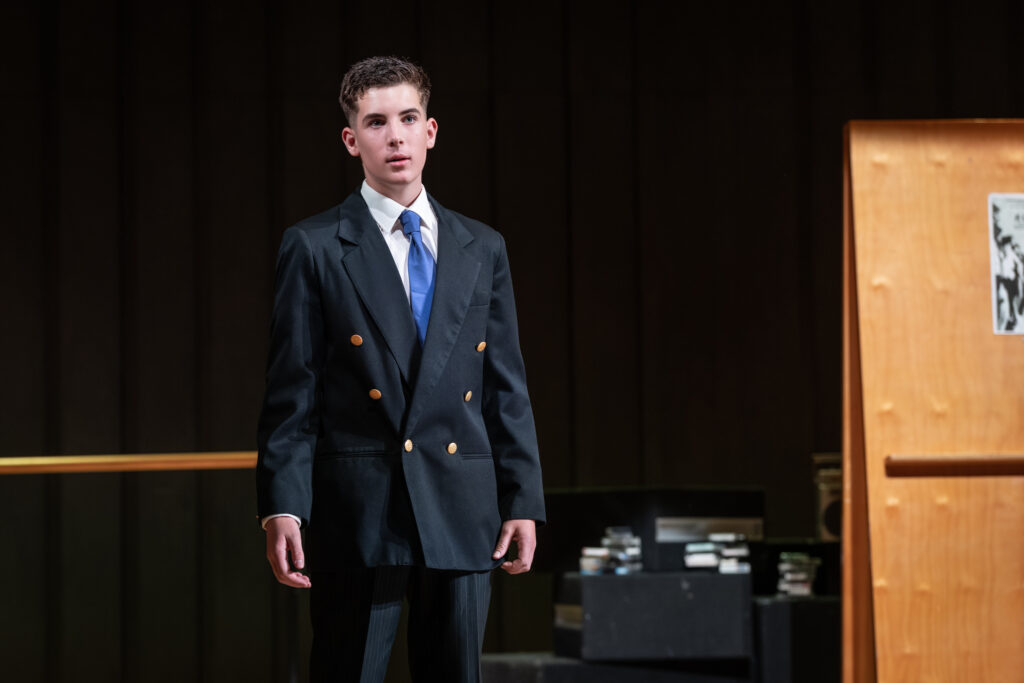
It was bold, bright, funny and totally 80s! Students from Trinity and Ruyton Girls’ School came together again for this year’s Year 9 Play, ‘The Audition’ by Don Zolidis.
Performed annually, the Year 9 Play is an important opportunity for students from both schools to build connection and familiarity ahead of the Coordinate Program and shared VCE subjects.
This year’s production was a hilarious and heartfelt look at the wild world of high school auditions, capturing the nerves, egos, humour and heart that come with stepping into the spotlight.
Photo credit: Ben Fon Photography.
Senior School Play
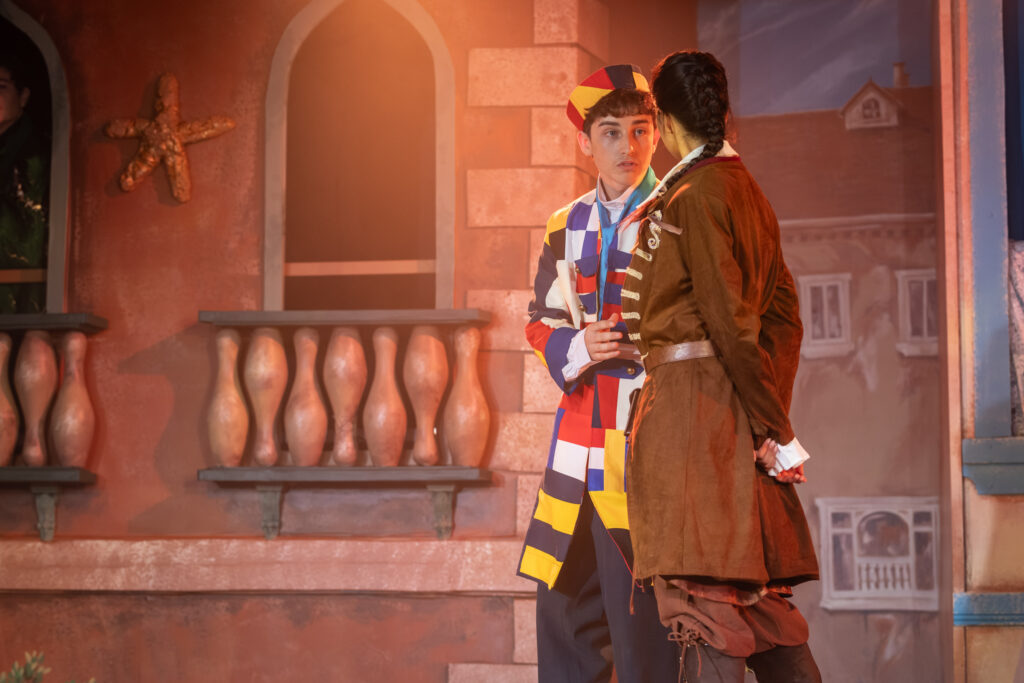
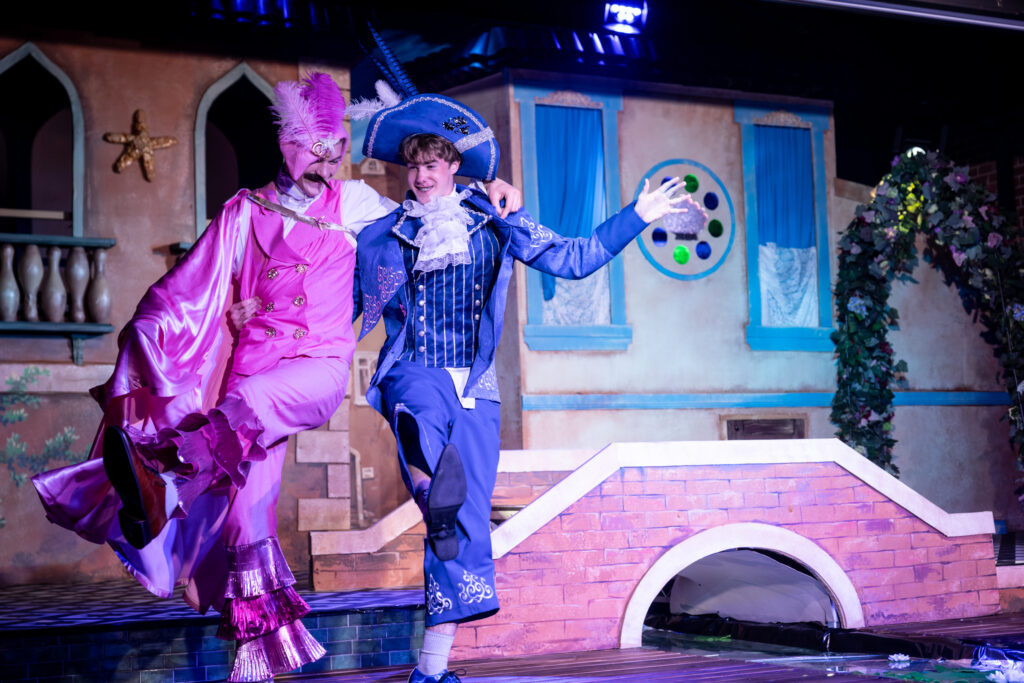
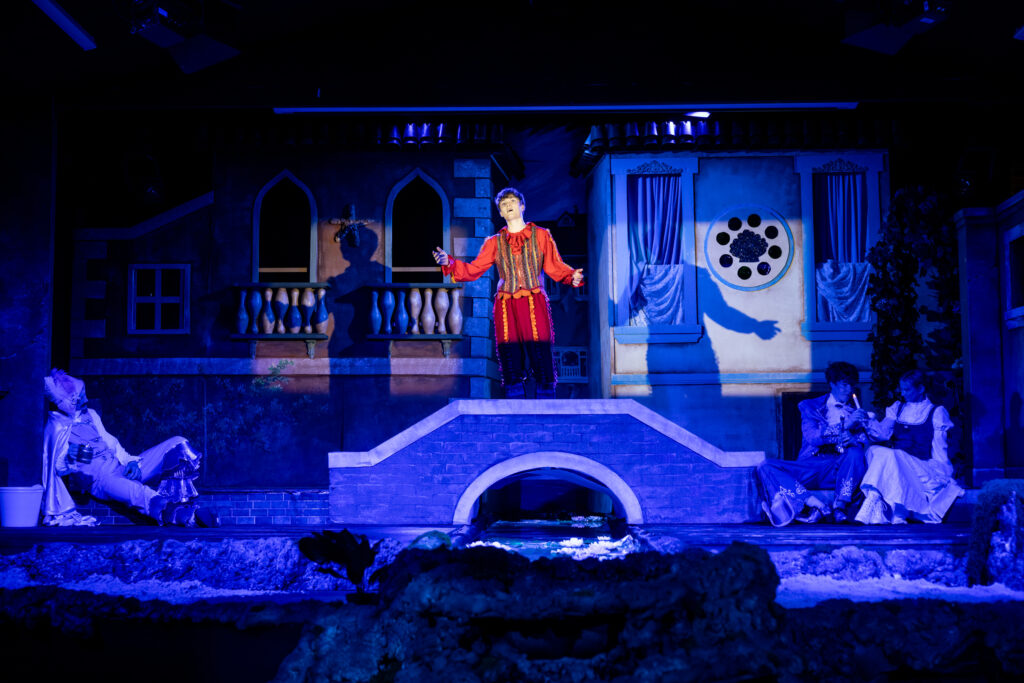

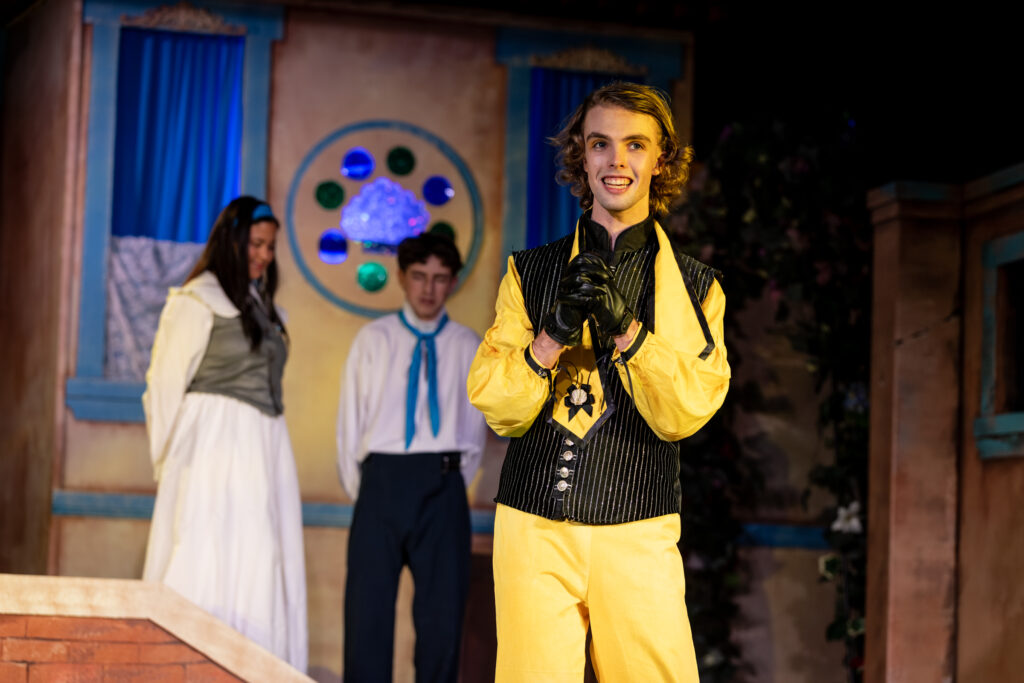
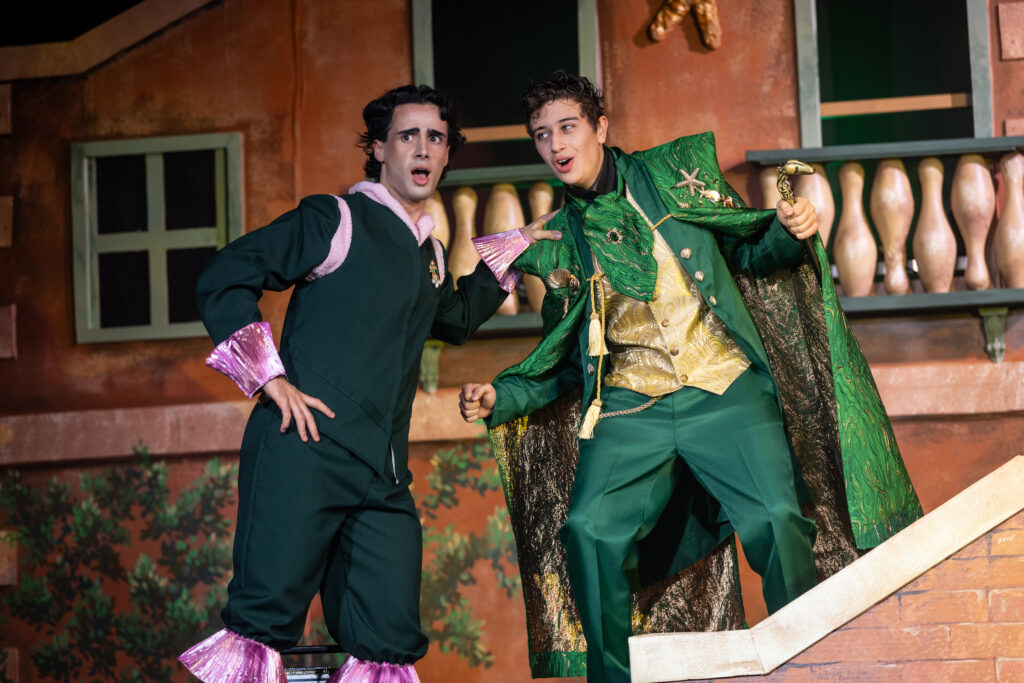
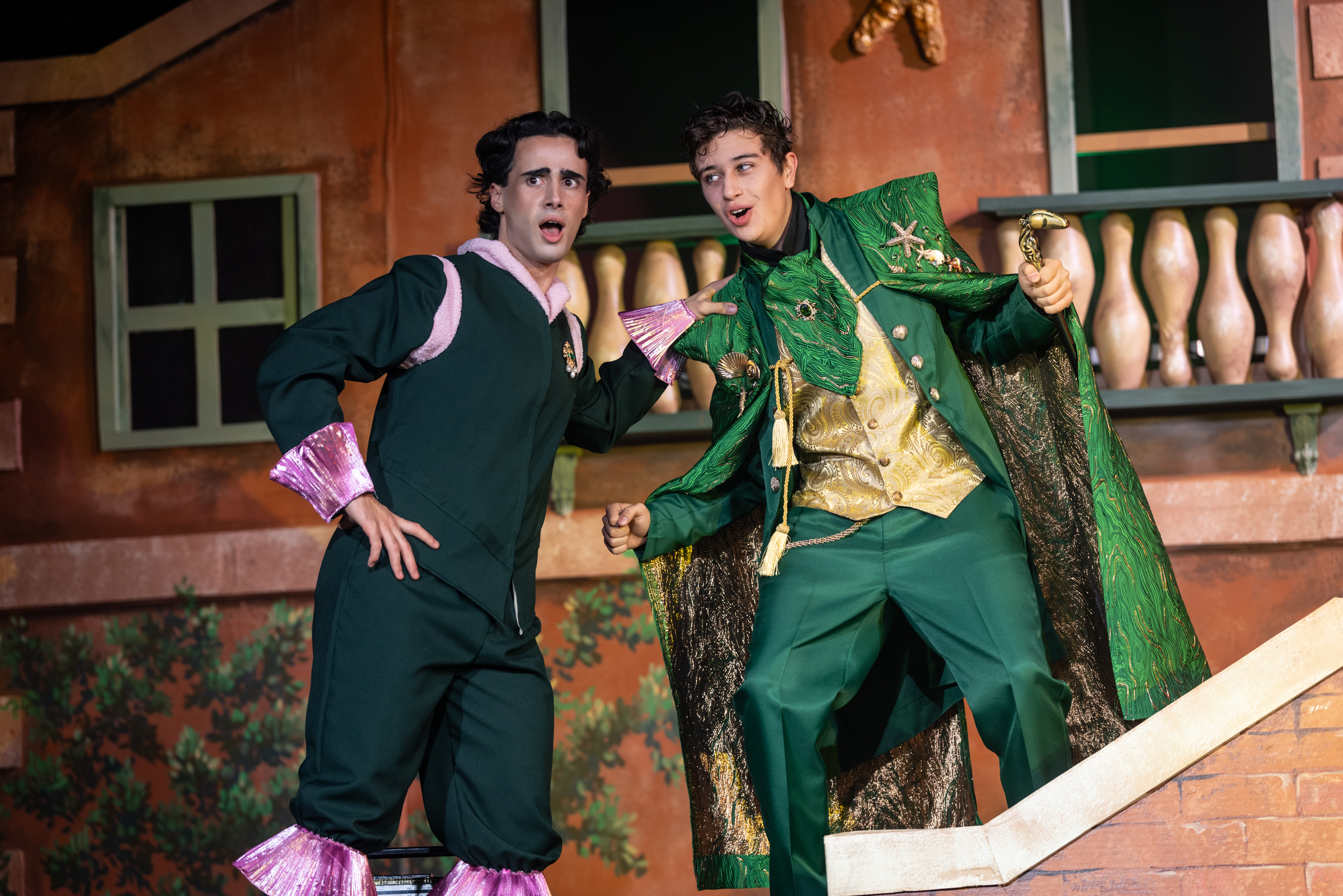
A shipwreck, disguises and a whole lot of chaos set the stage for this year’s joint production of Shakespeare’s ‘Twelfth Night’ with Ruyton Girls’ School.
Set in the lively world of Illyria, this year’s production was packed with energy, sharp performances and plenty of laughs. Supported by dynamic staging, lighting and sound, it was a bold and entertaining interpretation on a classic.
Photo credit: Ben Fon Photography.
May Gala Concert
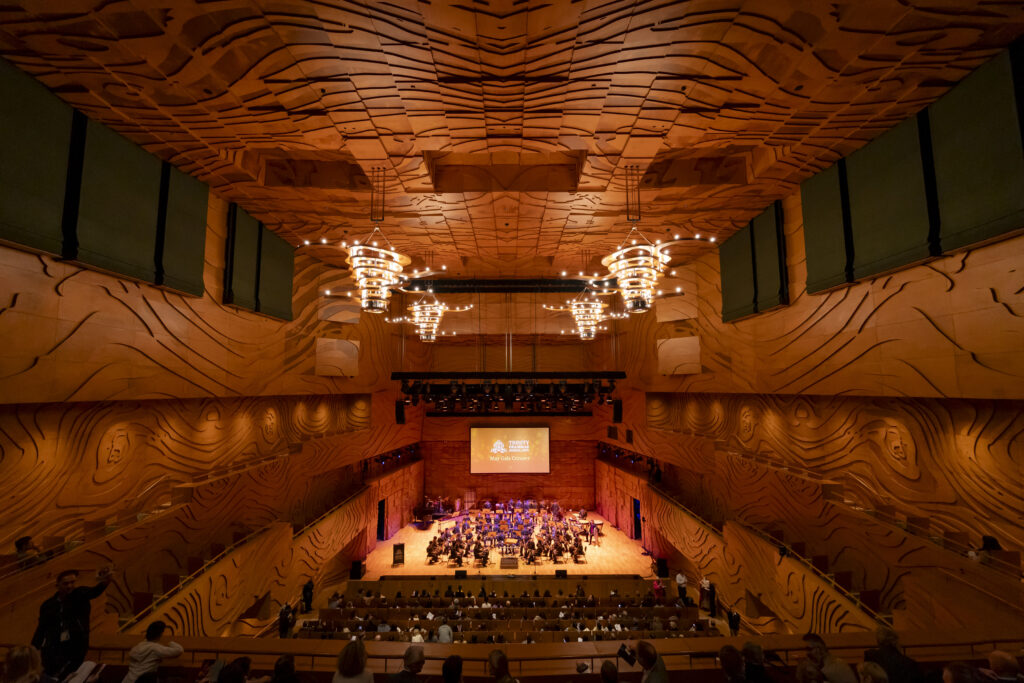
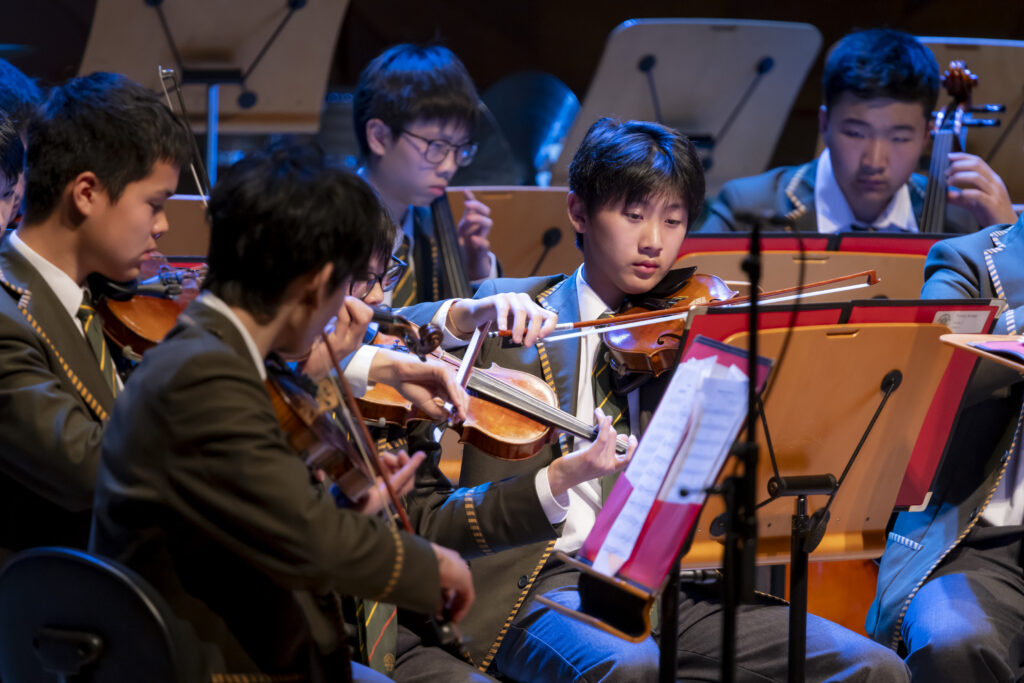
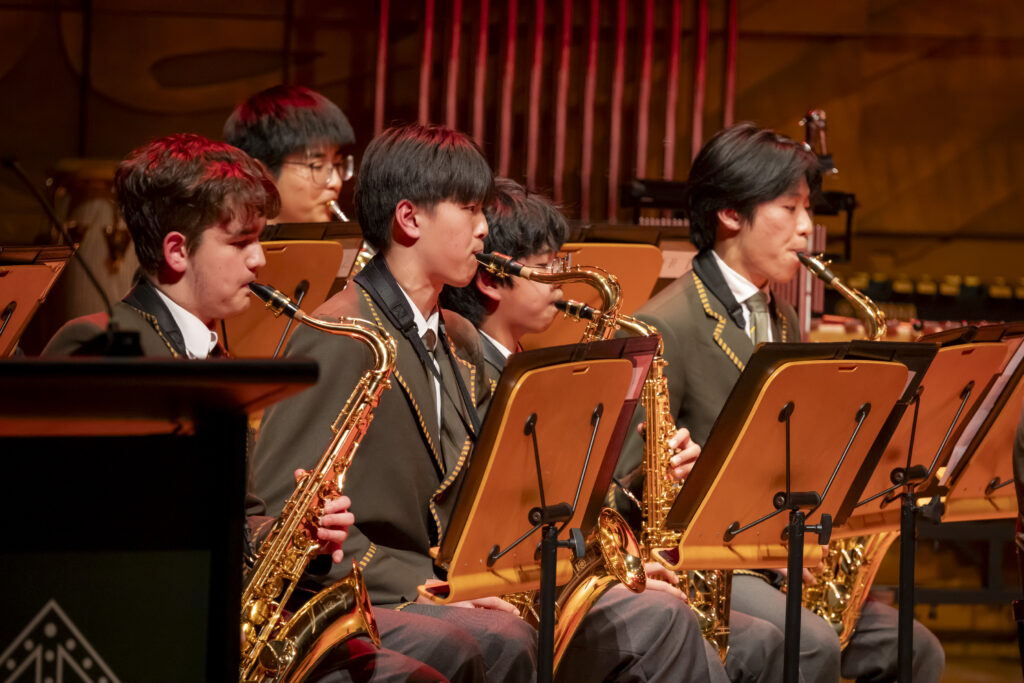
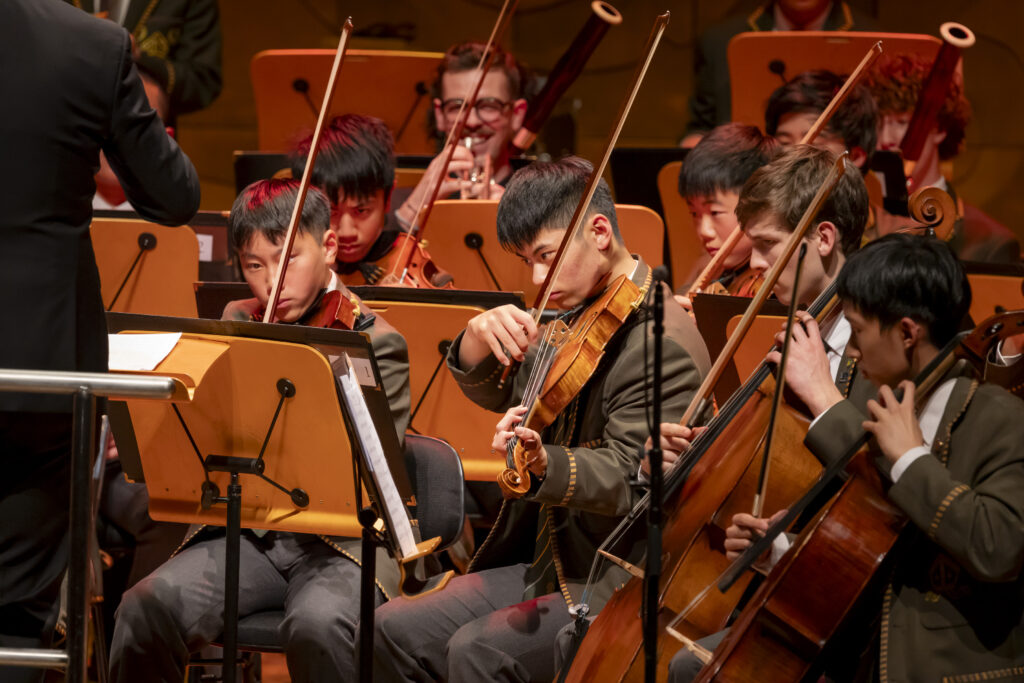
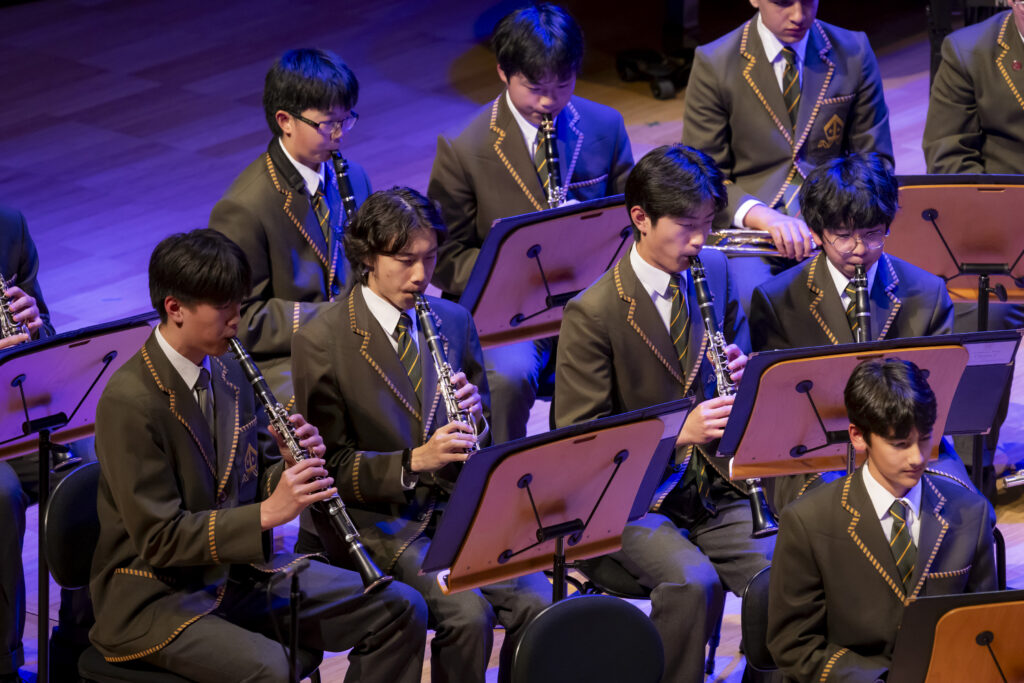
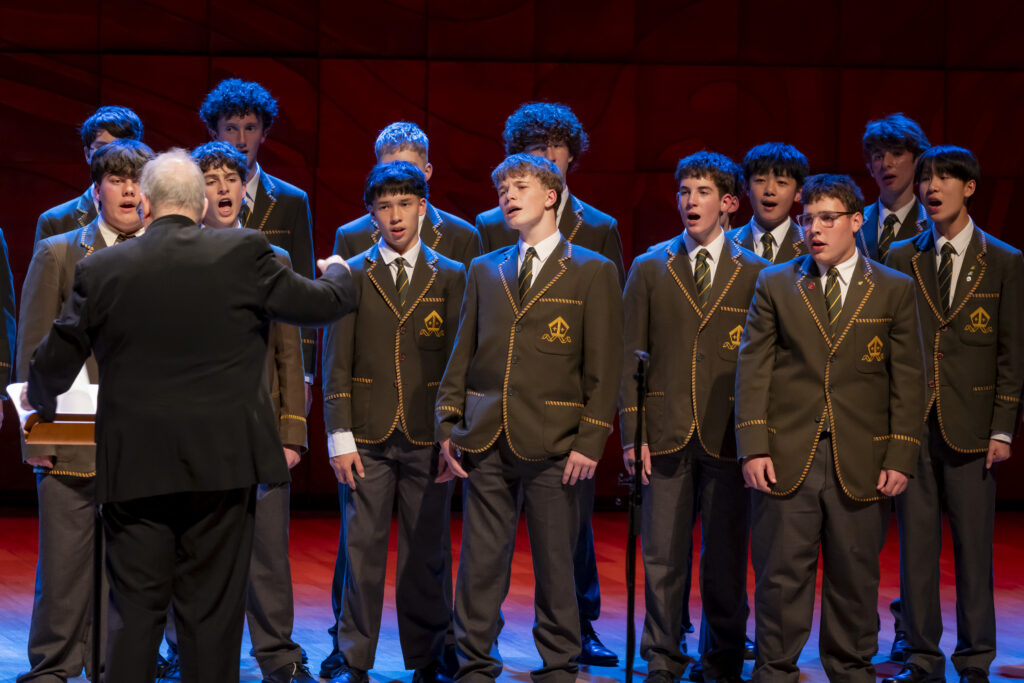
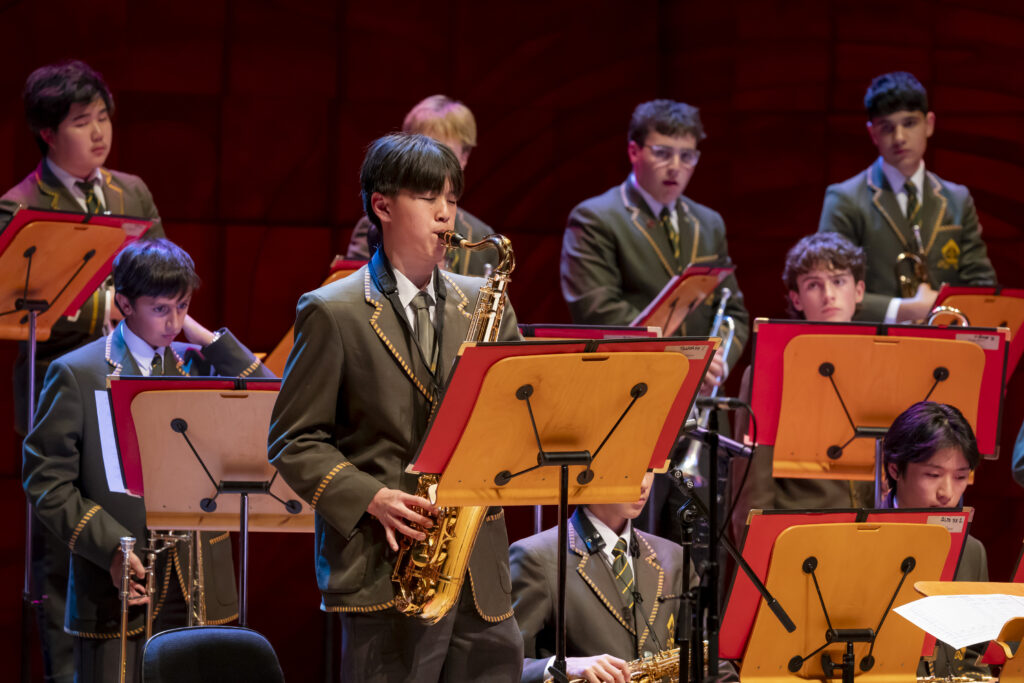
The annual May Gala Concert showcased the breath of musical talent across the Senior School, bringing together performers for an unforgettable evening of skill, dedication and artistry.
From powerful ensemble pieces to moments of individual brilliance, the evening reflected the depth of talent within our music community and the many hours of rehearsal, learning and commitment that sit behind each performance!
Jazz in the Chandelier Room
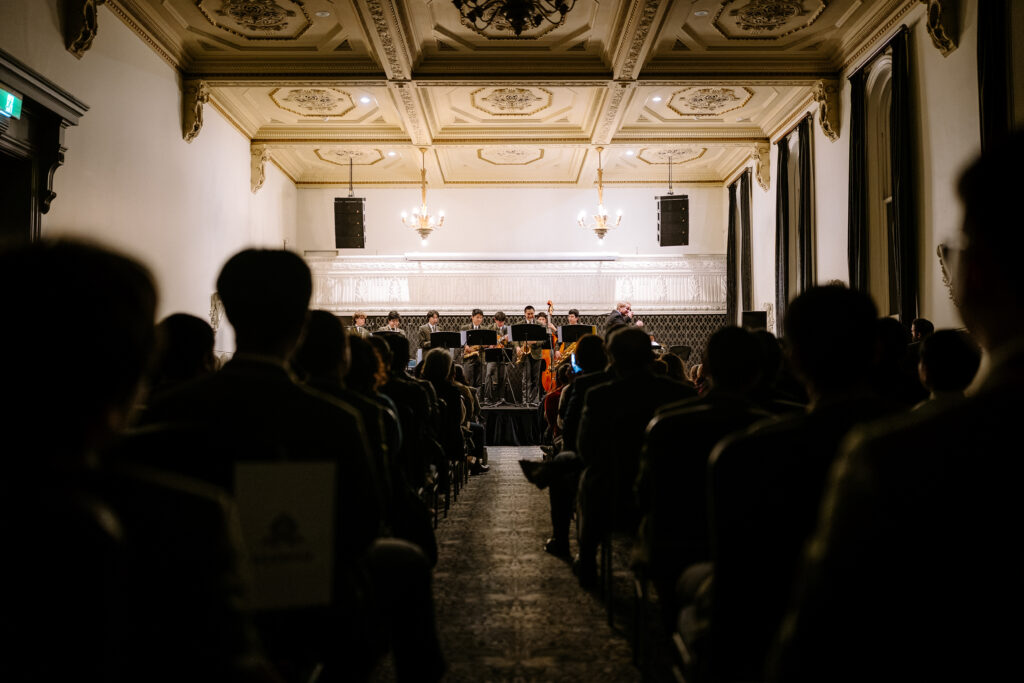
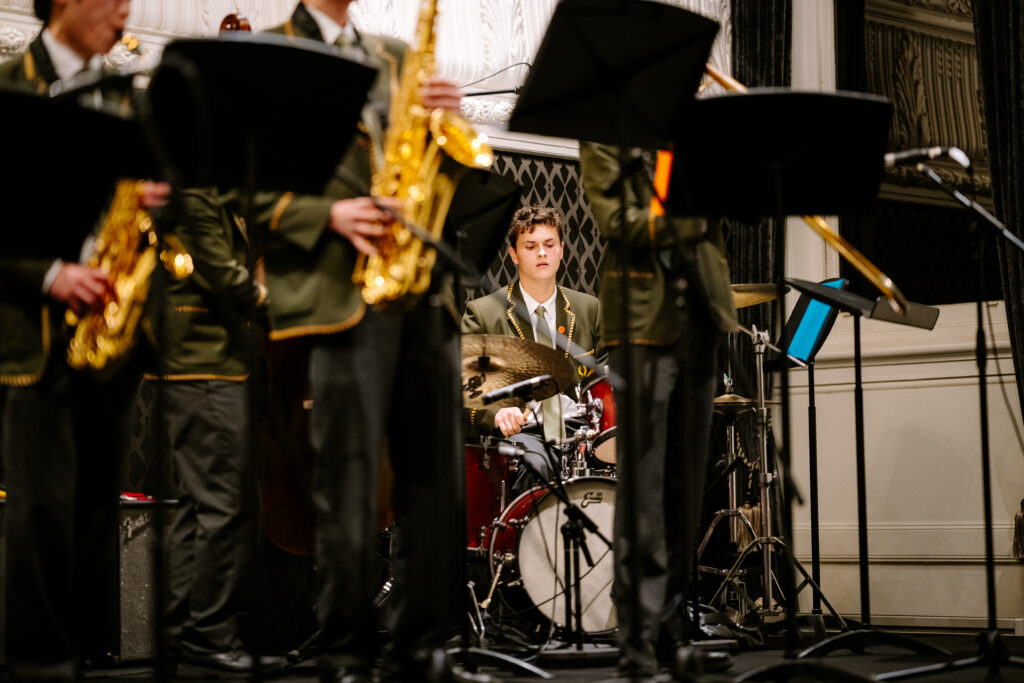
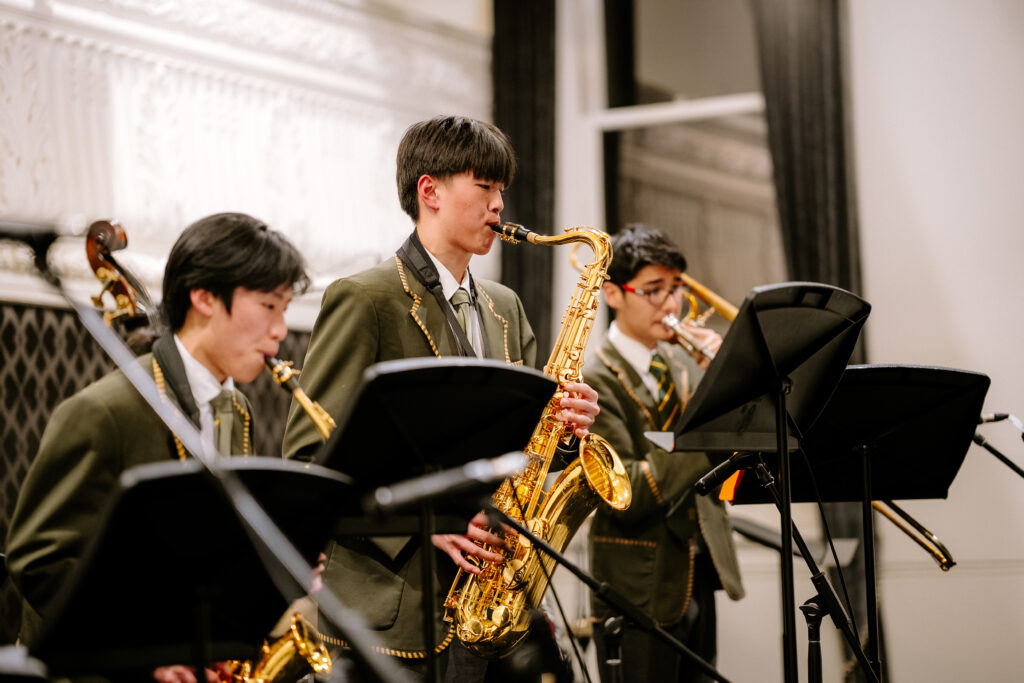
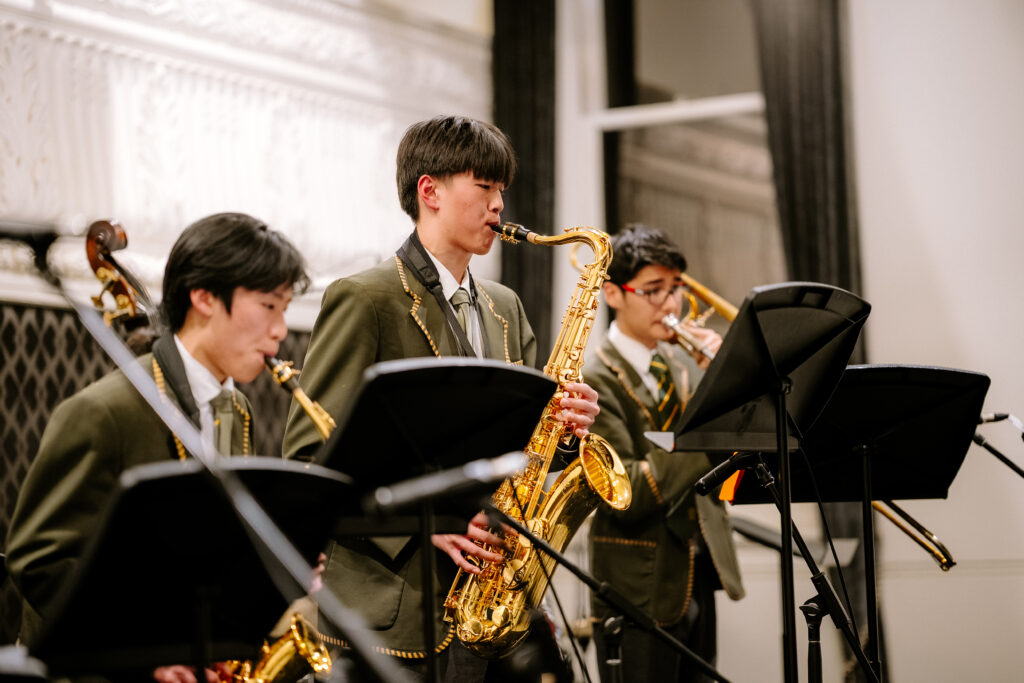
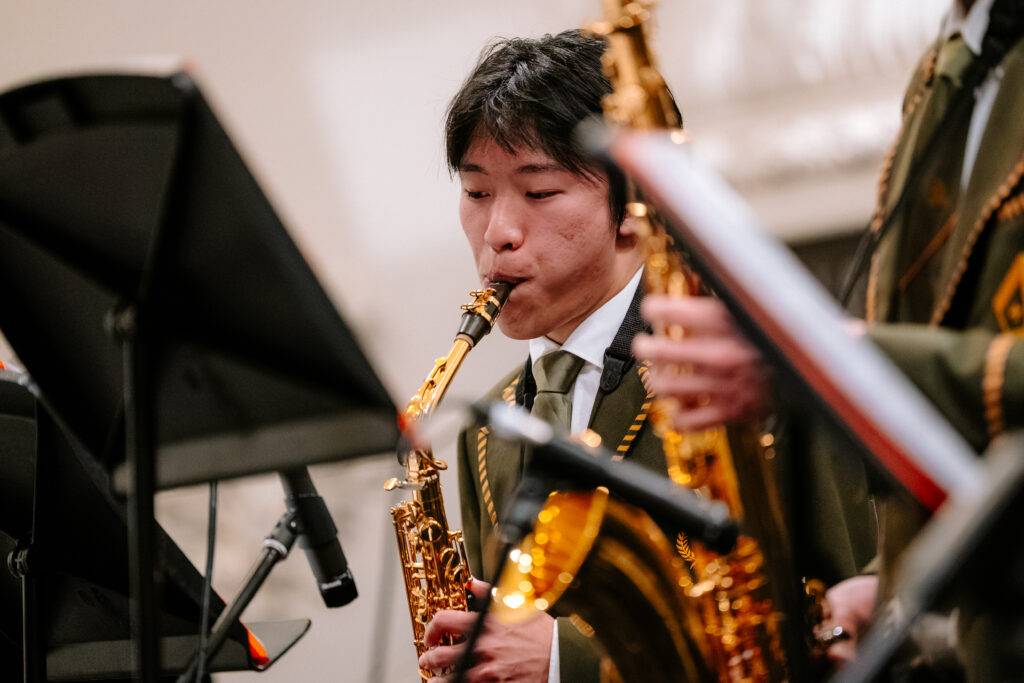
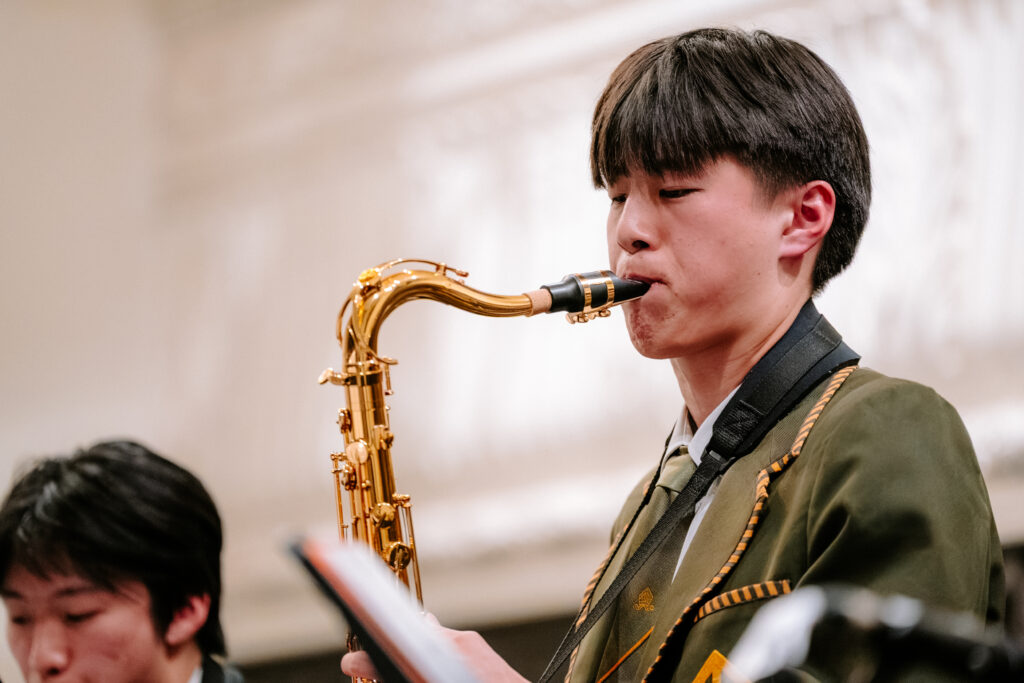
Students from our Junior Jazz, Jazz Apprentices, Trintones, Augmented 7s and Belling Jazz groups performed to an enthusiastic audience in the beautiful Chandelier Room at the Hawthorn Arts Centre, showcasing the depth of talent across Trinity’s jazz program.
The evening featured music by jazz greats, with students exploring styles from Dixieland and swing through to modal and contemporary jazz.
A special highlight was an original composition by School Captain, Darcy, with ‘Dreams I Never Told You’, demonstrating impressive creativity and musical maturity.
Small combination performance plays an important role in student development, challenging musicians to listen closely, communicate musically, take creative risks and build confidence through improvisation.
Annual Strings Concert
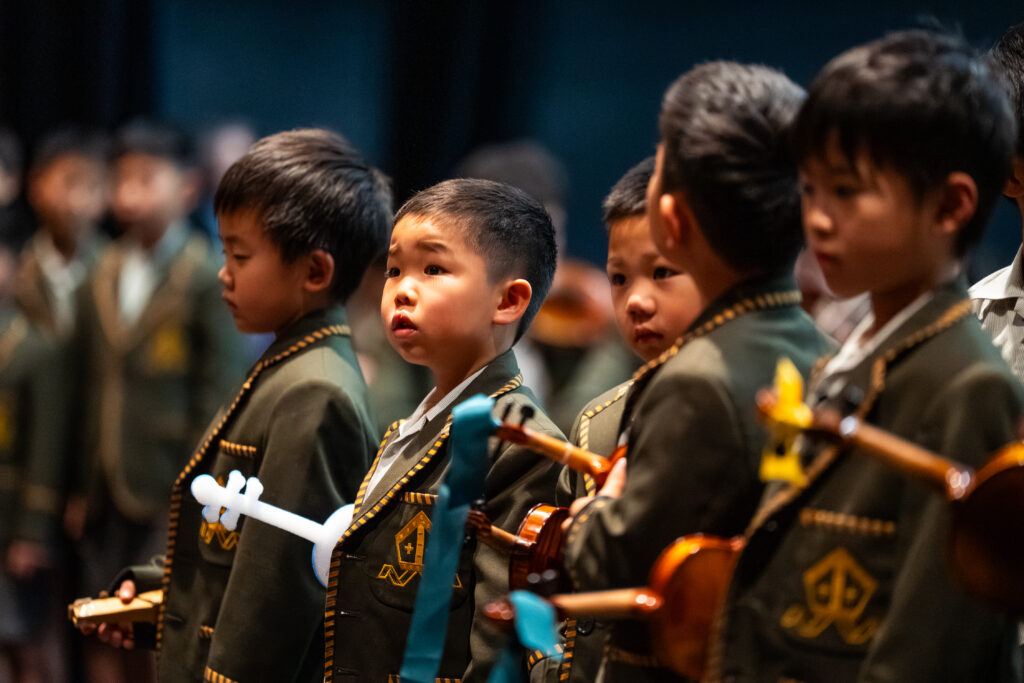
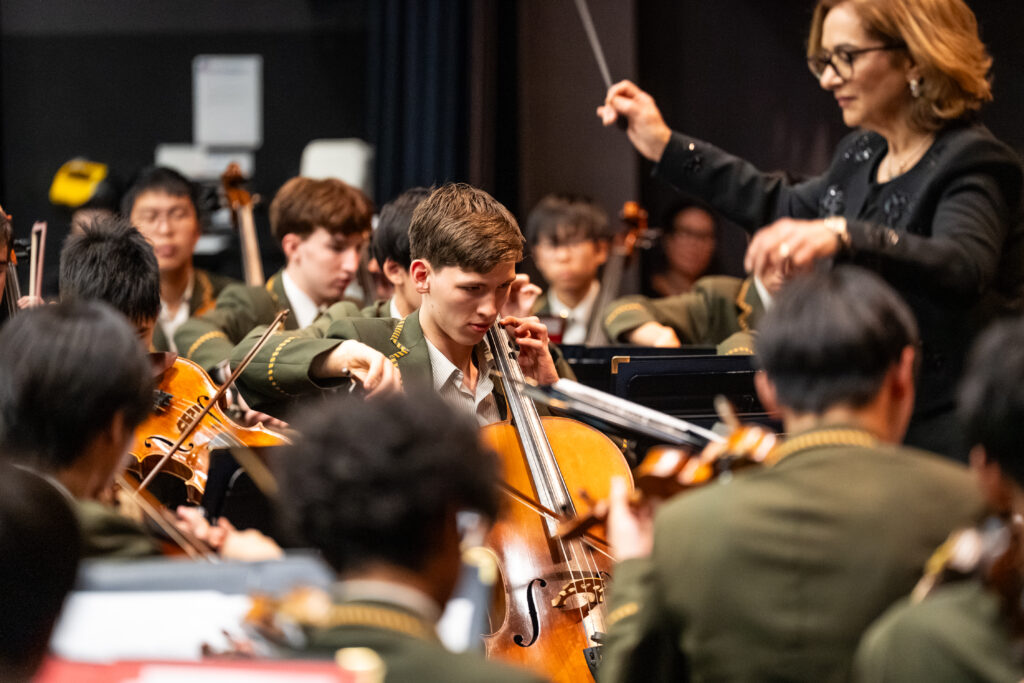
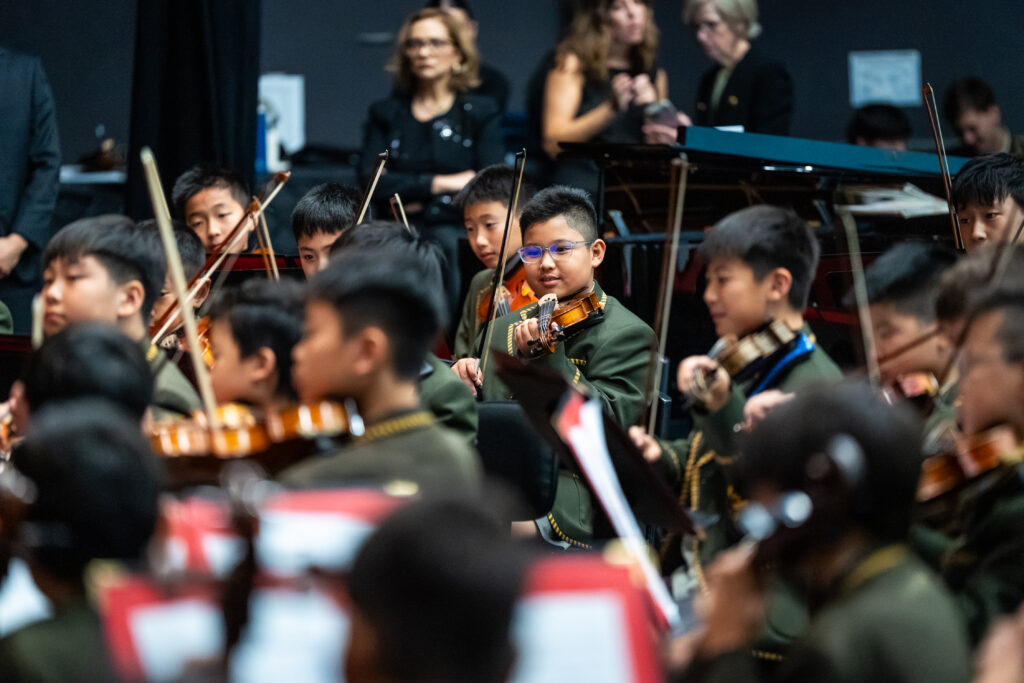
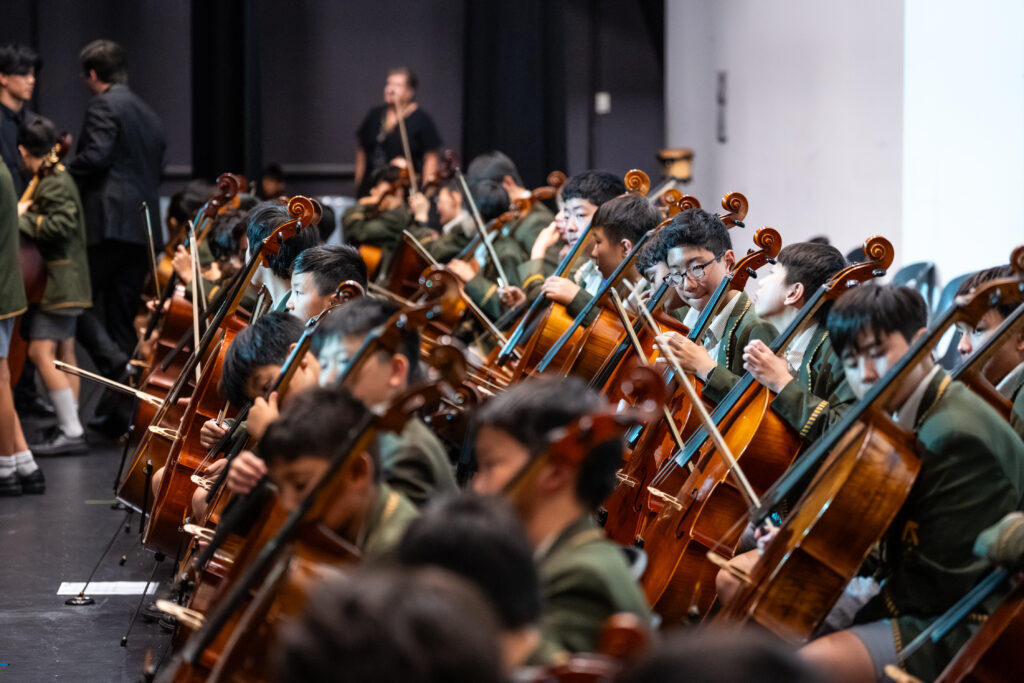
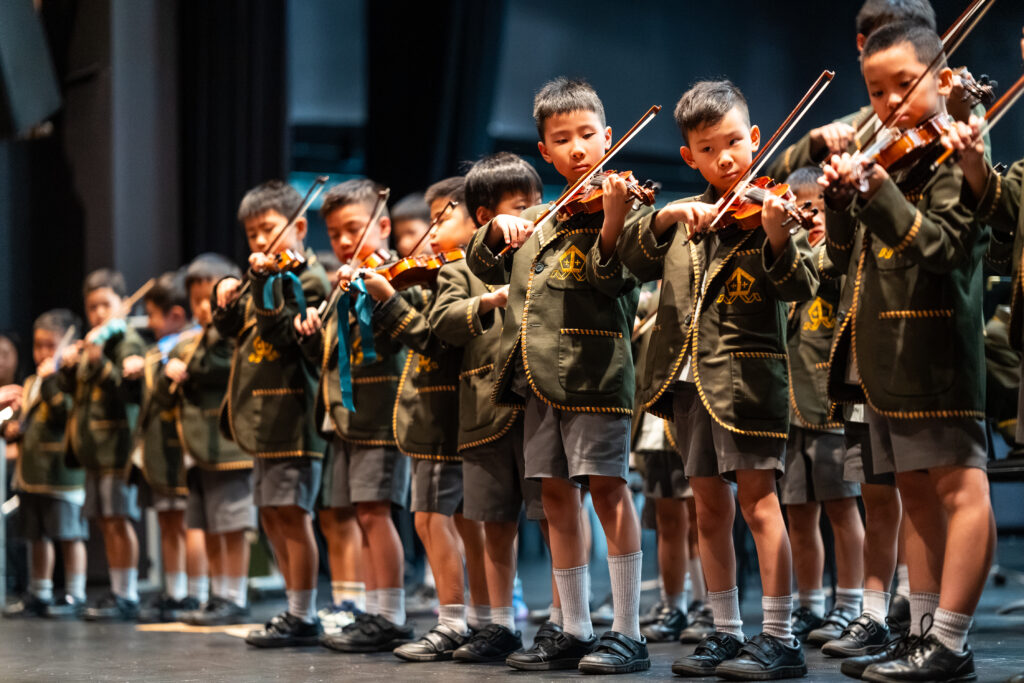
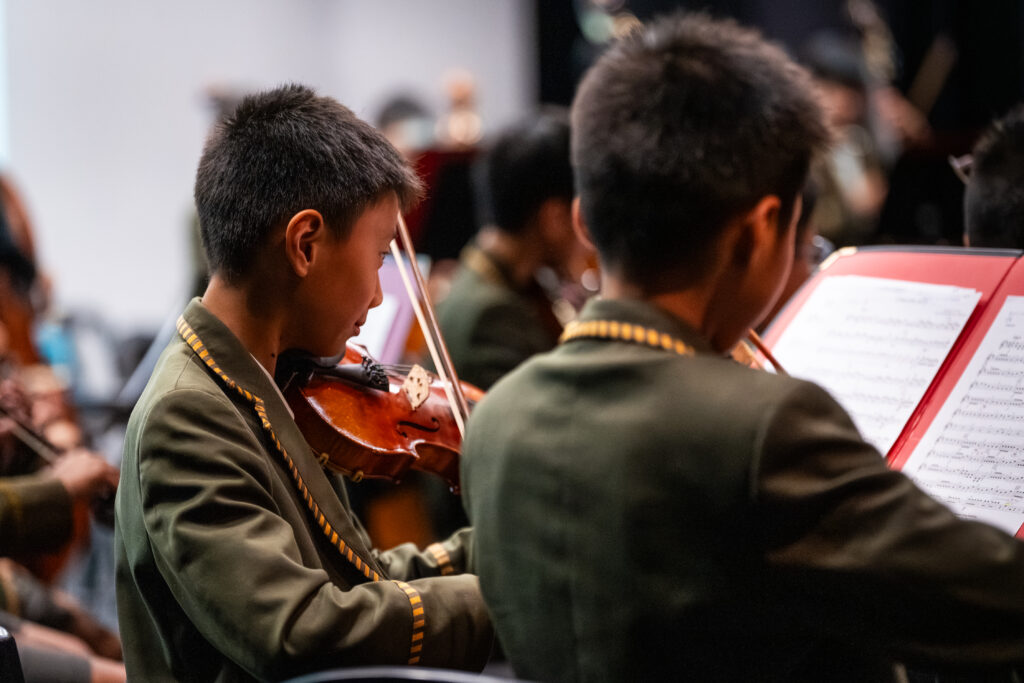
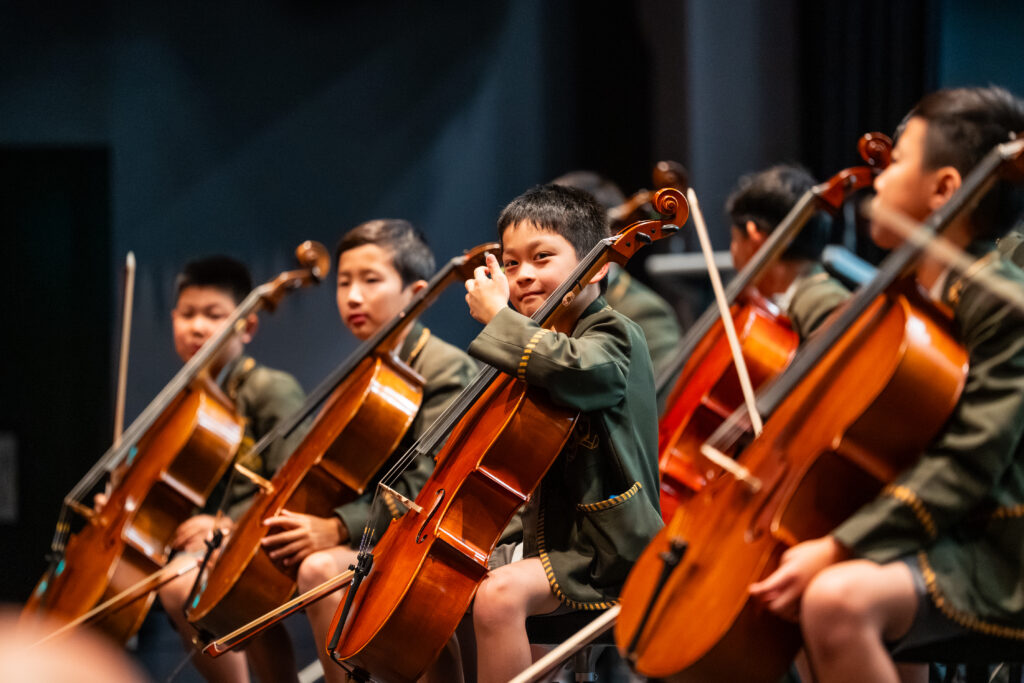
As Term 1 drew to a close, strings musicians from across the school gathered for the annual Strings Concert, celebrating progression, talent and commitment of students at every stage of their musical journey.
From our youngest musicians in The Stringlets playing ‘Old MacDonald’ and our Suzuki Cello and Violin Ensembles playing traditional pieces, the evening built through to our Trinity Strings and Senior Strings Orchestra, featuring Vivaldi’s ‘Sinfonia in C Major’.
Leadership and mentoring in the great outdoors
Bill Cleary, Director of Outdoor Education
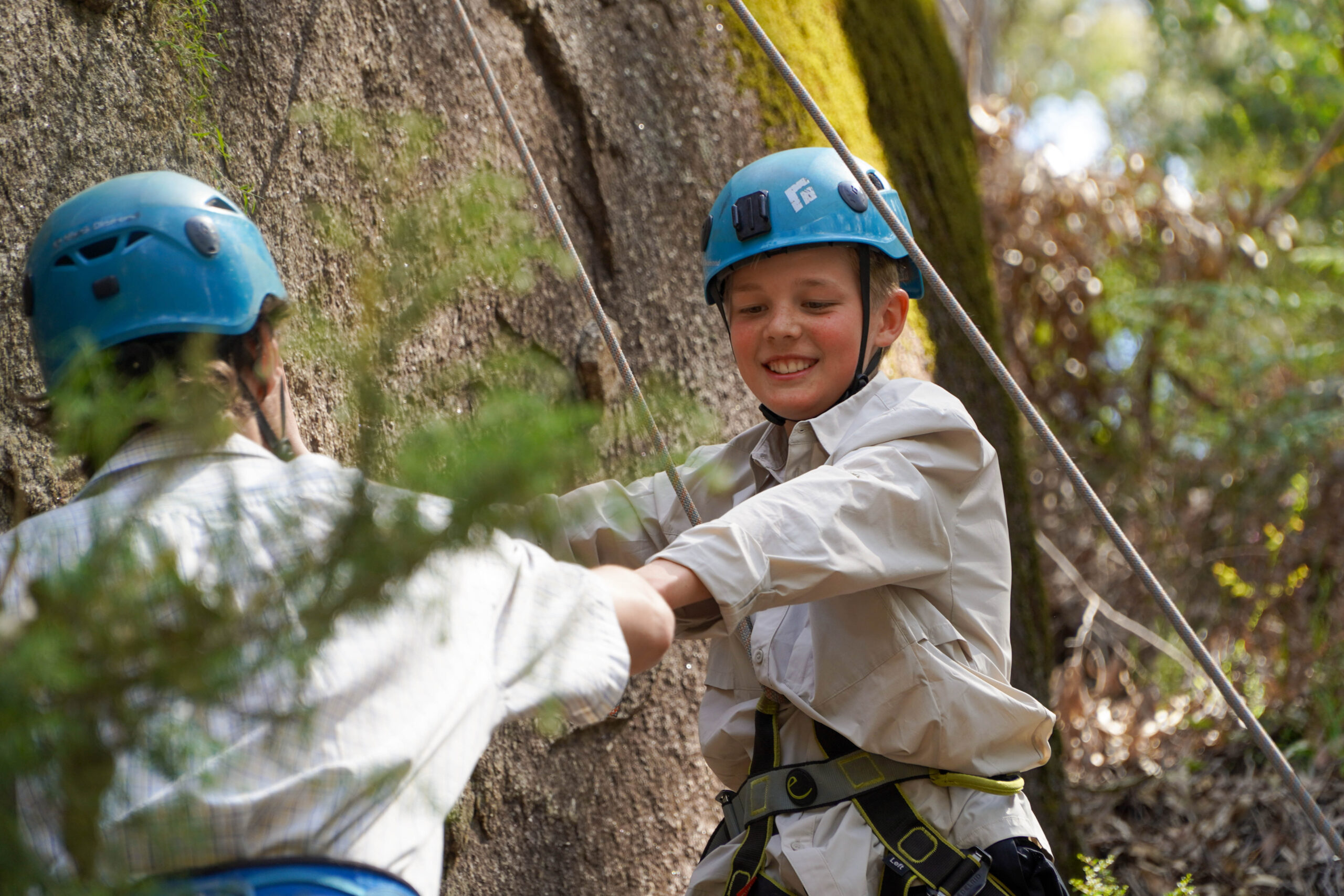
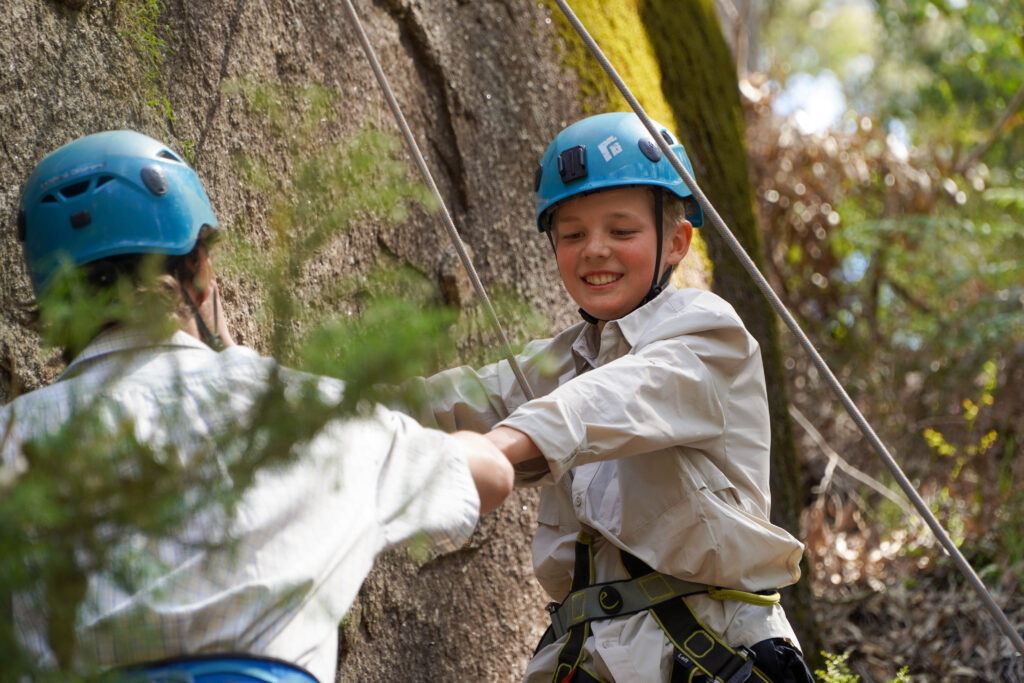
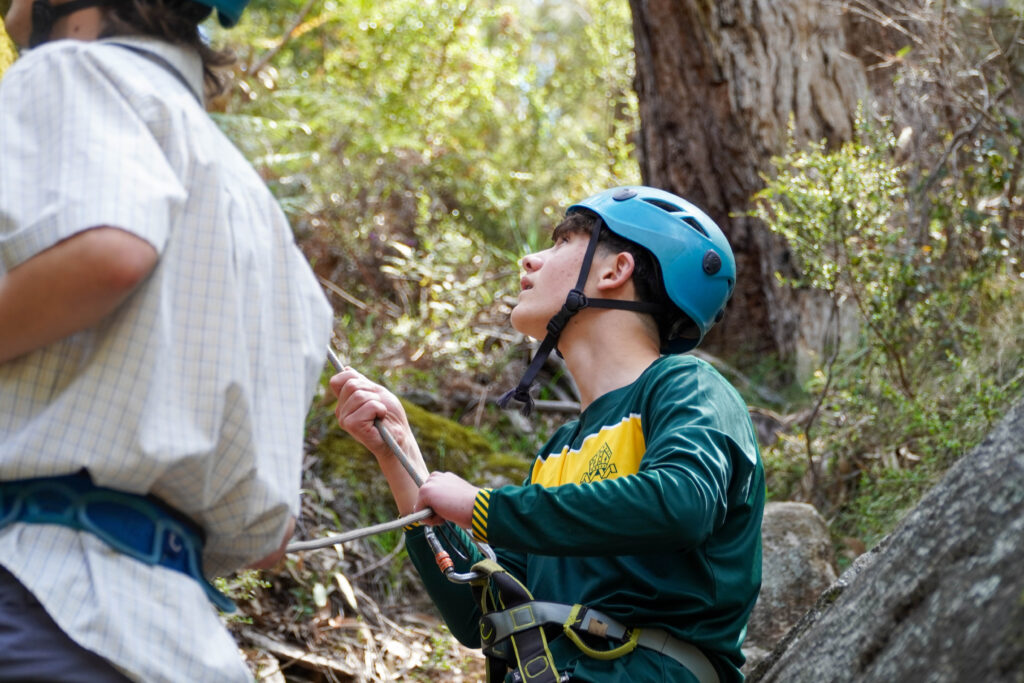
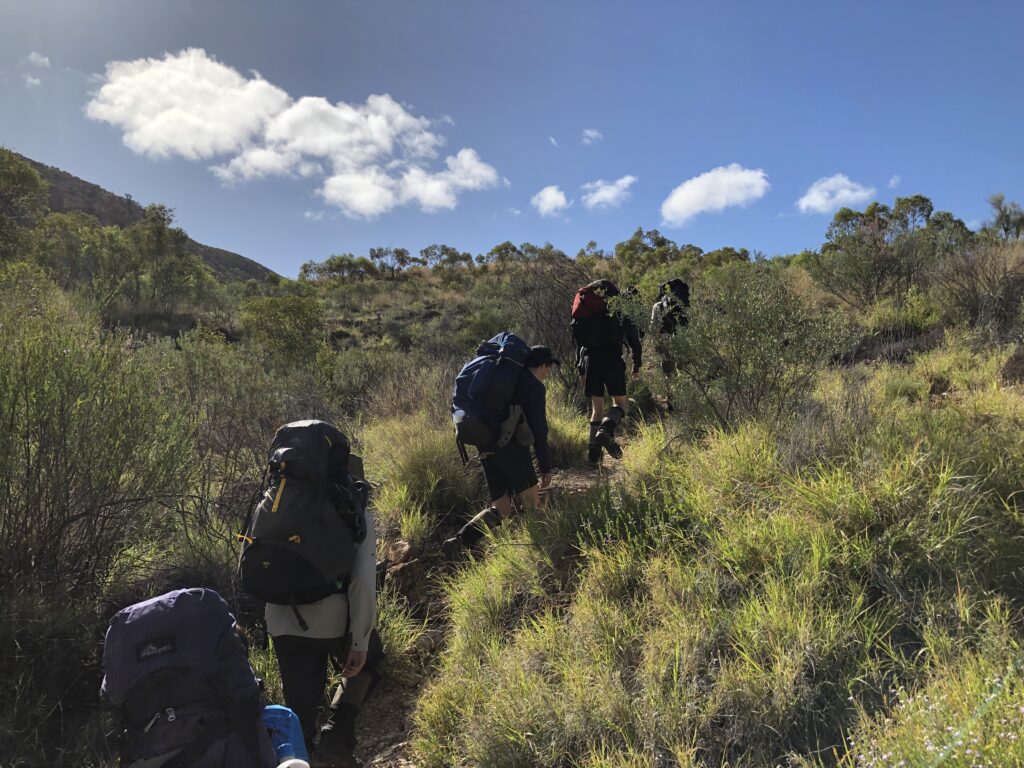
Using the natural world as a classroom for personal development, the Trinity Outdoor Education program provides students with experiences that challenge, inspire and connect them beyond the classroom. The program is distinguished by its strong emphasis on leadership, peer mentoring, and cross-generational relationships; key principles aligned with best practice in Outdoor Education across Victoria.
Trinity provides numerous opportunities for students to develop leadership and mentoring skills through classroom learning, sport, music, drama, and co-curricular activities. However, it is the Outdoor Education program that offers one of the most authentic and powerful environments for these skills to be applied in meaningful, real-world settings.
A defining feature of the program is its structured peer mentoring model. Senior students are given the opportunity to lead and support younger students on outdoor expeditions, guiding them through specialised tasks, challenges, and shared experiences. This responsibility not only strengthens the leadership capacity of older students but also creates powerful bonds between year levels and fosters a culture of respect, aspiration, and connection across the school community.
The Outdoor Education program has genuinely been one of the most valuable parts of my time at Trinity.
Leading younger students on expeditions forced me to confront parts of myself I'd never really examined. I noticed my flaws more clearly when I had to model behaviour for someone else. Whether it was how I communicated under pressure, how I reacted when things didn't go to plan, or how I handled frustration. It was all right there on display, and that made it impossible to ignore. That kind of self-awareness is hard to develop anywhere else.
Nathan Lai, Year 11, Outdoor Education Leader
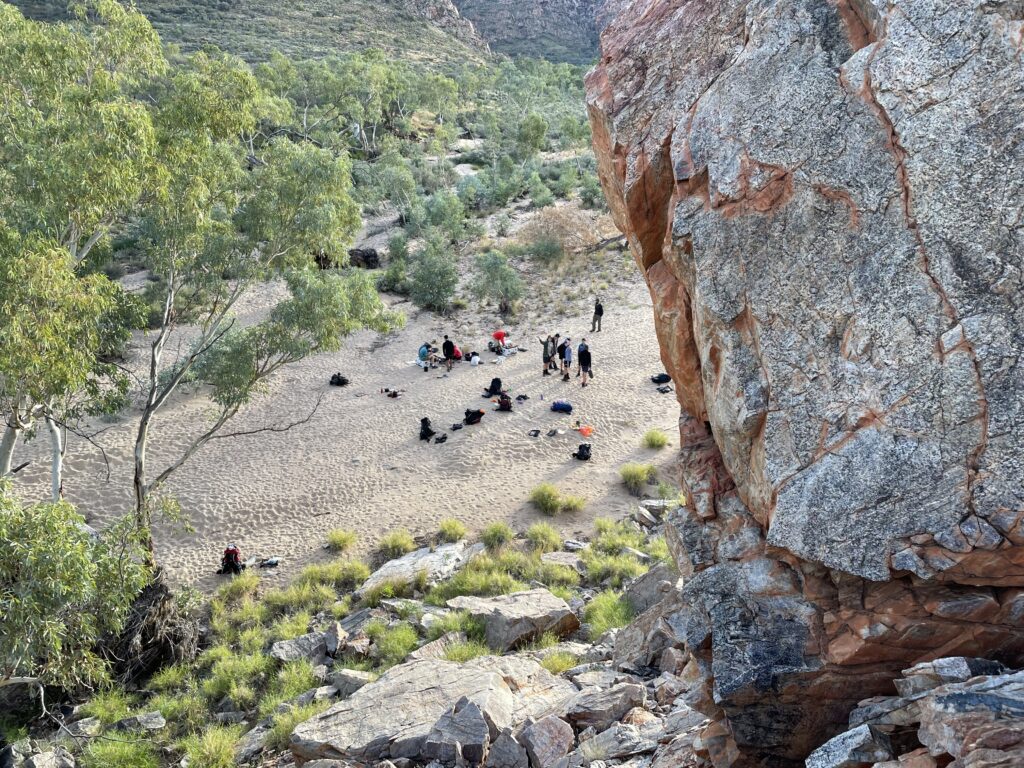
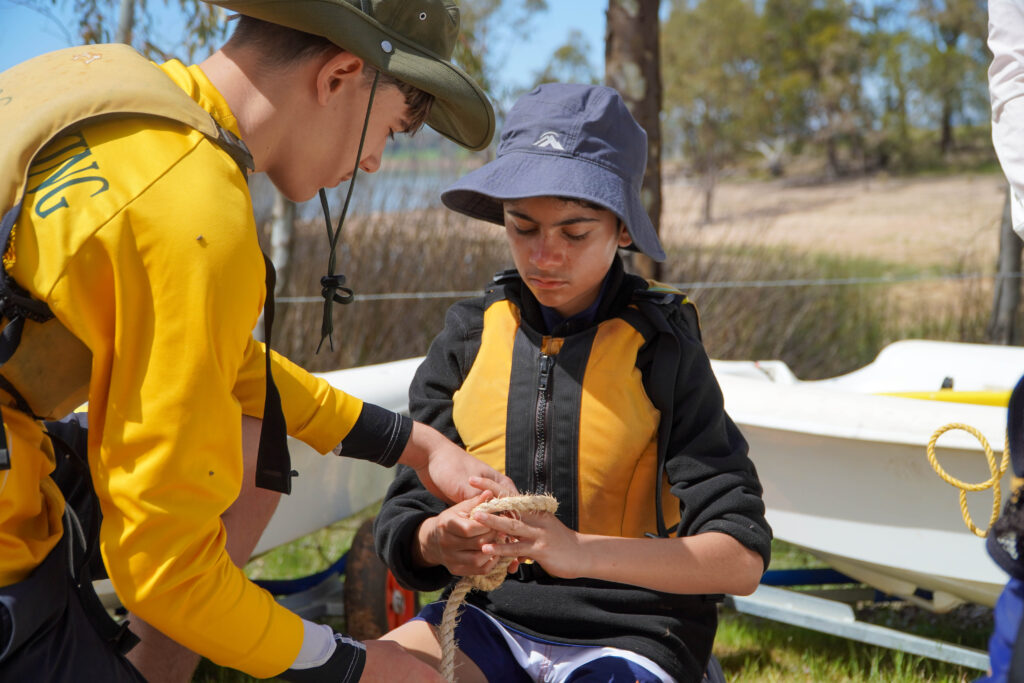
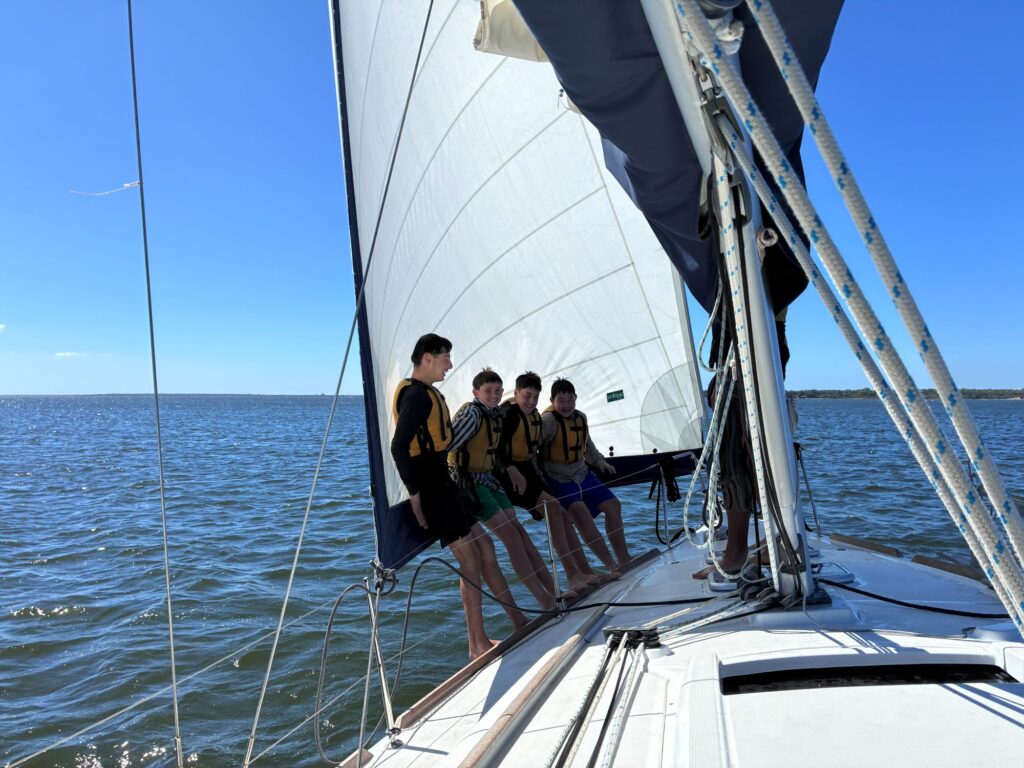
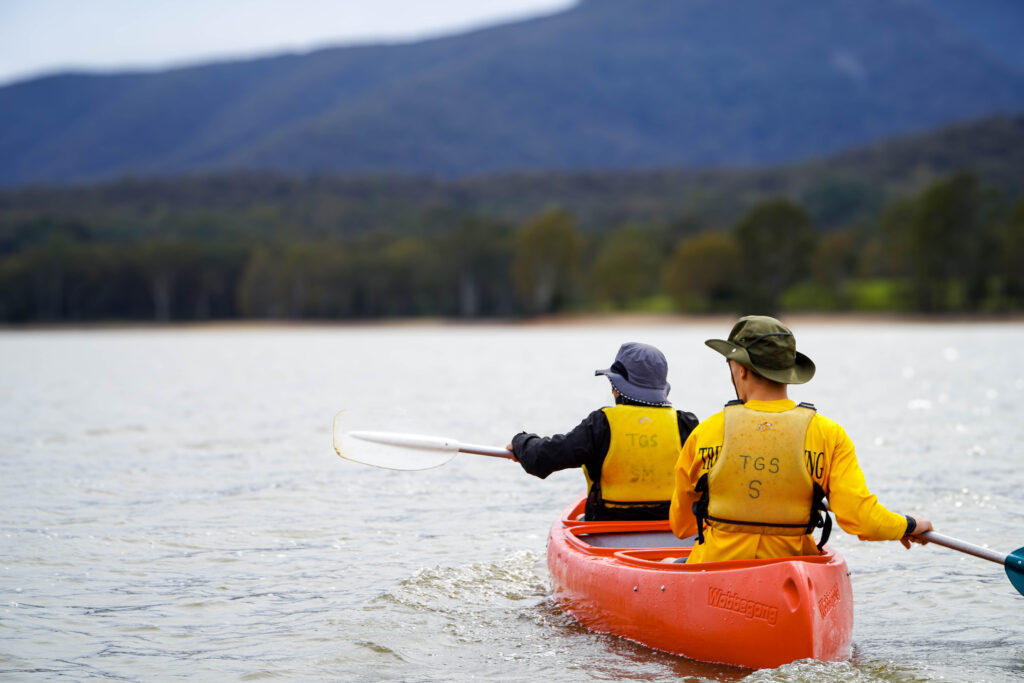
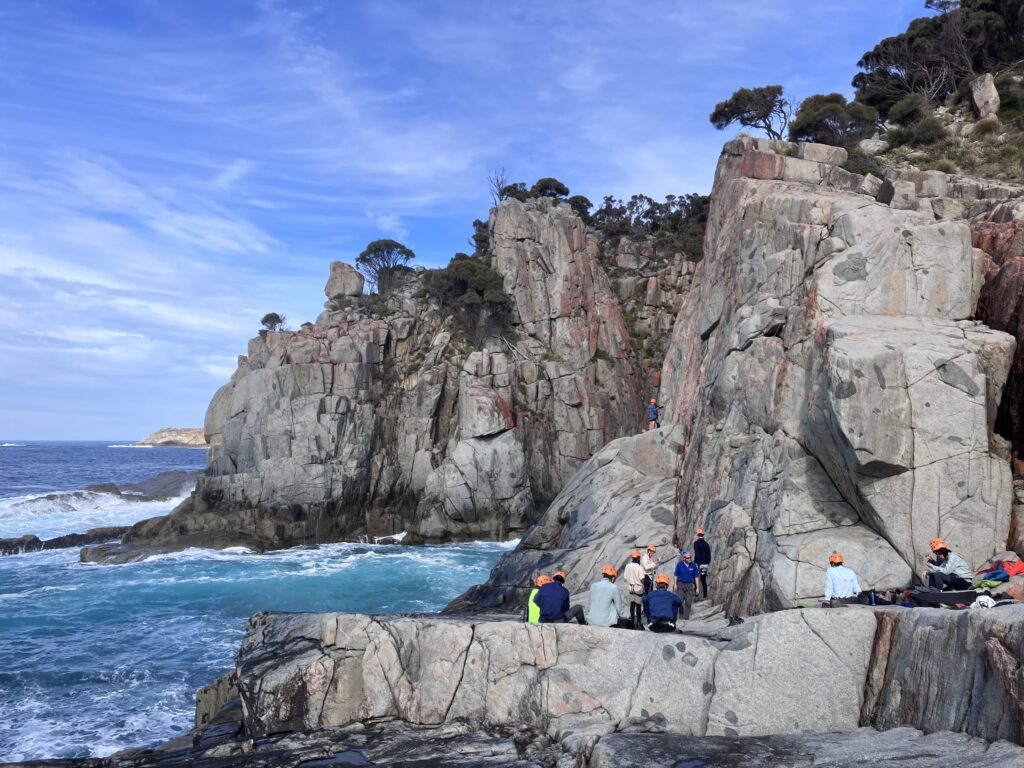
The Trinity Outdoor Education Experience
Through these experiences, younger students have access to strong role models, often looking up to senior boys and aspiring to take on similar leadership roles in the future. This creates a positive and self-sustaining culture within the school, where leadership is both modelled and valued and where students are encouraged to support and inspire each other.
The Outdoor Education program intentionally develops leadership across all year levels, with senior students taking a particularly active role in guiding younger cohorts. In doing so, they come to recognise the significant impact they have, understanding that their encouragement, guidance and conversations can uplift younger students and help them achieve their personal best.
Importantly, the relationships formed during the Outdoor Education program extend well beyond the expedition experience. Students return to school with strengthened connections and camaraderie, often continuing mentoring conversations in the schoolyard and broader school context. These shared outdoor experiences provide a foundation for ongoing positive interactions and a strong sense of community.
Leadership within the program also cultivates critical personal qualities in senior students, including patience, empathy, resilience, and the ability to communicate effectively. By mentoring younger boys, particularly when they are facing challenges such as fatigue, homesickness, or self-doubt; older students provide reassurance and support that is often pivotal to the younger students’ success.
This cycle of mentorship becomes self-perpetuating: younger students who have been supported through outdoor experiences are inspired to “pay it forward” when they become senior students themselves. In turn, they contribute to the growth and confidence of the next cohort, strengthening the culture of mentorship that sits at the heart of the program.
Ultimately, Trinity’s Outdoor Education program exemplifies the values of connection, leadership and personal growth. It strengthens the school community by building enduring relationships, fostering responsibility and developing young people who are capable, confident and committed to supporting others.
Reflections from Outdoor Education Leaders
Oliver, Year 12
You are responsible for cooking meals for an entire group, organising equipment and activities, and managing the dynamics of a group that is constantly together for days at a time with very few breaks. The camps can also be physically and mentally exhausting, which forces you to learn how to make decisions even when you are tired and under stress. Through these experiences, I have become more adaptable, resilient, and confident in my ability to lead others.
Colin, Year 12
Every choice I made as a leader on camp, every word I said, and every attitude I showed had the ability to influence the younger students around me. When something went wrong, or when the group was tired, uncertain, or challenged, they looked to me for guidance.
Having the responsibility of 11 younger students made me become the best version of myself.
Maxwell, Year 11
When you are out on camp together, everyone faces the same challenges. The freezing mornings, exhausting hikes, the heavy backpacks and the moments where you feel like giving up.
The Outdoor Education program strips away the usual school labels and groups. It does not matter who is sporty, academic, or popular as everyone becomes part of the same team.

Thomas, Year 11
Mentoring younger students showed me that small actions and words count. I remember encouraging a year 8 during a hike, a few words of encouragement from not only myself but also from other year 8 students got them over the line, this made me realise that anyone on the camp can be a leader no matter their age.
Michael, Year 11
The Outdoor Leaders Program taught me that your choices and words can really uplift those younger than you. Even at school, the younger students I took on camp still say hi to me and tell me about how they are going at school. Without the program, I don’t believe that I could have built such strong bonds with these students.
Community at the heart of Trinity
Ashley Butler, Chair of Council
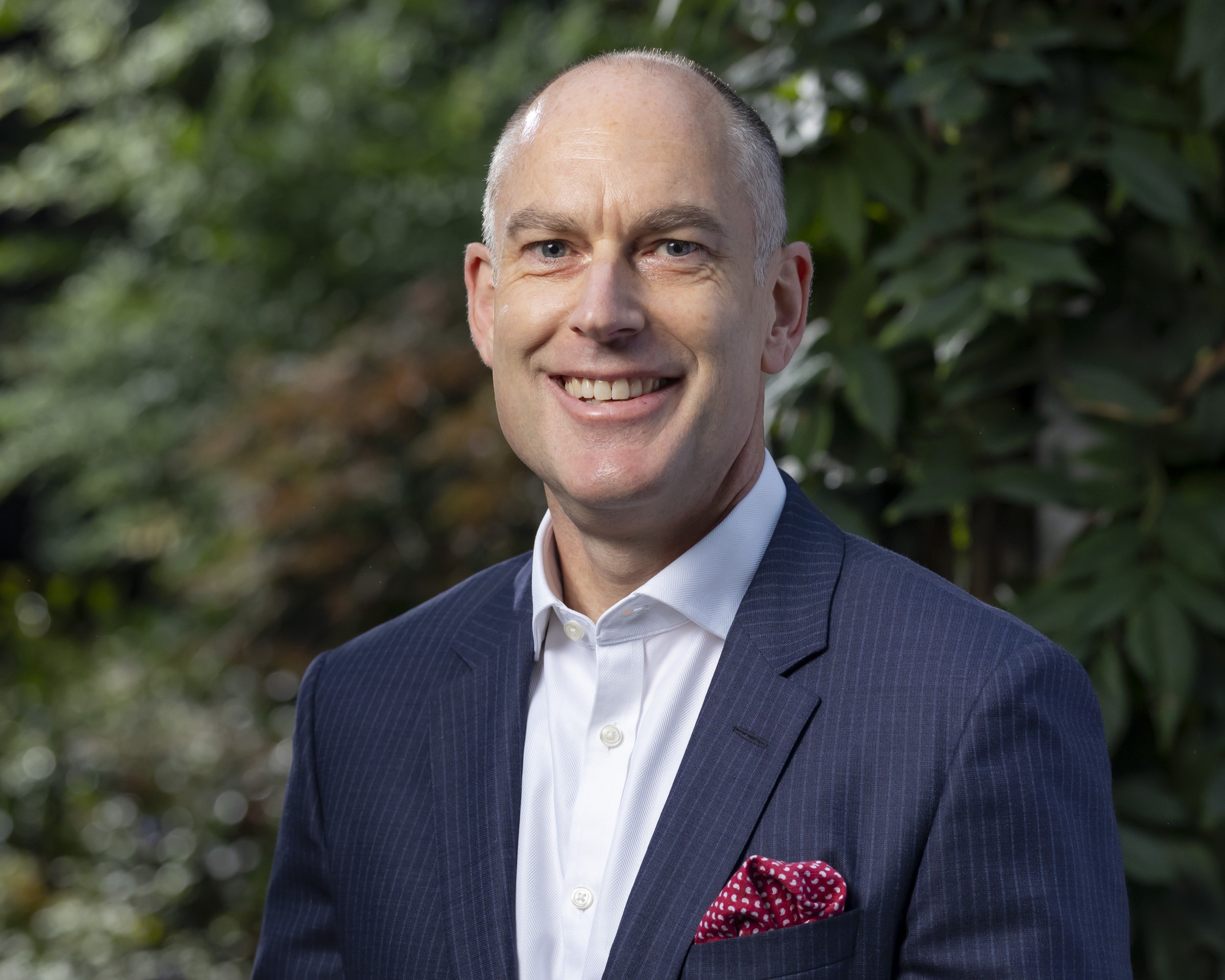
Some of the most influential people in our lives are not those who tell us what to do, but those who take the time to listen.
And when I say ‘listen’, I don’t mean looking up and over your device or not being present in the moment. I mean really listening – focusing on the person you are sharing that moment with. Effective listening; without distraction.
When we think about mentoring, it is easy to imagine wisdom being passed from one person to another.
While guidance and experience certainly have their place, some of the most powerful mentoring happens not through speaking, but through listening.
In a world that moves quickly and where information, entertainment and communication demand constant attention, being fully present for another person is becoming an increasingly valuable quality.
Whether it is a teacher with a student, an older student supporting a younger peer, a coach with a team member, a parent with a child, or a friend with a friend, meaningful connections are built when people feel heard, seen and understood. That is why our ability to slow down, listen deeply and engage thoughtfully with people and ideas is more important than ever.
The most influential mentors are those who take the time to listen carefully, ask thoughtful questions and create an environment where others feel safe to explore ideas, face challenges and discover their own path forward. Their presence communicates that you matter, and your voice deserves to be heard.
At Trinity, mentoring takes many forms, formal and informal. It can be seen in classrooms, on the sporting field, in music rehearsals, in the outdoors and in countless everyday interactions. These moments may seem small, but they leave a lasting impact. They help young people develop the confidence to take on challenges, the resilience to navigate setbacks and the self-belief to grow.
As we reflect on the theme of mentoring in this edition of The Grammarian, it is worth remembering that every single one of us has the capacity to influence the lives of others.
We do not need a title or special expertise. Sometimes, the greatest difference we can make is simply to slow down, give someone our undivided attention and be fully present.
In an increasingly distracted world, that may be one of the greatest gifts we can offer.
Tell us about a mentoring moment that made a huge difference.
We asked four members of the community to respond.


Soren
Trinity Year 6 student
My name is Soren, and as a Year 6 mentor, I challenged my social skills throughout the year by helping younger children acknowledging and connecting with them through a caring attitude and always positioning myself to help others, even when I felt outside of my comfort zone. One example of this included preventing disagreements from escalating in the school oval and helping students clear their frustration, which certainly boosted connections with younger students and even in my own grade.
Additionally, I feel like Trinity should be a welcoming environment for younger students, and that is only possible through the encouragement of older students. As a Year 6 mentor, my role in the school community is pushing others and be the older student through kind actions throughout school days. Overall, even though the year showed its difficulties, I believe I had an important role to play in guiding others, helping them in hard situations.
Mark Tobias (OTG 1984)
Trinity alumnus and current parent
The guidance, direction, and encouragement provided to me by Roger Kennedy, my Economics teacher and Trinity’s distance running coach, inspires me to this very day. Roger’s words set me on the path to university, and his philosophy became a defining influence on my career and family life.
Roger was a humorous and supportive teacher. Our relationship was positive; however, it would not be unreasonable to suggest that Roger was, at times, known for a directness that could sharply focus one’s attention on the wisdom that was about to be bestowed upon you.
Leading up to one particularly direct conversation, where my application to my studies had been somewhat lacking, the veracity and directness of his delivery clarified and focused my attention immediately. Roger’s message centred firmly on commitment, resilience and challenging me to be better. To make the most of the opportunities presented to me at Trinity, because I was capable of so much more.
My brother Joseph also had the good fortune of being taught and coached by Roger. Over the years, whenever we discuss business, sport, or any situation requiring a significant effort, we refer to it as needing a “Roger Kennedy effort”.
Today, my son William is in Year 7 at Trinity. On his first day earlier this year, I told him it was important to bring a “Roger Kennedy effort” to his time at Trinity. William asked, “Who’s Roger Kennedy?”
“Well,” I said, “he’s the reason you’re going to Trinity Grammar School.”


Anca Ryan
Current staff, Senior Teacher of French and Year 12 Mentor and current parent
When I started reflecting on a mentoring moment that made a huge difference, I realised it was impossible to isolate just one. As a Year 12 Mentor, the moments that matter most are often not the big, defining moments, but the smaller conversations that may seem insignificant at the time, and consistent support offered throughout the year (somewhere between discussions about ATAR, sleep routines and whether two-minute noodles count as proper nutrition).
Over the past five years, I have learned that meaningful mentoring begins with taking the time to ask, listen and hear. Every student has a different background, different pressures and different ways of responding to stress. In French, there is an expression, “être présent”: to truly be present for someone. I believe that captures the essence of mentoring.
Whether helping a student navigate the pressures of Year 12, reassuring someone who feels overwhelmed, or simply helping them choose the perfect formal outfit, mentoring is about consistently showing up for our students. Helping young people feel supported, understood and capable during such a formative stage of life is one of the most meaningful and rewarding parts of my role.
Sam Phillips (OTG 2022)
Trinity alumnus
After years at school, where my path had been clearly laid out for me, I found it difficult to adjust during my first year out. Suddenly, there was no structure or timetable to follow, and rather than feeling liberated, I had too much freedom and no idea what to do with it. My first year out just started drifting by without any clear goals to help me use my time productively.
My uncle Shayne helped pull me out of this rut with simple but effective advice. He encouraged me to set one clear long-term goal for each area of my life (work, university and football), then map out smaller milestones to make the bigger picture feel achievable. Even when milestones weren’t always met, working towards them kept me focused and on track.
The lesson I took from this was: whenever you feel lost, set a goal and write a plan. Even if it doesn’t go as planned, you’ll have made progress you otherwise wouldn’t have.

Year 10 Media student, Cooper Gregory, explored the use of AI- assisted media production tools by utilising Firefox to generate the above animated GIFs from photographs.
In collaboration with Media teacher, Ms Richter, he experimented with prompt engineering and preset selection to produce these animations.
Photography by Year 10 student Jensen Barlow as part of creative Photoshop tasks: Scaled Self and Multiple Me.
News of Old Trinity Grammarians
King’s Birthday Honours Awards
Congratulations to the following Old Grammarians and other members of our community who received King’s Birthday Honours Awards on Monday 8 June 2026:
David McCammon (OTG 1994 and member Gallery of Achievement) was awarded an AM for exceptional performance of duties as Commander 3rd Brigade and Commander Australian Army Cadets.
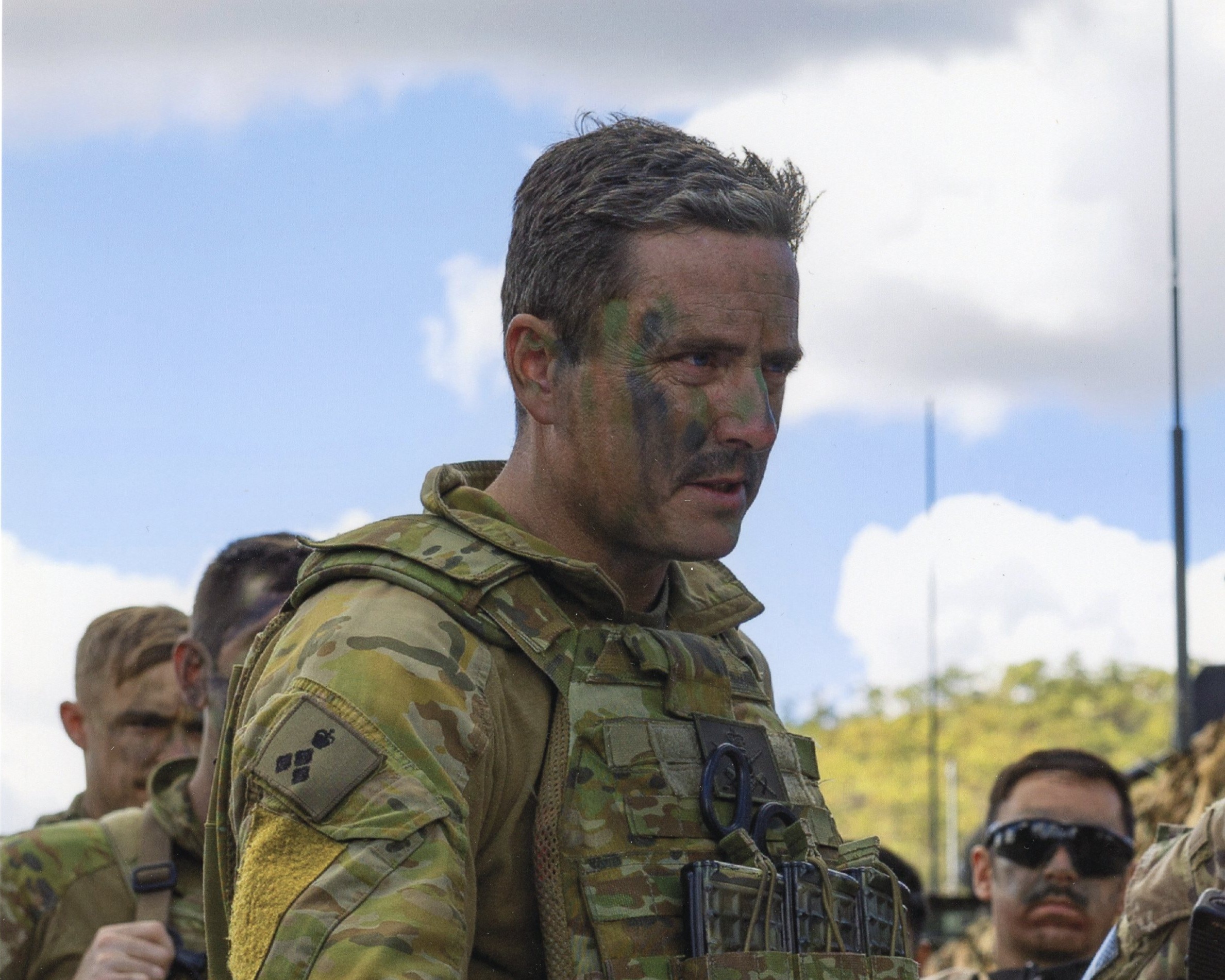
Konrad Pesudovs (OTG 1986) was awarded an AM for significant service to optometry and ophthalmology research and to clinical education and training.
Rick Tudor (Former Headmaster 2000-2013) was awarded an AM for significant service to secondary education governance, and to the not-for-profit sector. Rick also holds an OAM.
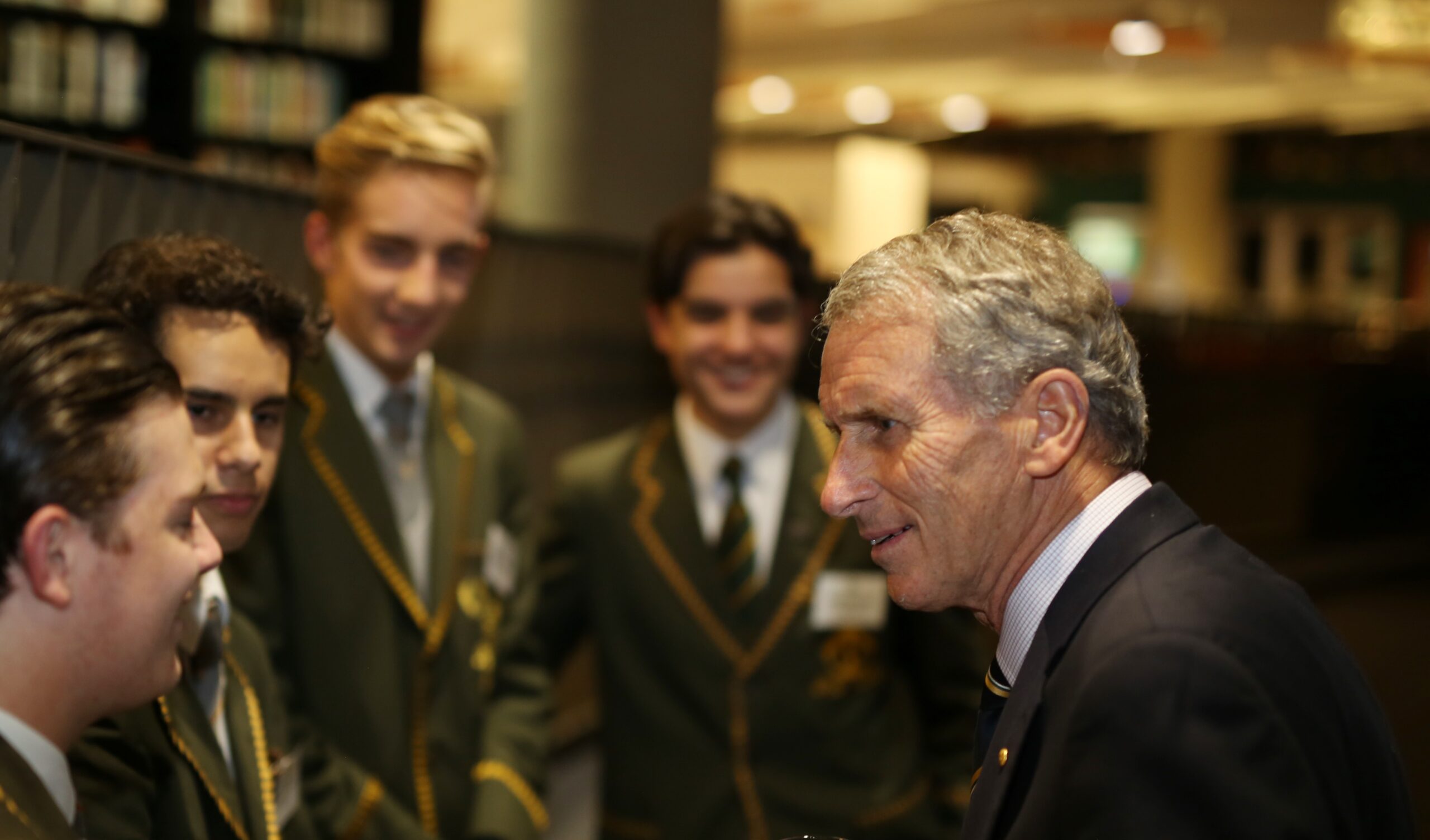
Saurabh Misra father of Rish Misra (OTG 2017) recognised with an OAM for his service to the community through a range of organisations, including over two decades volunteering at a palliative care centre.
Catherine O’Leary, former member of staff and mother of Jonathan O’Leary (OTG 2011) and Peter O’Leary (OTG 2014) was awarded an OAM for service to the community through a range of roles (including her role as volunteer physiotherapist of the TGS Kayaking team)
Nikki du Toit (OTG 2025) caught up with Principal, Adrian Farrer and former Headmaster, Rick Tudor, at the MITS (Melbourne Indigenous Transition School) NT Principals Conference in Darwin in May 2026.
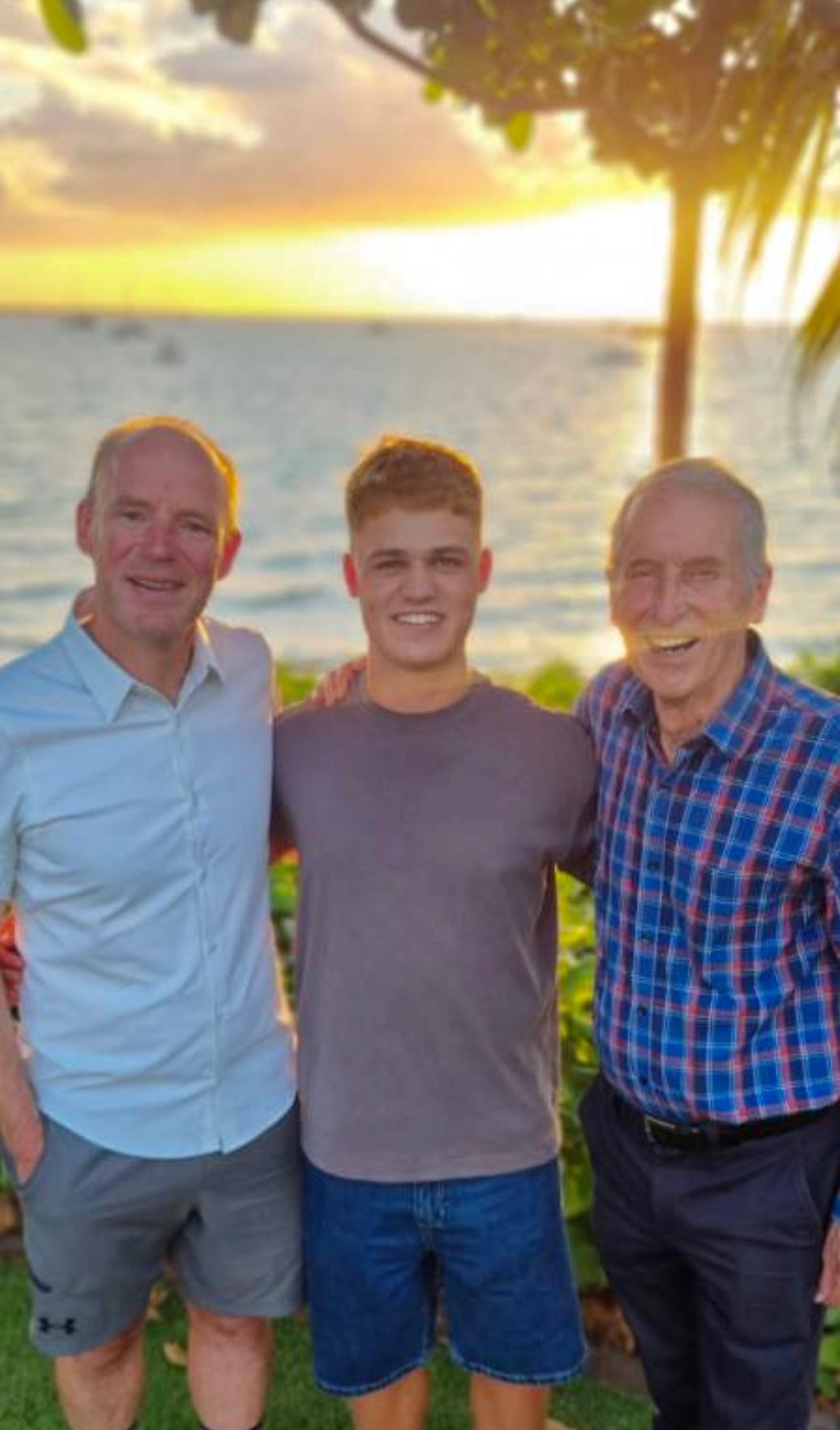
Cameron Dusting (OTG 2013) reached out to let us know he is continuing his study at LAGCC CUNY in Queens, New York City.
In an amazing coincidence, former member of staff, Kate Hall, caught up with Imran Shamsul (OTG 2004) at the arrivals hall at Helsinki Airport. Imran is based in Helsinki, is married to a Finnish local and works in design.

It was great to catch up with Phil Sutton (OTG 1974) at the recent Gold Mitre Lunch. Phil is an AFLUA Life Member and was recently inducted into the AFL Premiership Players Club. The organisation exists to recognise players, coaches and officials who have achieved the ultimate in VFL/AFL football.
Phil was honoured in recognition of his 243 VFL/AFL games which included 17 finals and two grand finals in 1983 and 1990. He was awarded AFLUA Life Membership in 1991.
To mark the occasion, Phil has been honoured with his own stamp to celebrate on this well deserved honour.
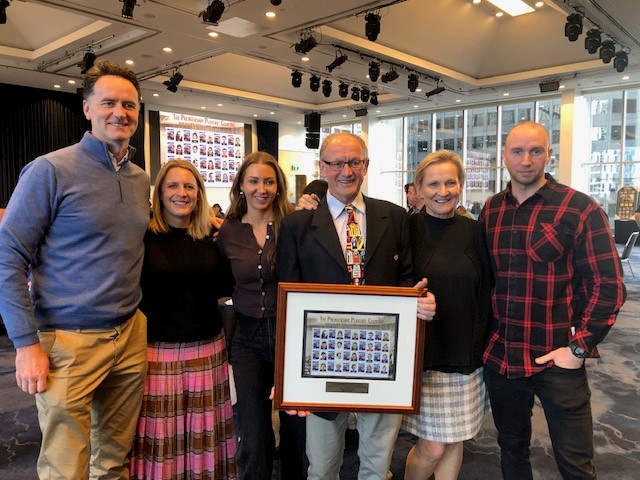
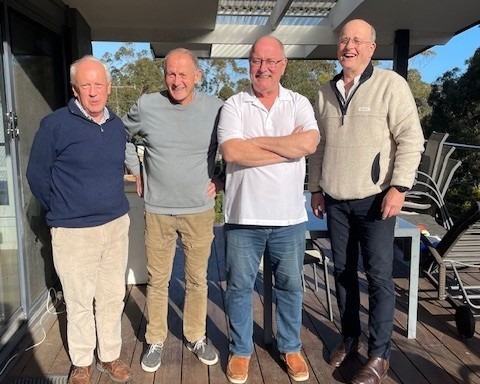
At Trinity, Phil was a member of the St Paul’s choir and recently held a reunion with fellow choristers (pictured) at his home with Ian Hamer, Phil Sutton, Ross Campbell and Don Campbell.
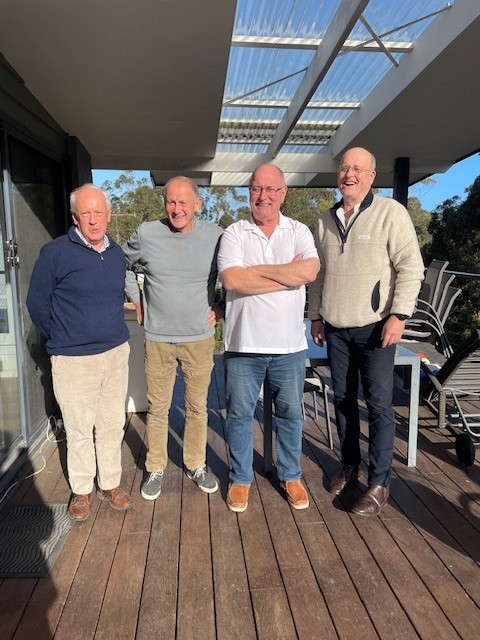
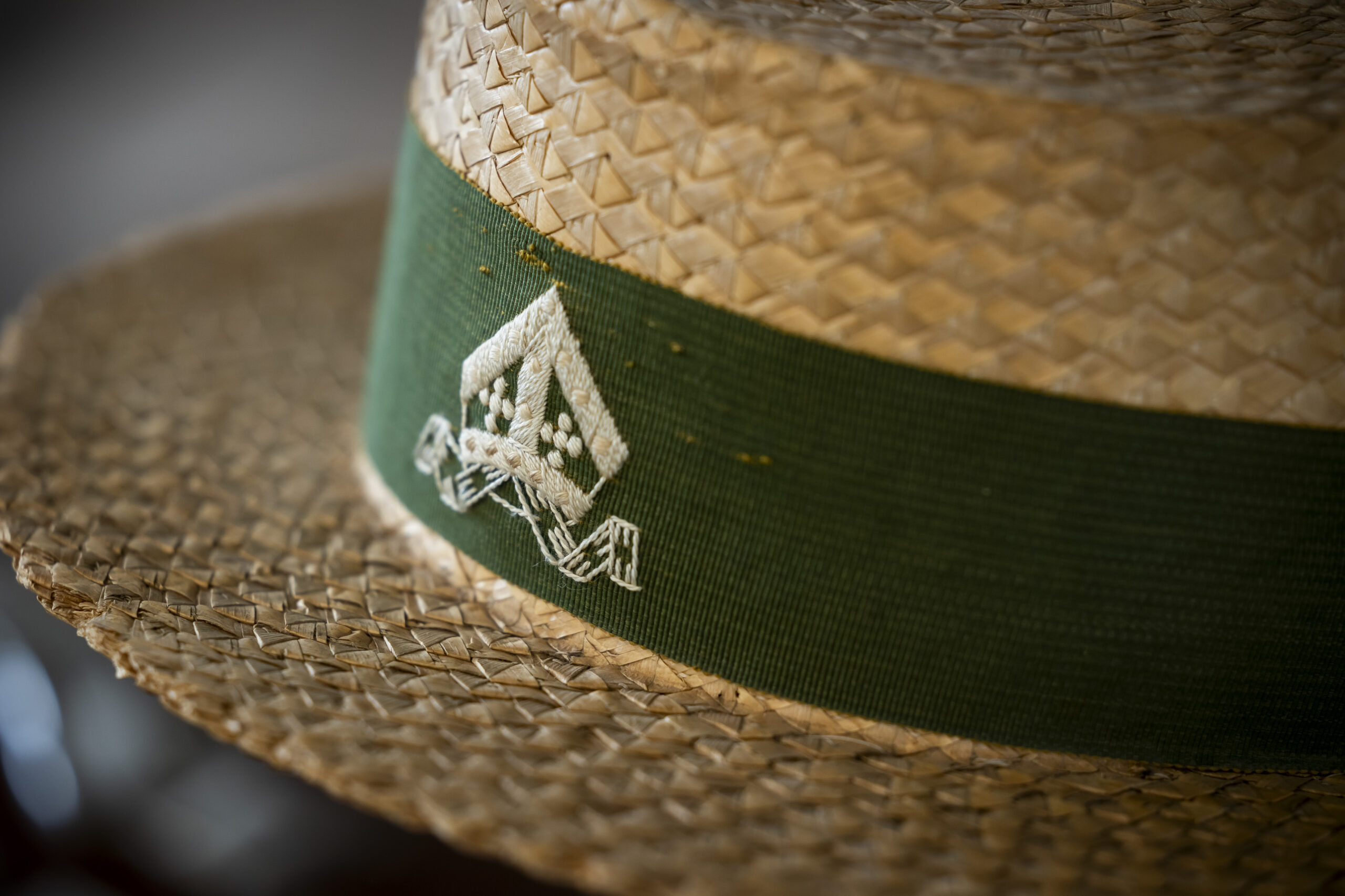
Phil’s grandfathers both attended Trinity in the early 1900s, Frederick Day (OTG 1916) and Kingsley Sutton (OTG 1923). The Sutton family date back to Canon George Sutton who was the Vicar at Holy Trinity from 1904-1934 and Trinity’s Sutton House has been named in his honour.
In Memoriam
It is with deep sadness that we share the news of the passing of the following members of the Trinity community. Our condolences to their family and friends.
Old Trinity Grammarians
John Gaunson (OTG 1960) sadly passed away in May 2026, he attended Trinity from 1957-60 and was a member of Henty House.
Staff
Peter Prentice (1967-1977) a former member of staff and Trinity Chaplain, passed away in May.
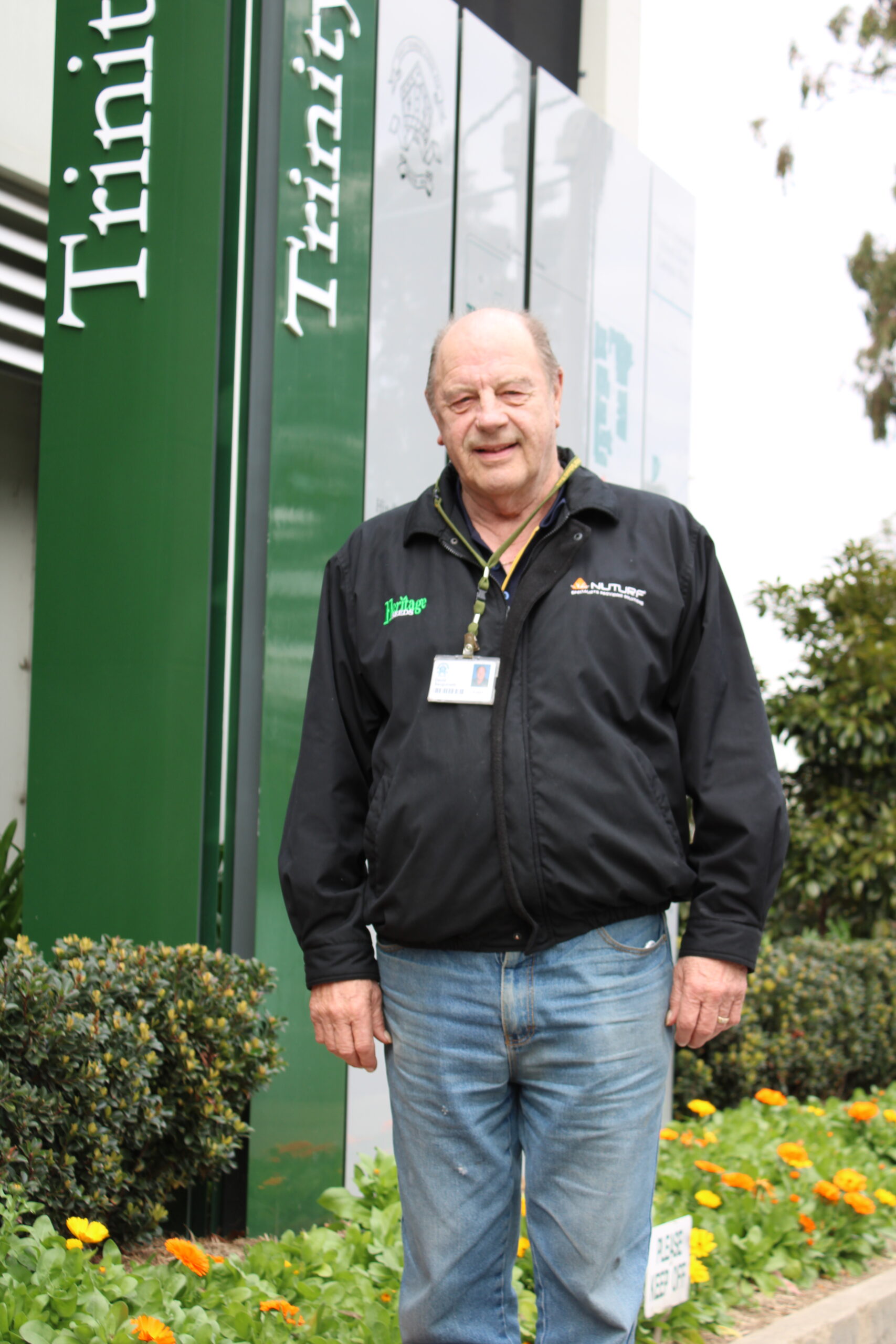
David Sanguinetti (1968-2026) was a truly dedicated member of the Trinity Grammar School staff for over half a century, his years of service were significant and unmatched.
As groundskeeper and caretaker across two campuses, particularly the Marles Playing Fields, David became an iconic figure within the Trinity community – a community he cared for deeply. He served with great pride, preparing the school’s grounds to the highest standard, from which thousands of students, staff, families and OTGs have benefited. An extraordinary contribution, his legacy is rich and enduring.
Recently unwell, David remained engaged right through to the present. Our heartfelt condolences to Reea and Glenn (OTG 1986) and their extended family.
David’s funeral service was held at Trinity on Thursday 21 May at the Chapel of the Holy Trinity, Trinity Grammar School, Kew, and then followed by refreshments in the P&F Hall.
Passing down family values, culture and life lessons
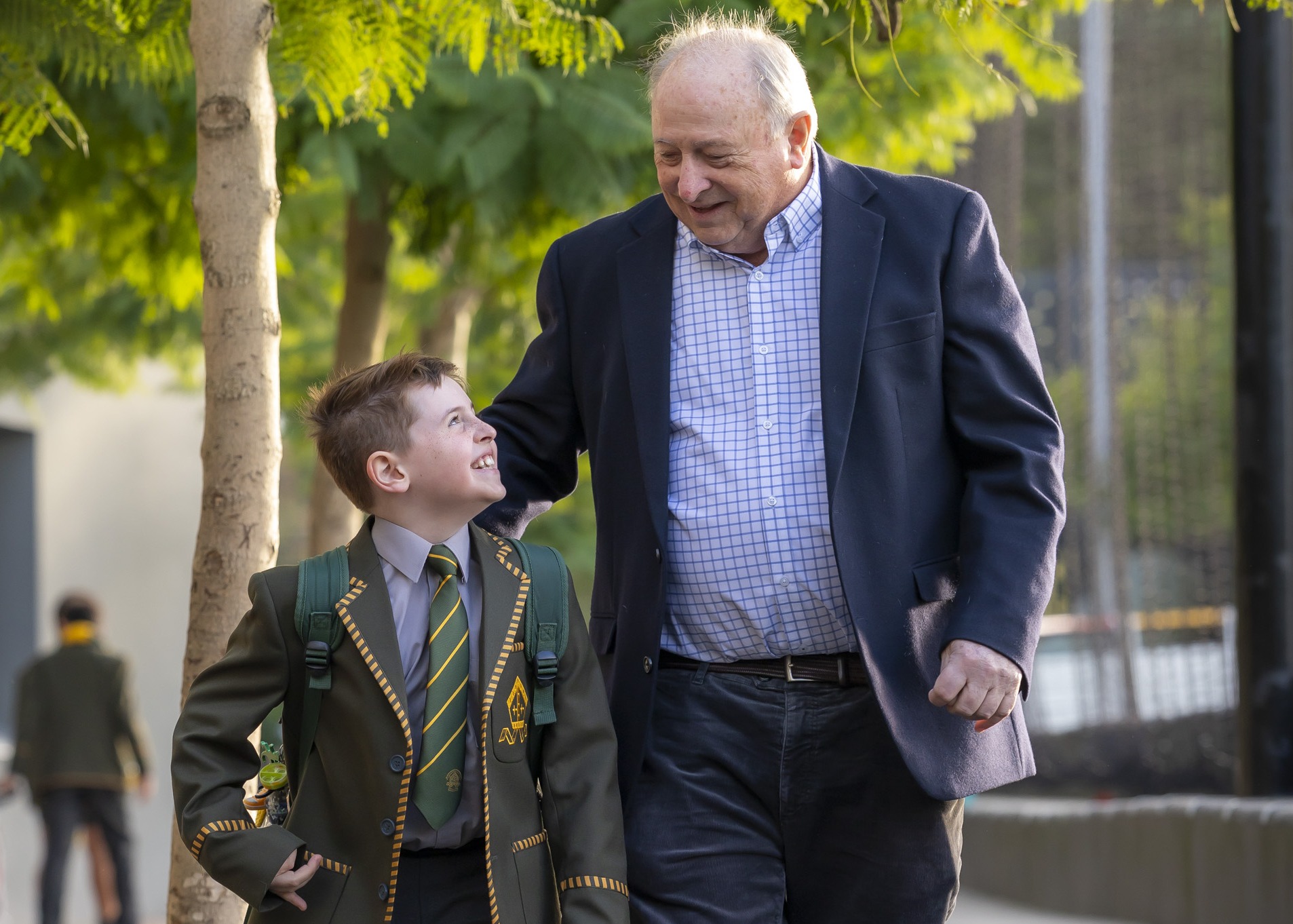
For many families in the Junior School, the bond between children and their grandparents is woven into everyday moments, shared stories and the lasting connections that help shape family life.
For the Sim and Slater families, the relationship between children and grandparents is more than special: it is a source of joy and guidance across generations. They are present at drop off and pick up most days, providing the opportunity to talk, debrief and make memories that will last a lifetime.
“We delight in watching them gain confidence, mix well with friends and see them grow well academically, socially and emotionally,” says Clara Sim.
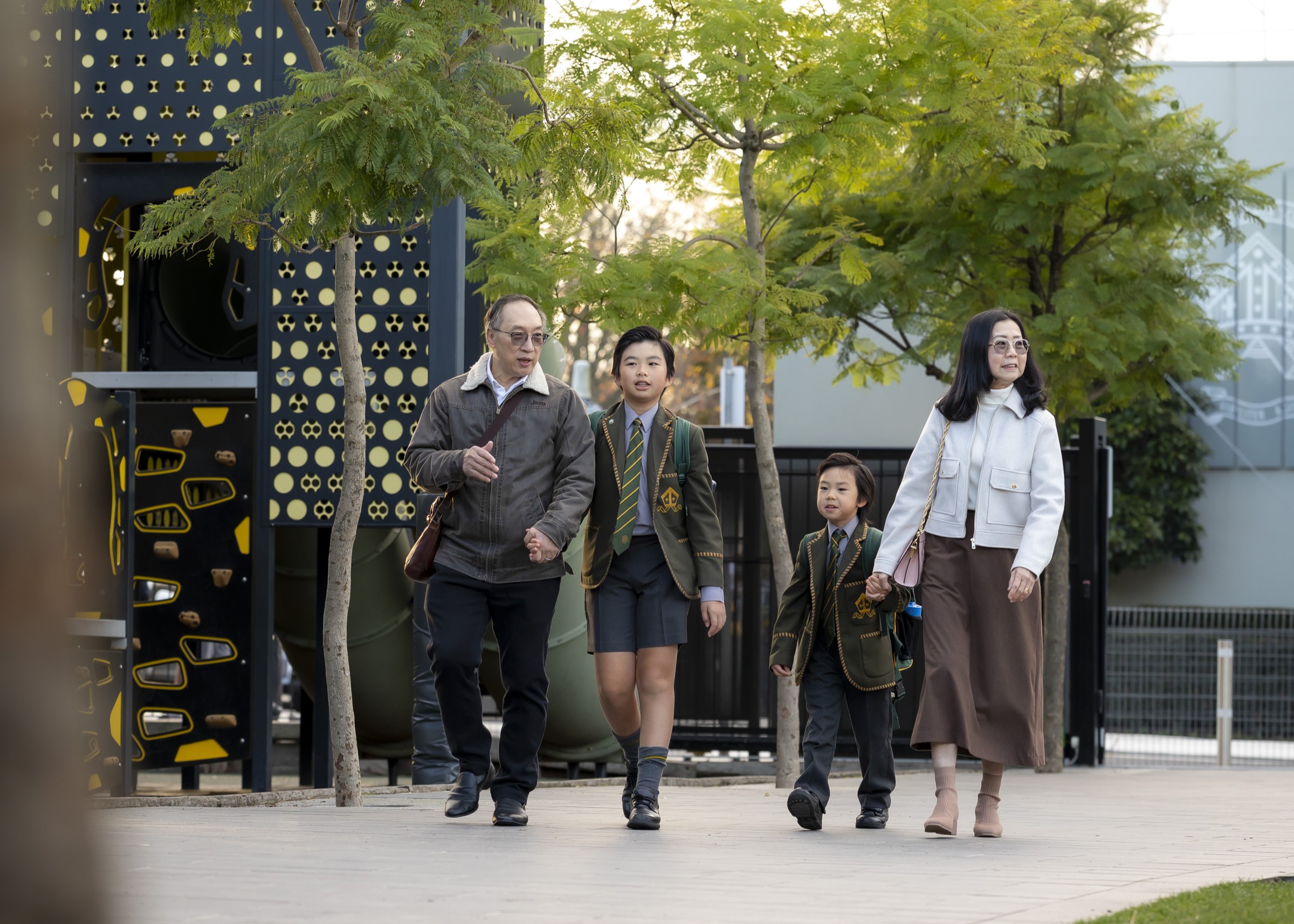
Clara and Linson Sim have taken care of their grandsons, Ryan (Year 6) and Alexander (Year 1), since they were very young.
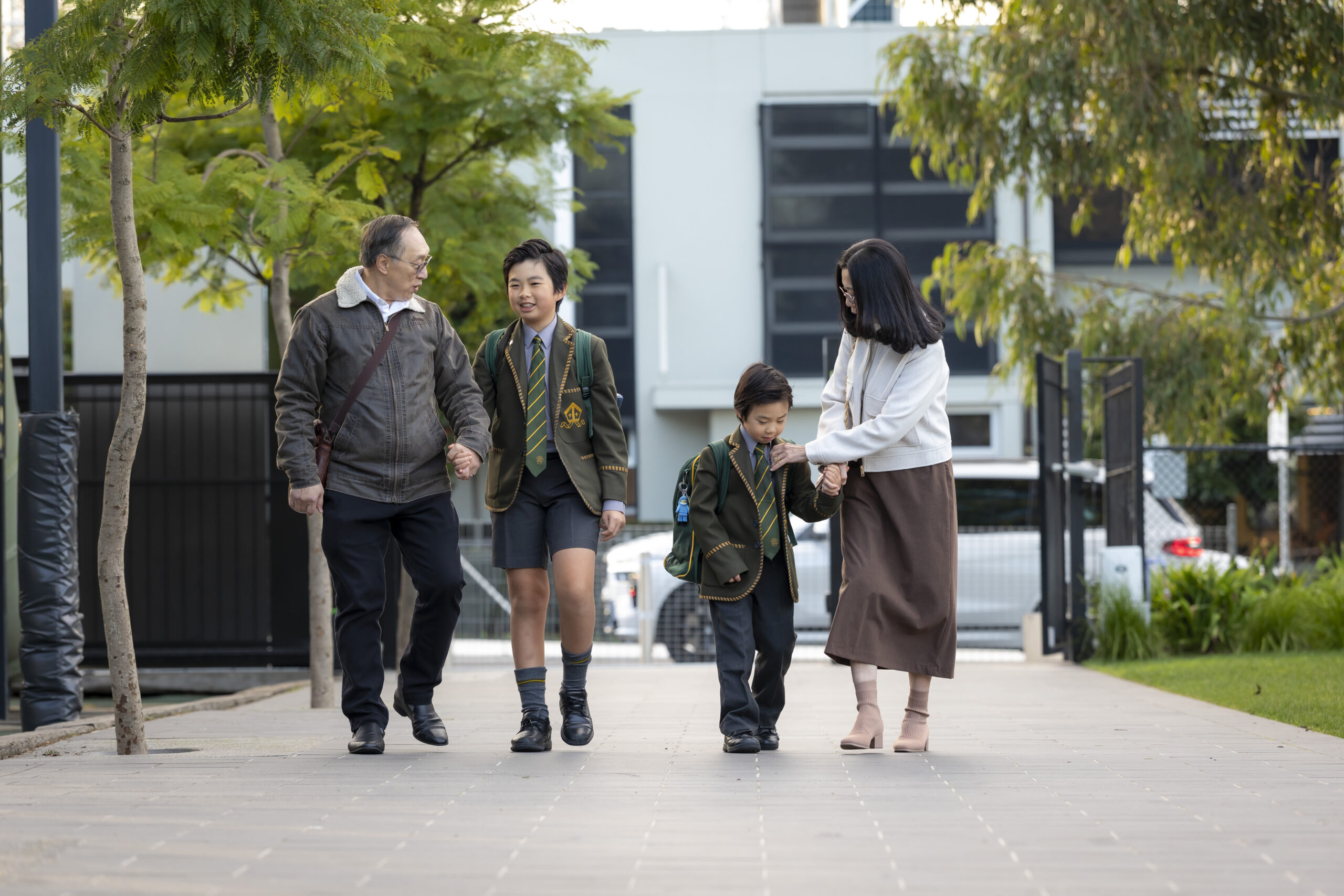
“We are actively involved in our grandsons’ lives by spending quality time with them, supporting their interests, attending their activities when possible and encouraging them in learning and personal growth,” they explain.
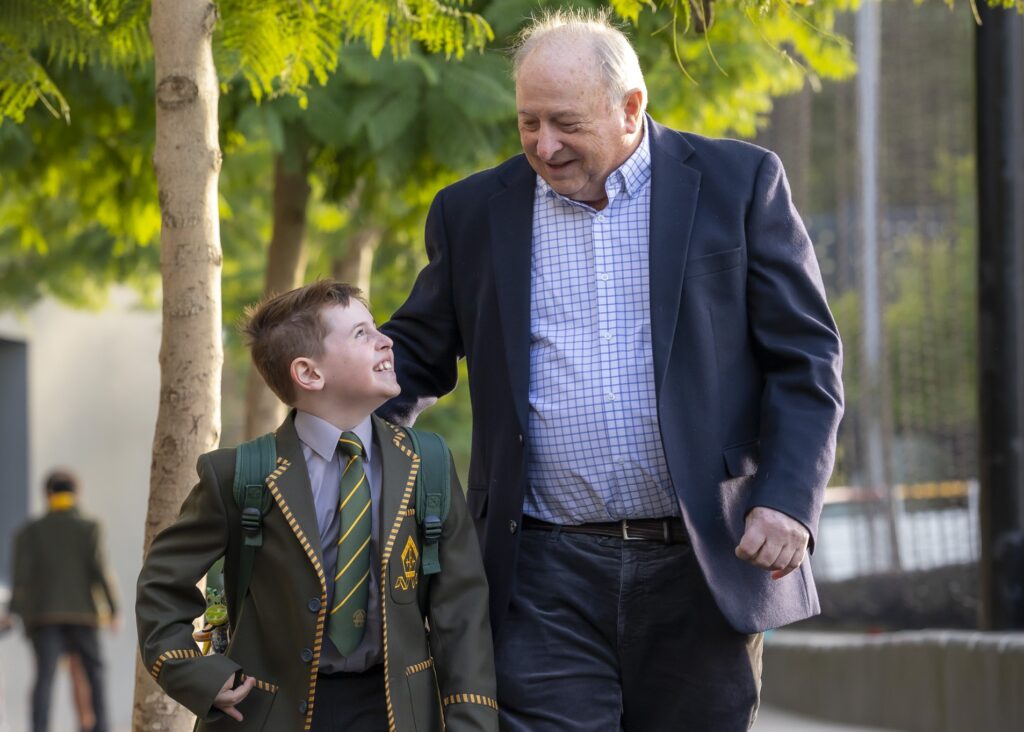
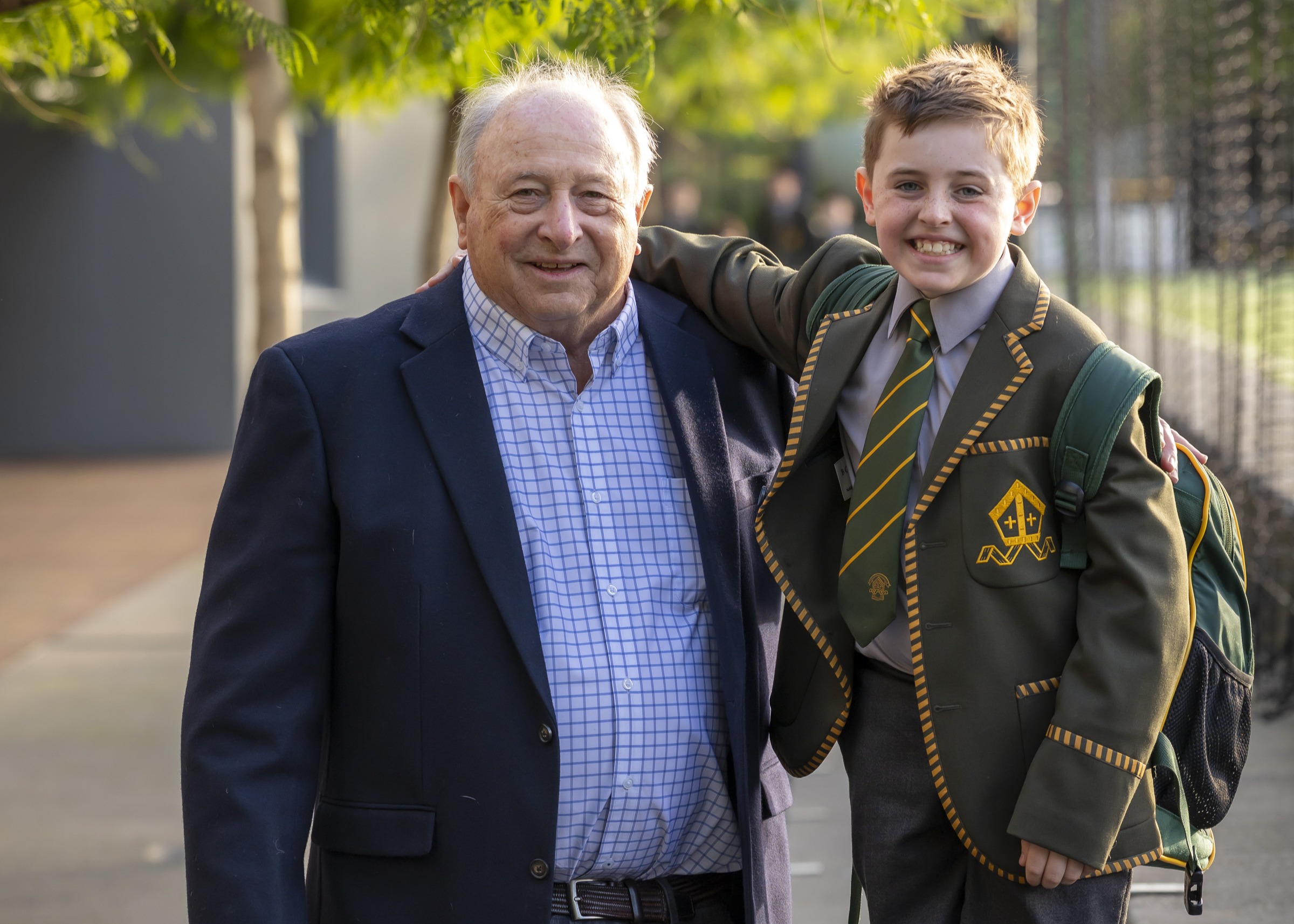
The Slaters are a “very tightknit family”. Charlie in Year 2 shares a special bond with his grandfather, Robert Christie (OTG 1967).
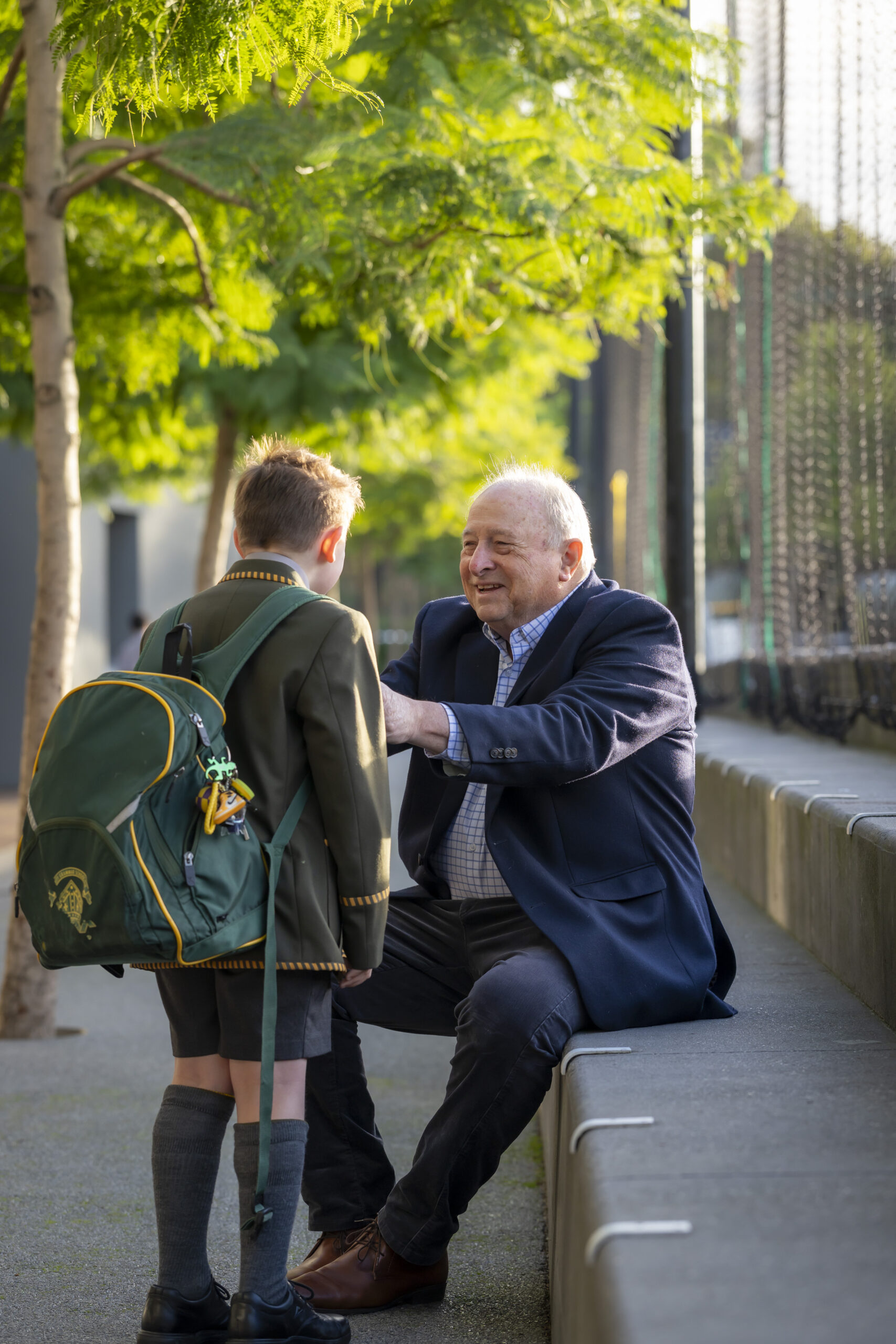
“The Trinity connection is special to me, as I have very fond memories of school,” explains Robert.
“I tell Charlie all about what it was like in my day going to school, from uniforms, school buildings and how lucky he is to have all these latter improvements.”
Robert joined Trinity in 1960, at age 10, and his first classroom in Year 5 was almost in exactly the same position as Charlie’s current Year 2 classroom.
Charlie finds this connection with his grandfather’s school significant and likes that he was a part of the Trinity community before him.
He tells me stories about his time at Trinity and reminds me how I am very privileged to go to a great school.
– Charlie, Year 2
“He tells me stories about his time at Trinity and reminds me how I am very privileged to go to a great school,” says Charlie.
“When he (Robert) was here, school was stricter and you had to tuck your shirt in all day. We have to tuck our shirt in a lot now, but my grandpa even had to tuck his shirt in at recess and lunch!”
Ryan and Alexander also share a very close bond with their grandparents, Clara and Linson.
“I feel a different kind of connection with them that I don’t share with my parents,” says Ryan.
His brother, Alexander, thinks his grandparents are really kind.
“They are different because my grandparents cook more food than my mummy and daddy,” Alexander says.
The Sims hope to teach their grandsons the importance of faith, kindness, respect, perseverance and maintaining strong family relationships.
“The connection is very important because we as grandparents help to pass down family values, culture and life lessons,” observes Linson.
For the students, they each reflect on elements of time spent with their grandparents that they most value.
“I love watching TV with my grandpa, especially sports. We both like soccer. I also like playing down ball with him and we often play soccer,” says Charlie.
While for Alexander, “I like playing with them and I just like having fun with them”.
Ryan enjoys chatting and spending time with his grandparents. A highlight is seeing his grandparents after school.
“I feel like all of my problems lift away,” he says.
Clara and Linson, along with Robert, agree that the being involved with their grandchildren is one of the most important aspects in their lives. This involvement provides the opportunity to help guide and mentor their grandchildren, supporting all of their endeavours.
“We are involved in our grandchildren’s activities almost every day, in one form or another,” Robert says.
“Be present in your children and grandchildren’s lives and show unconditional love, be patient and create lasting memories together,” Clara concludes.