- Winter 2026
- |
- From the Principal
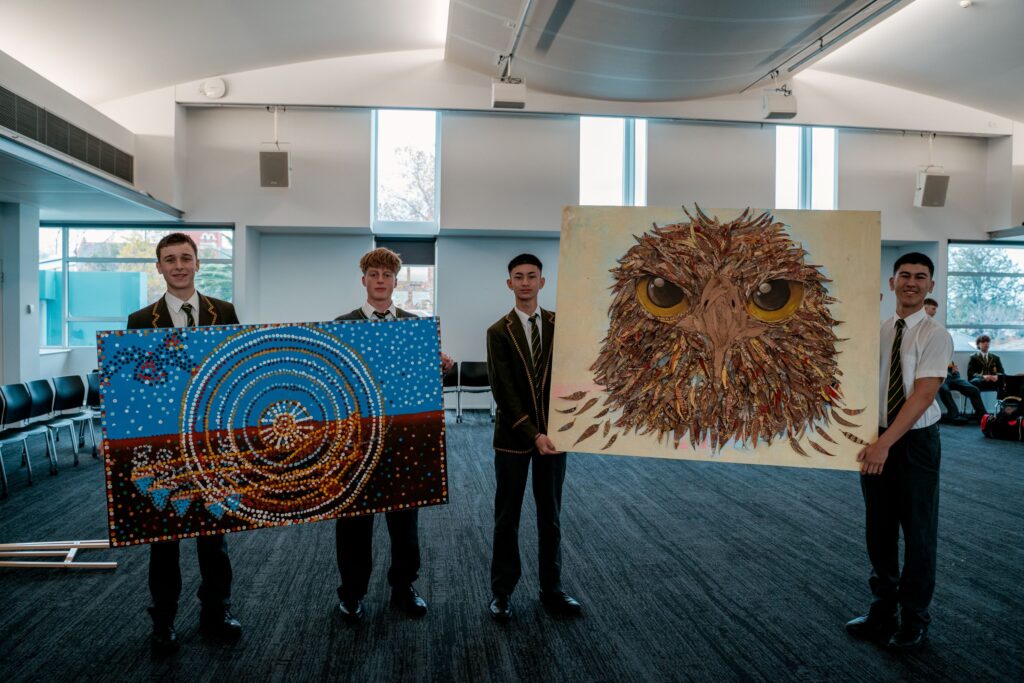
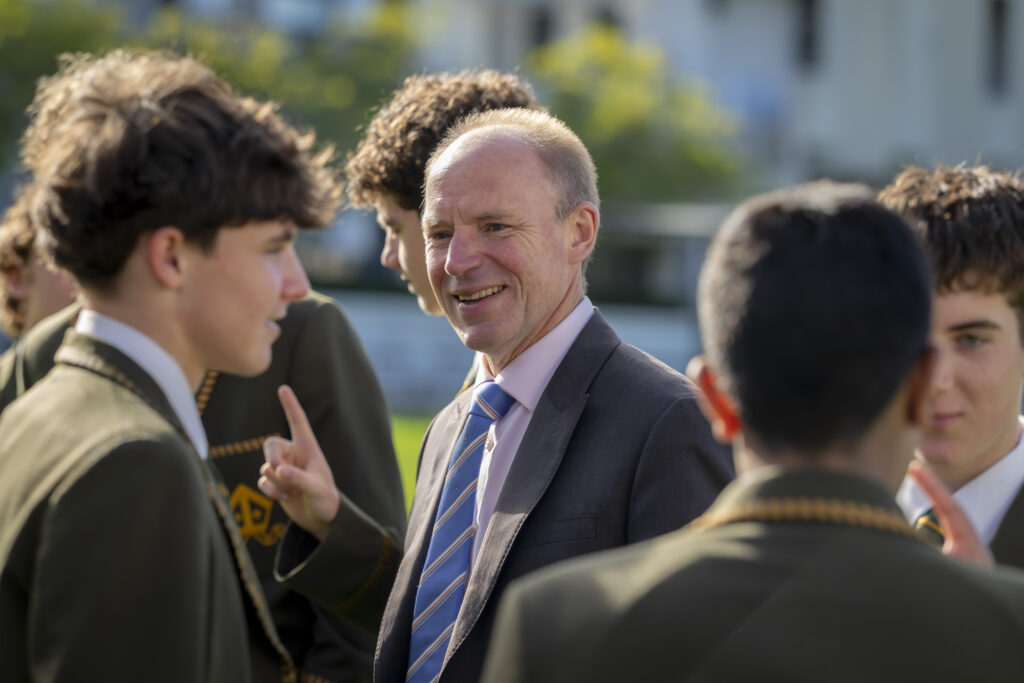


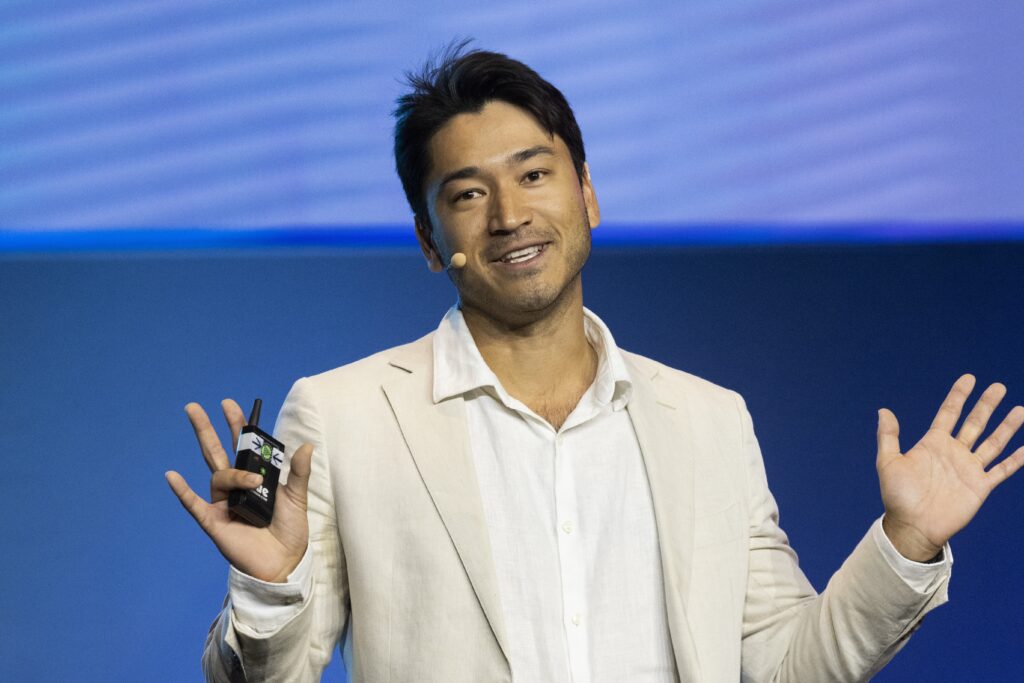





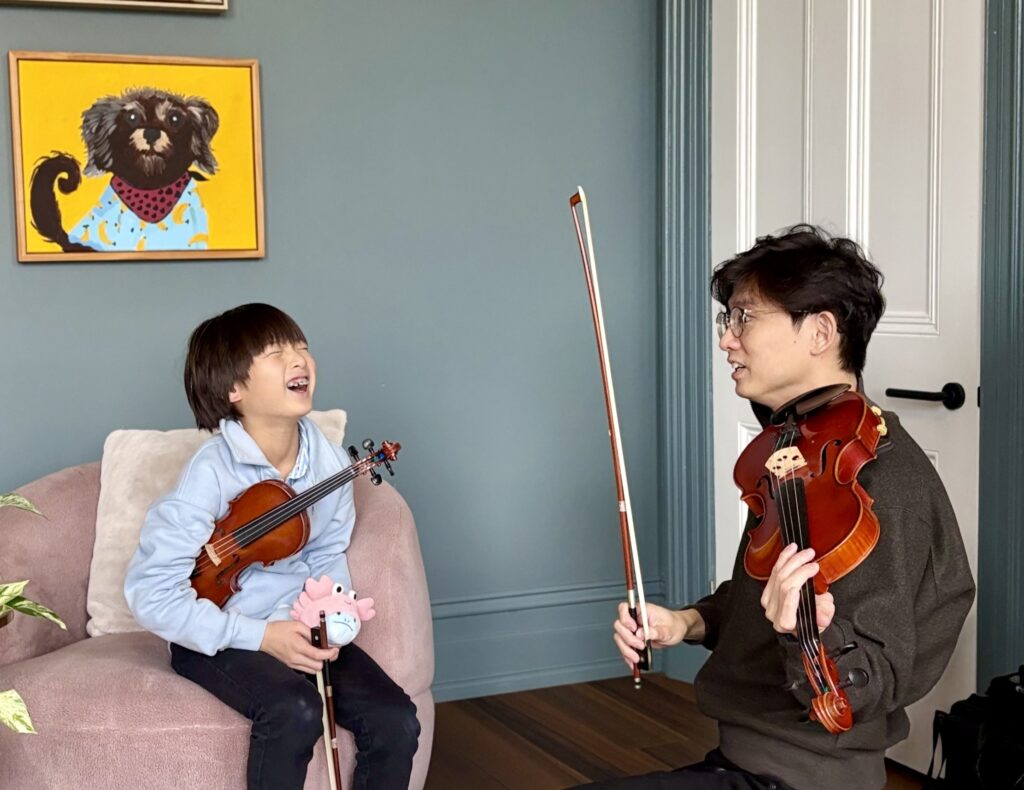







Diversity is a fact. Inclusion is a choice
Adrian Farrer, Principal
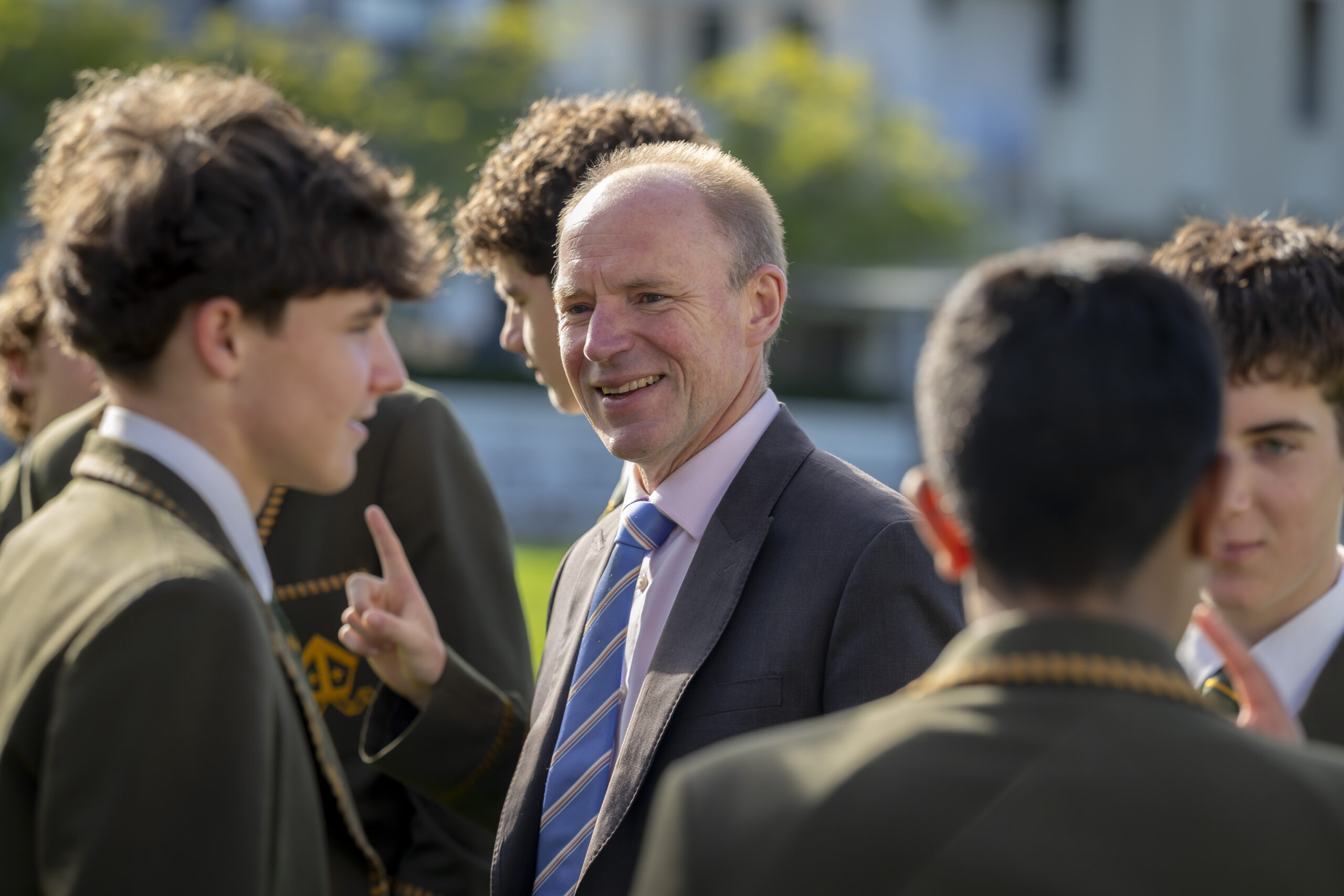
One of the greatest privileges of working in a school is witnessing the influence people have on one another. Every conversation, every act of encouragement and every example we set has the potential to shape a person’s journey. That is the essence of mentoring. It is also where leadership begins.
The best mentors and leaders understand that influence is not measured by titles or positions, but by the culture they help create and the values they model. They listen, they include, they show respect and help others feel like they belong. The diversity of our school is one of its greatest assets, but diversity alone does not create belonging. Diversity is a fact. Inclusion is a choice – one that every generation of our community must consciously make.
A photograph of Trinity’s student body from 1911 hangs in our Boardroom. Among the 267 students pictured, only one boy had a surname that would have been considered outside the school’s predominantly Anglo-Saxon community. I often wonder what his experience of Trinity was. Being noticeably different, did he feel that he truly belonged? Did he feel he had a voice? Those questions are worth asking because they challenge every generation to consider the culture it creates.
Today, our community reflects a far broader range of cultures, backgrounds and perspectives. We are richer because of that diversity. Yet, like every school, we are part of a broader society and are not immune from its challenges. In a boys’ school there can sometimes be pressure to fit a particular mould – to look a certain way, act a certain way, speak a certain way or hide vulnerability. Real strength lies in having the confidence to respect difference, show empathy and ensure others feel seen, heard and valued.
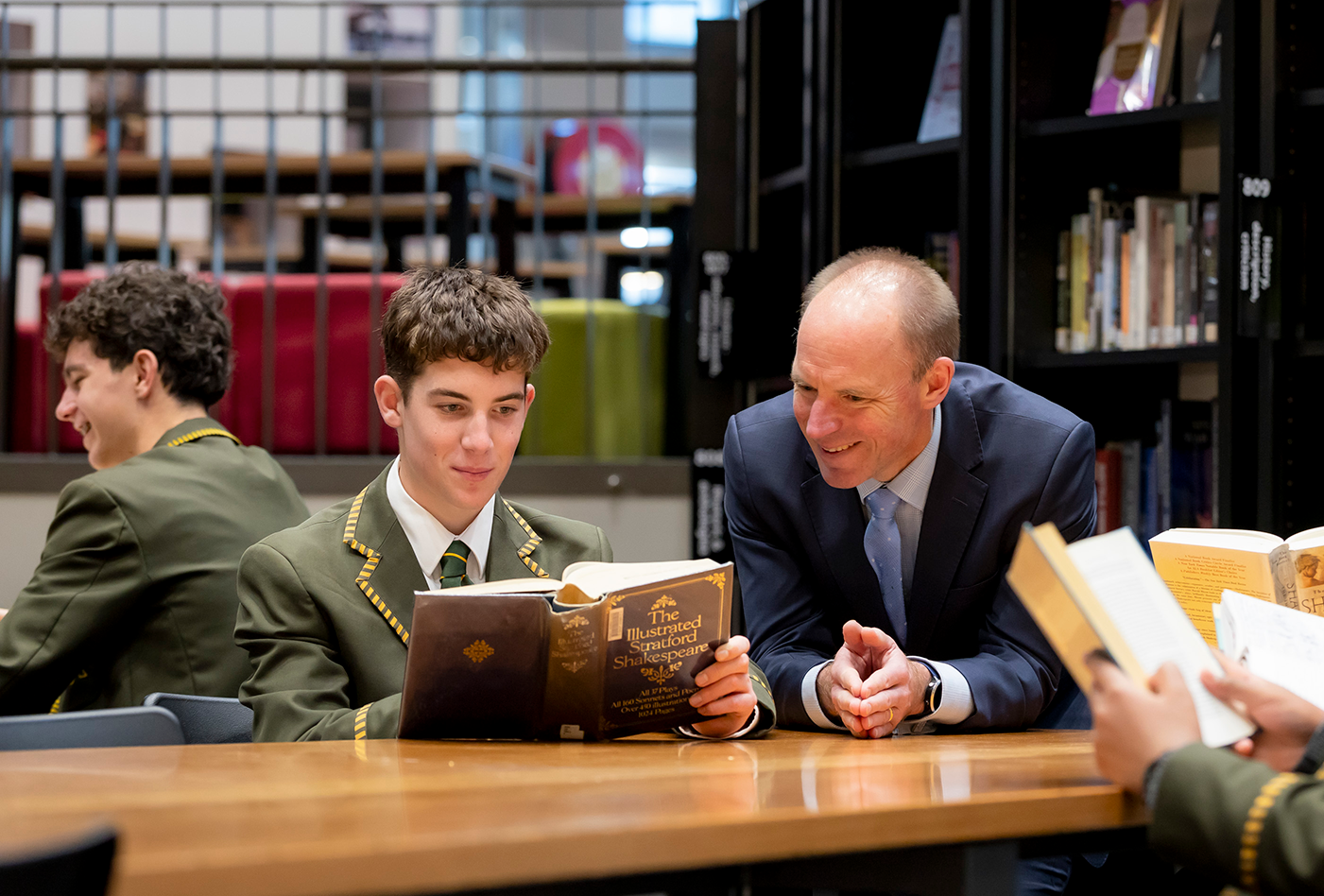
This responsibility is especially important in a world where young men are exposed to an unprecedented volume of information and competing messages about identity and what it means to be a man. Some of those messages present a narrow and distorted view of masculinity. More than ever, our students need mentors who encourage them to think critically, question what they see and hear, and return to the values that define good character: integrity, kindness, humility and respect.
This is one of the reasons inclusion matters so deeply. Inclusion is not simply about tolerance. It is about active respect. It is choosing to invite someone into the conversation. It is noticing the student standing alone. It is listening carefully when someone’s experience differs from your own. It is understanding that words matter, jokes matter and the culture we create together matters. Every one of us contributes to that culture every day.
Mentoring is one of the most powerful ways we shape that culture. Every interaction between a teacher and student, an older student and a younger one, a coach and an athlete, or simply between peers is an opportunity to demonstrate what thoughtful leadership looks like. These everyday moments teach young people not only how to succeed, but how to lead with empathy, humility and courage.

These everyday moments teach young people not only how to succeed, but how to lead with empathy, humility and courage.
– Principal, Adrian Farrer

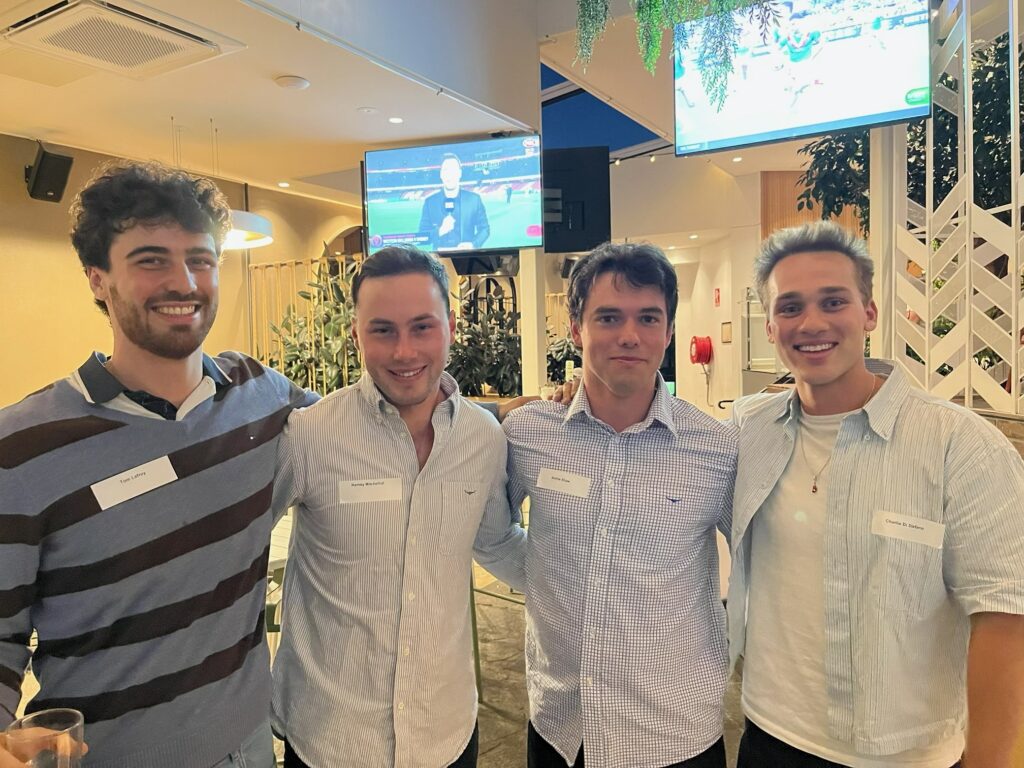
In Term 2, during the last day of our signature “Learning Journeys” program taking place at The Marles Playing Fields, I witnessed some of our young old boys working with our Year 8s in a mentoring role that has played out over many generations of Trinity boys. They were terrific. They guided rich and necessary conversations with the boys about masculinity and what it looks like in contemporary Australia. They talked about what it is to be an empathetic man. They reflected on the diverse versions of positive masculinity that they see around them in our community and beyond. It was a pleasure to see both age groups – the 14-year-olds and the 20-year-olds – engage in such meaningful ways over such important matters. Moments such as these help our students grow, and help us fulfil our role of growing them up to leave.
As our students move beyond the familiar surrounds of Trinity, they will enter universities, workplaces and communities that are increasingly diverse. Their ability to work with people different from themselves – with respect, humility and understanding – will define not only their success, but their character.
Ultimately, the measure of a great school is not only how well its students perform, but how well they care for one another. It matters how inclusive they are. If our students leave Trinity understanding that leadership begins with inclusion, mentoring begins with example, and every person deserves to feel known, valued and respected, then we will have prepared them not only for what lies ahead, but for the kind of people they are called to become.