
- Winter 2026
- |
- Page 2
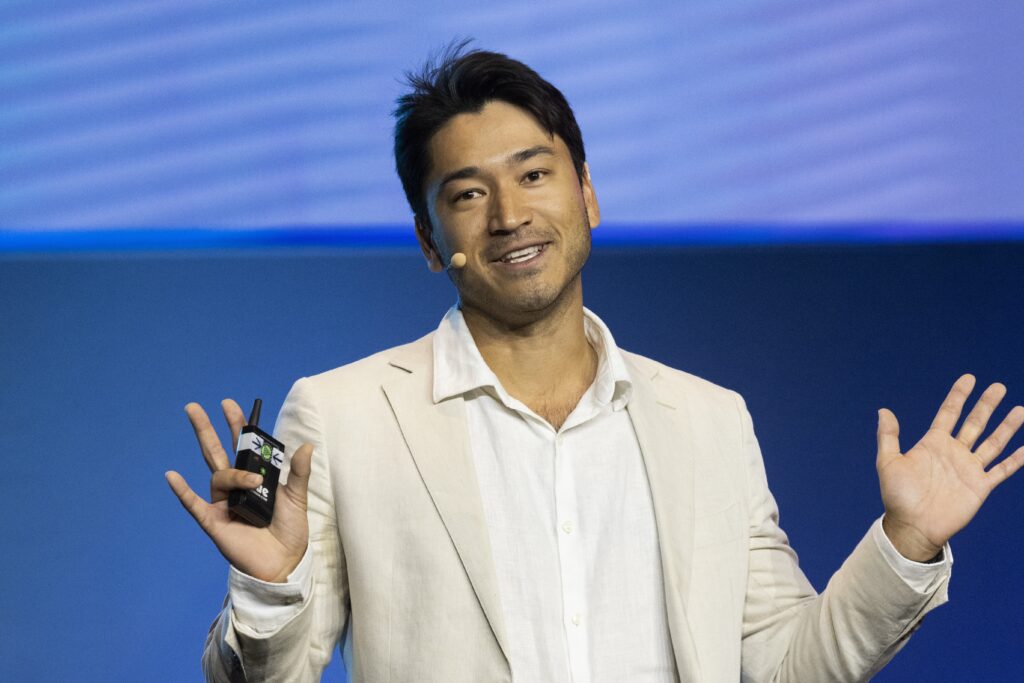

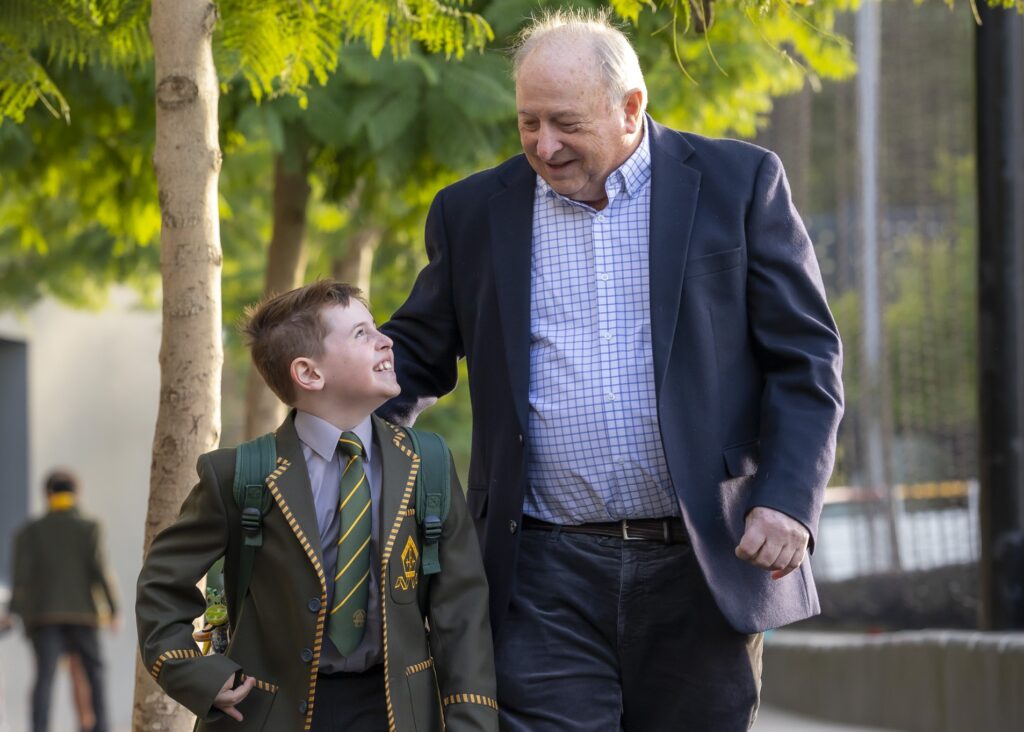



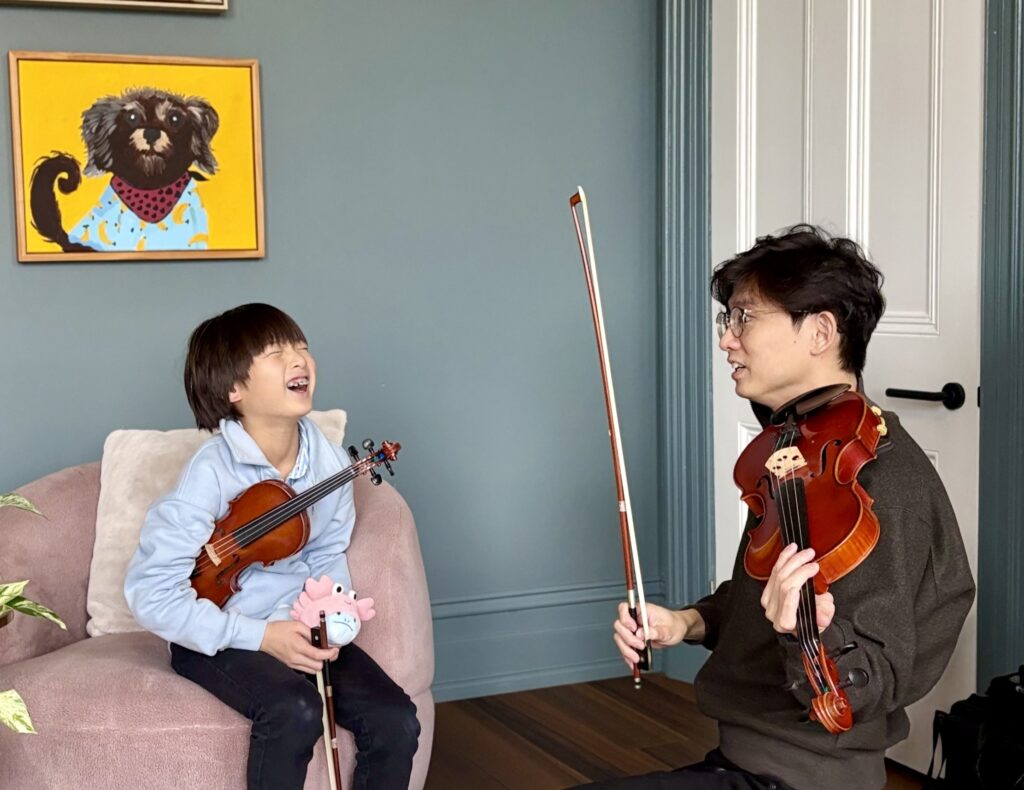


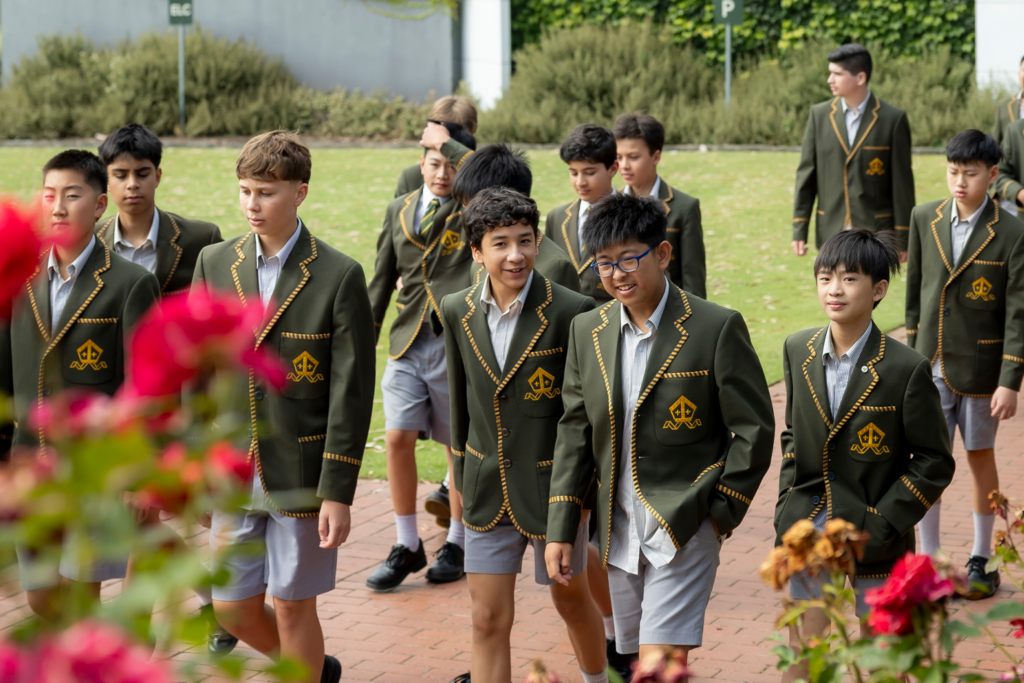



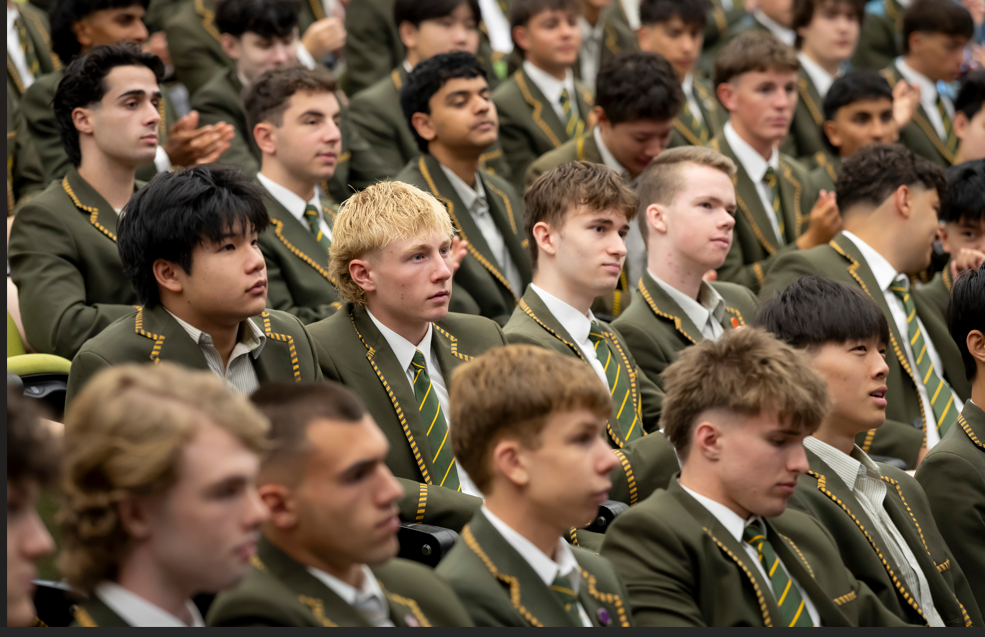
Learning, leading and belonging: peer mentoring at Trinity
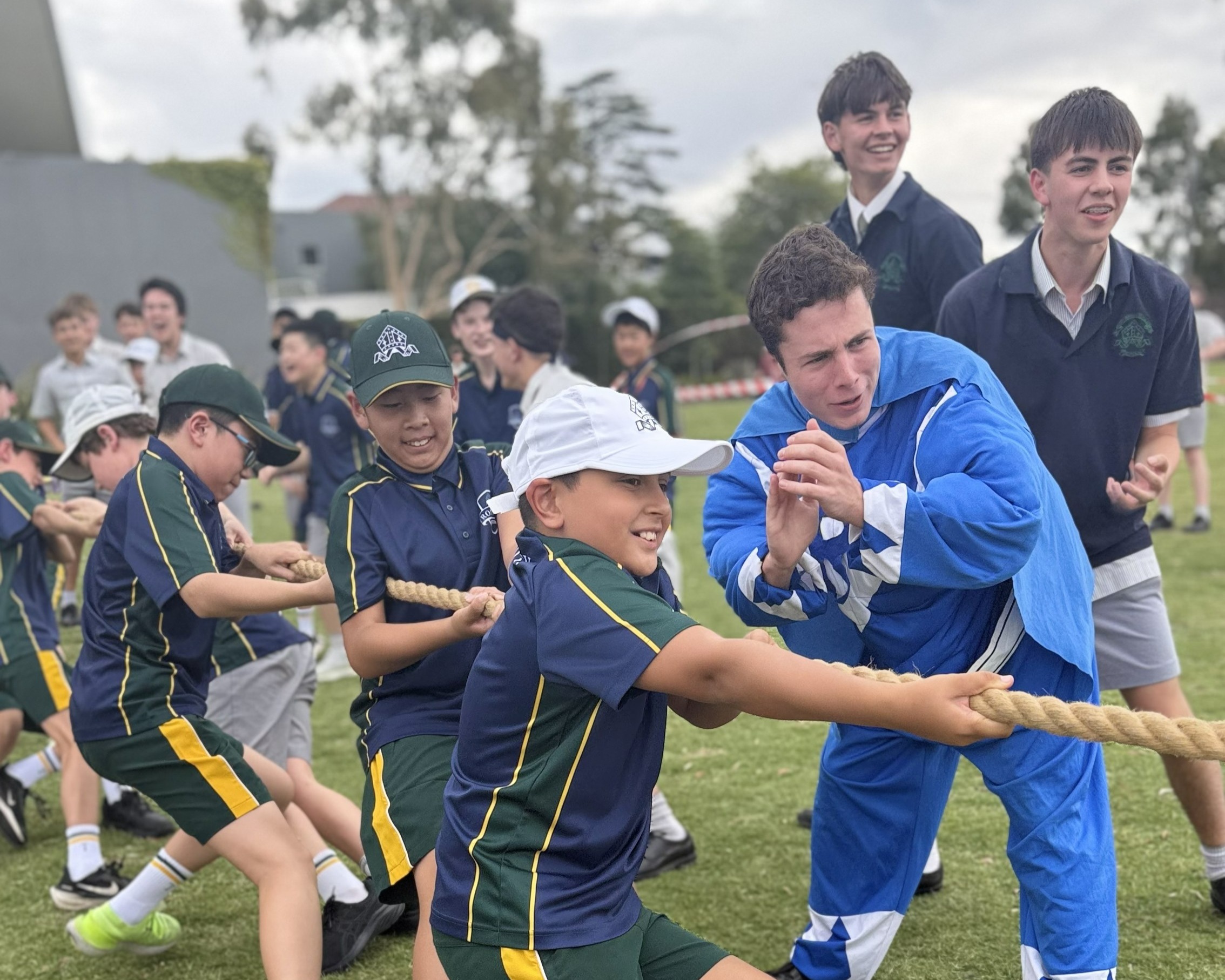
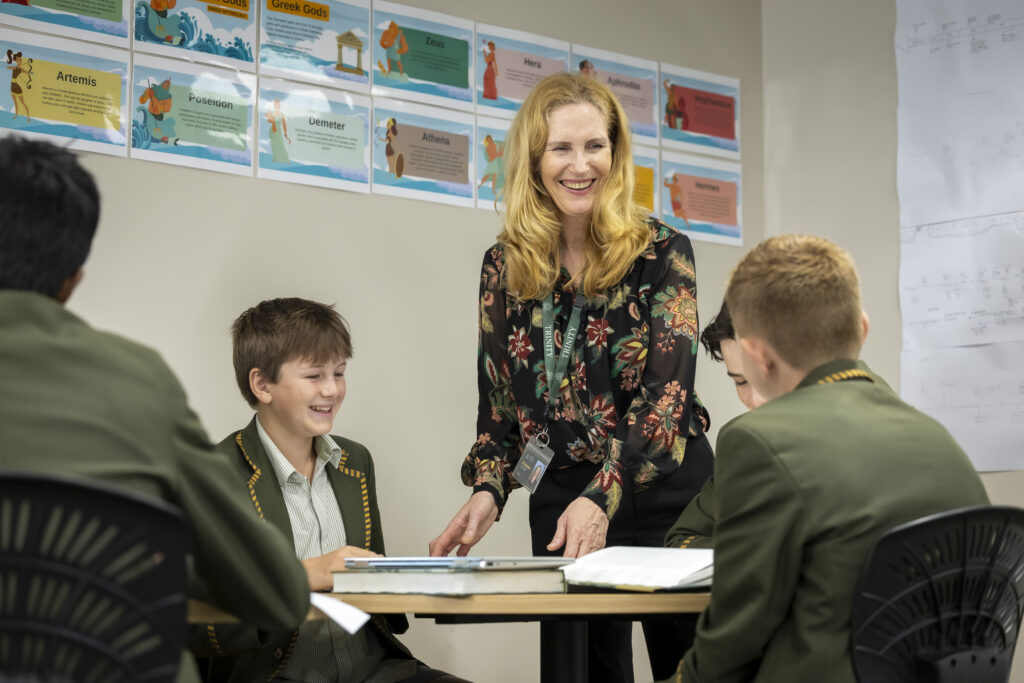
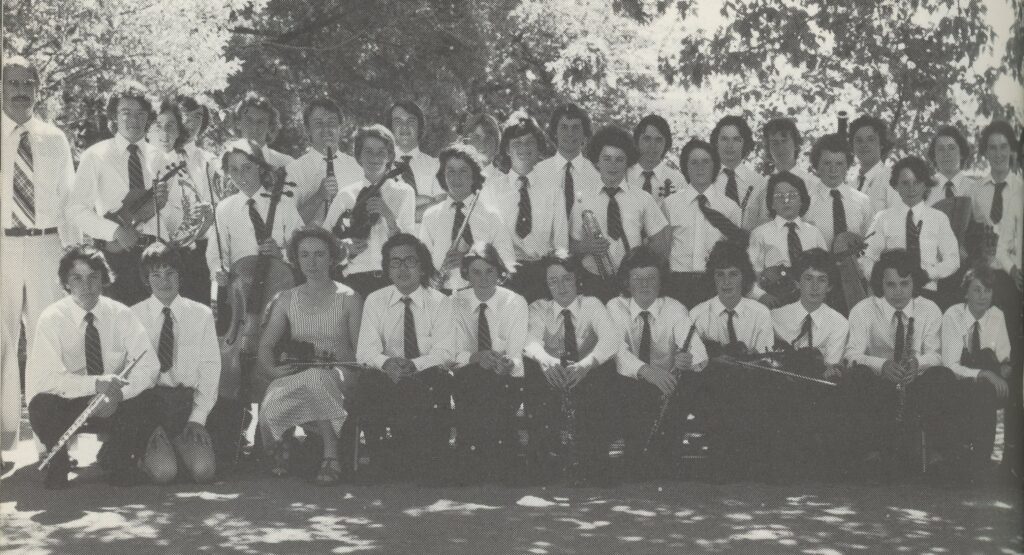
Peer mentoring is firmly embedded in the fabric of life at Trinity, helping to build connections across year levels and foster a strong sense of community.
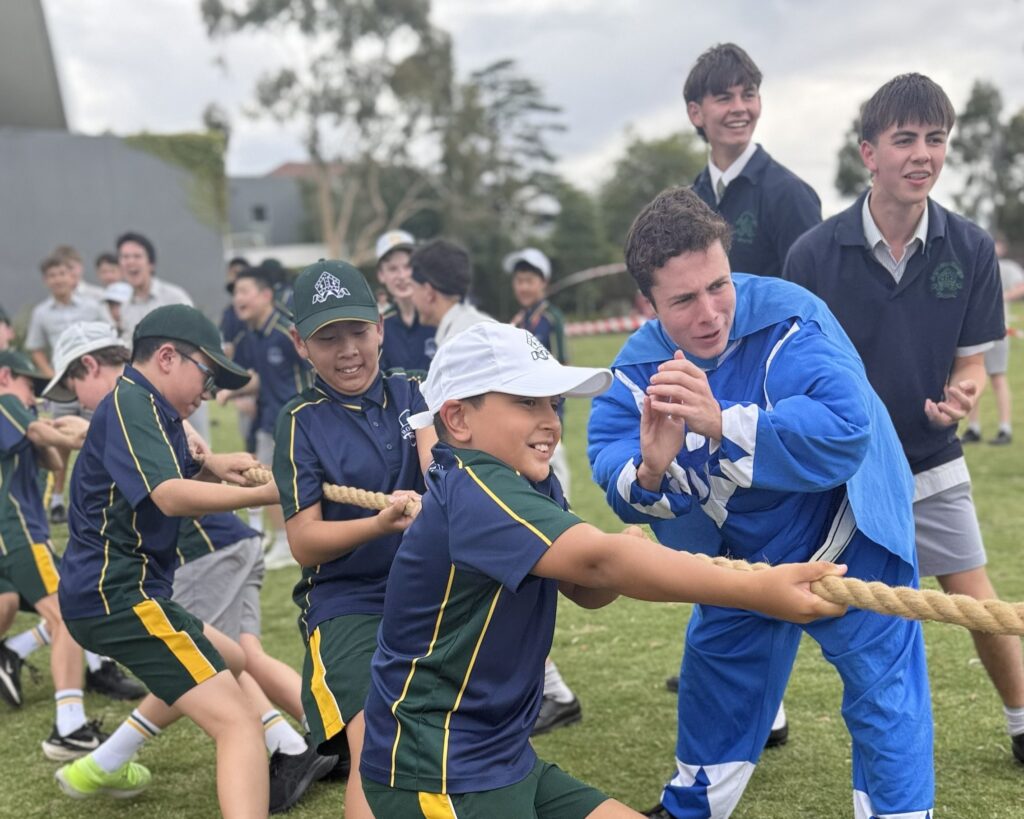
Through the Buddy Programs, cross-age activities, Outdoor Education Programs, leadership roles and other initiatives, students are encouraged to support one another and contribute to the growth and success of those around them.
One example is the Peer Mentoring Program, where Year 10 students support Year 7 students as they transition to Senior School. Through guidance, encouragement and shared experiences, mentors help younger students build confidence, develop a sense of belonging and make the most of the opportunities available to them, while strengthening their own leadership and communication skills.
In this video, Teacher in Charge of Peer Mentoring, Alanna Zaluski, is joined by a former mentor, Ketan, Year 11 and former mentee, Veer, Year 8 to reflect on their experiences and the impact of the program on both mentors and mentees.
The Peer Mentoring at Trinity
Student Insider
Learning Beyond the Classroom
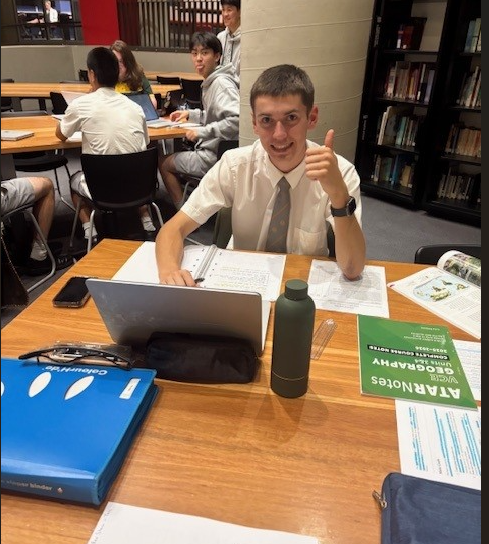
Academic life at Trinity extends well beyond the timetable. Every week, students can be found seeking extra help, working through challenging concepts with friends, or taking advantage of opportunities to deepen their understanding outside regular classes.
One example is the Maths Help Sessions held at lunchtime. Open to students from Years 7 to 12, these sessions provide a space where questions can be asked freely and difficult topics can be worked through without the pressure of the classroom.
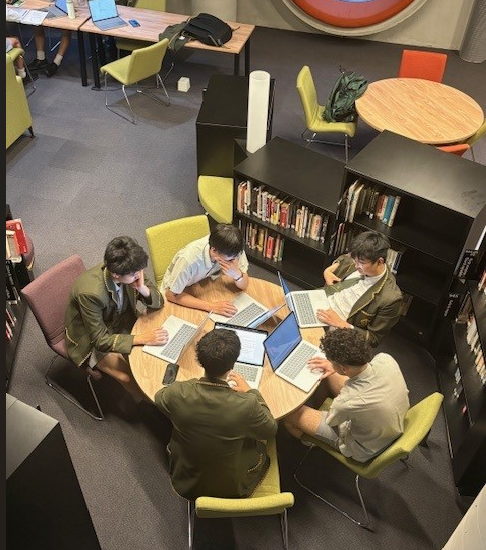
For senior students, Study Night offers another opportunity to engage with learning beyond the school day. Taking place after school, it provides a dedicated environment where students can revise, collaborate with one another and seek support from teachers and peers alike.
What makes these opportunities valuable, however, is not simply the academic assistance they provide. They reflect a culture of mentorship that exists throughout the school. Teachers regularly give their time to support students beyond class hours, not because they are focused solely on grades, but because they are invested in helping students develop as learners.
At Trinity, learning is viewed as more than the pursuit of a result. Students are encouraged to be curious, ask questions and embrace challenges, understanding that growth often comes from the process itself.
Learning is rarely a solitary pursuit
Whether it is a teacher explaining a concept, a senior student helping a younger peer, or a group working through a difficult problem together, these interactions demonstrate that learning is rarely a solitary pursuit.
While achievements and results are worth celebrating, it is often the guidance, encouragement and support behind them that matter most. Through a culture of mentorship, Trinity fosters not only academic growth, but the confidence and independence that students carry with them long after they leave the classroom.
Brought to you by the Digital Media Captains – Adtharsh, Jerrad, Alex, and Timothy.
A lifetime of connection to Trinity
Nick Warren (OTG 1992), Old Trinity Grammarians’ Association President
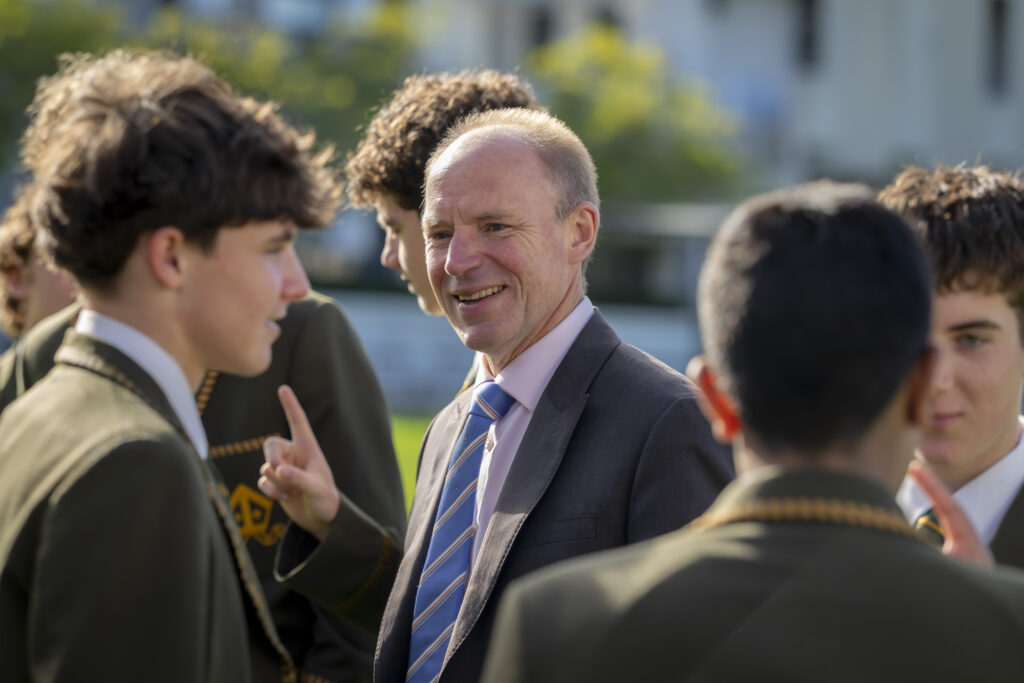
As I reflect after my first two months as President of the Old Trinity Grammarians’ Association, I am struck by the enduring strength of the Trinity community and the important role the OTGA continues to play in supporting OTGs throughout every stage of life.
The transition from school life to adulthood is one of life’s most significant milestones. While our time as students may be finite, our connection to Trinity should last a lifetime. It is this belief that continues to guide me, and the work of the OTGA, and informs our focus on the four pillars that underpin our activities: Community, Careers, Clubs and Connections. Underlying each of these pillars is a common theme that has become increasingly important to the Old Trinity Grammarians’ Association: mentoring.
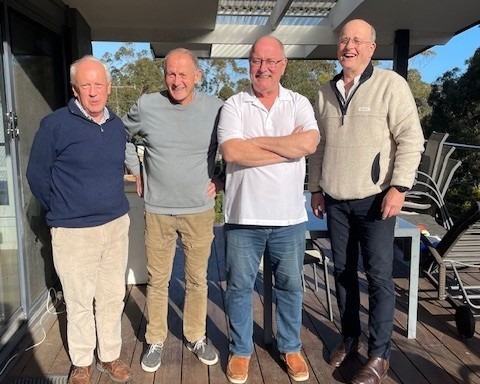
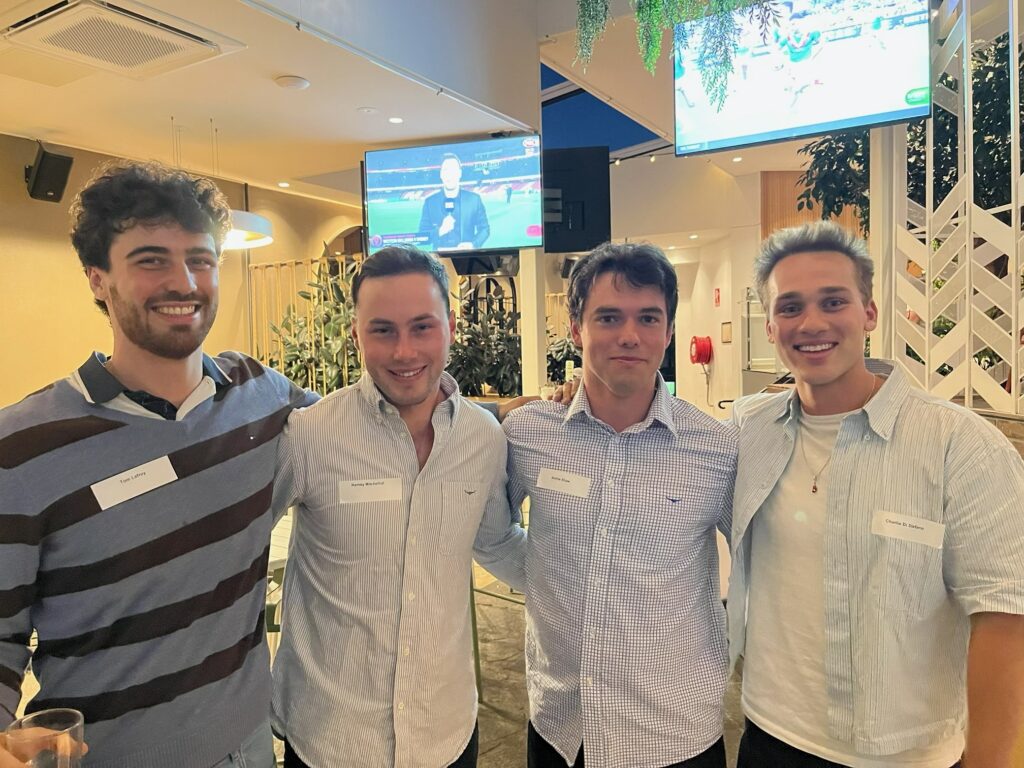
At its core, mentoring is simply one Trinity generation helping the next. It is the sharing of experiences, lessons learned, professional insights and personal guidance. Whether formal or informal, mentoring reflects the very best of what it means to be part of the Trinity community and embodies the spirit of service that has always been central to the school’s values.

At its core, mentoring is simply one Trinity generation helping the next.
It is the sharing of experiences, lessons learned, professional insights and personal guidance.
– Nick Warren, OTGA President

Community remains the foundation of everything we do. Throughout the year, reunions, gatherings and events have brought the OTGs together across year levels, professions and life stages. These occasions not only strengthen friendships, but also create opportunities for younger graduates to learn from those who have gone before them, reinforcing the culture of support that makes the Trinity network so valuable. Recently, I was advised that our Bulleen Ovals are some of the best in the AGSV, but with the addition of the highly anticipated state-of-the-art brand-new pavilion, we will be the envy of many. The OTGA is already planning on ensuring we make the most out of this fantastic opportunity for the Sporting Clubs.
Careers continues to be an area of growing importance. Through mentoring, networking opportunities, the Careers Expo, events, lunches and our digital platforms, OTGs will continue to share their experience and expertise with current students and fellow alumni. The willingness of our community to invest in the success of others is one of the OTGA’s greatest strengths.
Our Clubs remain a vital part of the Association and continue to provide opportunities for participation, competition and camaraderie. Beyond sport, our clubs create environments where leadership, teamwork and lifelong friendships are developed. They are often where some of the most meaningful mentoring relationships begin. Congratulations to the Old Trinity Grammarians’ Amateur Football Club on their recently held annual Business Lunch with Tony Shaw, Nathan Buckley and Jarryd Roughead – the stars of the event!
Finally, Connections sit at the heart of the OTGA. Through reunions, regional gatherings, digital engagement and the OTGO, we continue to foster relationships that support alumni personally and professionally. These connections strengthen not only the OTGA, but the broader Trinity community. I have a son in Year 12 (Jake) and another in Year 9 (Riley) and I know they will join the broader Trinity community after finishing their time at Senior School. Personally, I continue to catch up with over a dozen of my old school mates who finished in the 1992 cohort. Further to this, we held the Gold Mitre Lunch in March, and it was well very attended with over 160 guests, including Professor Peter McIntyre AO who turns 99 this year!
As the OTGA, we will continue to collaborate with the school, School Council and Community Engagement team, together we remain committed to supporting current students, strengthening alumni engagement and creating pathways through which Old Grammarians can contribute their time, knowledge and experience. I would like to thank our Committee Members, Volunteers, OTG Clubs, the school Leadership and Community Engagement team for their dedication and support. Most importantly, thank you to the many Old Trinity Grammarians who continue to participate, contribute and stay connected.
The future of the OTGA is bright. By continuing to focus on Community, Careers, Clubs and Connections and by fostering a culture of mentoring across each of these pillars, we will ensure that every past student has the opportunity to benefit from, and contribute to, the strength of the Trinity network throughout every chapter of life.
Old Trinity Grammarians Online (OTGO) is a digital platform for alumni that facilitates social, networking, mentorship and career opportunities for OTGs. Sign up today!

A terrific night was had by the Women of Trinity Group at Decca Restaurant in Alphington
On 4 June, Women of Trinity Grammar (WOTG) gathered for a dinner at Decca Restaurant in Alphington. In stylish surrounds we enjoyed an Italian themed dinner along with bubbles, conversation, connection and lots of laughter. We’re already looking forward to our next event which will be later in the year. Watch this space!
Through social events, gatherings, and shared experiences, WOTG provides an opportunity to continue friendships and celebrate the lasting spirit of Trinity once our sons have graduated. There is no joining fee, fundraising or obligation to attend events. Just a chance to enjoy social events and maintain connections. Click here to join.
Growing together: mentoring and belonging in the ELC
Naomi Wright, Director of the Early Learning Centre

At the heart of our Early Learning Centre (ELC) is a deep commitment to relationships. Mentoring is lived each day as we walk alongside children, supporting them to develop a strong sense of self, resilience and belonging.
We know that strong relationships are the foundation of meaningful learning. When children feel secure, seen and valued, they are more willing to embrace challenges, step into uncertainty and engage with new experiences.
Within the ELC, mentoring is found in the small, intentional moments that shape each day. It is reflected in an educator choosing to pause, to truly notice and to respond with care and purpose –in the classroom, outdoors, during transitions and in the spaces in between.
The Circle of Security model, grounded in attachment theory, reminds us to remain attuned and responsive. We continually reflect: What does this child need from me right now? Do they need encouragement to explore, or reassurance to return? Am I offering both a secure base and a safe place? These quiet questions guide our practice in powerful and enduring ways.
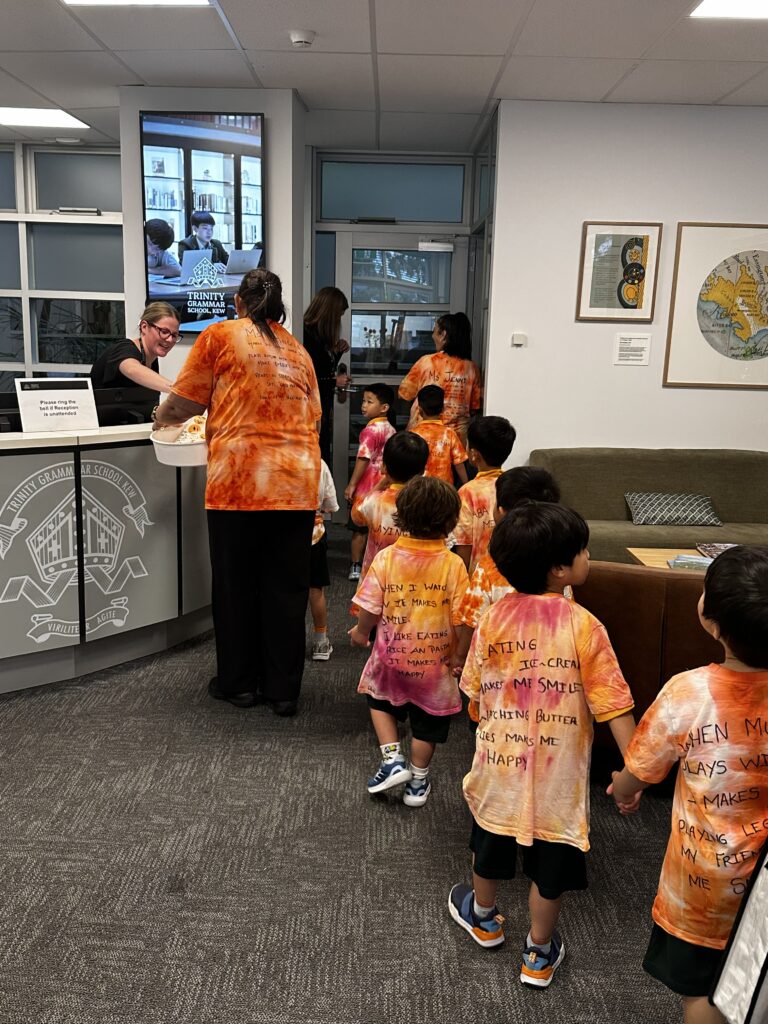
Mentoring within the ELC extends beyond our educators to include meaningful partnerships with older students across the school.
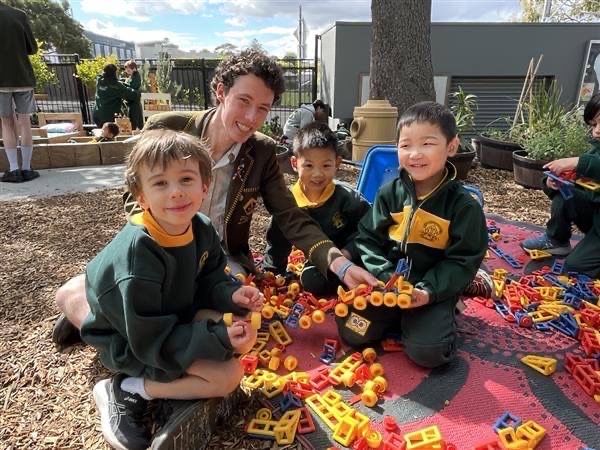
These cross-age connections create a rich and dynamic learning environment where our youngest learners are supported, inspired and challenged through authentic relationships.
For children learning English as an additional language (EAL), these connections are especially impactful. Older students model language naturally through conversation, storytelling and shared play. Language is experienced in context, building both confidence and a genuine sense of belonging.
Collaboration also comes to life through learning partnerships. Senior School Design and Technology students, as one example, work alongside our children as co-researchers, investigating ideas, problem-solving and designing equipment and resources for our learning spaces. In this process, our youngest learners see their ideas valued and their thinking taken seriously, while older students develop empathy, creativity and a deeper understanding of collaboration.
Our Junior School students further enrich this mentoring culture by sharing original stories they have written for our ELC learners. Through these experiences, they model that communication can take many forms – through words, drawing and expression – broadening children’s understanding of literacy as something creative, meaningful and deeply personal.
Mentoring in Action
Mentoring is also reciprocal. Our ELC learners actively contribute to the life of the wider school community, stepping into their own role as teachers and leaders.
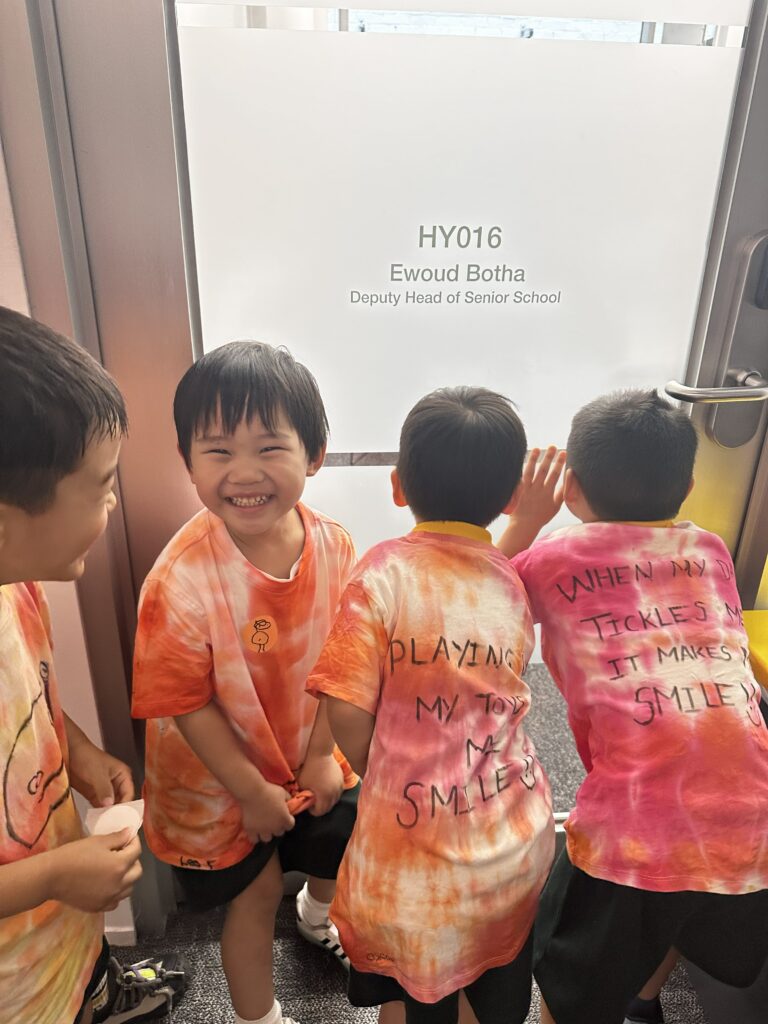
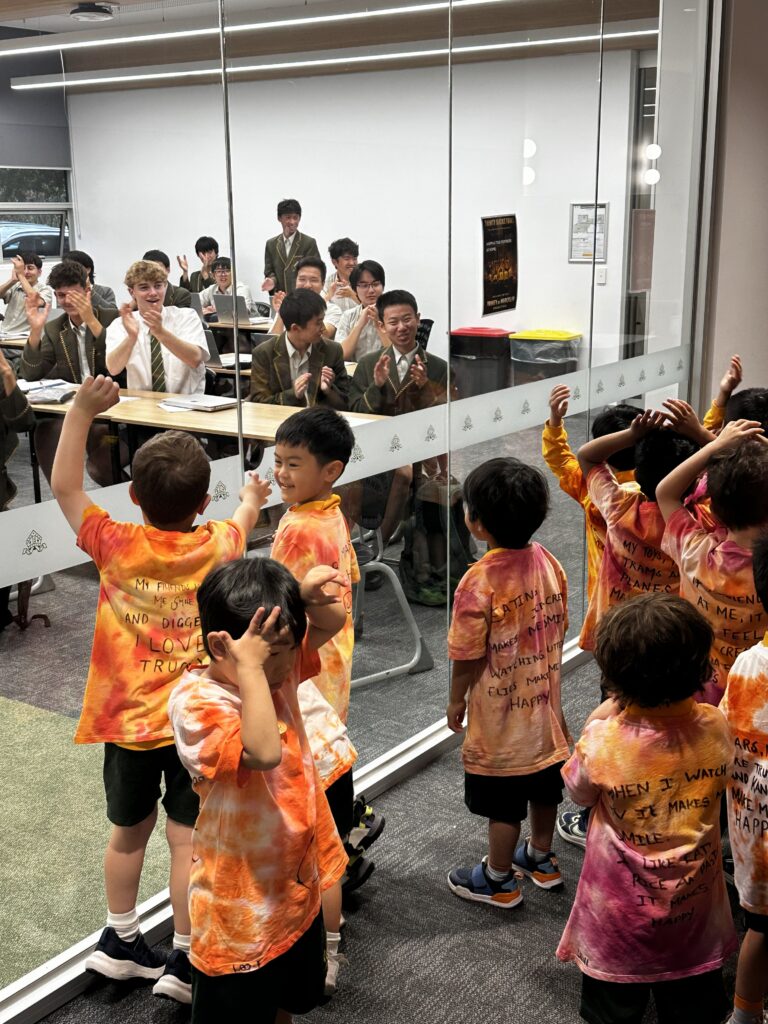
On Harmony Day, our children surprised the school with a joyful “flash mob”, sharing the unifying power of music and movement through a spirited rendition of the Macarena. It was a moment of connection, joy and shared experience that transcended age.
Our work in emotional literacy through the Kimochi program also extends beyond the ELC. Children’s drawings, reflections and ideas are carefully documented and transformed into books that make their learning visible. These are then shared with the broader school community, giving our youngest learners a voice and an audience, further reinforcing that their thinking matters.
Growing Together
These sustained cross-age connections foster trust, empathy and a genuine sense of belonging. Younger children come to see older students as approachable role models, people who listen, encourage and celebrate their ideas. Older students, in turn, experience a strong sense of pride and purpose as they contribute meaningfully to the growth of others.
These bonds strengthen the emotional fabric of our ELC. Children feel known and valued – not only within their own group, but as part of a wider, connected learning community.
Ultimately, mentoring in our ELC reflects a simple but powerful belief: learning is social, relational, and shared. When older and younger learners come together, they create a responsive and collaborative community – one where ideas are co-constructed, knowledge is exchanged and every child is both a learner and a teacher.
Todd Goldstein on leadership, mentoring and connection

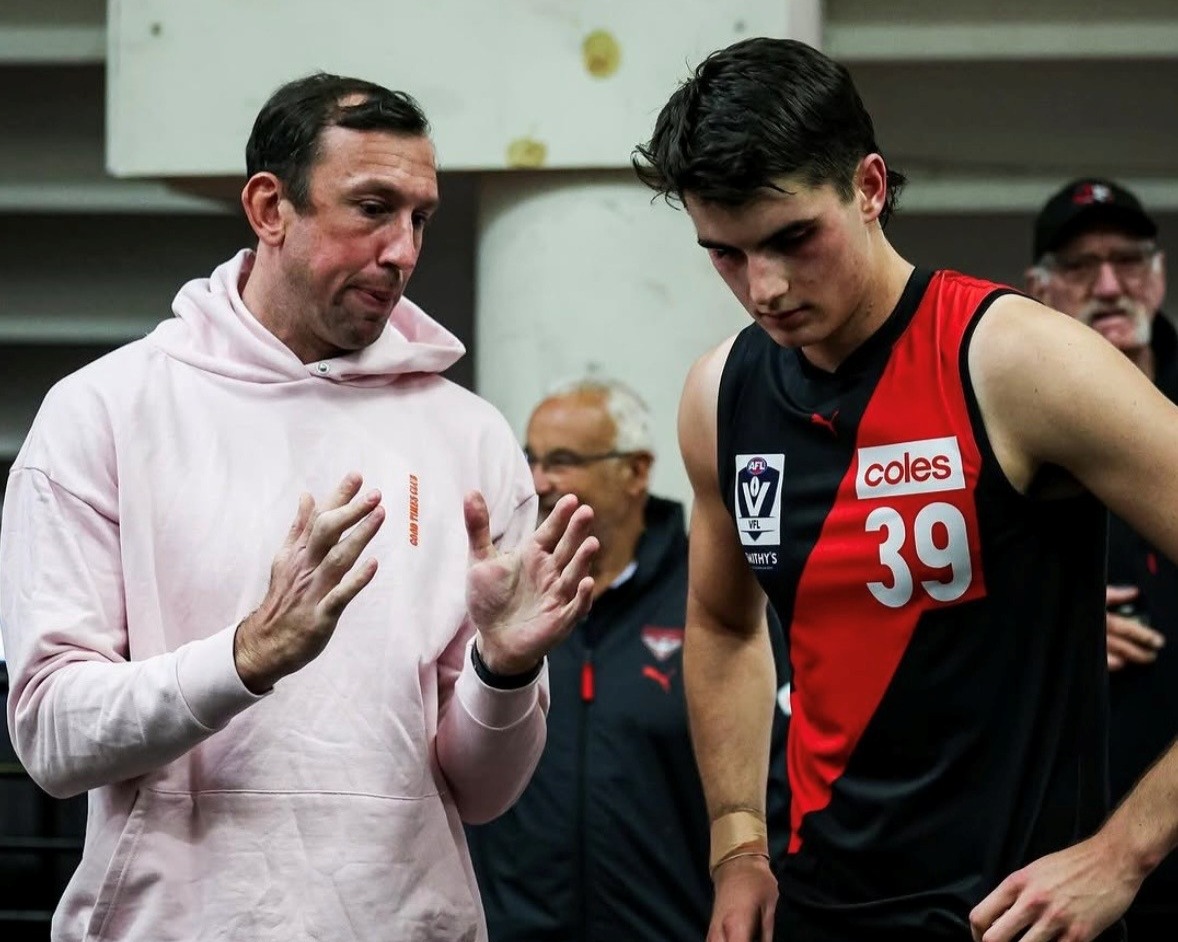
For Todd Goldstein (OTG 2006), some of the most meaningful moments in football no longer come on game day. Instead, they come through helping younger players grow in confidence, develop their craft and navigate the demands of elite sport.
Widely regarded as one of the AFL’s most accomplished ruckmen, Todd played 345 AFL games across celebrated careers with North Melbourne and Essendon. An all-Australian and Syd Barker Medallist, he retired as the VFL/AFL’s all-time hit-outs leader. Today, he is focused on helping shape the next generation as a coach and mentor at Essendon Football Club.
We caught up with Todd to speak about leadership, mentoring and why understanding the individual is at the heart of helping players succeed.
You’ve transitioned from elite player to coach and mentor. What have you found most rewarding about helping younger players develop?
The coaching and mentoring side of things is something that has come quite naturally to me. It is an area that I have really enjoyed over the last 10–12 years. As I established myself as an AFL player, it allowed me to work closely with the younger ruckmen coming through and help teach them the skills I had learnt throughout my own journey.
The most rewarding part is seeing the development in the small areas of their game that we are working on. To see the ideas from conversations and training drills come to life during games, and to watch their confidence grow, is a really nice feeling as a coach.
What does good mentoring look like in a high-performance environment like the AFL?
Mentoring in a high-performance environment comes in many different forms, and every player I work with requires a unique approach. As you spend time with individuals, you get an understanding of what they need, how they best respond to information and the right way for that information to be delivered. It becomes a combination of group meetings, individual conversations and practical work during and after training, all tailored to helping each individual learn and grow in the way that suits them best.
Good mentoring, to me, is about listening to the player you are working with and understanding them as a person. Showing genuine care for the individual allows you to bring out the best in that player.
Looking back, were there mentors or coaches in your own life who shaped you? What learnings did you take from them?
I have been really lucky throughout my career to have many different players and coaches who shaped who I am, both as a player and as a person, as well as influencing how I approach coaching today. There are probably too many to name properly, but when I was beginning my career, I was still learning a lot about who I was on and off the field. I was fortunate to have senior players such as Drew Petrie, Adam Simpson and Leigh Brown, just to name a few, who helped me grow as a person, how I treated those around me and how I thought about the game of football.
In terms of coaches, I learnt a lot from the likes of Darren Crocker, Brad Scott and Alex Ishchenko, but I have always tried to take different elements from every coach I have encountered to help guide my own development.
Most of the learnings were around how to treat people and how to understand the person you are working with. The “cookie-cutter” approach is something I have seen coaches try to use and, for me, it is something I want to avoid. Every player is drafted for a reason, and I do not want to change the type of player they are. Instead, I want to enhance the strengths they already have.
The other major takeaway was the deeper connection that is required to genuinely care for players. If a player feels like you are in it for yourself, you will not get the best out of them. That meaningful connection is really important.
Did your time at Trinity Grammar School influence your approach to leadership and mentoring?
My time at Trinity taught me so much and gave me a lot of confidence that the skills I learnt at school would hold me in good stead for all aspects of life.
The idea that you need to develop every aspect of a person, and that it is not just about the final mark or the success but how you grow throughout the journey, is something that has stayed with me.
I think I have carried that into how I interact with players and how I try to help them. The focus is on the journey, and the rest will take care of itself if you approach things the right way.
What kind of impact do you hope to have on the next generation of players?
I hope I can show them that there is more to life than just football. Yes, they are good at what they do, but it does not define them. Hopefully, through the work we do together, they grow in confidence not only as players, but as people, and feel inspired to pass those lessons and experiences on to the next generation
Leadership in a Noisy, Uncertain World
For Kirun Goy (OTG 2011), leadership begins with a simple idea: paying attention.
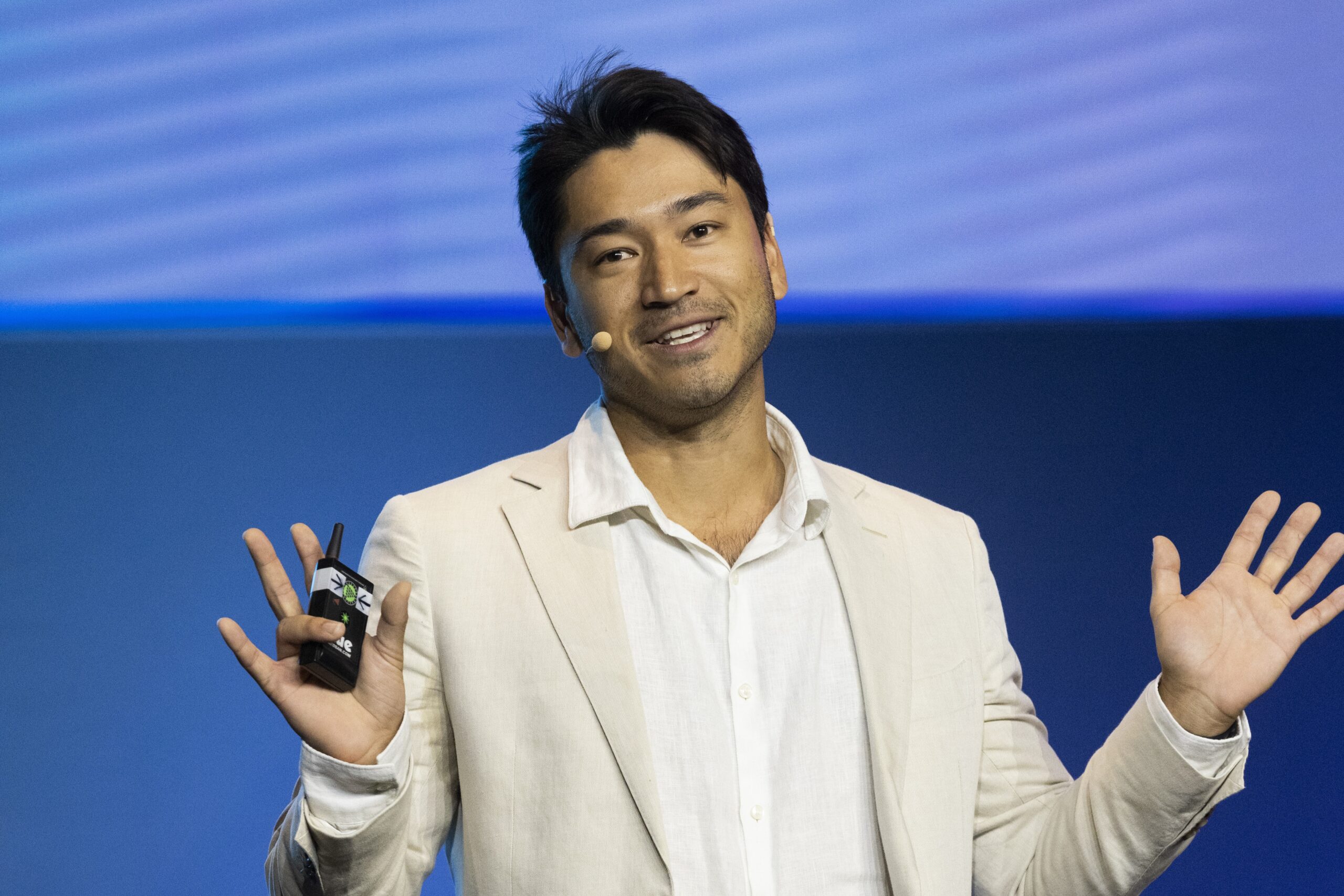
In a world defined by distraction, uncertainty and constant noise, Kirun has built a career helping leaders think more clearly, act more intentionally and avoid drifting through life on autopilot.
Today, as a Senior Leadership Facilitator with Harvard Business Impact, host of the BrainTools podcast, keynote speaker and author, Kirun works with leadership teams across the world, translating complex ideas from cognitive science and behavioural research into practical tools that leaders can actually use.
At the heart of Kirun’s work is a deep curiosity with the intersection between leadership, the brain and intentionality.
“The brain has always fascinated me,” he says. “Billions of neurons, trillions of connections somehow producing the behaviours we barely notice every day.”
But for Kirun, leadership is not simply about understanding how people think. It is about helping people become more deliberate in how they live, lead and respond to the world around them.
“Intentionality is the antidote to autopilot,” he says. “It doesn’t guarantee success, but it means you’re happening to your life, rather than your life happening to you.”
This philosophy underpins much of his thinking on modern leadership.
While technology, AI and global instability continue to reshape the world at extraordinary speed, Kirun believes the most important leadership skills remain deeply human.
We’re operating in a world that feels harder to navigate than it did a decade ago,” he explains. “The old playbooks are expiring faster than we can write new ones.

“Leaders today need to constantly balance learning new ways of thinking with unlearning old assumptions, while still remembering that leadership is ultimately about people leading people,” Kirun adds.
The leaders who thrive, he says, are those capable of tolerating ambiguity, reflecting critically on their own thinking and maintaining a strong bias toward action.
“Leadership is full of clichés,” he says. “Most people know what they should do. The challenge is actually doing it consistently.”
That gap between knowledge and action has become a central focus of his work.
Another emphasis of Kirun’s work is helping leaders maintain clarity under pressure and uncertainty and navigate the emotional realities of leadership.
“The best leaders can stand steady in chaos,” he explains. “They create pockets of certainty for the people around them, even when they themselves are navigating uncertainty.”
In an era shaped by AI, information overload and constant digital connectivity, Kirun believes the ability to think clearly has become one of the defining skills of modern leadership and life itself.
“We have access to more information than at any point in history,” he says. “But leadership ultimately comes down to the quality of your decisions. It’s about having conviction in where you believe the future is heading, while also being willing to adapt and change your mind when needed.”
He also believes leaders must resist losing their humanity in a world increasingly obsessed with optimisation and speed.
“When people reflect on leadership, it’s rarely just about personal achievement,” he says. “It’s about the people you helped to grow along the way.”
That same intentionality extends beyond leadership and into the way people think, learn and engage with the world around them.
“What do I actually believe, and where did that belief come from? Did I arrive at that myself, or did it just seep in?”
Kirun believes genuine clarity comes through reflection, particularly through writing.
“Clear thinking is downstream from clear writing,” Kirun says. “There’s something powerful about putting your thoughts on paper and realising what you do and don’t actually know.”
Despite having a career in the global stage, many of Kirun’s strongest memories remain grounded in his time at Trinity and the relationships formed with teammates, teachers and friends.
Playing First XI Soccer provided an early understanding of leadership and collective purpose, while teachers demonstrated leadership through service and genuine care for students.
“Everything for me comes back to deep relationships,” he reflects.
Kirun encourages young people to start with self-awareness and resist imitating others.
“Leadership, paradoxically, starts with yourself,” he says. “The ability to zoom out and think about your thinking is where the bones of leadership begin. Your goal isn’t to become someone else’s version of a great leader, as tempting as that can be. It’s to become your own version of great – and lead with humanity and intention.”
The Trinity-Preshil Connection
Maureen McAuley, Archivist
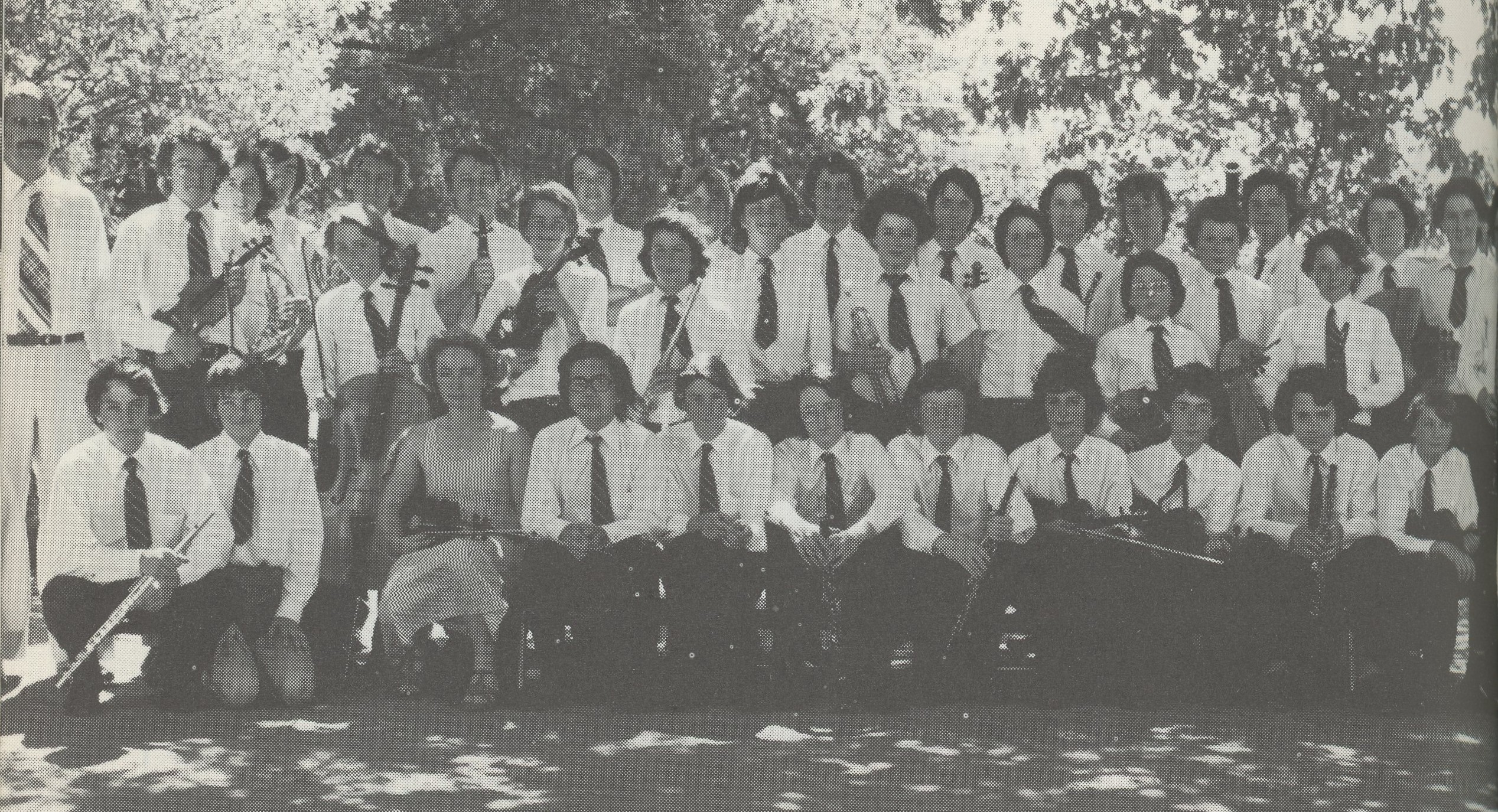
What happens when two quite different schools decide to work together? The story of Trinity Grammar and Preshil School is a fascinating tale of friendship, bold ideas and a shared desire to give young people the best educational opportunities possible.
In the early 1970s, Trinity Grammar and Preshil School formed an unlikely but highly successful partnership, proving that very different educational philosophies can complement each other in powerful ways. Trinity was a well-established boys’ school with structured classrooms, uniforms and traditions. In contrast, Preshil was a co-ed ‘open school,’ built around freedom, creativity and student-driven learning. Despite appearing to be opposites, these differences became the foundation for a unique and enriching collaboration.
The connection was shaped by the visionary leadership and warm friendship of Trinity’s headmaster John Leppitt and Preshil’s principal Margaret Lyttle. Leppitt admired Lyttle’s innovative approach and was himself elected to the Preshil School Council in 1972. His appointment strengthened the existing ties between the two schools, which already saw many Preshil parents choose Trinity for their sons’ secondary education.
As Preshil began developing its own secondary program, it faced limitations in specialist staffing, subject variety and formal accreditation. Trinity responded with generosity, offering Preshil students, both boys and girls, the opportunity to attend senior classes at the Trinity campus. This allowed them access to facilities and courses, including HSC, which were not yet available at their own school. Between 1975 and 1977, nineteen Preshil students (sixteen girls and three boys) attended Trinity to complete Years 11 and 12.
What made this partnership remarkable was its flexibility and respect for identity. Preshil students were not required to adopt Trinity’s uniform or abandon their informal learning style. They remained confident, independent learners, often sitting on floors, engaging teachers directly and openly questioning ideas. Trinity teachers adapted, embracing more discussion-based and responsive teaching methods. Preshil students also contributed richly to Trinity school life. They joined music ensembles, added lively voices to school publications, provided Trinity’s only female Music Captain and recently, attended the Gold Mitre Luncheon.
As Preshil expanded its own secondary capacity later in the decade, the need for the arrangement gradually faded. Yet the legacy of those years endures. The partnership between Trinity and Preshil demonstrated that education is not one-size-fits-all. Structure and freedom, discipline and creativity; each has its place. When brought together thoughtfully, they can open doors to new possibilities.
Archives Acknowledgements
Trinity Archives wishes to acknowledge the assistance of Felicity Renowden, Preshil Archivist and Eva Strasser, former parent and teacher at both Trinity and Preshil.
We wish to thank the following for their recent donations to the Archives:
Martin Summons – Sports trophies belonging to his father David W Summons (OTG 1940)
Robyn Johnson – Prize books and other memorabilia belonging to her father Norman Johnson (OTG 1942)
Garry Mann (OTG 1969) – Mitres, photographs, event brochures, exercise books and examination papers, prize book and reports
Richard Hogg (OTG 1971) – Set of Mitres
Old Trinity Grammarians' Sport Clubs
Updates from our OTG sport network



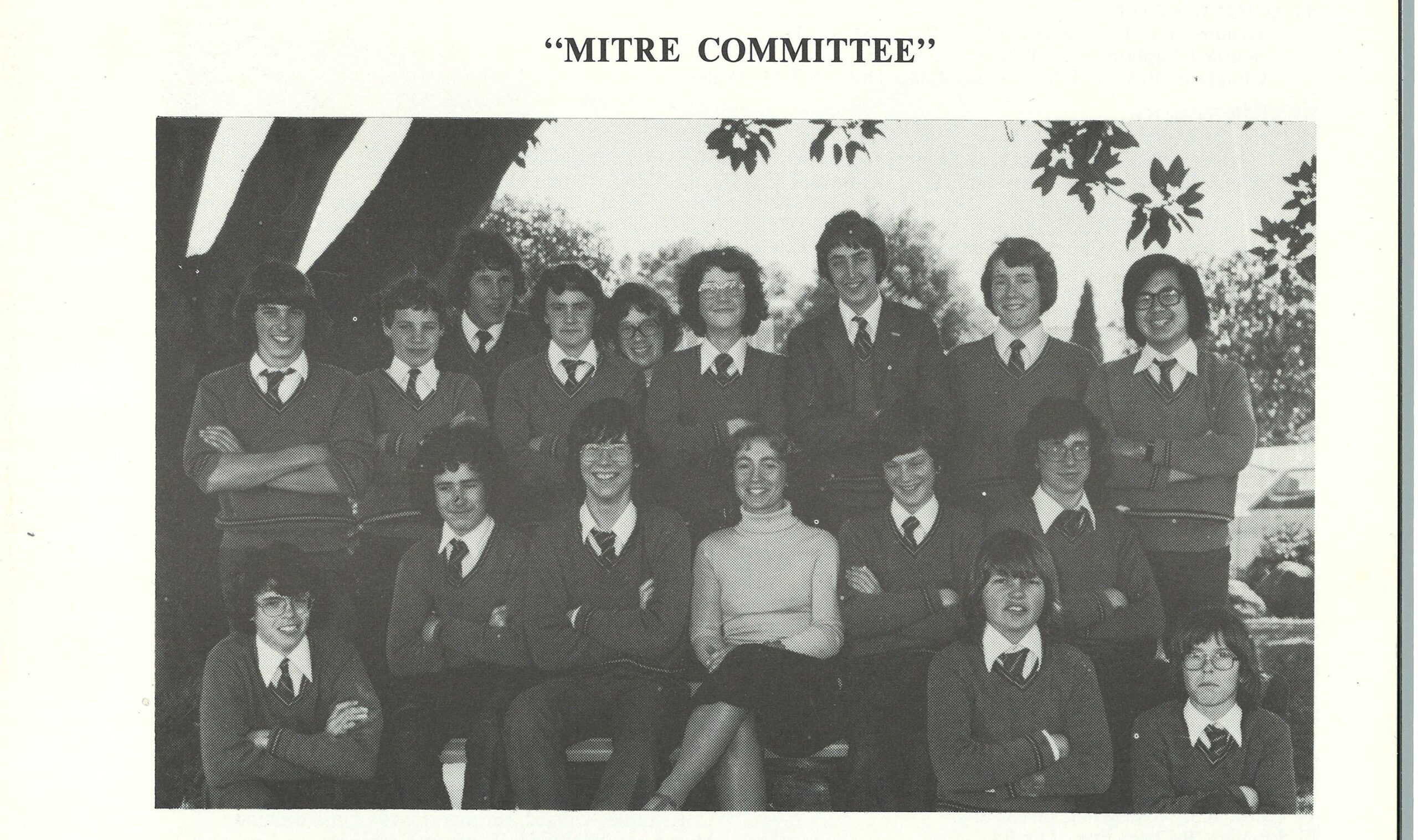
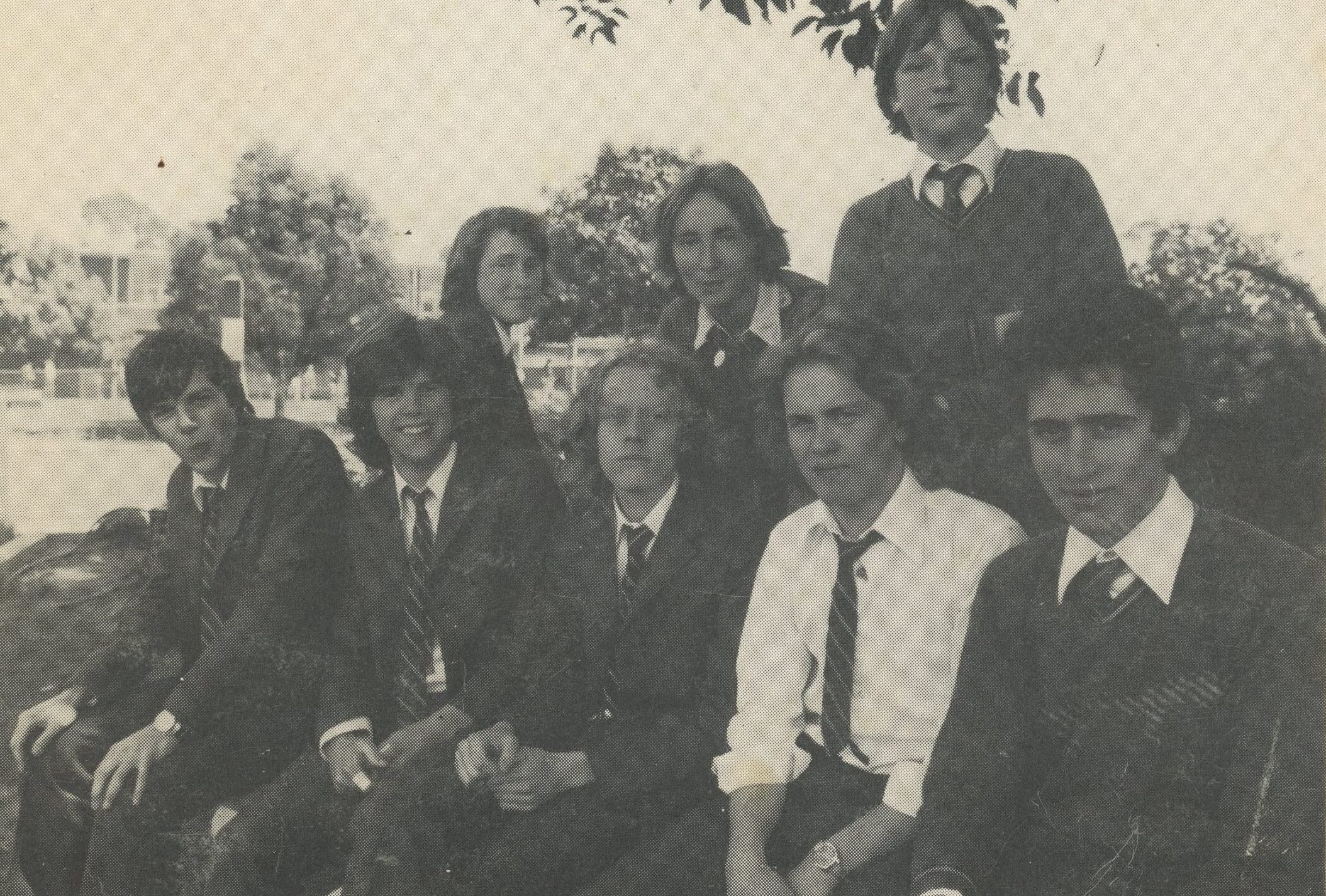
Old Trinity Grammarians’ Cricket Club
The 2025/26 season began, as all OTGCC seasons do, with cautious optimism that maybe this would be the season that the 1st XI broke its decades long semi-final curse. Unfortunately, the weather had other ideas, and by late November the 1st XI had played so little cricket due to rain that the prospect of even making the finals was off the table.
The 1st XI had five no-results across the season and a particularly bleak early stretch in which rounds 2, 3, 4, 5 and 6 produced more weather-related frustration than meaningful cricket. In true OTGCC fashion, the one game completed before the heavens opened was a two-wicket loss to Old Scotch, setting the tone for a season that often felt just slightly out of reach.
By season’s end, the final ledger read three wins, six losses and five no-results – seventh on the table, and a season filed somewhere between unlucky, inconsistent and “what does the radar say?”.
Despite the stop-start nature of the year, there were some outstanding individual performances. Club President, Sebastian Nicolosi had a stellar season making 501 runs at 71.57, winning the 1st XI Batting Award, taking out Club Champion with 17 votes, and being named captain of the MCC Club XI Team of the Season. It was a remarkably productive summer considering he was responsible for much of the club’s off-field admin too. Brandon D’Amore was a standout with the ball, claiming the 1st XI Bowling Award with 12 wickets at 14.83.
The 2nd XI had a more productive and marginally less meteorological season. After a strong run of form mid-season, the 2s finished fourth but fell away at the pointy end with back-to-back losses to Caulfield Grammarians/NCG late in the season including in Division 4 the semi-final.
Jack Cooper won the 2nd XI Batting Award with 211 runs at 42.20, while Sam Pilkington claimed the 2nd XI Bowling Award with 14 wickets at 14.50. Sam also shared the 2nd XI Champion Player award with Jakob Kann, both finishing on 9 votes. Jakob’s excellent season was further recognised with selection in the MCC Club XI Team of the Season.
One of the most encouraging features of the season was the injection of younger players into the club. William Spratt with his aggressive bowling, indefatigable effort and questionable sledging was named Best Young Player.
Off the field, the club was again held together by the people who do the work that does not appear on PlayCricket. Henry Burke was awarded the Speros Beasley Best Clubman Award, a thoroughly deserved recognition of his contribution throughout the season. It was also wonderful to have Liz Beasley in attendance on presentation night, helping present an award that means a great deal to the club and continues to honour the sort of contribution that keeps places like the OTGCC alive.
The absolute highlight of the season took place when the OTGs played the current students in a T20 game in early-March. After posting a competitive score of just over 100 on a challenging Daley Oval pitch, the OTG team were feeling confident of a victory. However, the school team won a thrilling match on the final ball of the game in fading light at Bulleen. The match is a highlight of the season for both teams.
Hugh Krantz (OTG 2009)
OTGCC Committee Member

Old Trinity Grammarians’ Amateur Football Club
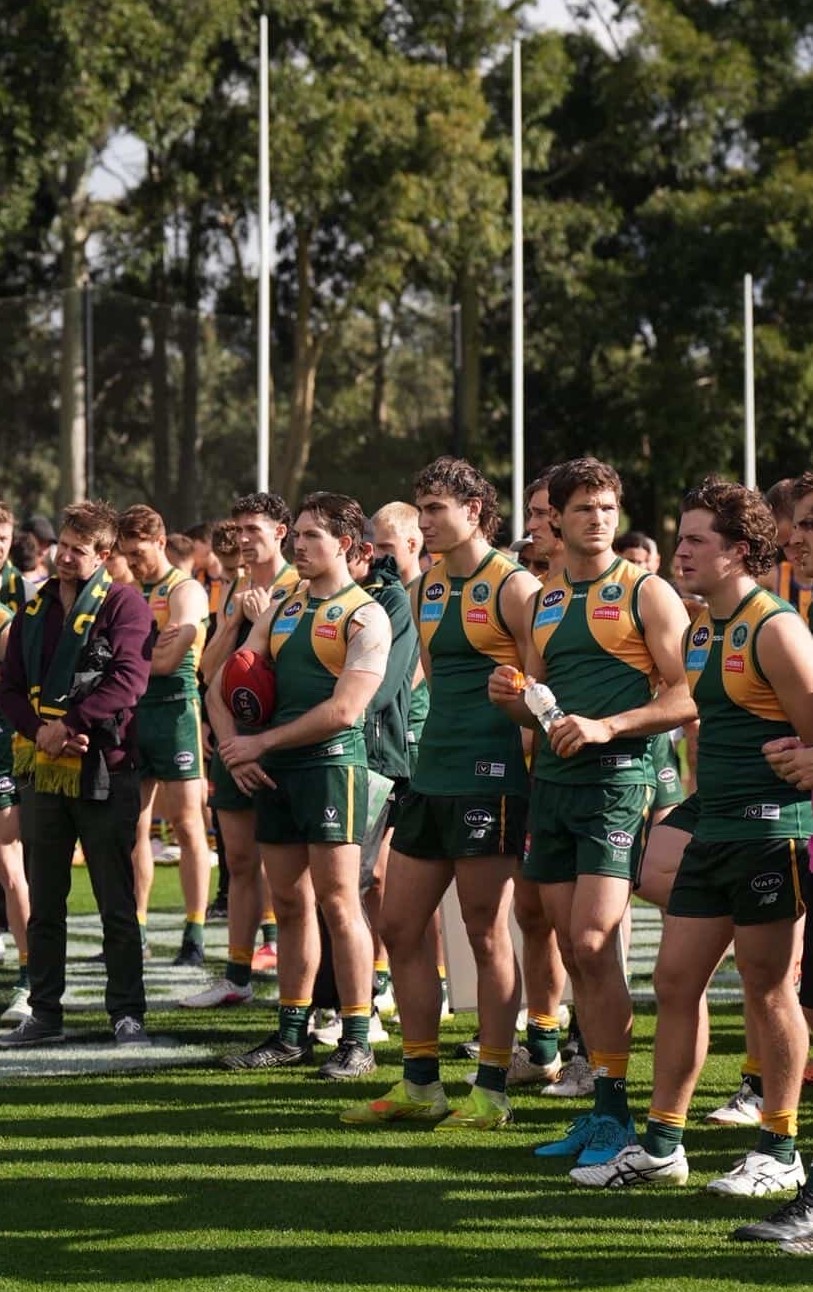
Our 2026 season started well noting that our Seniors and Reserve teams have been promoted into Premier A. We are showing to ourselves and to other clubs that we are able to be competitive at the highest level.
What is also really pleasing is to see the strong contribution of our younger players, many of whom have earned their positions in our Senior team – this augurs well for the future.
As a club, we have also commenced a refresh of our purpose, vision and mission. These will form the foundation for the development of a renewed five-year strategic plan.
Supported by Leigh Hodges, we started by asking ourselves, “why does OTGAFC exist”?
What quickly emerged from this discussion was that football was but a small reason for our existence. Key words that came up again and again included PATHWAY, CONNECTION, MATESHIP, SUPPORT and GIVING.
We believe that OTGAFC provides our players a safe place to support their growth and to enhance their journey from school into young adulthood. The formal and informal mentoring roles that happen across the players and others are a clear outcome that goes beyond footy.
We are in the process of further building out this work and will look to consulting with the school, current and past players, other OTG Clubs and additional stakeholders in the coming months.
Stu Chard
OTGAFC Secretary

Old Trinity Grammarians’ Hockey Club
OTGHC has had a flying start to the 2026 season, performing well across both teams, with the 1st XI off to a strong start and the 2nd XI being top of the table, and currently undefeated! Off field, we increased our social attendance and have hosted multiple club events including some well needed BBQs.
Mentoring has been a strong theme across OTGHC since its inception. From welcoming new players to supporting developing members, the impact of experienced club people giving their time, advice and encouragement has provided immeasurable value to the club and its members.
That support helps build more than just on-field performance. It strengthens club culture, encourages connection, and makes it easier for newer members to settle in and get involved. Our view is that our club is not built by talent alone; it is built by people willing to guide, include and back one another. On that note, we give a special shoutout to Callan Baker, player and coach who has been supporting the team with his deep hockey experience.
As we continue through the season, the focus remains on growing participation, supporting player development and maintaining the strong community feel that makes our club what it is. We wish to extend a special thank you to everyone who contributes to that environment in whatever way they can.
We welcome OTGS at all levels to reach out if you are interested in playing hockey in 2026 to reach out to Tom on 0487 346 042 or OTGHockey@gmail.com. Go T’s!
Tom Cohen (OTG 2018)
OTGHC Co-President

Trinity First XI vs OTGHC All-Stars
In what we hope will become an annual tradition, the Trinity First XI recently hosted an OTGHC All-Stars side in an inaugural hockey match at Bulleen, celebrating the strong connections between Trinity Hockey’s past and present.
The OTGHC squad featured 17 enthusiastic players from years 2016-2025, including five current Trinity hockey coaches and three former First XI Captains – Tom Cohen (2018), Dex Kelly (2022) and Henri Du Toit (2023). The Firsts were bolstered by the return of 2025 captains Nikhil Hendehewa and Angus Murray, further strengthening the link between generations of Trinity players.
Kate Fewster – Teacher in Charge of Hockey

Old Trinity Grammarians’ Soccer Club
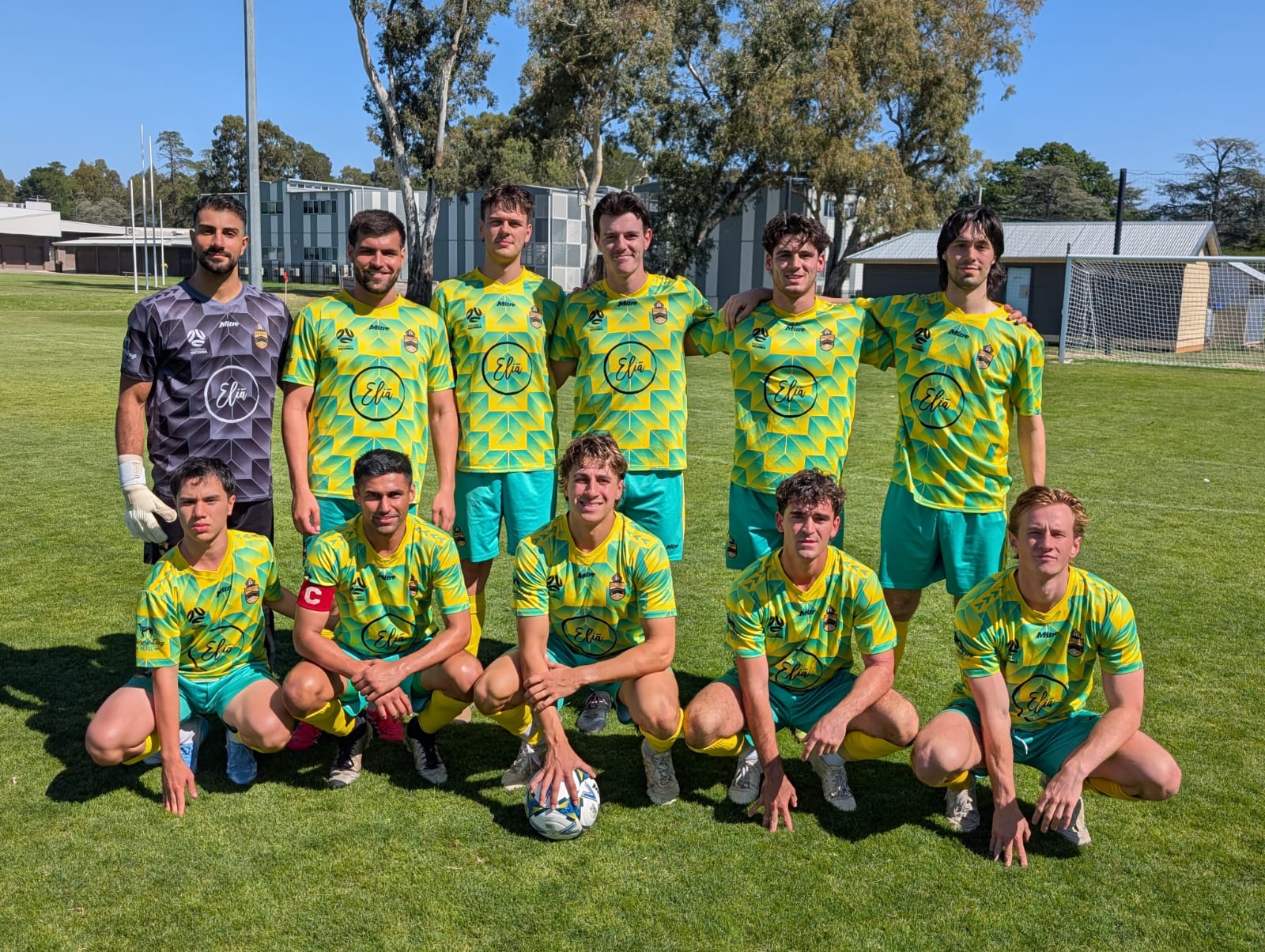
OTGSC is firing on all fronts. What a start to 2026.
The club is hitting its goals across the board, with engagement at an all-time high. A strong pre-season set the tone, and we’ve carried that momentum both on and off the field. Much of that credit goes to our newly promoted Head Coach, Matthew Rock, former Trinity educator, whose influence has lifted the club’s morale and brought real energy to players, families, and friends alike.
On the field, we sit comfortably on the ladder with a genuine shot at promotion this year. Placed in the Northwestern league of Victoria, we’ve travelled far and competed well, none more memorable than our win over the previously undefeated Greenvale United.
Off the field, our home games have drawn strong crowds of family and friends. Friends and Family Day was a highlight, with over 150 people coming down for a BBQ and raffle, a great afternoon for the club.
We’re also continuing to strengthen ties with current Trinity students and the Firsts XI, with some of our players joining their training sessions and showing up to support their home games.
If you’re interested in playing, get in touch with Lino, Chris, or Eddie on Instagram @oldtrinitysoccerclub or via email at otgsoccerclub@outlook.com.
Chris Liosatos (OTG 2021)
OTGSC Co-President

Old Trinity Grammarians’ Otters Water Polo Club
The OTG Water Polo Club enjoyed a strong first half of 2026, running three full teams for the first time ever in the summer competition.
As of the time of writing, we are about to celebrate our 10-Year Anniversary of the club’s founding in 2016. The club would like to thank all contributing members across the past decade, and everyone is looking forward to reflecting on and celebrating 10 years of wonderful moments and memories at a venue in the CBD.
Special thanks to founding President, Nathan Mervinskas (OTG 2009) and former President, Mike Azarnikow (OTG 2011) for their leadership and efforts in helping the club grow – not just the player base, but also a culture of enjoyment, kindness and learning in a sporting environment. We would also like to thank Club Treasurer, Sam Bennett (OTG 2019) and Social Activities Manager, Tom Oldale (OTG 2019) for their leadership and dedication to consistently making this community a special place.
Ed Smith (OTG 2017)
OTGA Otters President

Old Trinity Grammarians' Online
Old Trinity Grammarians Online (OTGO) is a digital platform exclusive to Old Trinity Grammarians
Snapshots of school life
School happenings across Term 2

Reconciliation Week
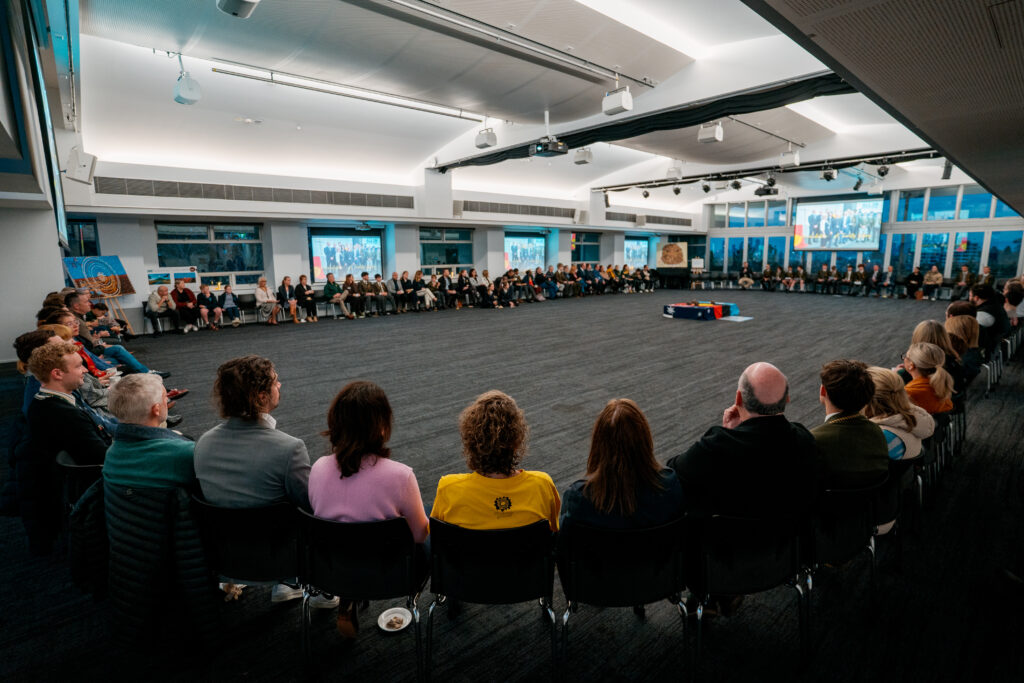
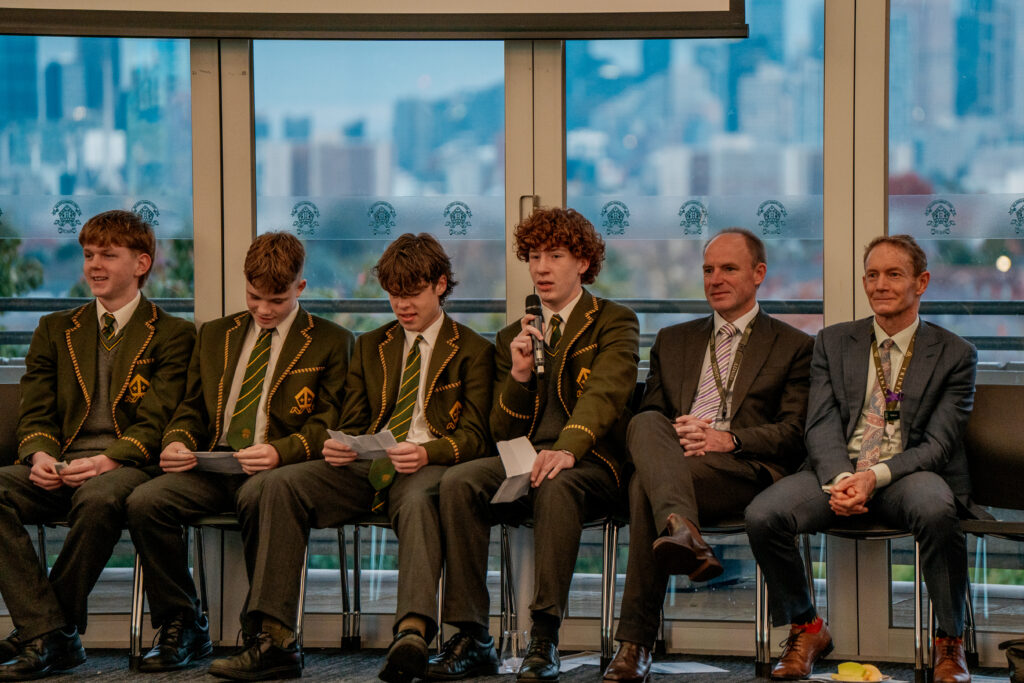
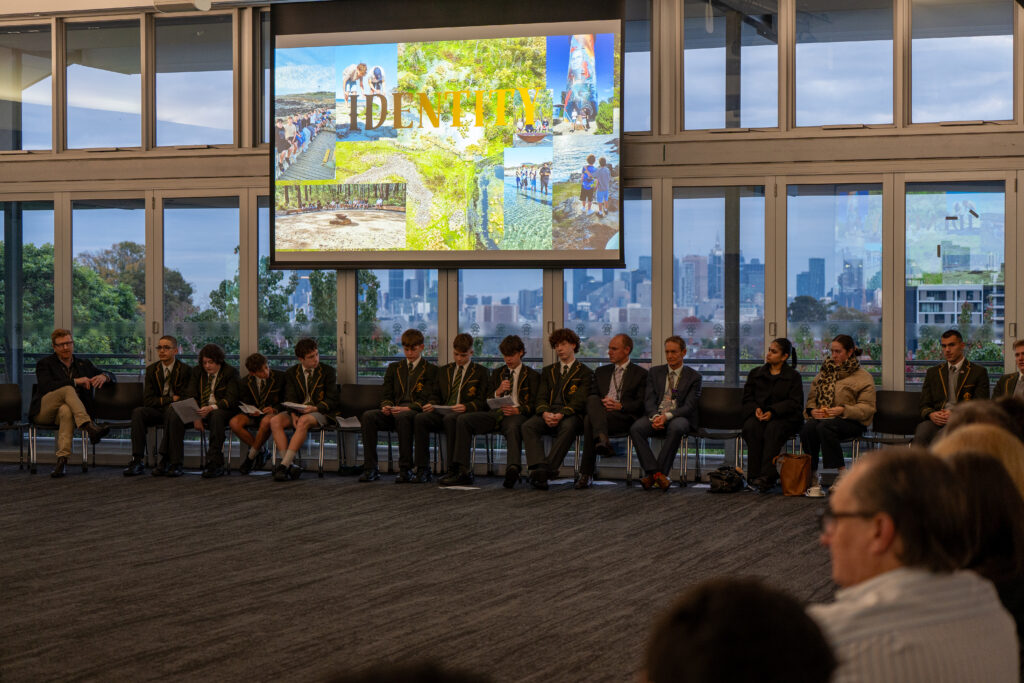

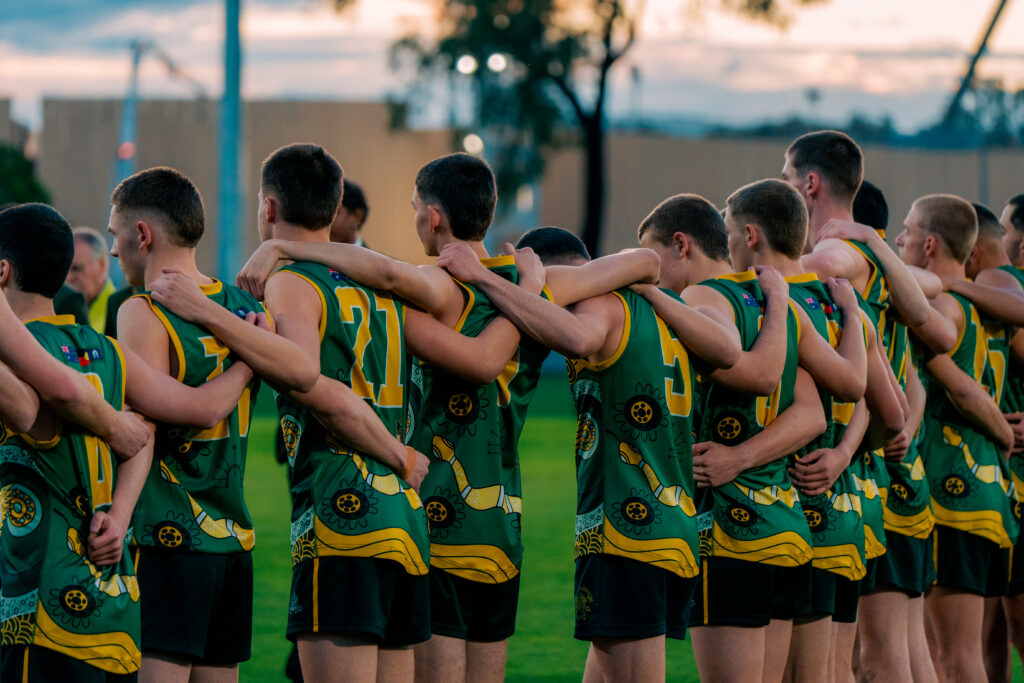
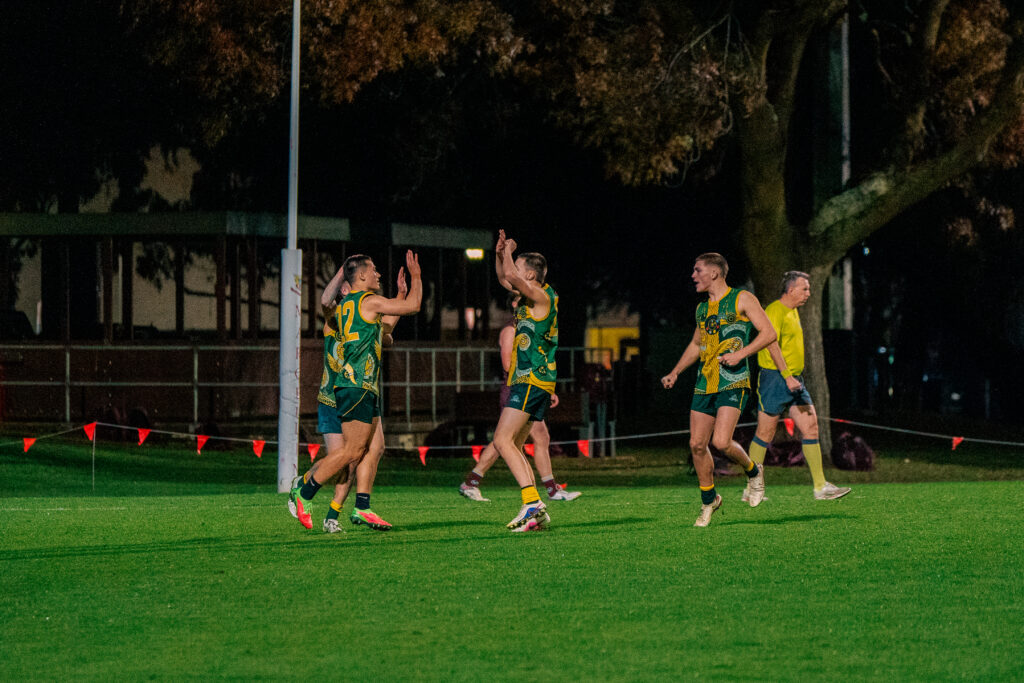
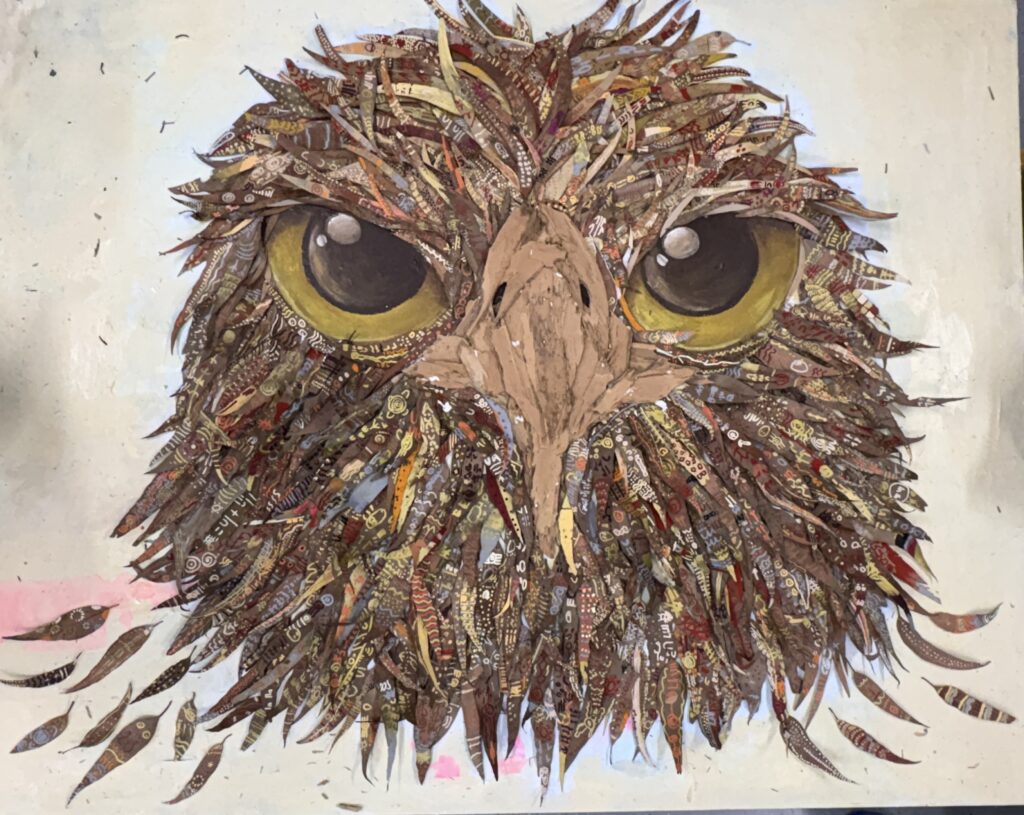
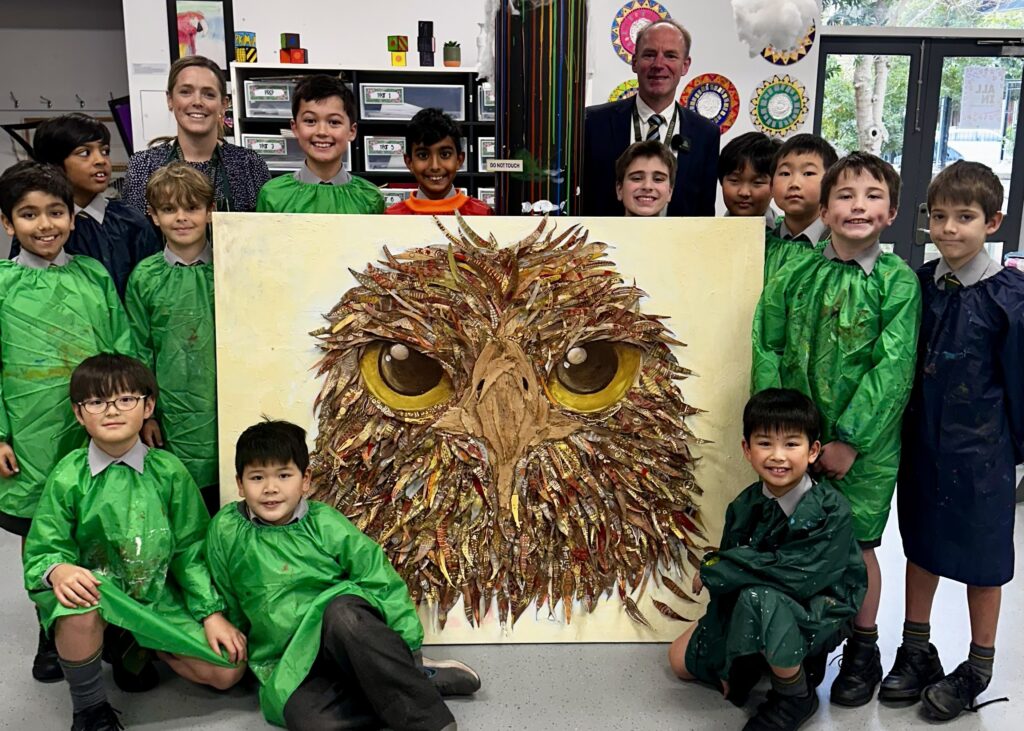
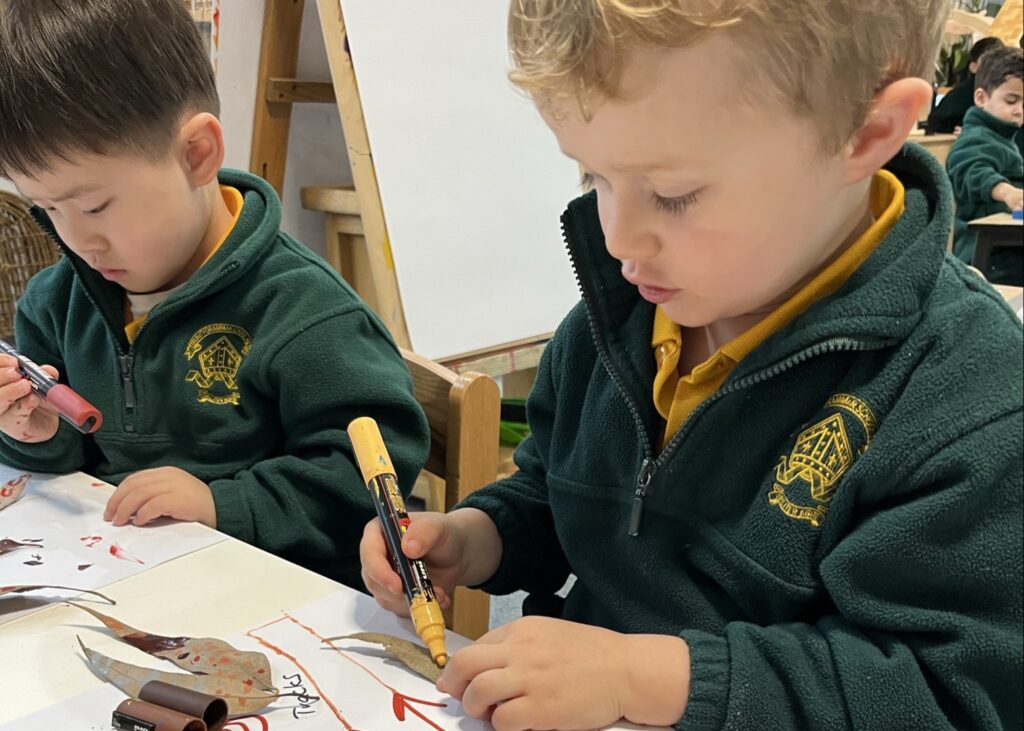
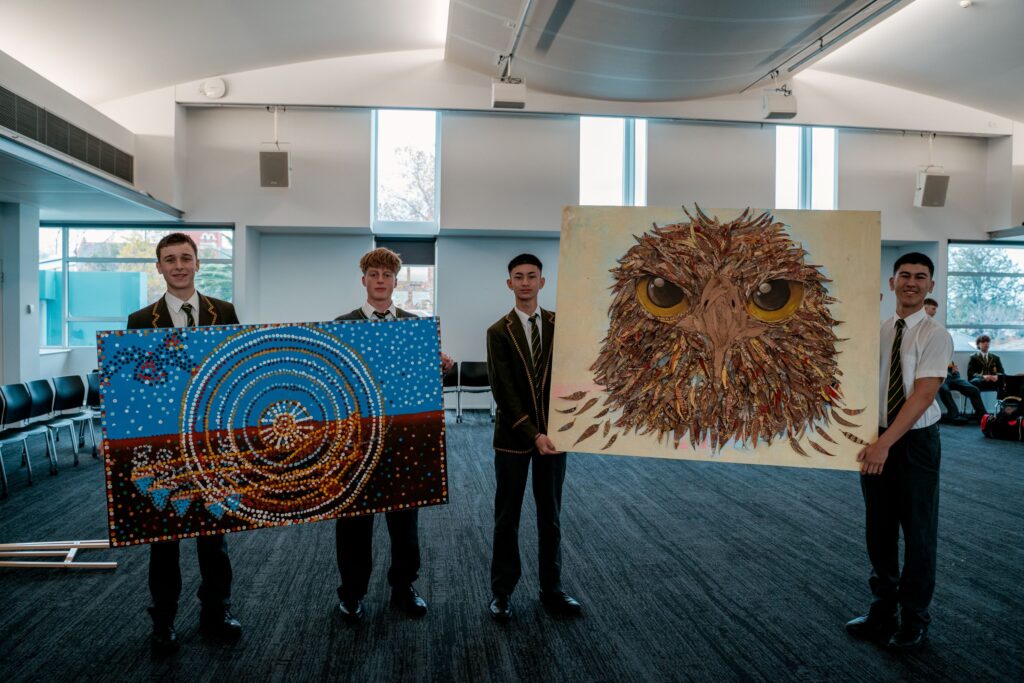
Throughout Reconciliation Week and Reconciliation Round, our young people were invited to listen, learn, reflect and strengthen their understanding of First Nations cultures and connections to Country.
Senior School House Athletics







Congratulations to Arnold House on finishing in first place, followed by Sutton in second and Henty in third.
Photos captured by Gautaman Shasitharan (OTG 2025).
Year 10 Interstate Expeditions
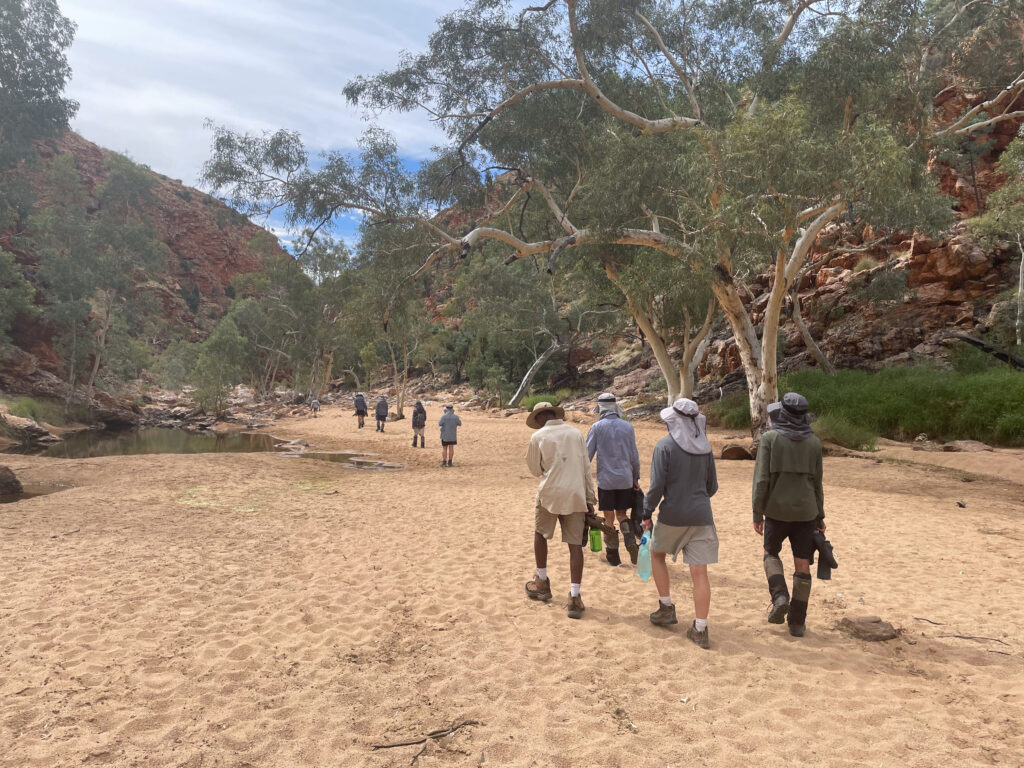
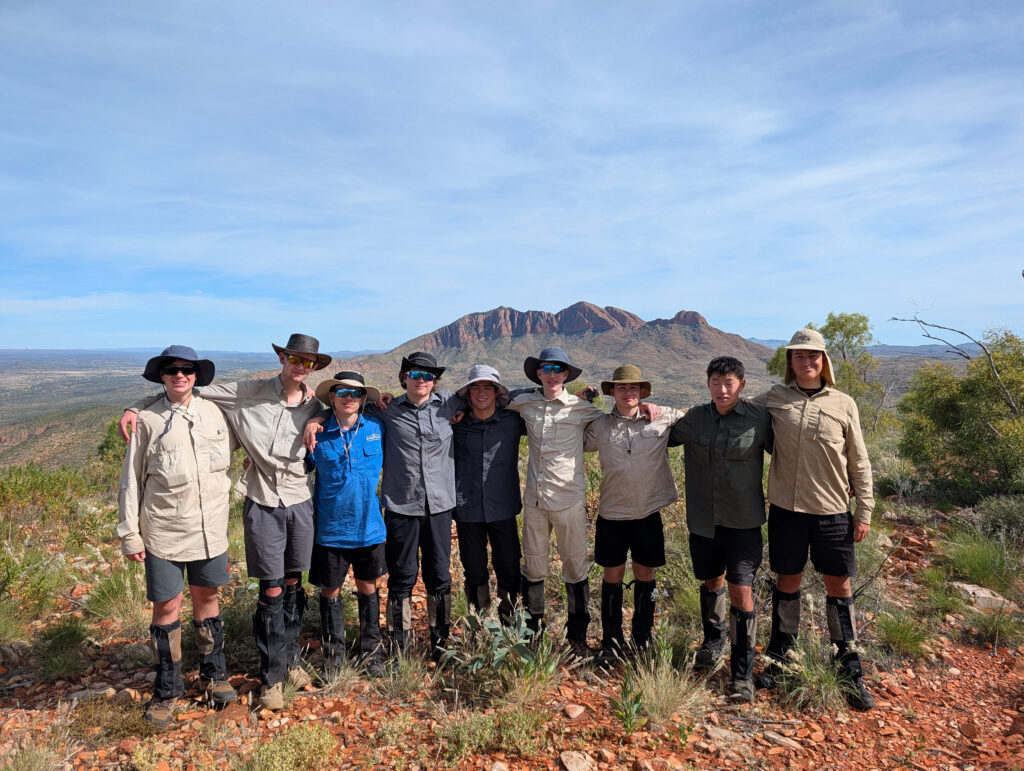
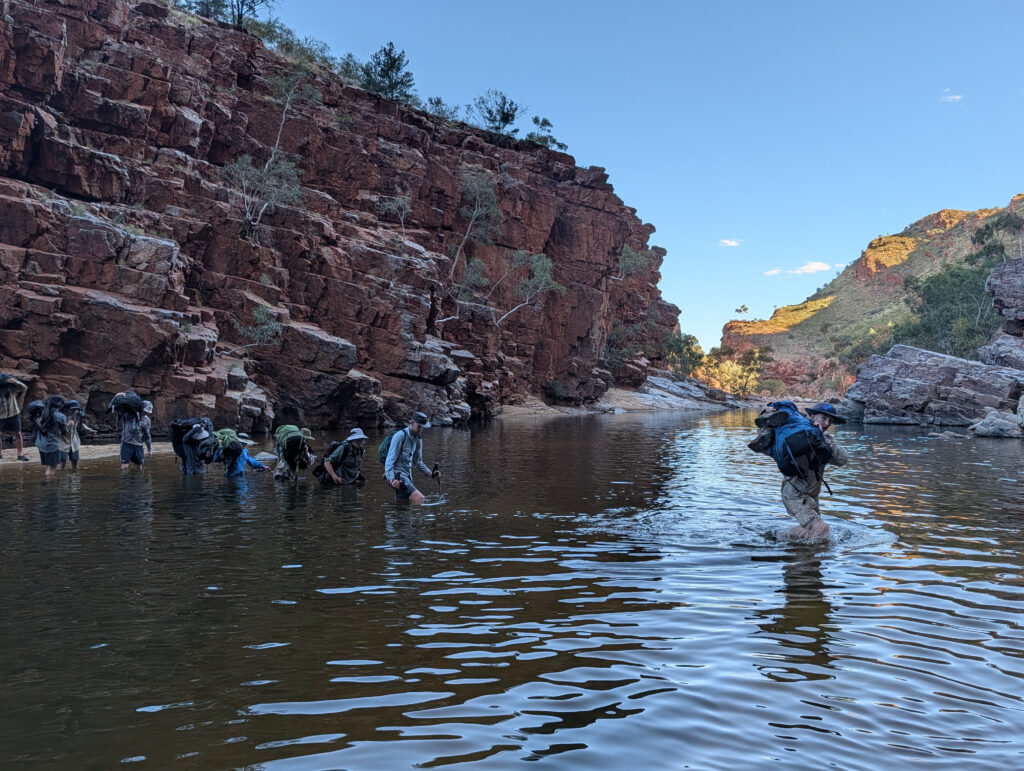
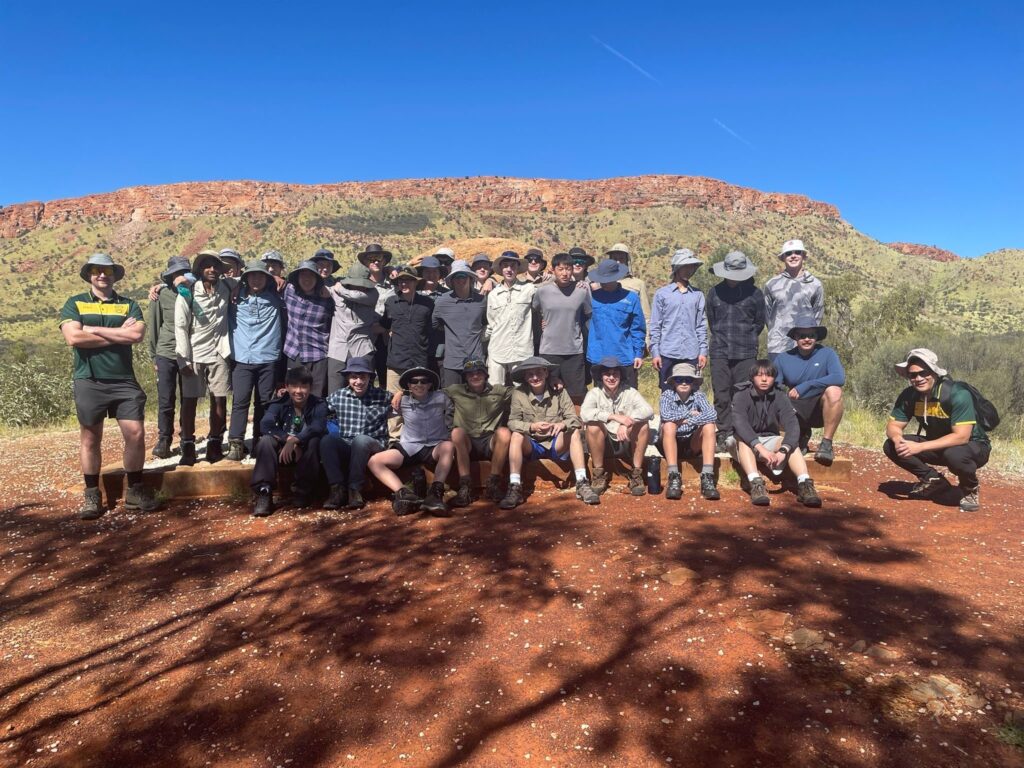
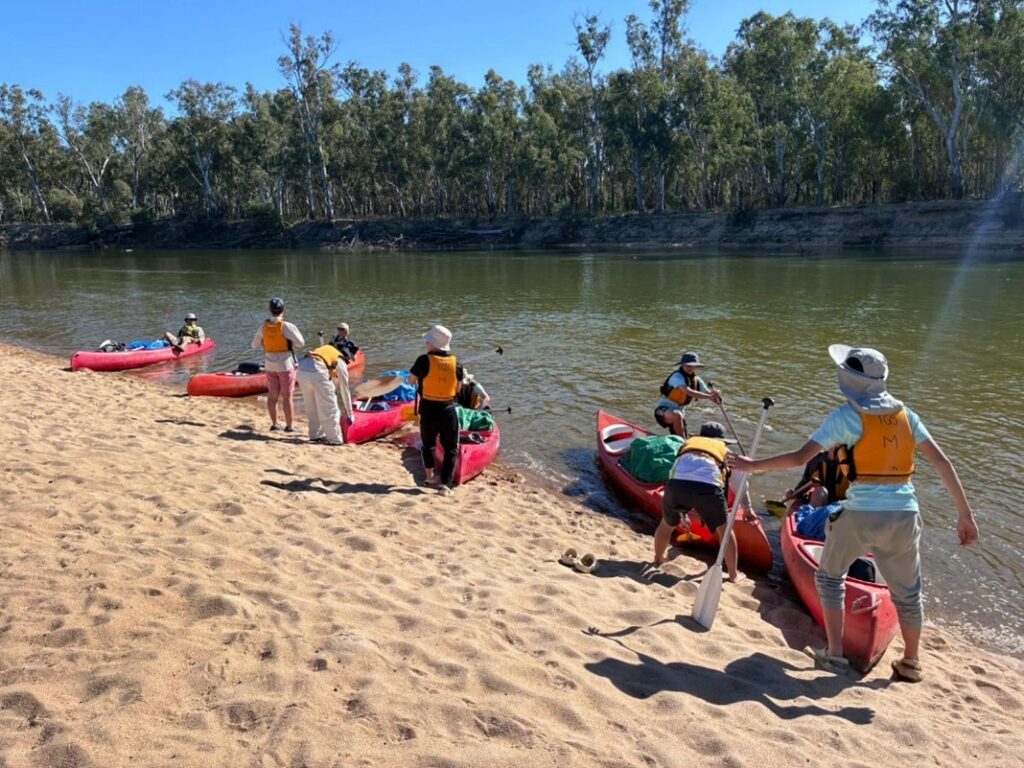
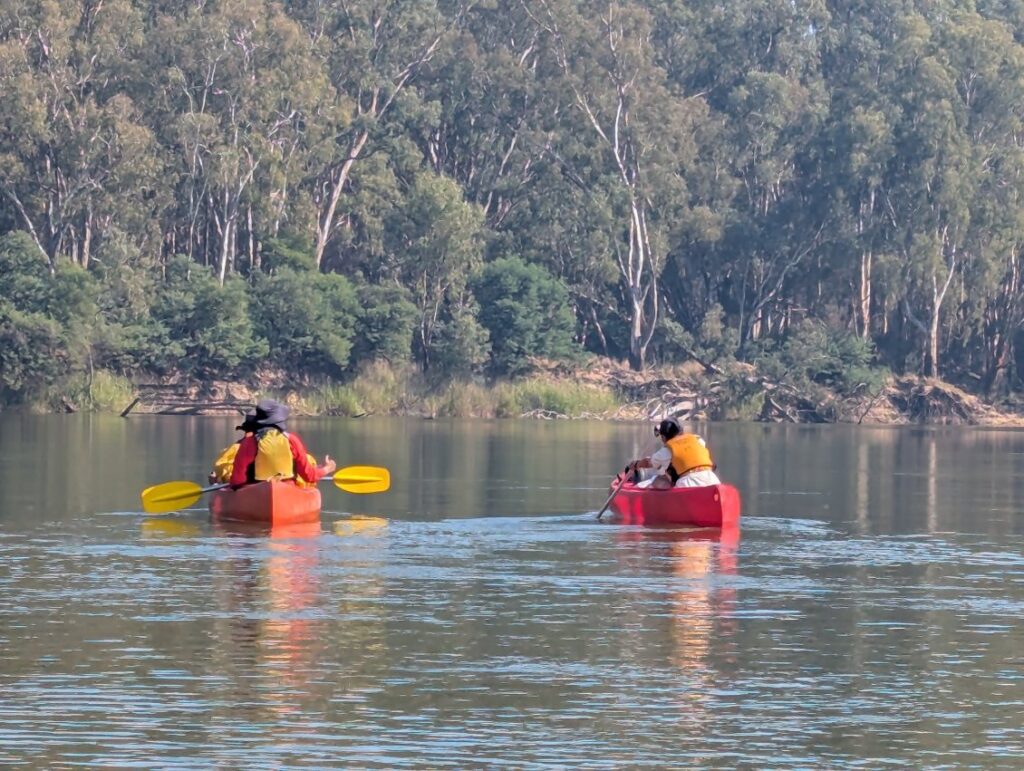
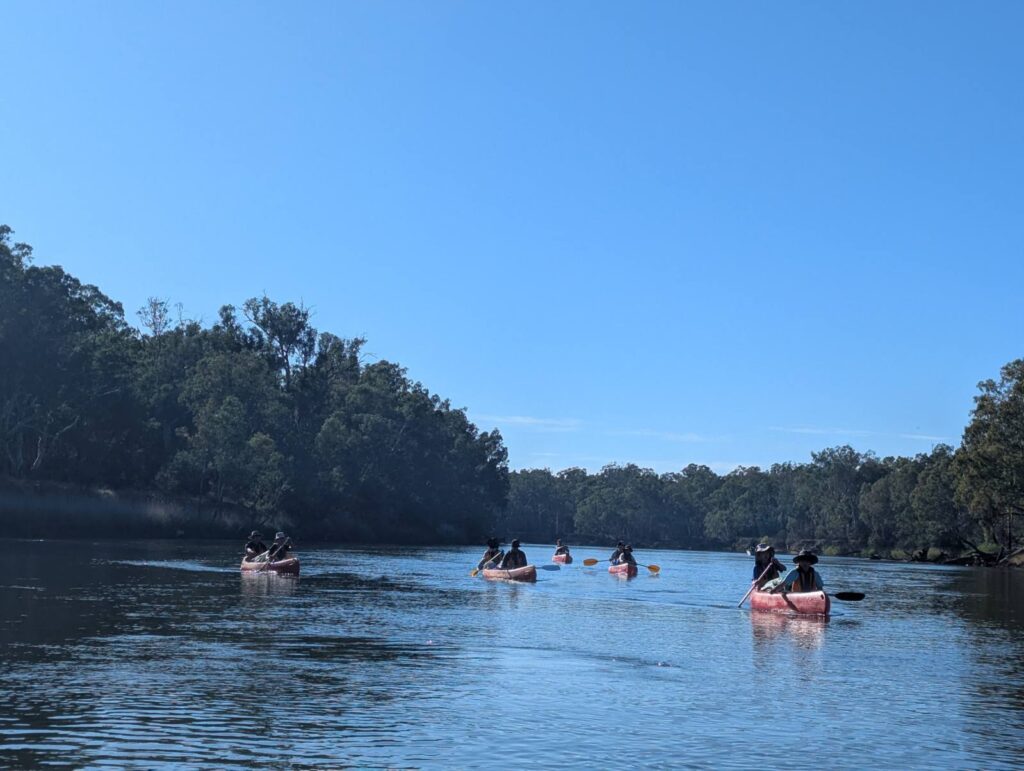

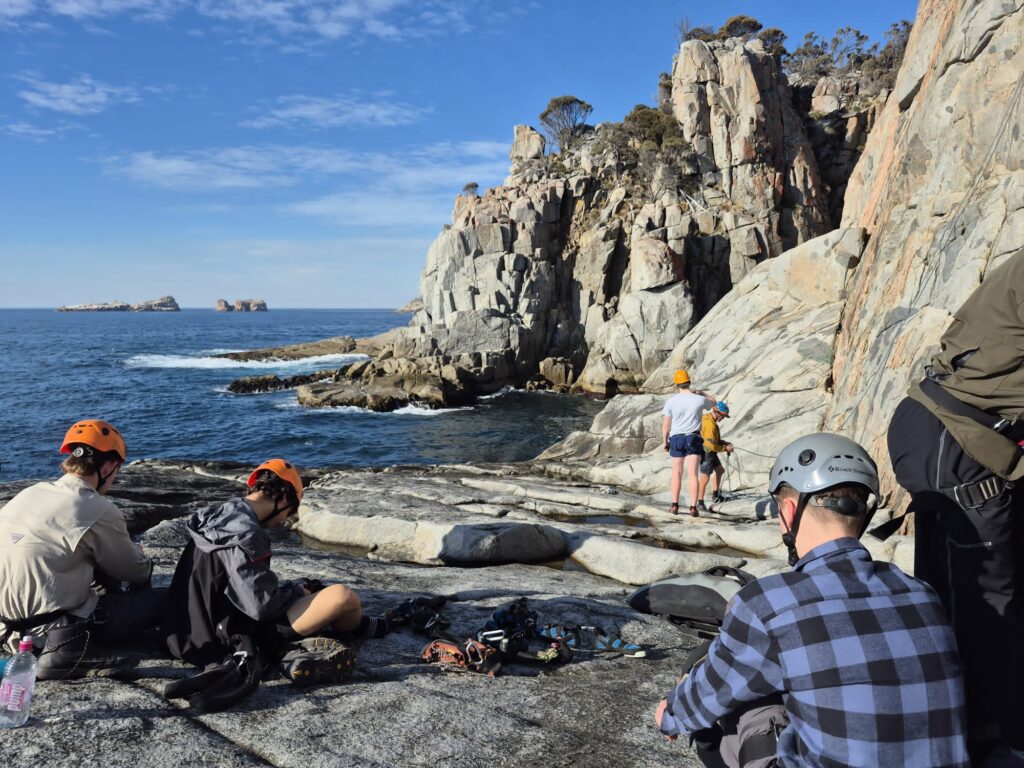
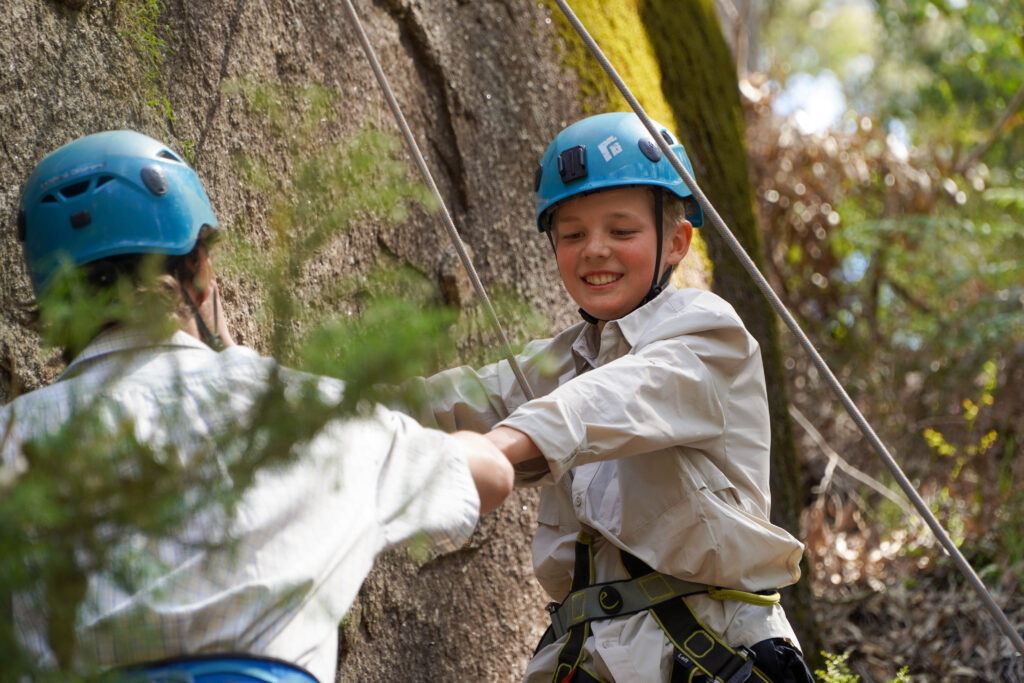
The first group of our Year 10 students took on the Murray, Freycinet and Larapinta as the pinnacle of their Outdoor Education journey at Trinity.
Junior School House Cross Country


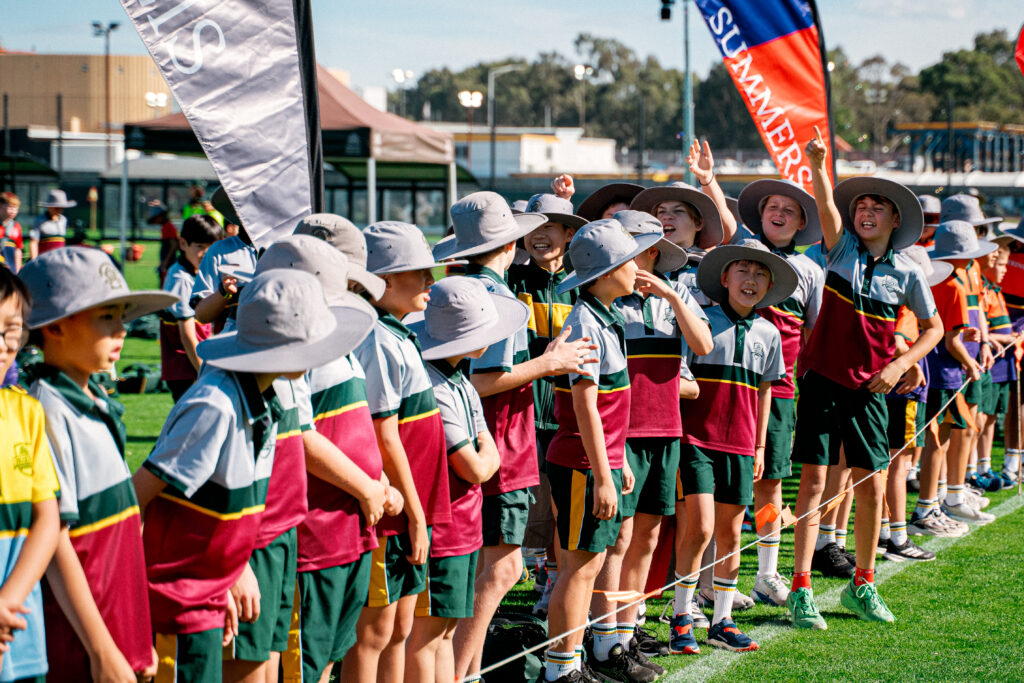


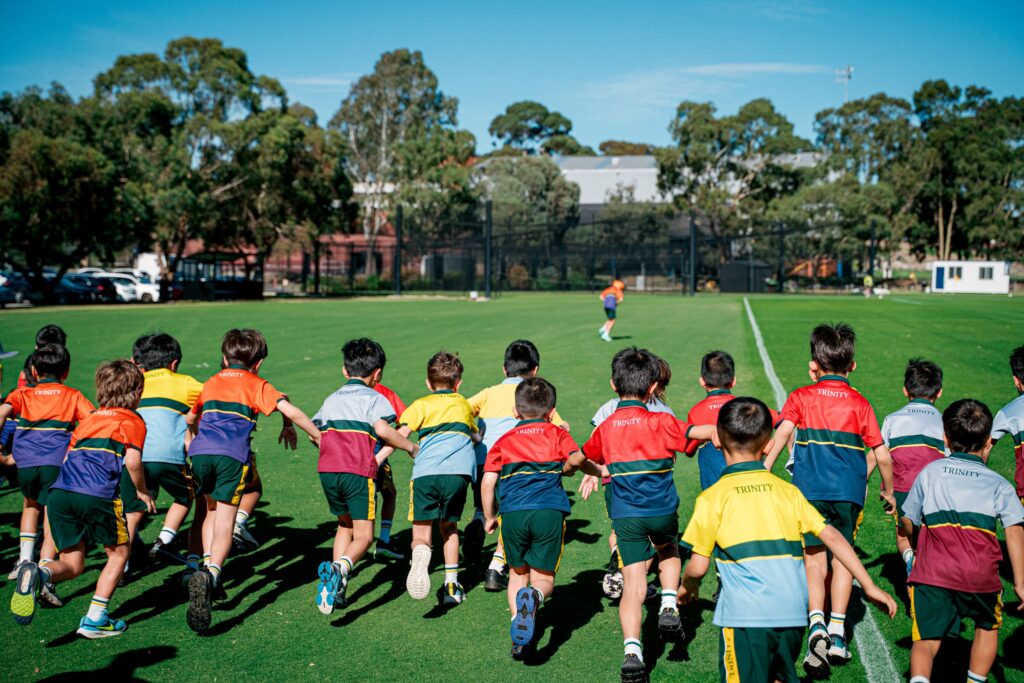
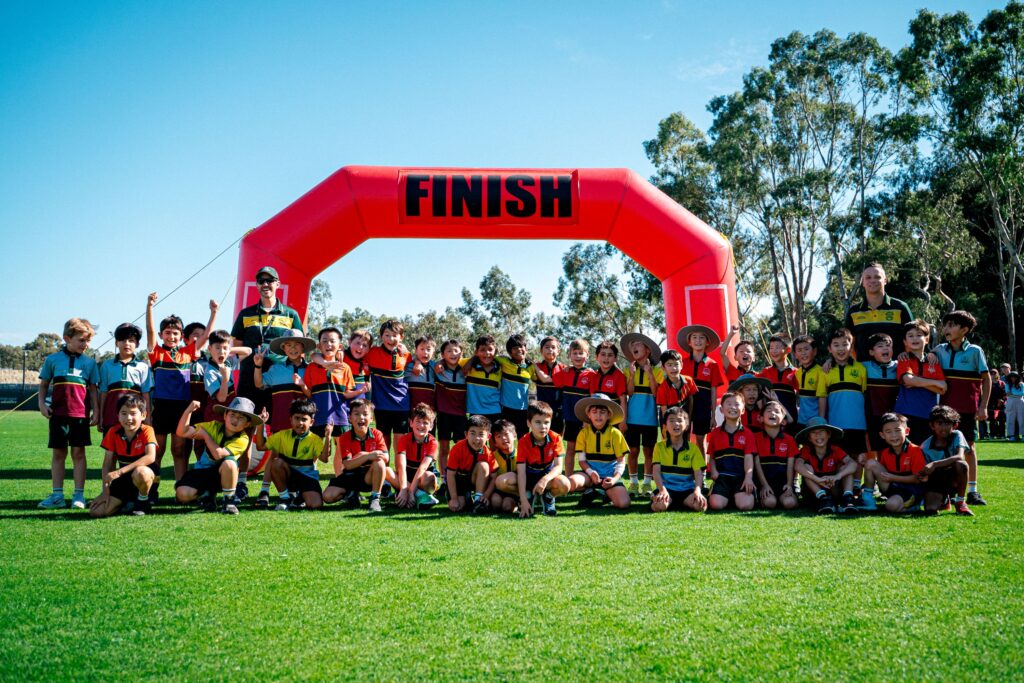
Congratulations to Summers House, who came first place with the combined results across all age groups, and to Henderson for winning the Spirit Cup.
Photos captured by Gautaman Shasitharan (OTG 2025).
HPAF
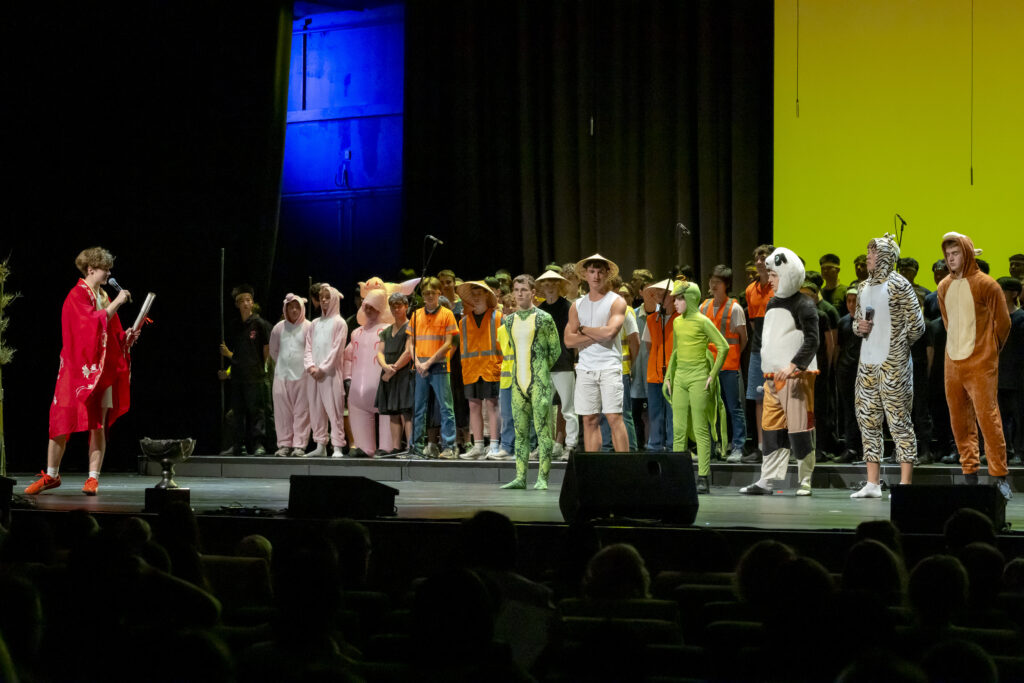
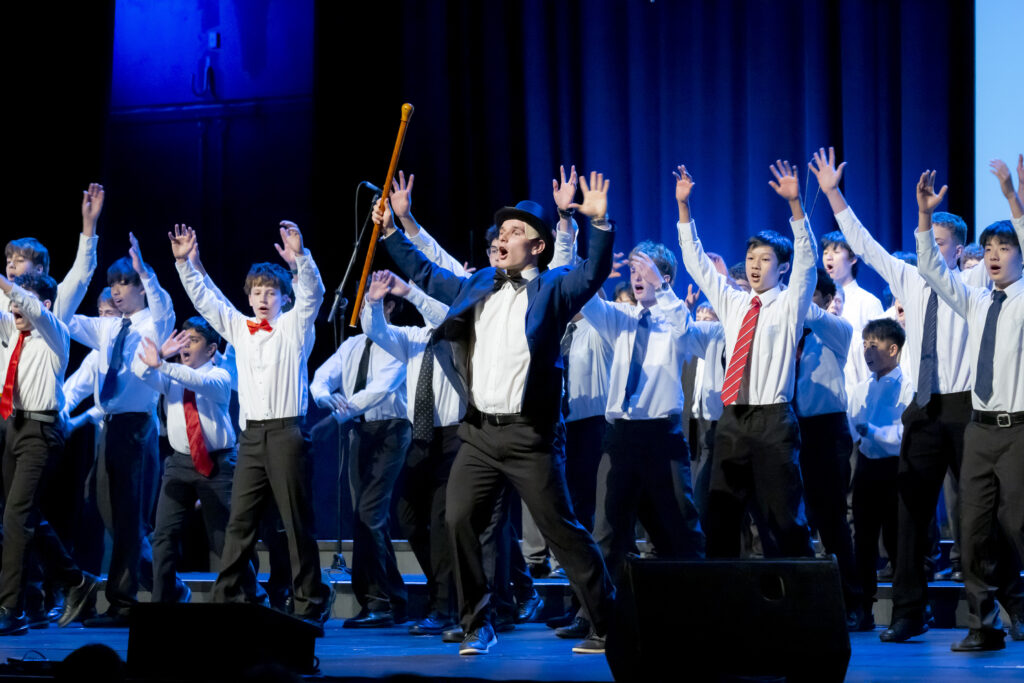
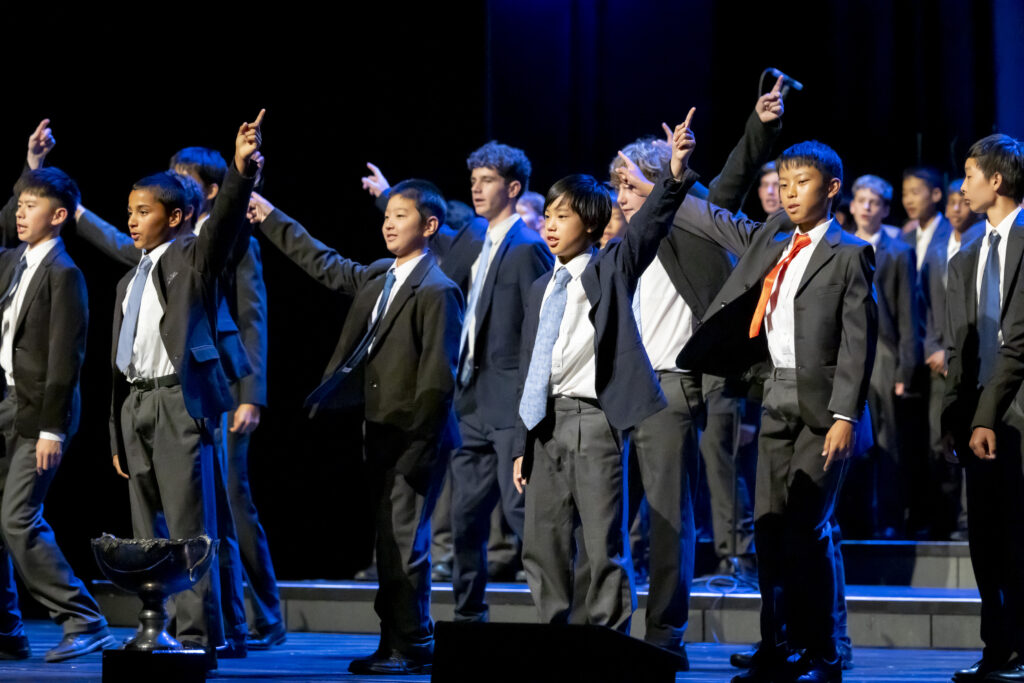

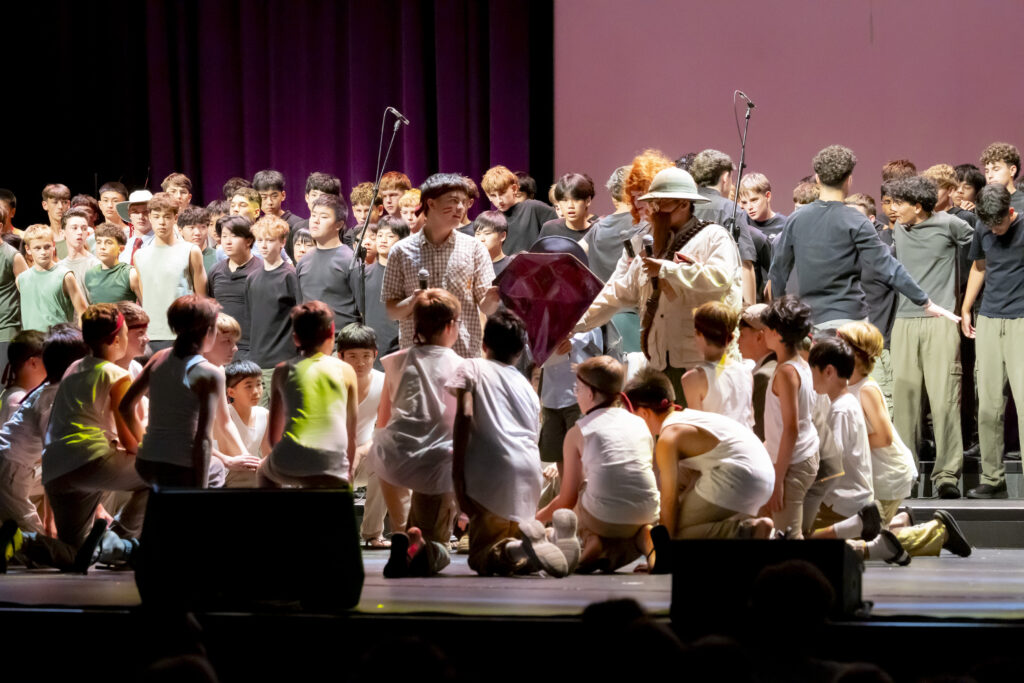
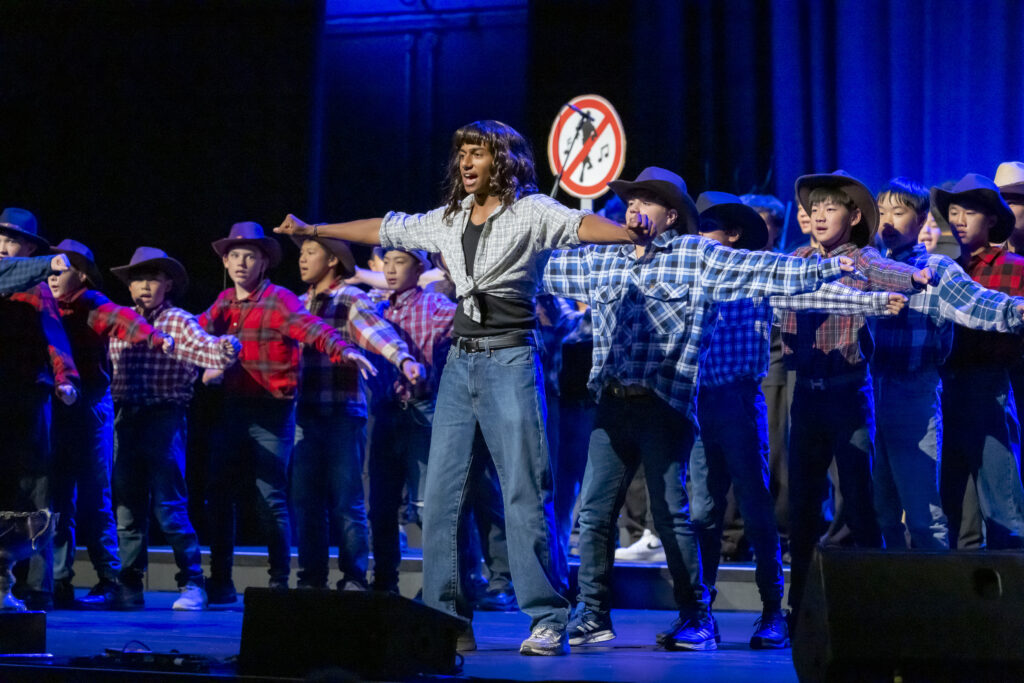

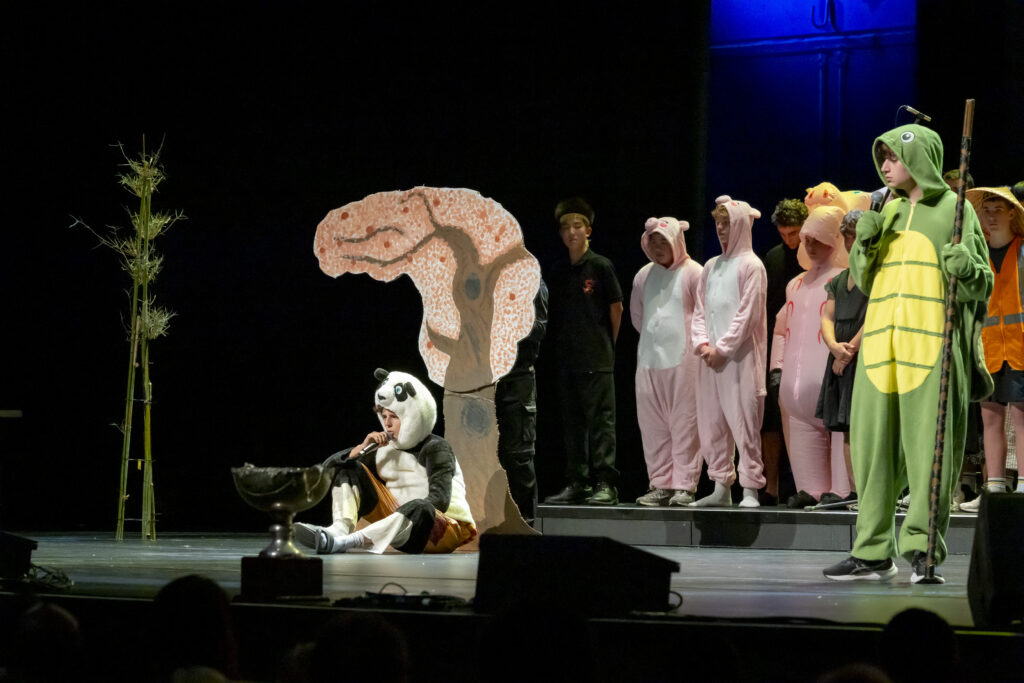

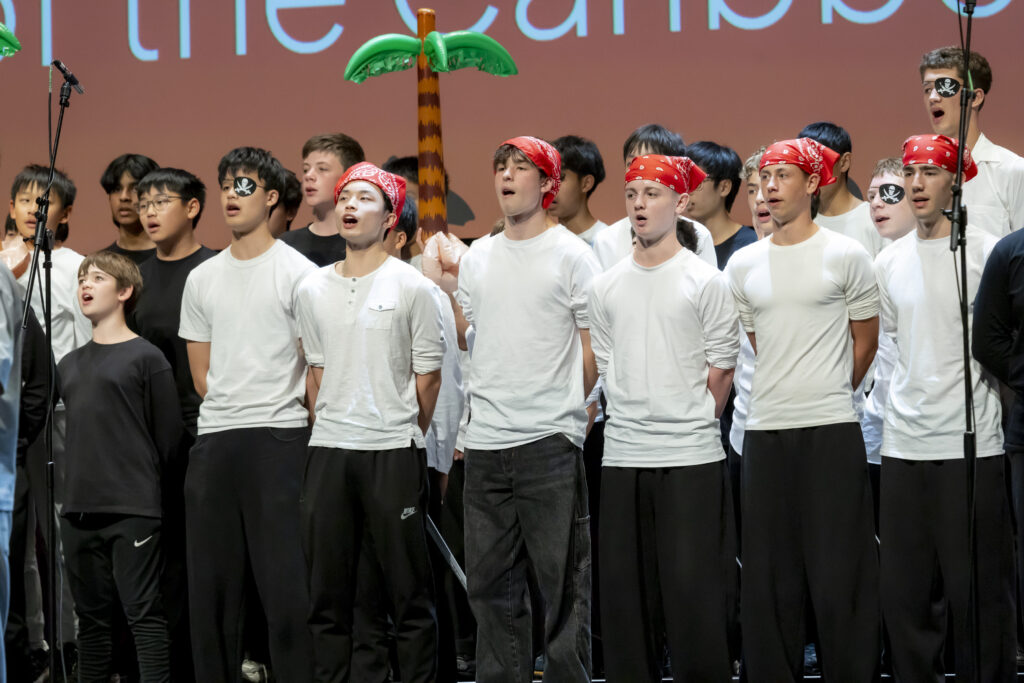
Our House Performing Arts Festival (HPAF) is far more than one performance – it is an extraordinary display of student creativity, collaboration and courage. Congratulations to all of the Houses, in particular the performers, musicians, writers and those working behind the scenes to bring the production to life, with a special mention to Sutton in first place, Arnold in second and Roberts in third!
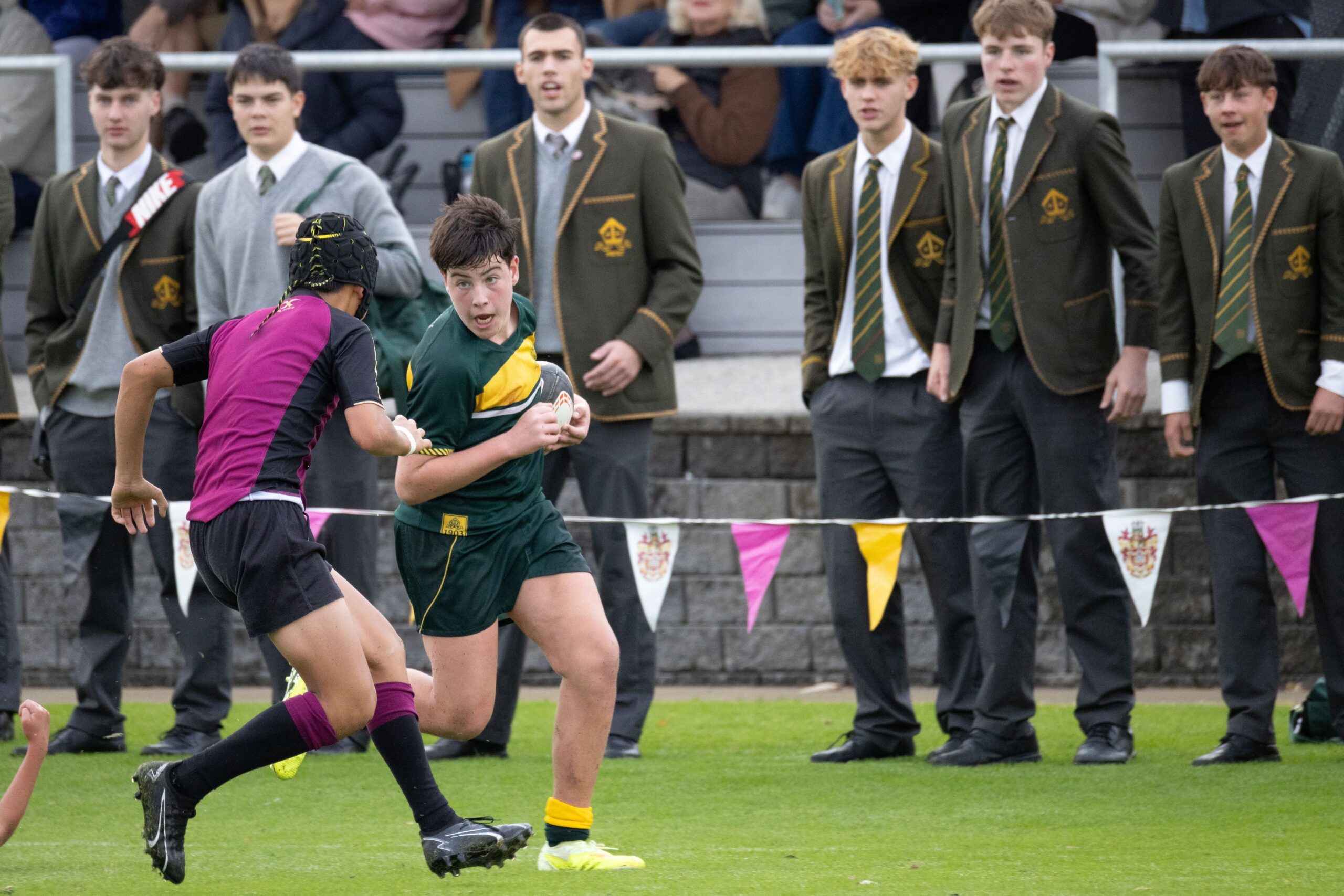
Our Firsts Rugby team supporting the Year 8s vs Haileybury
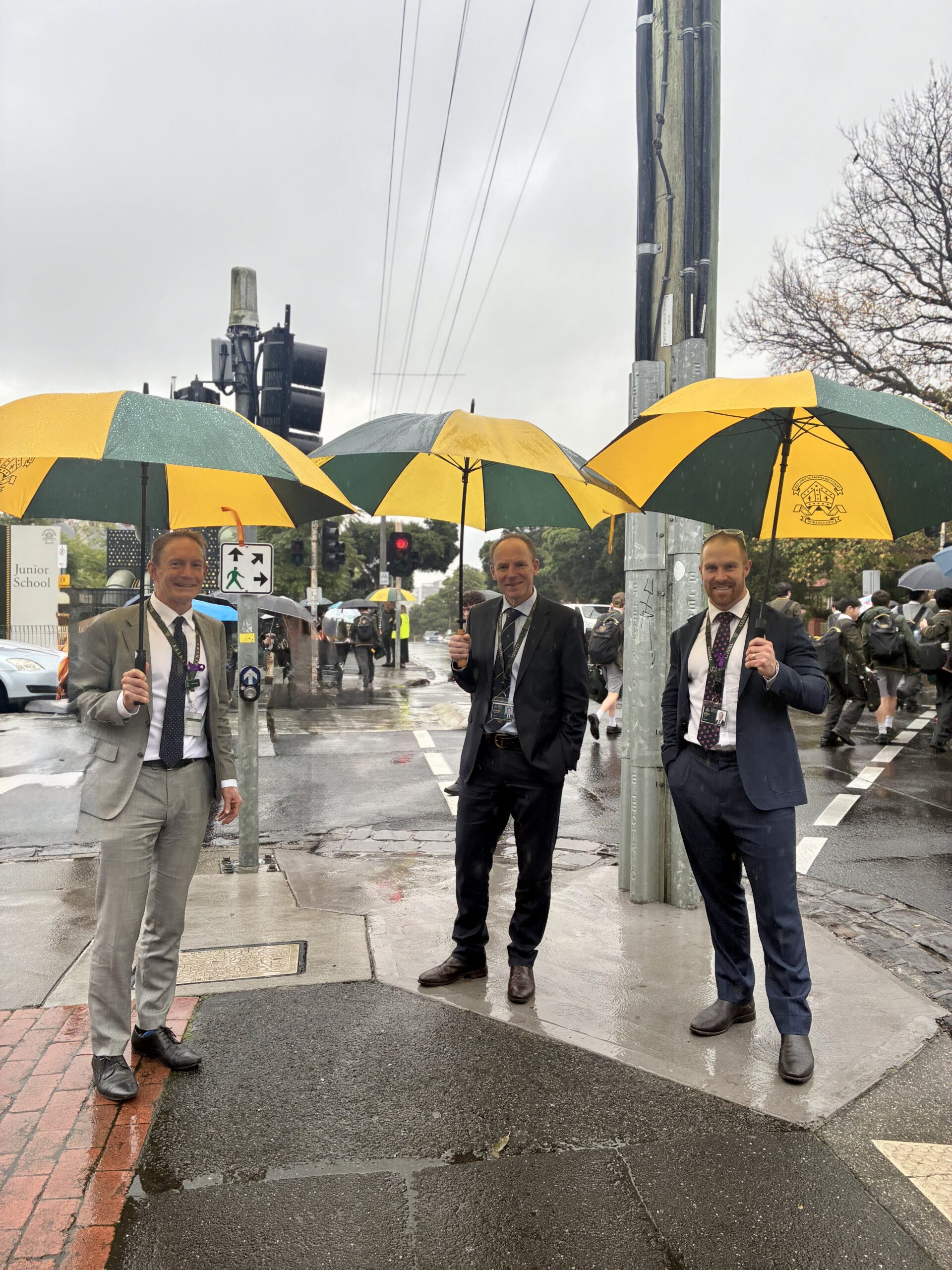
Come rain or shine!
Annual Financial Report
Mark Glover, Chief Operating Officer
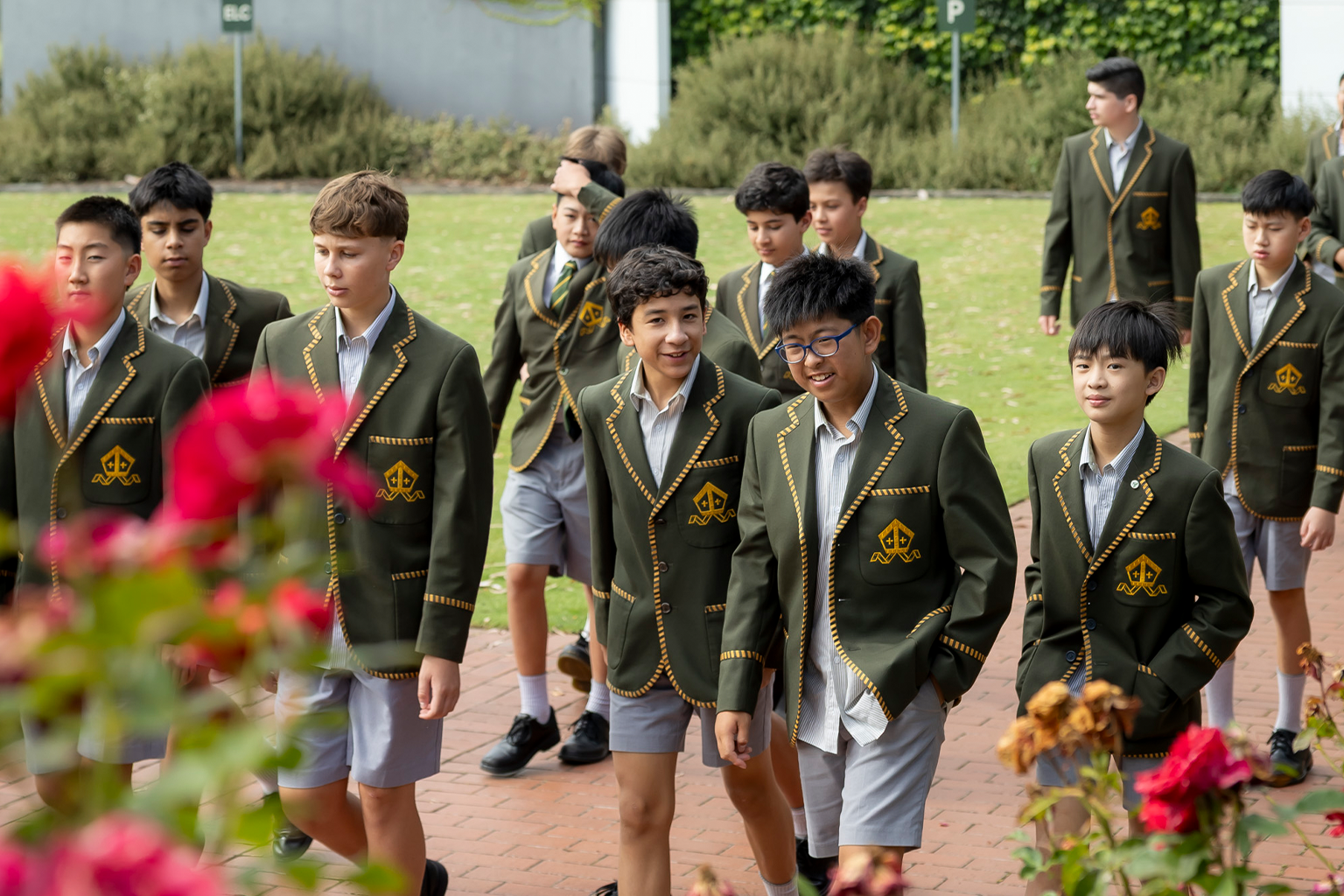
Trinity Grammar School, Kew experienced another successful year in 2025, characterised by strong student performance and high levels of community engagement. The school maintained a strong enrolment position and this stability, supported by the School Council and the parent community, continues to underpin the school’s academic and co–curricular programs.
While the school’s financial position remains sound, management continues to navigate the ongoing impact of the State Government’s Payroll Tax, which remains a significant pressure on the bottom line. In response, the Finance Team focused on a 2026 Budget program that aimed to reduce fee indexation impact on families while improving the school’s EBITDA and net surplus position, and without adversely impacting on programs and student learning outcomes.
A significant focus of 2025 was advancing the school’s long-term infrastructure goals at both the Kew and Bulleen campuses:
Bulleen Masterplan: Following the appointment of 2 Construct Pty Ltd, works officially commenced on the Bulleen Pavilion project. Demolition was completed rapidly and, by year’s end, the project had reached the structural phase with all ground works having been completed. Through a Design and Construct methodology, the school has already accepted approximately $300,000 in value management savings, while working productively with the builder and consultant team to ensure the project is ahead of schedule and quality outcomes are being achieved.
Kew Masterplan: The school continued to progress some challenging statutory town planning processes to help with the critical move critical of unlocking the “Village” works. While this process has incurred additional time, it is essential for the Masterplan’s delivery.
2025/26 Capital Works: To accommodate the ninth stream for Year 7 in 2025 and Year 8 in 2026, several projects were approved for the past two summer breaks, including new classroom construction in Merritt House and on the Hindley Terrace, while set upgrades to the P&F Hall and modifications to the Cotham Road Showroom for music rehearsal space were other key projects completed.
The Scholarian Project represents a major milestone in the School’s Digital Strategy. Partnering with Atturra and Brisbane Grammar School, Trinity is transitioning to a single Microsoft Dynamics-based ecosystem to replace ageing systems like Synergetic and Firefly. By the end of 2025, the project had reached the User Acceptance Testing (UAT) stage for core modules including People & Profiles, SIS, and the Parent Portal.
Additionally, the school is implementing a Genetech solution to integrate all security and building management systems into a single operating platform. This will complete the second stage of the school’s infrastructure upgrade strategy, ensuring all emergency management, security and mechanical systems are centrally managed across both the Kew and Bulleen campuses. This has followed the extensive fire, emergency and PA systems upgrade completed earlier in the year.
Other key highlights of the 2025 school year included:
Establishment of the Trinity Foundation: A major governance milestone was reached with the formal establishment of the Trinity Grammar School Kew Foundation. The Foundation Board, chaired by Mr. James Brown (OTG 1992), has been appointed, and ACNC registration for the entity and its Trustees is complete.
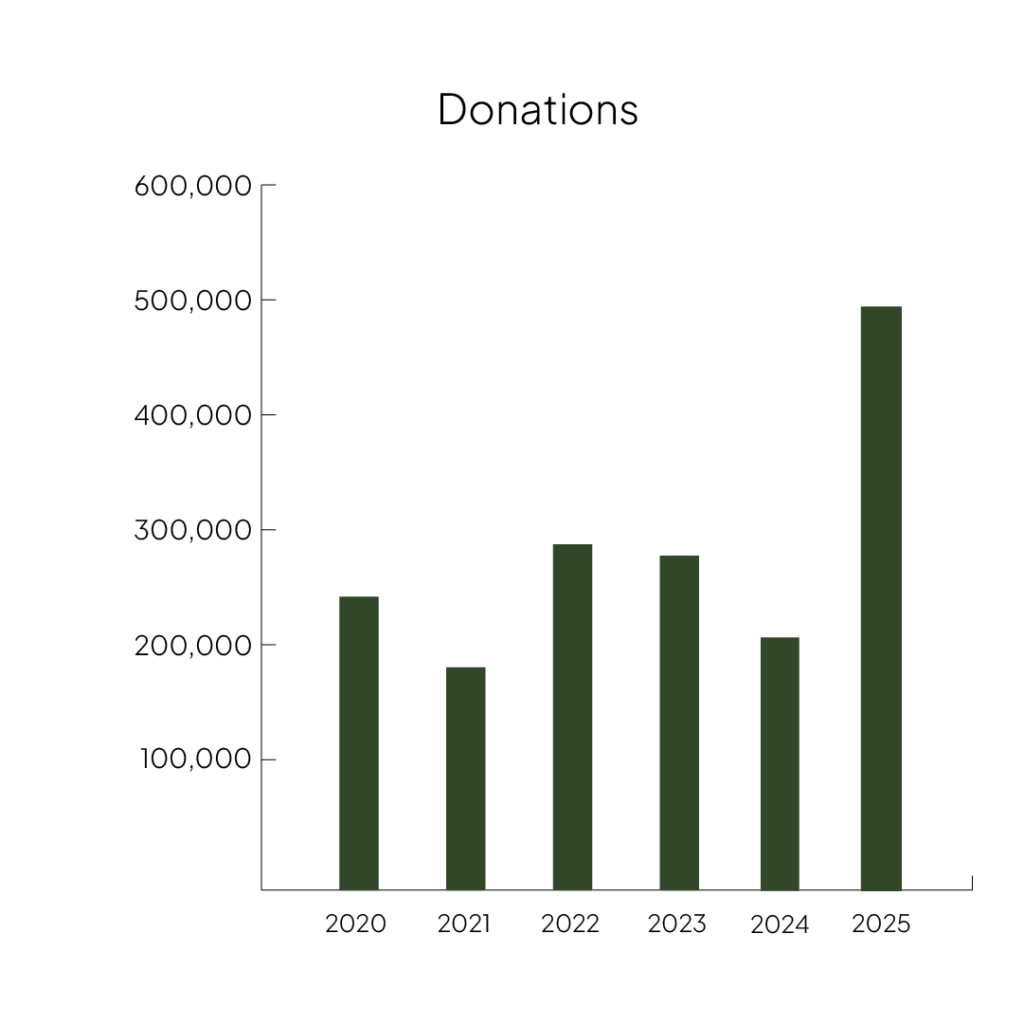
Fundraising: The annual Community Giving Day was highly successful, and the initial work of the capital campaign is underway to support the Bulleen Pavilion development and other upcoming Master Plan projects.
Strategic Risk Management: The school formalised its new Critical Incident Response Plan (CIRP) following a comprehensive professional development day and a live desktop scenario involving the Senior Leadership Team.
Sustainability: The Council adopted its first ESG (Environmental, Social, and Governance) strategy which was an exciting step to guide future sustainability efforts.
Community Safety: Following proactive engagement with Boroondara City Council and the Department of Transport and Planning (DTP), funding was approved by the State for a new ‘wombat’ crossing on Charles Street to improve pedestrian safety.
The Treasurer presented details of the 2025 Financial Year at the Annual Community Forum and at the recent Annual General Meeting of the School. A summary of the financial position of the school, along with comparative information, can be seen in the graphs and tables below.
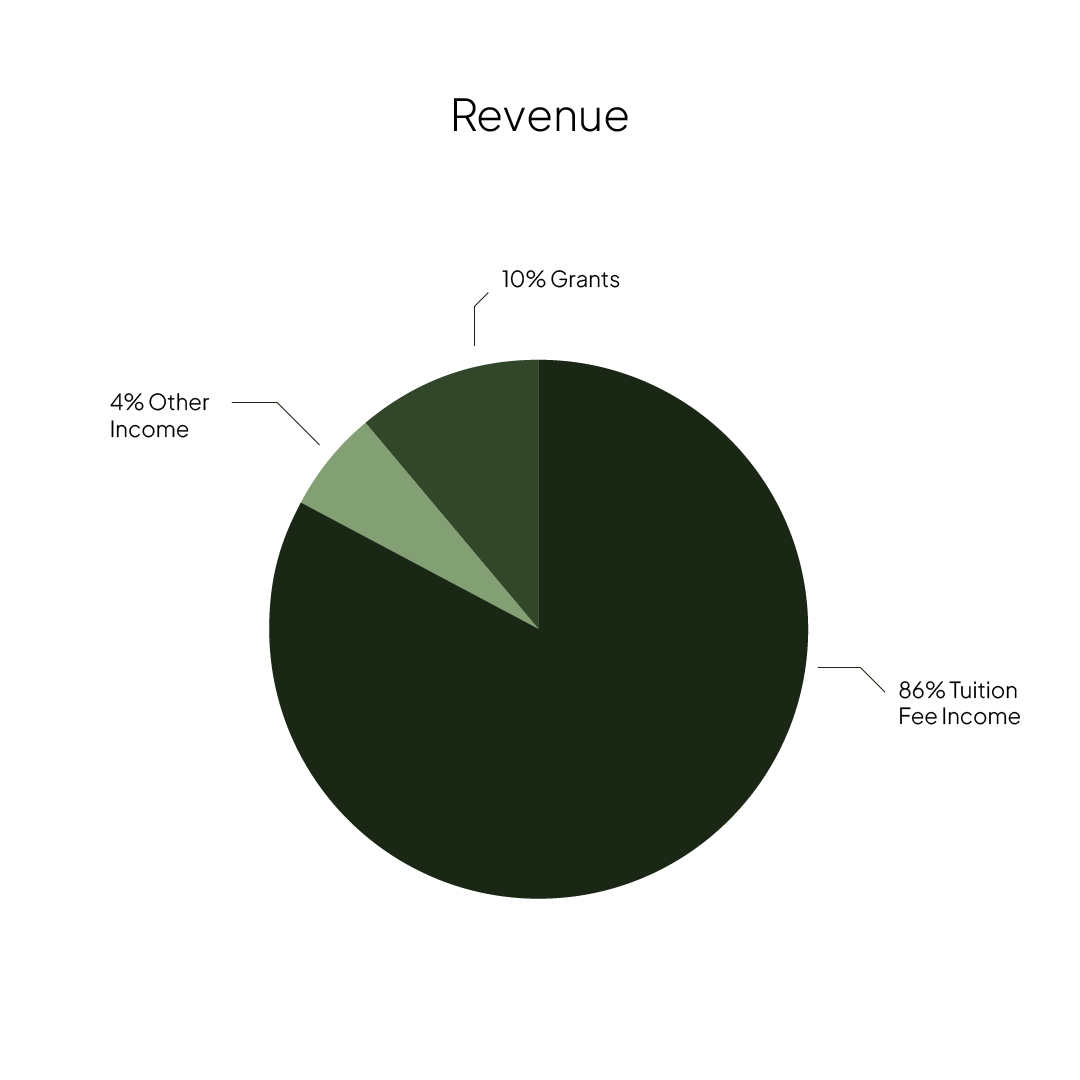
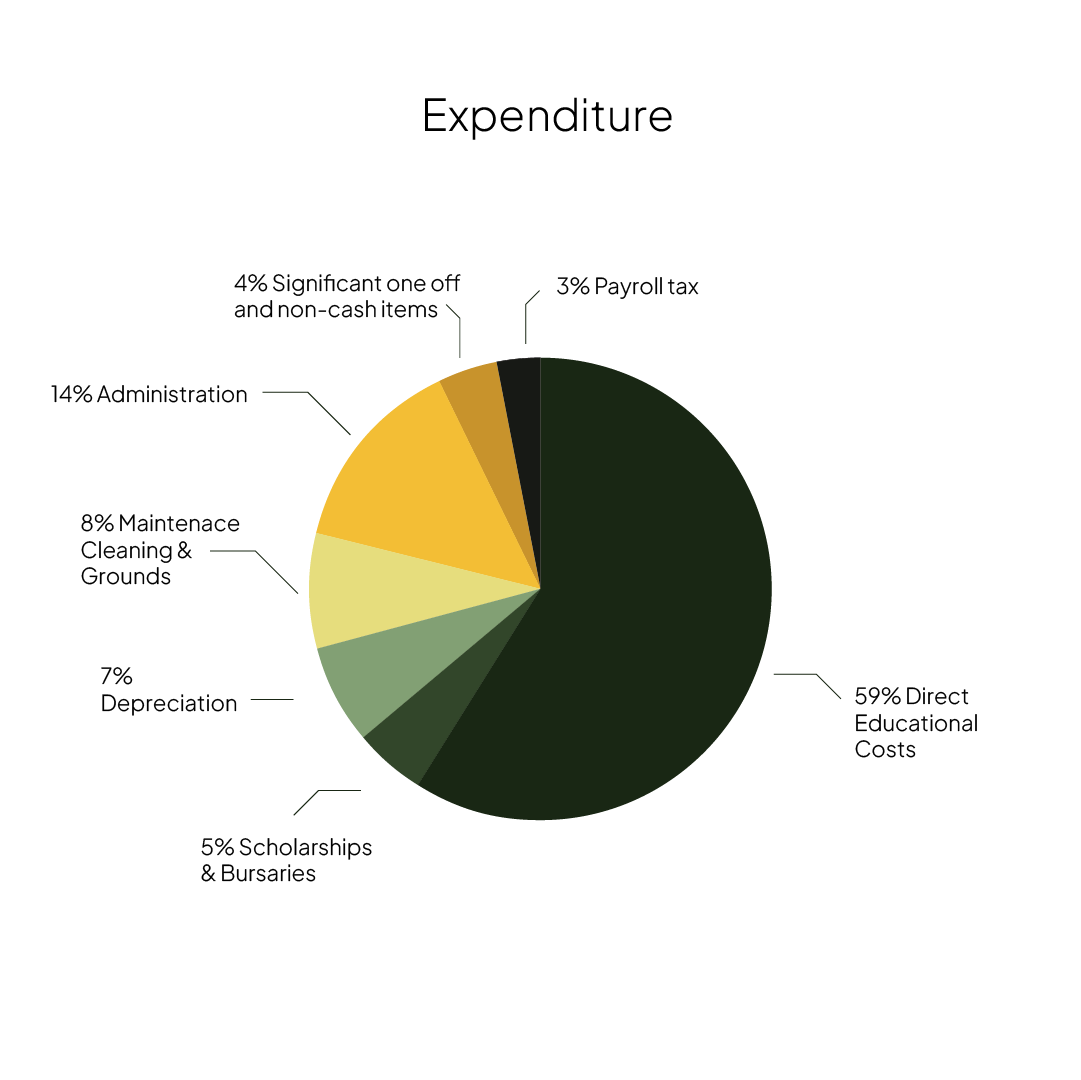
2025 Financial Results & Compartives
| Income | 2025 | 2024 |
| $’000 | $’000 | |
| Tuition fee income | 67,334 | 59,906 |
| Grants | 7,858 | 7,261 |
| Other income | 3,541 | 4,467 |
| 78,733 | 71,634 | |
| Expenditure | 2025 | 2024 |
| $’000 | $’000 | |
| Academic salaries and on-costs | 36,174 | 33,731 |
| Education expenses | 9,291 | 8,240 |
| Scholarships and bursaries | 3,453 | 3,426 |
| Depreciation (non-cash) | 5,664 | 5,108 |
| Maintenance, cleaning and grounds | 5,844 | 5,228 |
| Administration expenses | 10,693 | 10,010 |
| Significant one off and non-cash items | 2,759 | 2,332 |
| Finance and other costs | 91 | 58 |
| Payroll tax | 2,572 | 1,221 |
| Retained for capital development | 2,194 | 2,279 |
| 78,733 | 71,634 |
The chart below details the comparative fundraising income that has been generated by the School:
Copies of the audited Financial Statements can be obtained from the office of the Director of Business.