- Autumn 2026
- |
- The Power of Belonging with the Power Brothers… read more!


15
The Power of Belonging with the Power Brothers… read more!
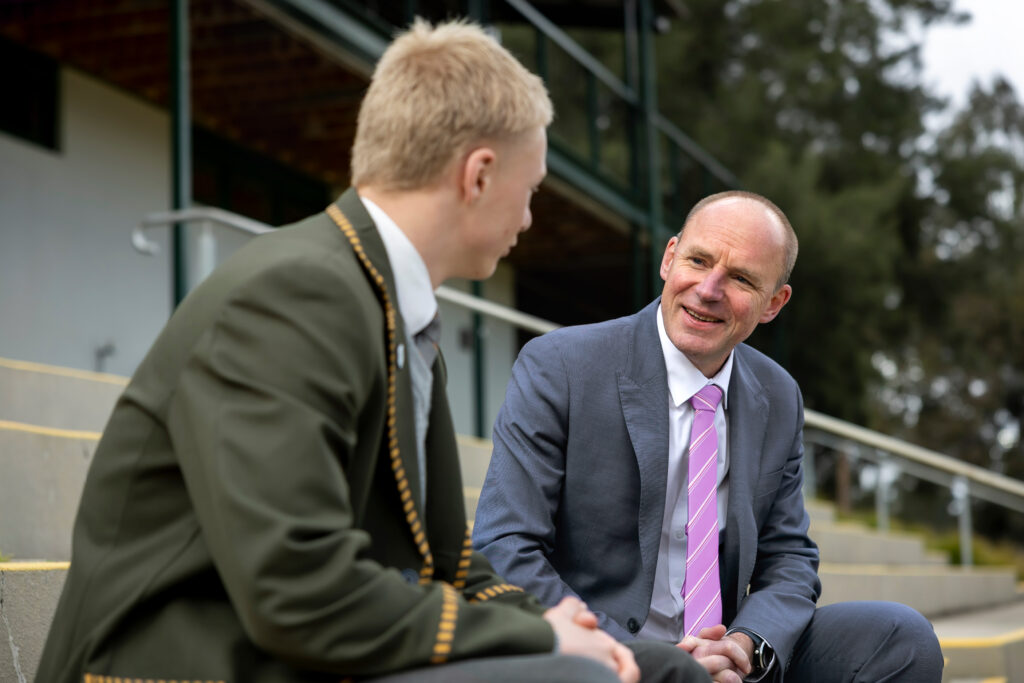
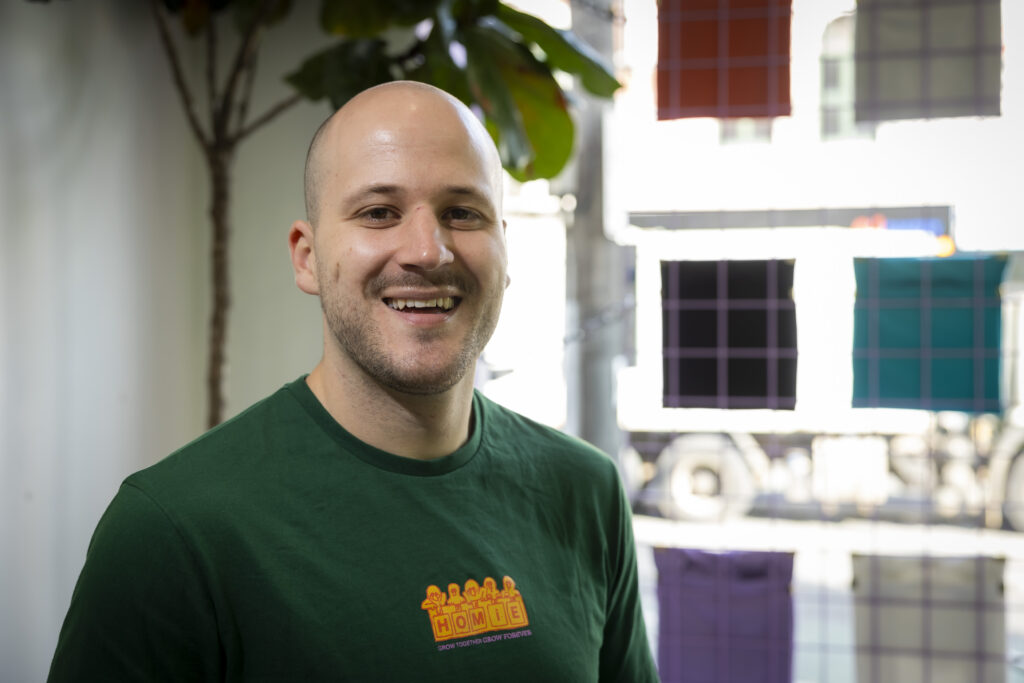
Ben Power
What was it like Playing First XVII Football with your brother Luke at school?
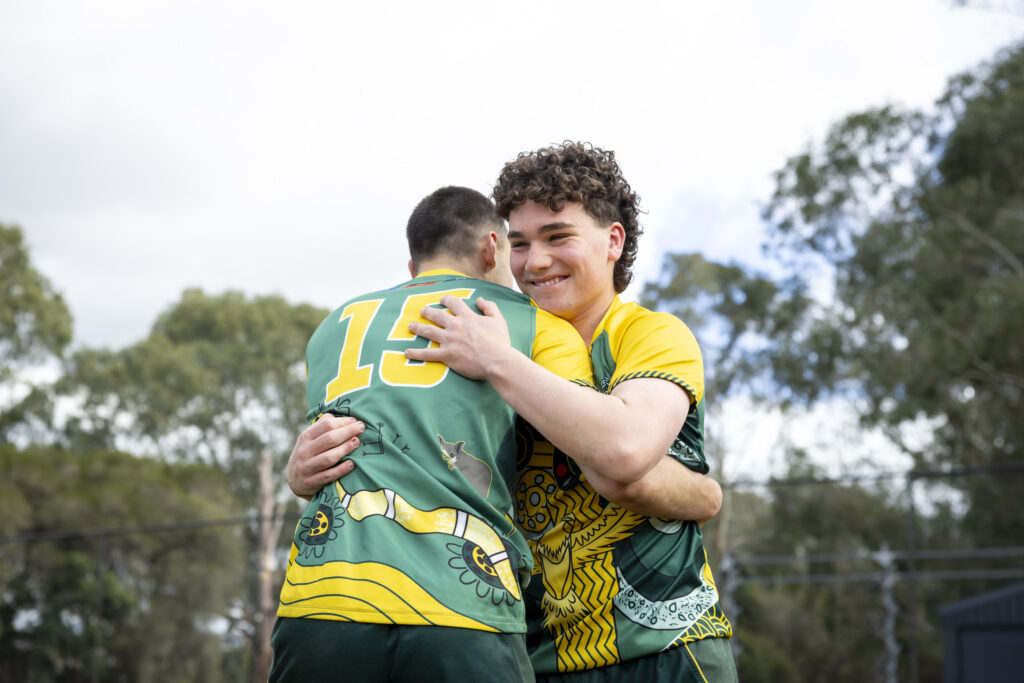
Having the opportunity to play a season in the First XVIII with my brother Luke meant a lot to me. It probably meant more to me than it did to him (laughing). I enjoyed watching him dominate, even as a skinny little Year 10 boy! I enjoyed protecting him, and I enjoyed that he looked to give me the ball whenever he could.
I’ve never seen anyone more competitive than he is. The winning mentality was just in him. I couldn’t be prouder of him. He’s become one of the AFL greats, but more important than that, he’s grown up to be one of the best people in the world.
I can’t talk about Luke without talking about Sam. Although our six‑year age gap meant that we didn’t play together at school, I’ve never missed any of his games. He was brilliantly successful in his own right as a player. I admire his toughness and resilience so much. To have had the career he’s had, then to push on and achieve the heights he has off the field running the football program at the Western Bulldogs, makes me smile. What a person he is, too. I love him so much.
When you look back at your school years, what stands out most about your time at Trinity?
When I reflect on my time at Trinity, the things that stand out and what I treasure most are the friendships and the people I met along the way.
There are so many people who were important in my life at Trinity, but none more so than Rohan Brown. Rohan has been a friend to my family, a teacher, a football coach, and a supporter. He coached me in Maths in Years 9, 10 and 11 for nothing but a slice of my mum’s chocolate cake. Now, 30 years later, he tutors my daughter every week in Maths. His level of care and loyalty is out of this world. I’ve learned so much from him.
Noel Boys is someone very dear to me; we’ve done so much together. We toured England, won premierships, and he taught me a bit of accounting along the way. He’s a man who always believed in me and backed me when perhaps others didn’t. From that, along with the success we had, a very strong bond was built that still exists after all these years.
Noel Stevens, Justin Robinson, Bob Hillman, David Mansour and Kate Hall are all wonderful Trinity people and important to me.
You’ve had a long and strong career at Wellcom Worldwide, tell us a little bit about that and your current role as Manager of People and Culture?
I’ve been lucky enough to have 17 wonderful years at Wellcom. Achieving something great in a business sense, arm in arm with my brother-in-law, Andrew Sidwell, who also attended Trinity, is something I’ll always cherish.
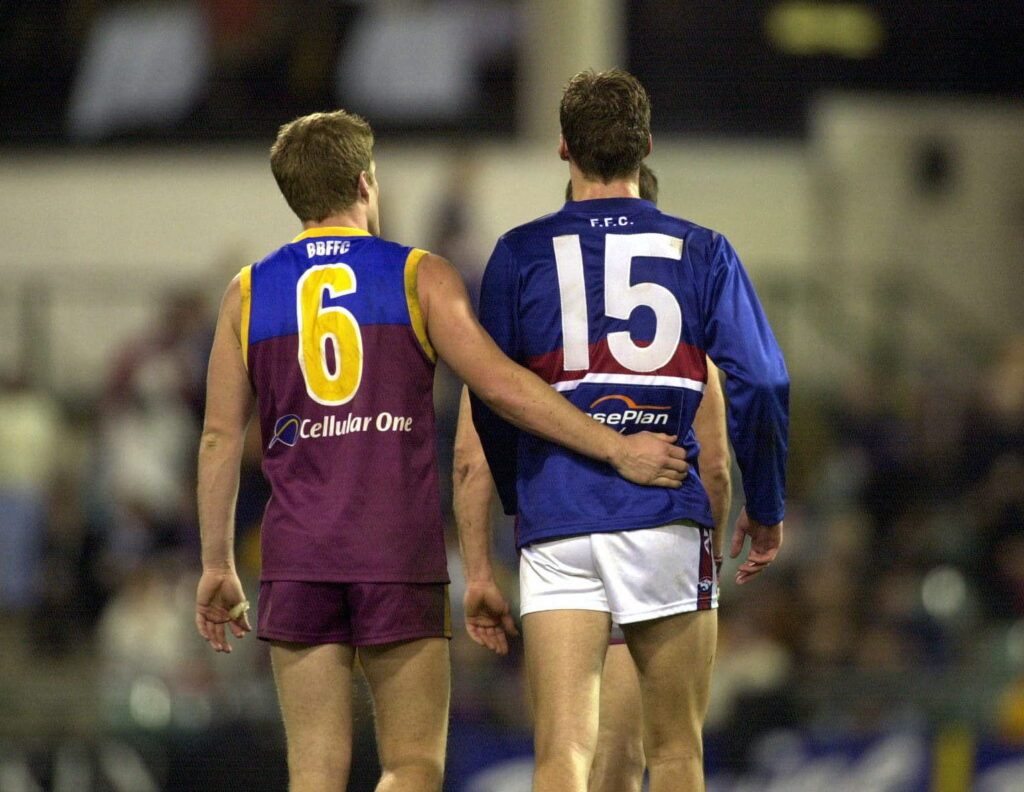
Luke Power
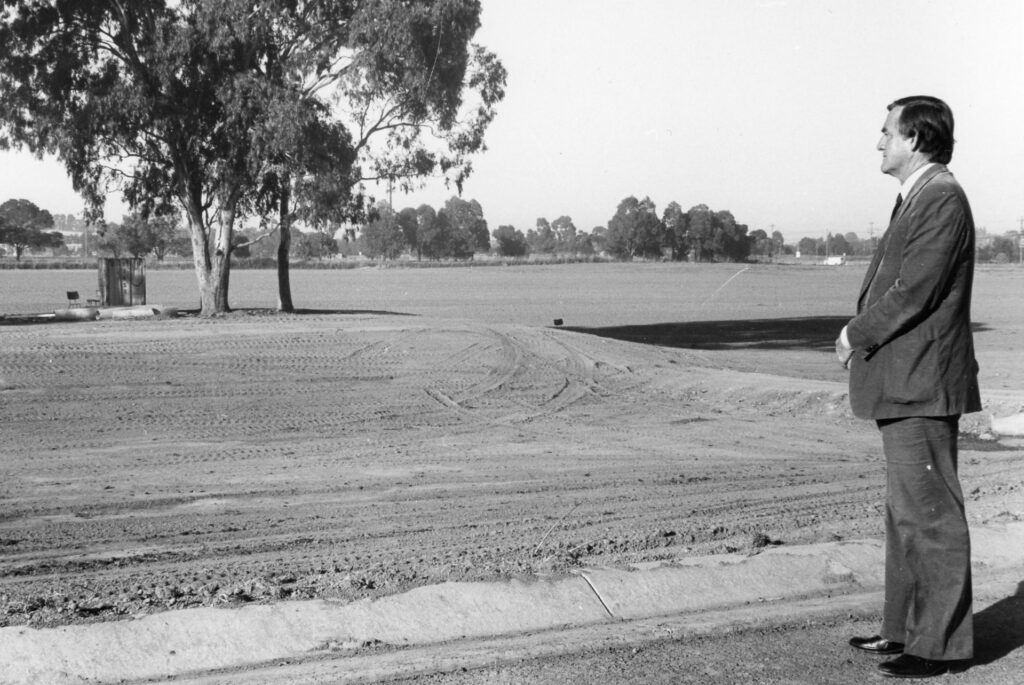
Being near a floodplain, in the early days, the fields at Bulleen often got flooded. Do you remember that?
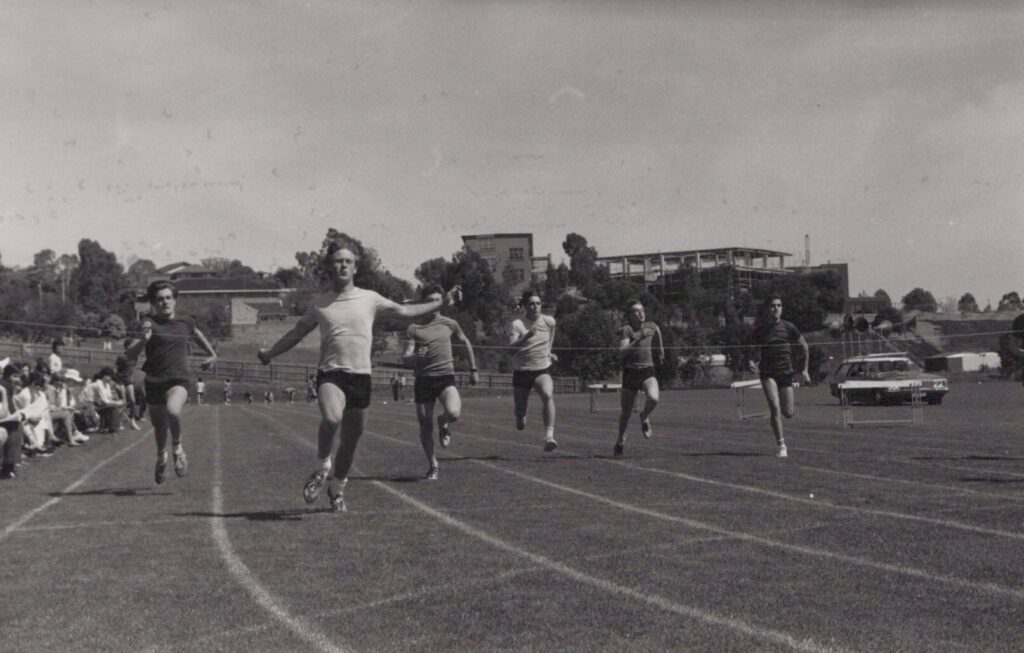
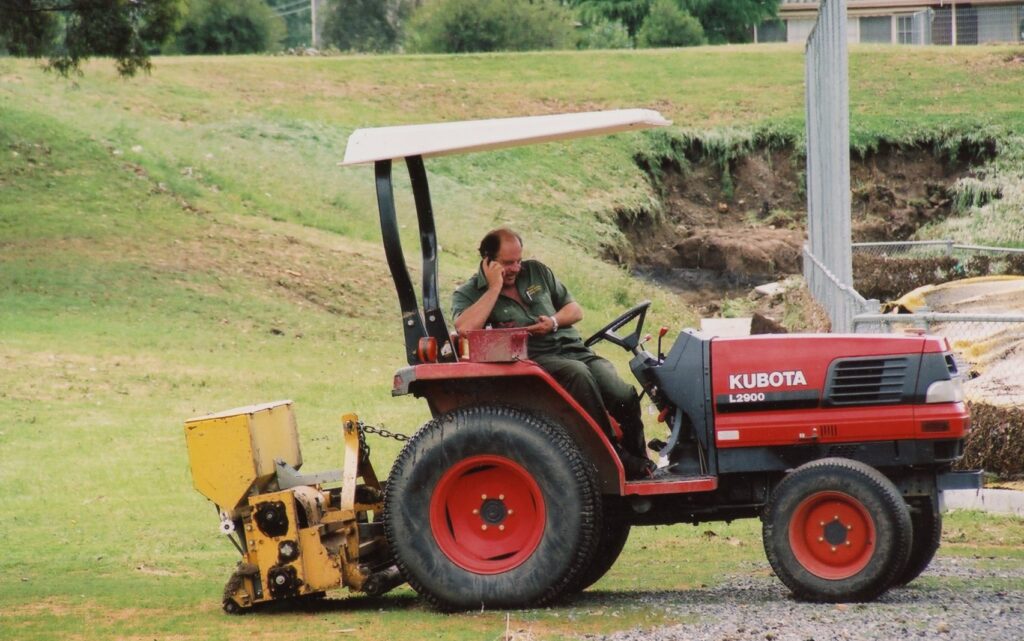
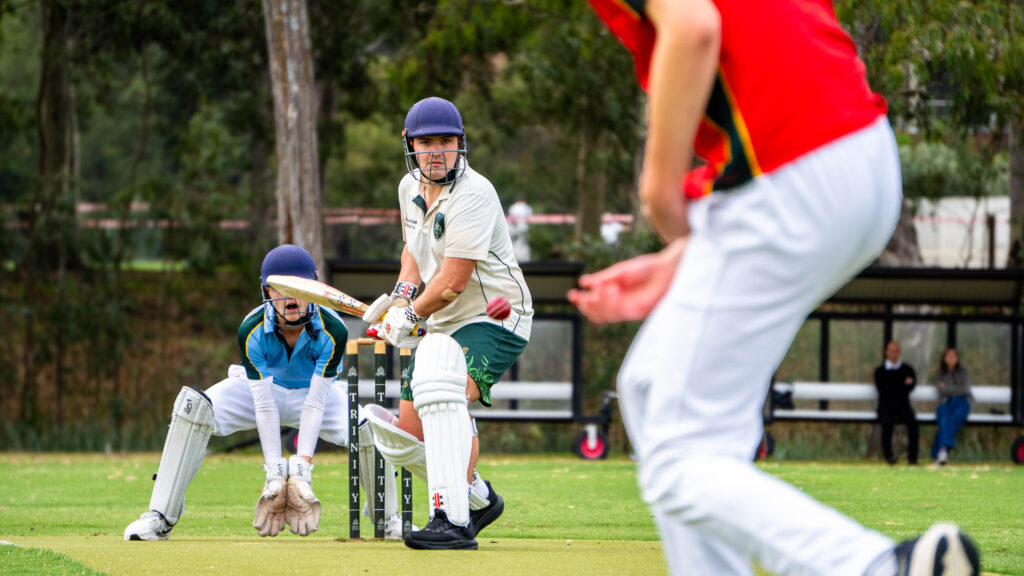
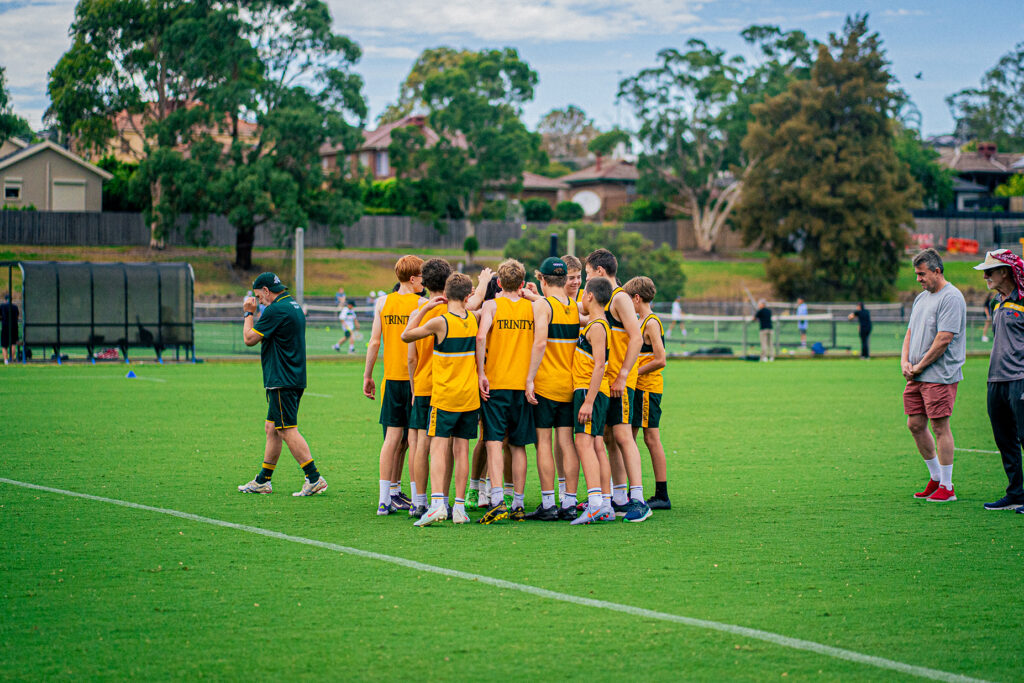
In those days the grounds got flooded at times and as a result the boys would cut the surface up, and we’d have a ball running around in the knee-deep mud. Peeling the mud off afterwards was part of the experience.
Once the drainage system was introduced, the grounds became the envy of other schools and Dave Sanguinetti and his team of groundsmen did a fantastic job in preparing quality fields and wickets for the boys to enjoy.
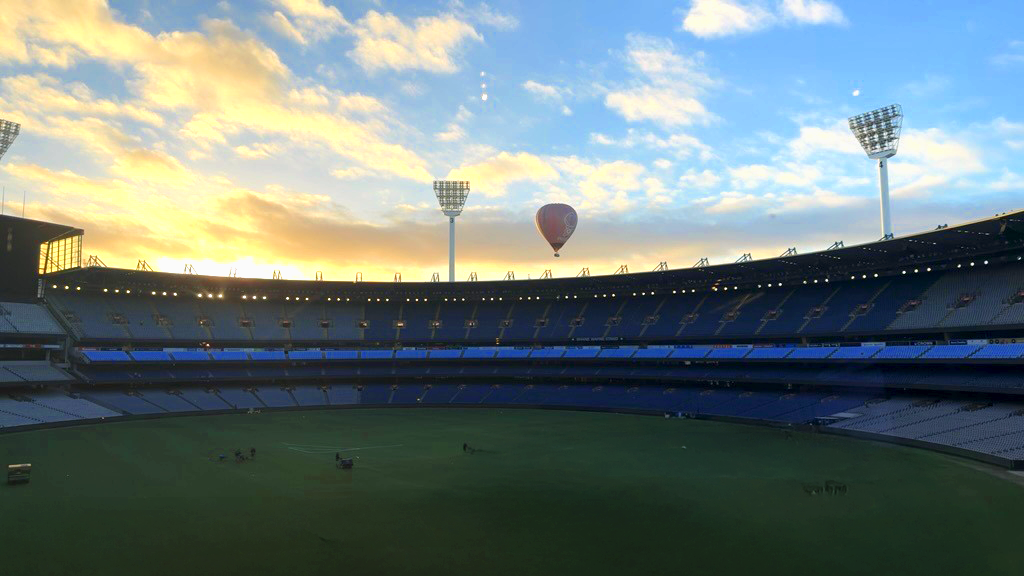
In my early days at the school we were assigned to the bottom ovals, which in retrospect were terrific surfaces and gave as a great grounding, but we all harboured the ambition to eventually graduate to the Hudson Oval and then Daley Oval which we were always told was the same size as the MCG. We thought that was pretty special!
When you look back at your years at Trinity, what stands out most about your time at school?
The thing that stood out the most about my time at Trinity was the sense of belonging that I felt to the school. This was driven by a lot of good people, teachers and students, who helped to create a safe environment where we felt valued and cared for. Ultimately, this type of environment is one that enables students to thrive and get the best out of themselves. I was just one of many examples of this.
You have very kindly been back on numerous occasions to talk to current Trinity students, how have you found that?
Our family had a wonderful experience at Trinity, and we are always happy to return to support the school when invited. It is always nice to share my journey with current Trinity students, and I hope they can relate to our stories in some way. The most important part for me to get across to them is what a Trinity person looks like, and while we strive to be the best we can be in everything we pursue, it is more important to be a good person and give back to others. For me, this is what a Trinity person looks like.
Tell us a little bit about your current role as the Head of Development for the AFL program at Western Bulldogs. What do you enjoy most about the role?
My current role as Head of Development at the Western Bulldogs involves ensuring we have systems in place to support our AFL‑listed players to maximise their potential as footballers. Obviously, this will look different for individual players, as they are all at different stages of their football journey.
For our young players, it is about the development of habits that will carry them through their careers, and for our more senior players, it is about supporting them to consistently execute.
Setting their week with good habits enables players to go out on weekends and play instinctively and with freedom. The most enjoyable part of the role is seeing players realise their dreams. At Trinity and throughout my AFL career, I was fortunate to have many good people supporting me in accomplishing my dreams and I now feel like I am paying this back to the next generation.
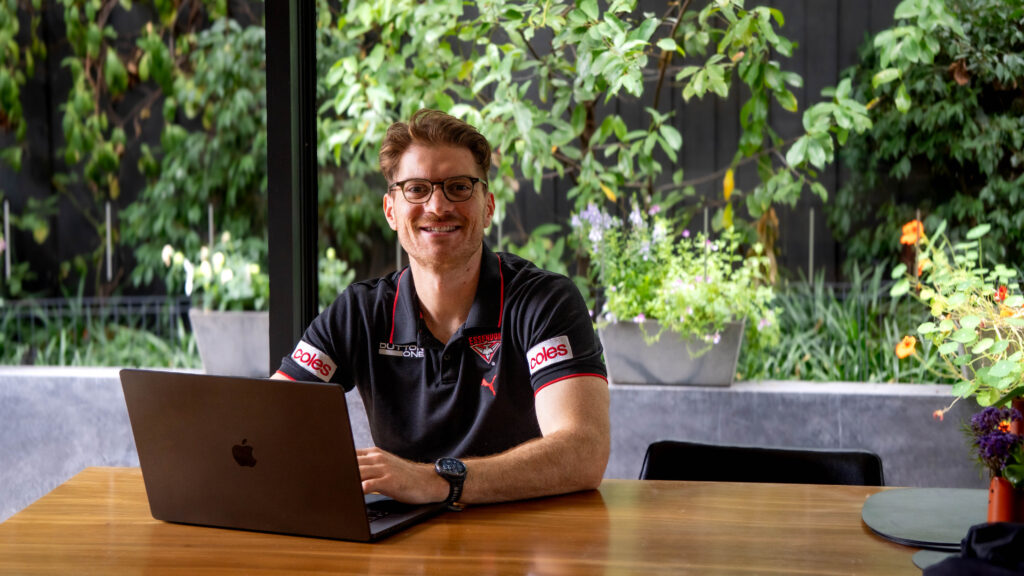
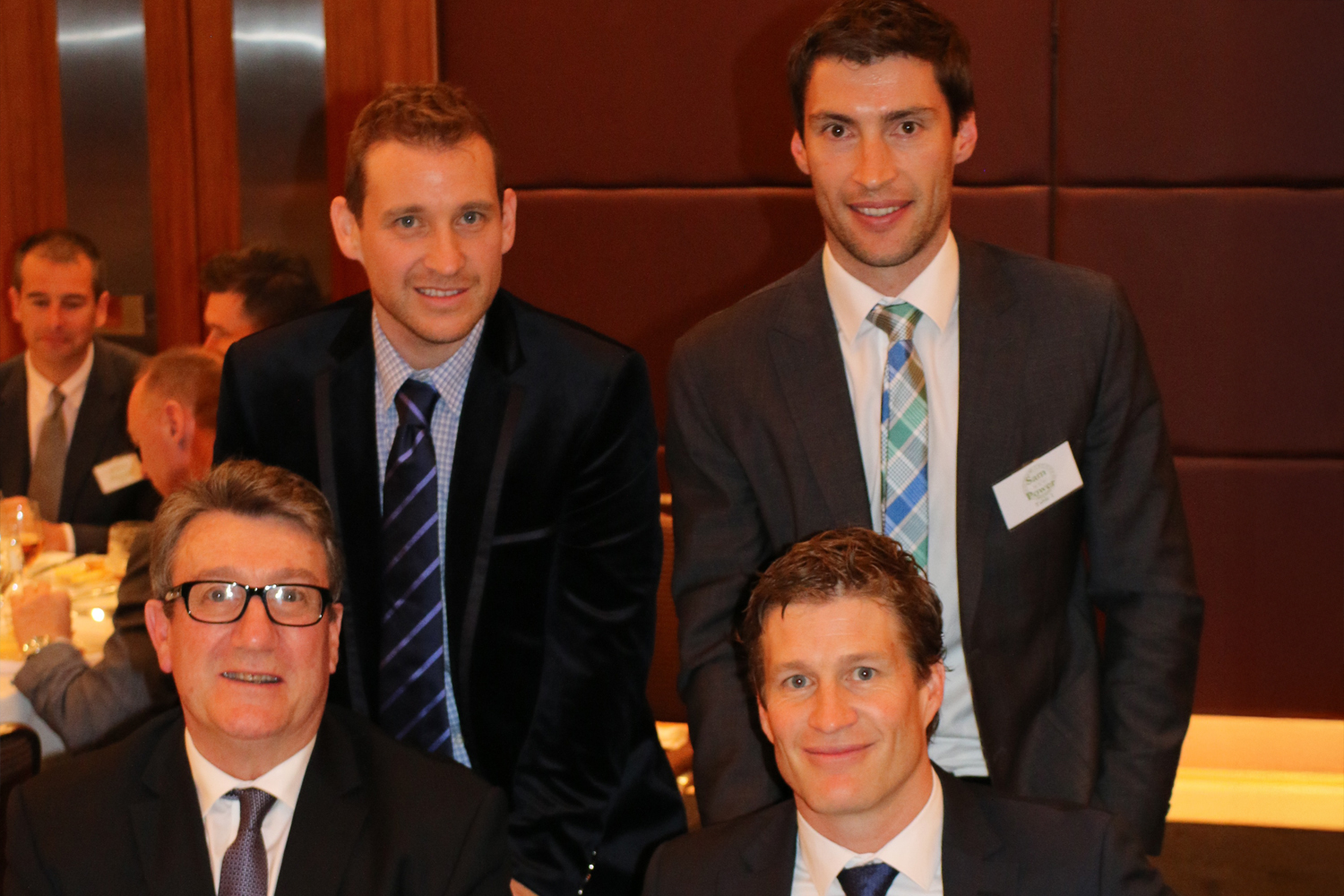
Sam Power
What attracted you to pursue studies in Law while you were still playing AFL?
Growing up, mum and dad always placed a strong emphasis on education and the importance of having interests outside football, knowing how short a playing career can be.
While football understandably took priority once I was drafted, pursuing my studies alongside it gave me balance and made the eventual transition out of the game much smoother. When I began the degree, I didn’t have a firm idea of what I wanted to pursue after football, but I knew it would open up opportunities beyond playing. I was also keen to experience a different industry and gain perspective beyond the football environment.
You went on to work in a legal firm, Clayton Utz after your time at North Melbourne. How different was it from the footy world, or were there any parallels?
I had one-and-a-half years remaining in my Law/Commerce degree when my football career ended, having completed three and a half years of study across my eight years at the Bulldogs and North Melbourne.
I was able to focus on my studies over that final period. The couple of years I spent working at Clayton Utz as a lawyer were extremely eye-opening. There were clear similarities in expectations and work ethic, and although I entered as a 28-year-old graduate, the experience wasn’t too dissimilar to being drafted. It was a steep learning curve early, but one I really valued.
After Clayton Utz, you went to Carlton Football Club in club operations. What was the transition into football operations like?
The opportunity to return to football came completely out of the blue and wasn’t something I was actively seeking at the time. I received a call from Andrew McKay, who was the Head of Football at Carlton, as they were looking to introduce a new role that combined football operations, player contract compliance, salary‑cap compliance, integrity, and legal responsibilities. I had always thought I might return to football at some stage, but perhaps a few years later.
Looking back, I saw it as an opportunity to get my foot back in the door rather than being drawn to the specifics of the role itself. I was living in Carlton at the time, and everything seemed to align. It was a broad role that also included serving as Company Secretary in my last two years there. The position gave me a much deeper understanding of the broader considerations involved in running a football club.
What is it like working with your brother Luke?
I can remember playing one game with Luke when he was under 10 (I would have been six and basically making up the numbers because they were short!), but otherwise we never had the chance to play together. We did play against each other a few times, which to be honest was probably tougher for Luke given he was an established, high-level player and I was always on the fringe of the team. It’s been great working together over the past couple of months, and there would be nothing better than achieving success together at the Bulldogs.