
- Autumn 2026



15
The Power of Belonging with the Power Brothers… read more!

Ben Power
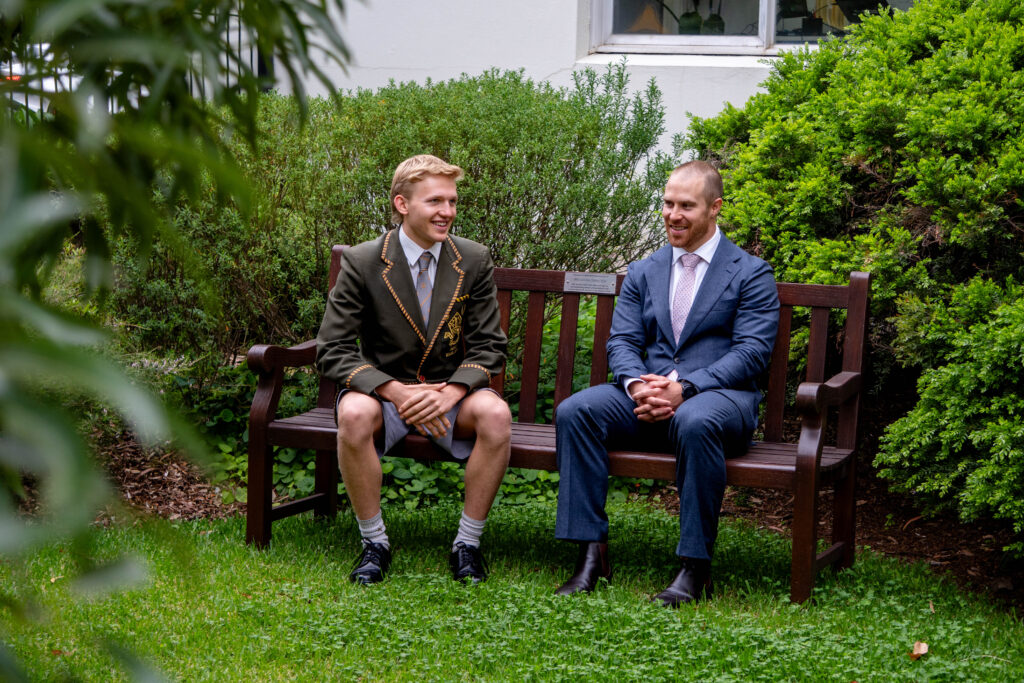
What was it like Playing First XVII Football with your brother Luke at school?
Having the opportunity to play a season in the First XVIII with my brother Luke meant a lot to me. It probably meant more to me than it did to him (laughing). I enjoyed watching him dominate, even as a skinny little Year 10 boy! I enjoyed protecting him, and I enjoyed that he looked to give me the ball whenever he could.
I’ve never seen anyone more competitive than he is. The winning mentality was just in him. I couldn’t be prouder of him. He’s become one of the AFL greats, but more important than that, he’s grown up to be one of the best people in the world.
I can’t talk about Luke without talking about Sam. Although our six‑year age gap meant that we didn’t play together at school, I’ve never missed any of his games. He was brilliantly successful in his own right as a player. I admire his toughness and resilience so much. To have had the career he’s had, then to push on and achieve the heights he has off the field running the football program at the Western Bulldogs, makes me smile. What a person he is, too. I love him so much.
When you look back at your school years, what stands out most about your time at Trinity?
When I reflect on my time at Trinity, the things that stand out and what I treasure most are the friendships and the people I met along the way.
There are so many people who were important in my life at Trinity, but none more so than Rohan Brown. Rohan has been a friend to my family, a teacher, a football coach, and a supporter. He coached me in Maths in Years 9, 10 and 11 for nothing but a slice of my mum’s chocolate cake. Now, 30 years later, he tutors my daughter every week in Maths. His level of care and loyalty is out of this world. I’ve learned so much from him.
Noel Boys is someone very dear to me; we’ve done so much together. We toured England, won premierships, and he taught me a bit of accounting along the way. He’s a man who always believed in me and backed me when perhaps others didn’t. From that, along with the success we had, a very strong bond was built that still exists after all these years.
Noel Stevens, Justin Robinson, Bob Hillman, David Mansour and Kate Hall are all wonderful Trinity people and important to me.
You’ve had a long and strong career at Wellcom Worldwide, tell us a little bit about that and your current role as Manager of People and Culture?
I’ve been lucky enough to have 17 wonderful years at Wellcom. Achieving something great in a business sense, arm in arm with my brother-in-law, Andrew Sidwell, who also attended Trinity, is something I’ll always cherish.
Luke Power
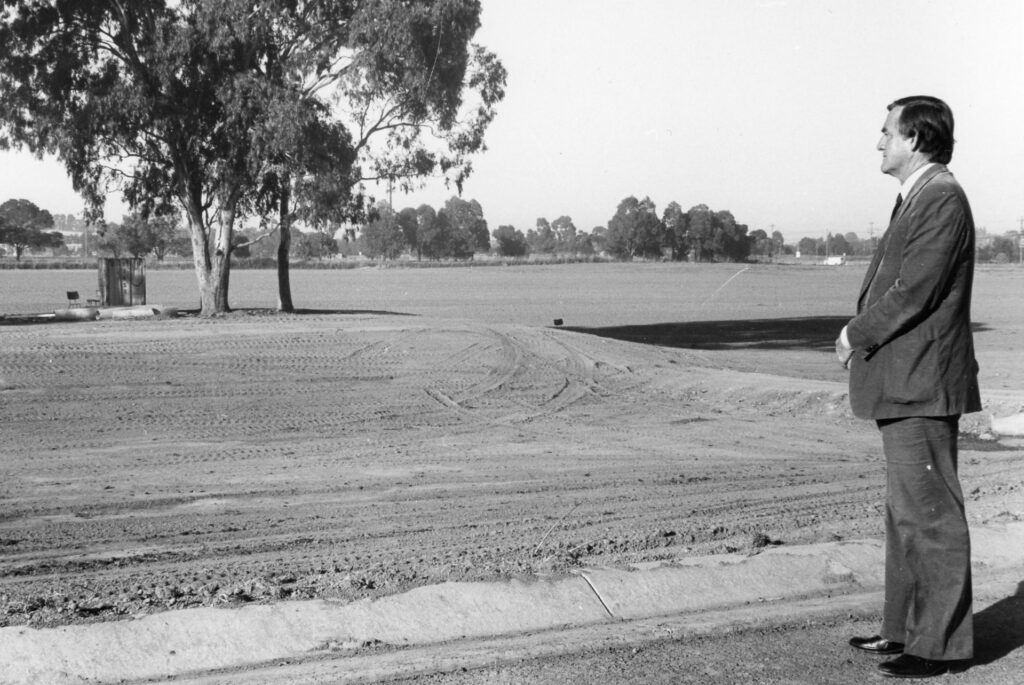
Being near a floodplain, in the early days, the fields at Bulleen often got flooded. Do you remember that?
In those days the grounds got flooded at times and as a result the boys would cut the surface up, and we’d have a ball running around in the knee-deep mud. Peeling the mud off afterwards was part of the experience.
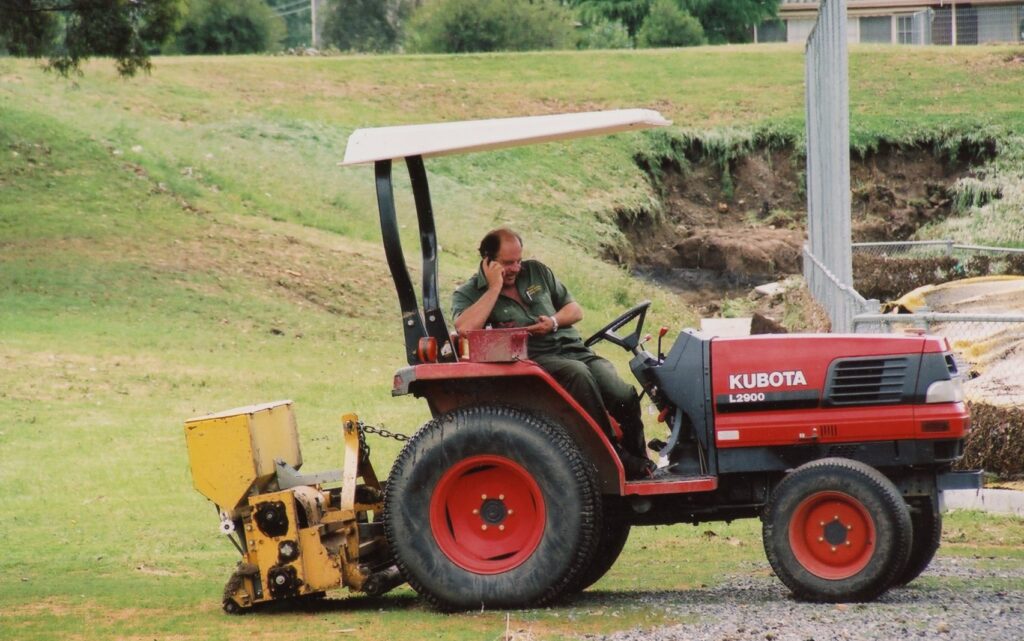
Once the drainage system was introduced, the grounds became the envy of other schools and Dave Sanguinetti and his team of groundsmen did a fantastic job in preparing quality fields and wickets for the boys to enjoy.
In my early days at the school we were assigned to the bottom ovals, which in retrospect were terrific surfaces and gave as a great grounding, but we all harboured the ambition to eventually graduate to the Hudson Oval and then Daley Oval which we were always told was the same size as the MCG. We thought that was pretty special!
When you look back at your years at Trinity, what stands out most about your time at school?
The thing that stood out the most about my time at Trinity was the sense of belonging that I felt to the school. This was driven by a lot of good people, teachers and students, who helped to create a safe environment where we felt valued and cared for. Ultimately, this type of environment is one that enables students to thrive and get the best out of themselves. I was just one of many examples of this.
You have very kindly been back on numerous occasions to talk to current Trinity students, how have you found that?
Our family had a wonderful experience at Trinity, and we are always happy to return to support the school when invited. It is always nice to share my journey with current Trinity students, and I hope they can relate to our stories in some way. The most important part for me to get across to them is what a Trinity person looks like, and while we strive to be the best we can be in everything we pursue, it is more important to be a good person and give back to others. For me, this is what a Trinity person looks like.
Tell us a little bit about your current role as the Head of Development for the AFL program at Western Bulldogs. What do you enjoy most about the role?
My current role as Head of Development at the Western Bulldogs involves ensuring we have systems in place to support our AFL‑listed players to maximise their potential as footballers. Obviously, this will look different for individual players, as they are all at different stages of their football journey.
For our young players, it is about the development of habits that will carry them through their careers, and for our more senior players, it is about supporting them to consistently execute.
Setting their week with good habits enables players to go out on weekends and play instinctively and with freedom. The most enjoyable part of the role is seeing players realise their dreams. At Trinity and throughout my AFL career, I was fortunate to have many good people supporting me in accomplishing my dreams and I now feel like I am paying this back to the next generation.
Sam Power
What attracted you to pursue studies in Law while you were still playing AFL?
Growing up, mum and dad always placed a strong emphasis on education and the importance of having interests outside football, knowing how short a playing career can be.
While football understandably took priority once I was drafted, pursuing my studies alongside it gave me balance and made the eventual transition out of the game much smoother. When I began the degree, I didn’t have a firm idea of what I wanted to pursue after football, but I knew it would open up opportunities beyond playing. I was also keen to experience a different industry and gain perspective beyond the football environment.
You went on to work in a legal firm, Clayton Utz after your time at North Melbourne. How different was it from the footy world, or were there any parallels?
I had one-and-a-half years remaining in my Law/Commerce degree when my football career ended, having completed three and a half years of study across my eight years at the Bulldogs and North Melbourne.
I was able to focus on my studies over that final period. The couple of years I spent working at Clayton Utz as a lawyer were extremely eye-opening. There were clear similarities in expectations and work ethic, and although I entered as a 28-year-old graduate, the experience wasn’t too dissimilar to being drafted. It was a steep learning curve early, but one I really valued.
After Clayton Utz, you went to Carlton Football Club in club operations. What was the transition into football operations like?
The opportunity to return to football came completely out of the blue and wasn’t something I was actively seeking at the time. I received a call from Andrew McKay, who was the Head of Football at Carlton, as they were looking to introduce a new role that combined football operations, player contract compliance, salary‑cap compliance, integrity, and legal responsibilities. I had always thought I might return to football at some stage, but perhaps a few years later.
Looking back, I saw it as an opportunity to get my foot back in the door rather than being drawn to the specifics of the role itself. I was living in Carlton at the time, and everything seemed to align. It was a broad role that also included serving as Company Secretary in my last two years there. The position gave me a much deeper understanding of the broader considerations involved in running a football club.
What is it like working with your brother Luke?
I can remember playing one game with Luke when he was under 10 (I would have been six and basically making up the numbers because they were short!), but otherwise we never had the chance to play together. We did play against each other a few times, which to be honest was probably tougher for Luke given he was an established, high-level player and I was always on the fringe of the team. It’s been great working together over the past couple of months, and there would be nothing better than achieving success together at the Bulldogs.
14
The Power of Belonging with the Power Brothers
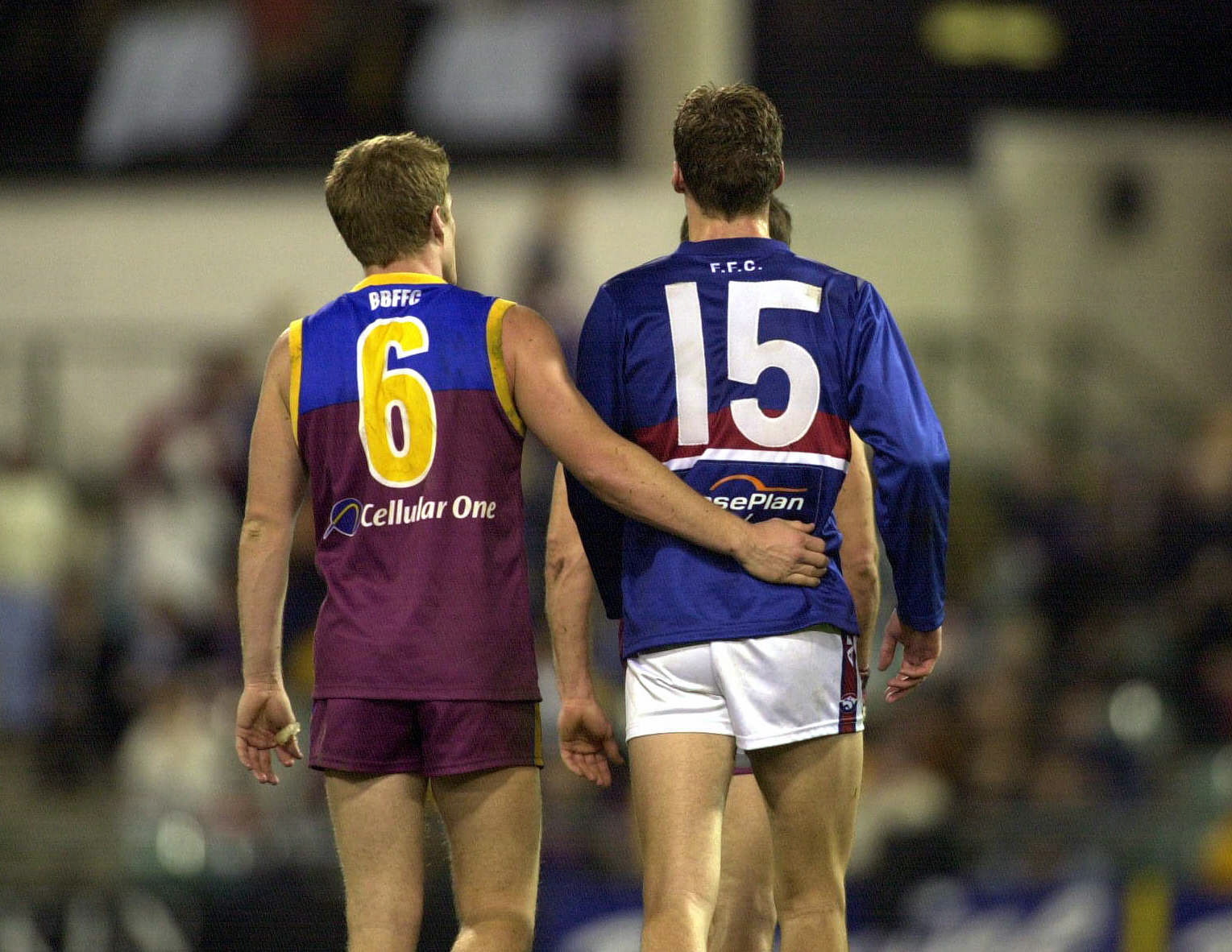
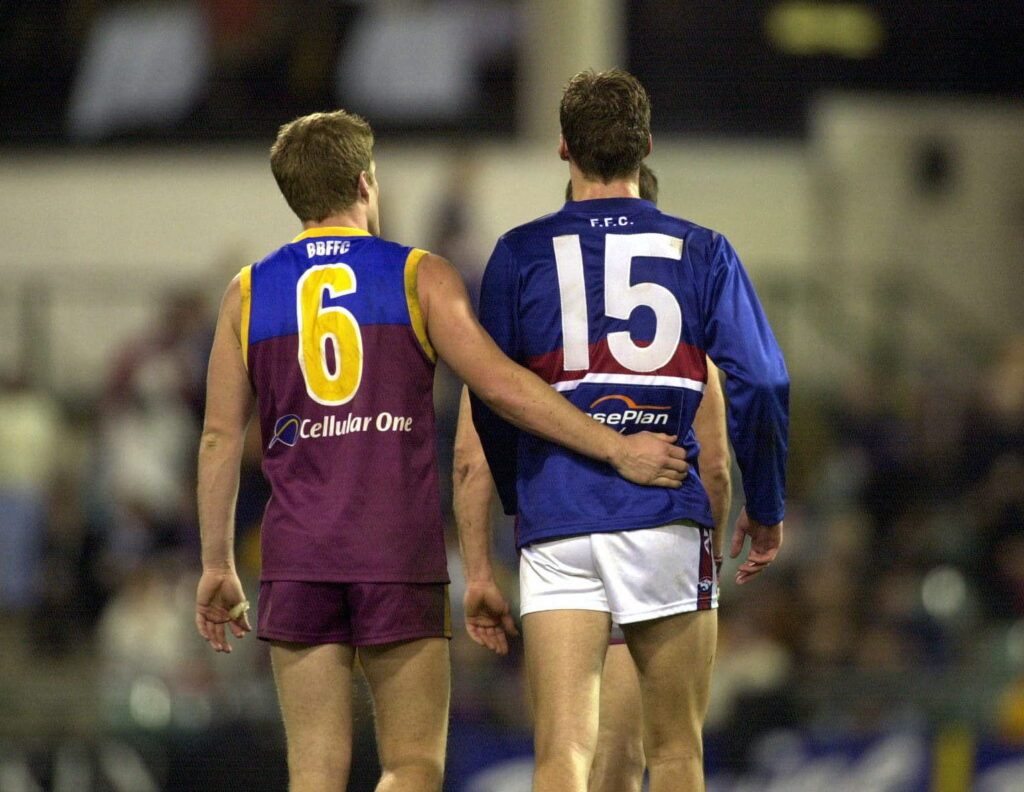
“My fondest memories of Bulleen were watching my brother, Ben, play in the First XI Cricket team, and a photo that hung in the Cohen room of my brother Sam (Western Bulldogs) and me (Brisbane Lions) walking off the field arm in arm after we played for the first time against each other in the AFL in 2002. For me, those moments were not just about achievements, but about family, connection and the importance of carrying yourself with humility, regardless of the result.” – Luke Power.
For the Power brothers, Ben (OTG 1995), Luke (OTG 1997 and member of the Gallery of Achievement) and Sam (OTG 2001), the Marles Playing Fields at Bulleen are far more than a collection of ovals. It was the heart of their Trinity experience, a place where character took shape and where belonging, resilience and lifelong bonds were forged in Green and Gold.
Long before his 15-year AFL career and three premierships with the Brisbane Lions, Bulleen set the stage for Luke’s journey. There he soaked it all up – the bus-stop banter, the wins and the losses and, of course, the sneaky trips to the canteen for a slice of cake!
Yet, Luke says his greatest lessons at Bulleen weren’t about victory. “The football teams I played in weren’t overly successful, but they taught me to keep turning up and competing. I also learnt the importance of being part of something bigger than myself. At Trinity, your role in a team mattered more than individual success.”

“Pulling on the Green and Gold gave me a great sense of pride and connection to the school, something I still hold dear today. Bulleen was a beacon of light; it was always a pleasure to play there.”

Today, as Head of Development for the AFL program at the Western Bulldogs, Luke still draws on these values.
Younger brother, Sam, who enjoyed an eight-year AFL career with the Western Bulldogs and North Melbourne, first experienced Bulleen as a spectator before he started at Trinity. Along with his parents, he’d spend entire days watching his brothers play cricket and football at Bulleen.
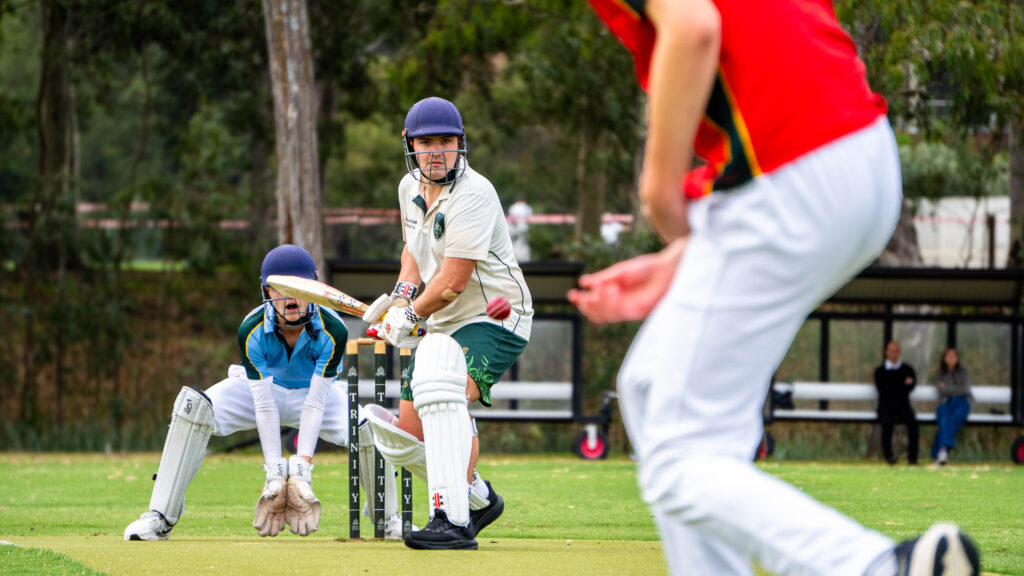
“Seeing my brothers win the 1995 and 1996 First XI AGSV Cricket Premierships were some of my most treasured Bulleen memories. It brought the school community together in a special way.”
Sam, now the Executive Manager for Men’s Football at the Western Bulldogs, credits time at Bulleen for shaping his understanding of teamwork, responsibility and leadership.
“In the elite sporting environment, strong relationships and genuine care for each other are critical. This sense of connection came naturally at Trinity. There was a real honour in representing the school and supporting your mates.”
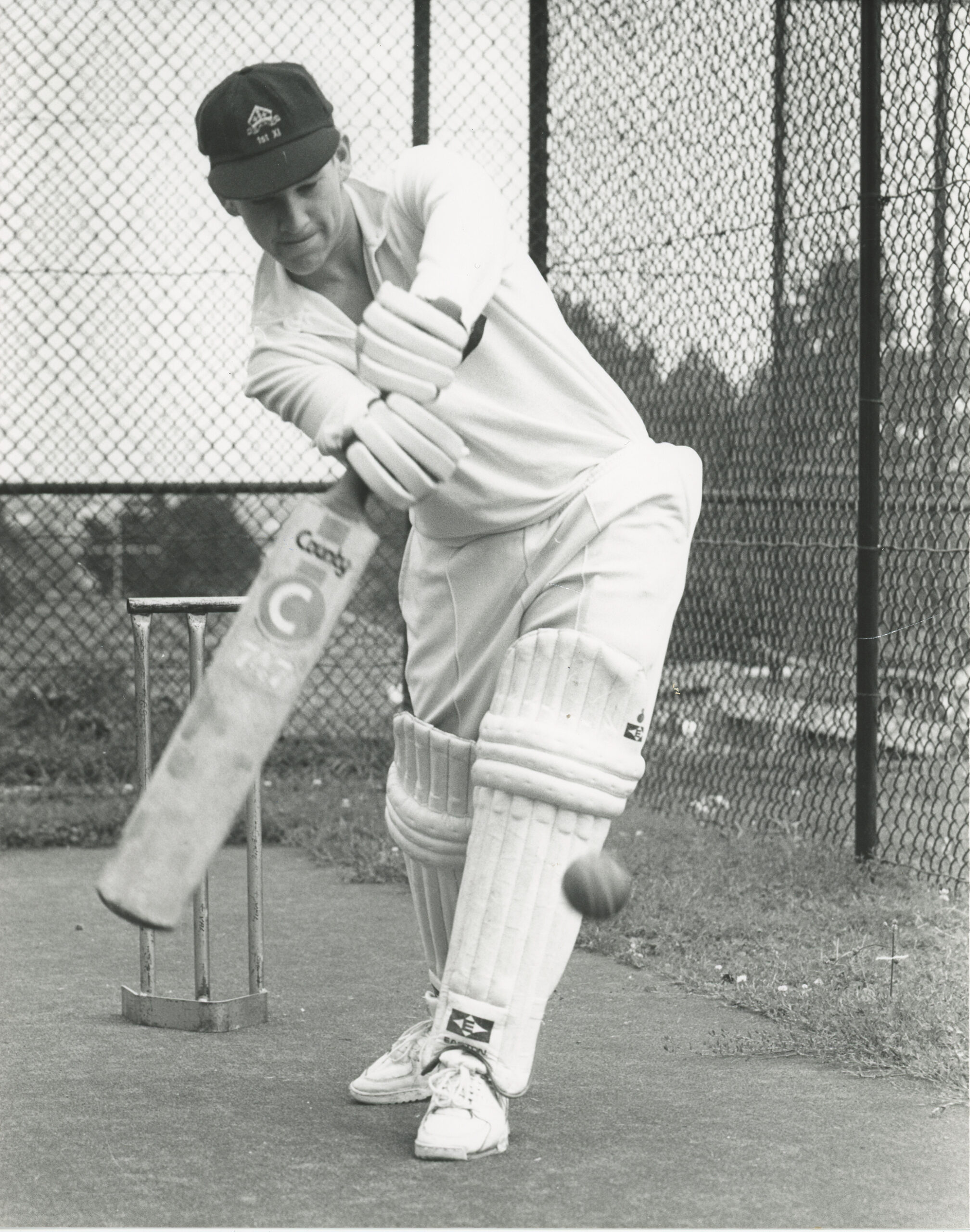
For eldest brother Ben, who played in the First XVIII Football and First XI Cricket teams – including the great privilege of captaining the First XI to its first premiership since 1967 – no memory surpasses Saturday morning AGSV sport, knee-deep in mud.
“Pulling on the Green and Gold gave me a great sense of pride and connection to the school, something I still hold dear today. Bulleen was a beacon of light; it was always a pleasure to play there.”
This connection continued beyond school when Ben joined the OTGAFC alongside many of his friends, continuing the tradition of playing at Bulleen.
After recently concluding his time leading global creative and production agency Wellcom alongside his brother-in-law Andrew Sidwell (OTG 1998), Ben reflects that it is the friendships and people he met at Trinity that stand out most.
Three brothers. Three eras. Three careers. Yet ,a common thread remains. Bulleen is not just where sport is played; it is where character is built.
Perhaps that is the enduring legacy of Trinity’s jewel in the crown.
10
Stories from Bulleen… read more!
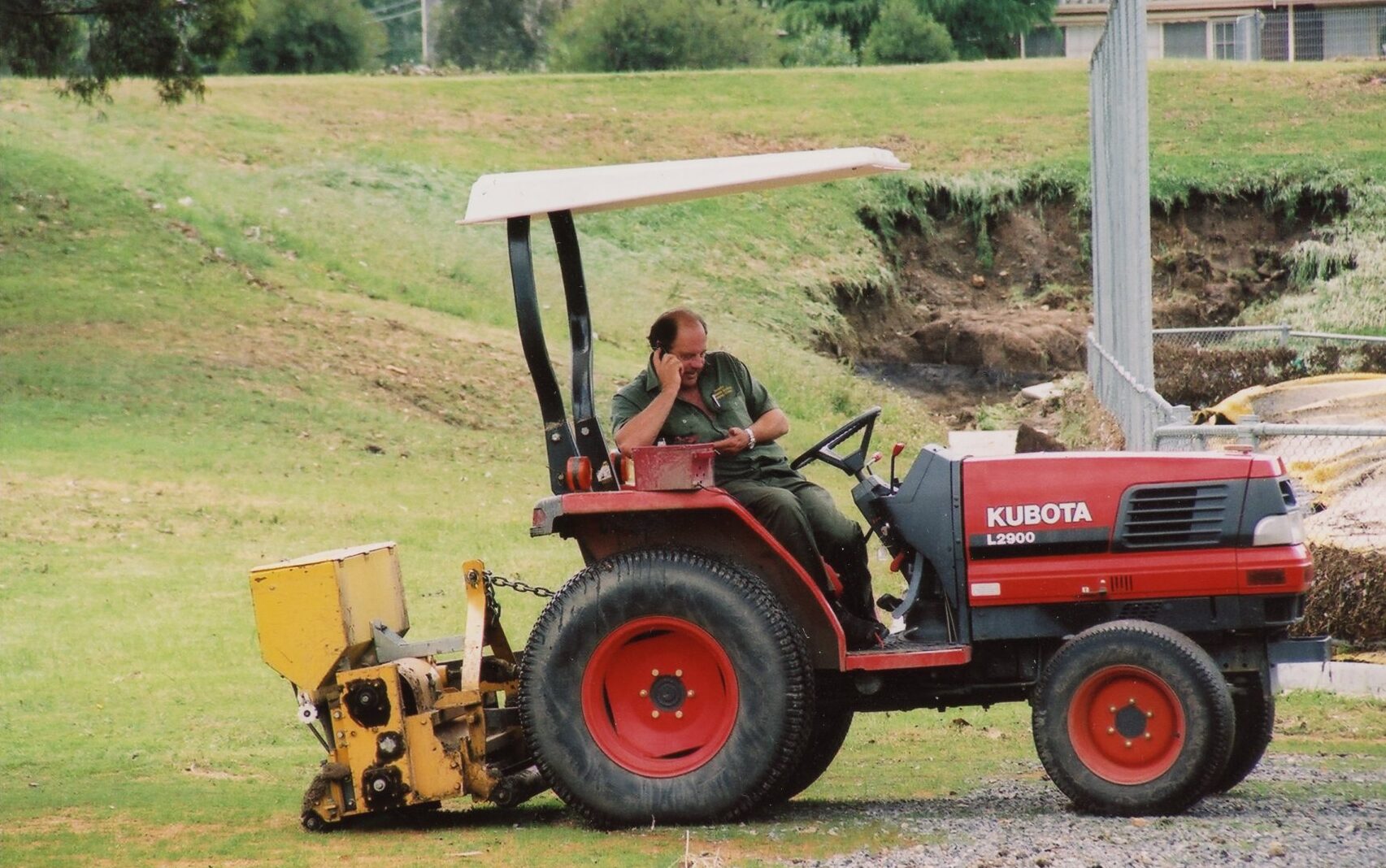
More reflections and stories about Bulleen from Brendan Mahony, David Sanguinetti and Tristan Davidson
What is the first word that comes to mind when you think about Bulleen?
David: Pride. When you spend years working on the grounds, you want them at their best every Saturday. Seeing the boys run out onto the ovals and knowing the work that’s gone into them during the week, that’s something that everyone who works on the fields takes great pride in.
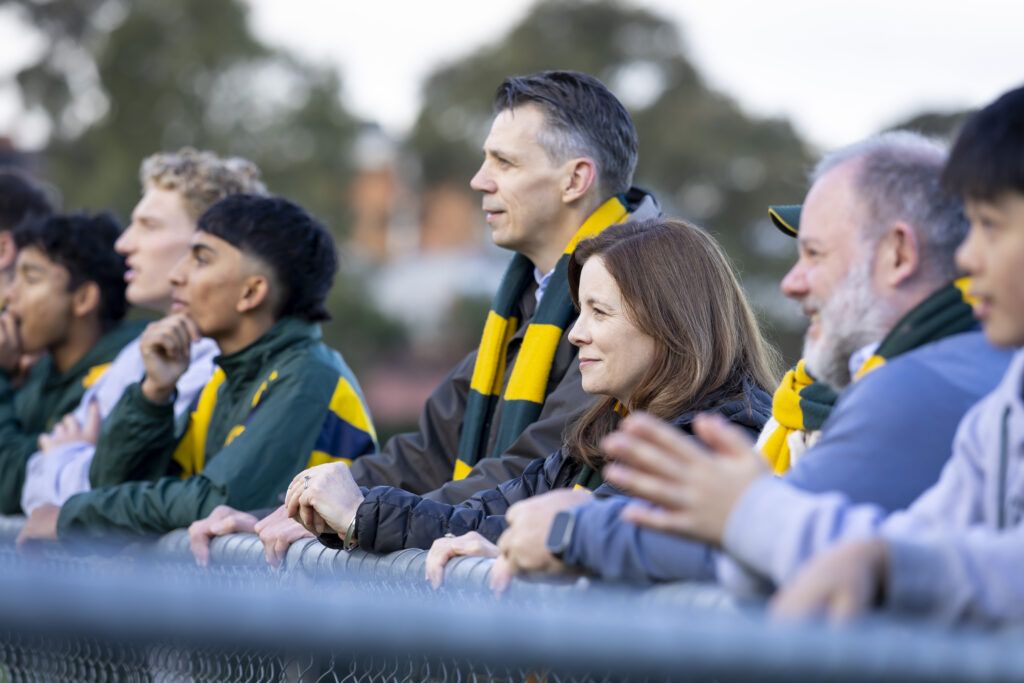
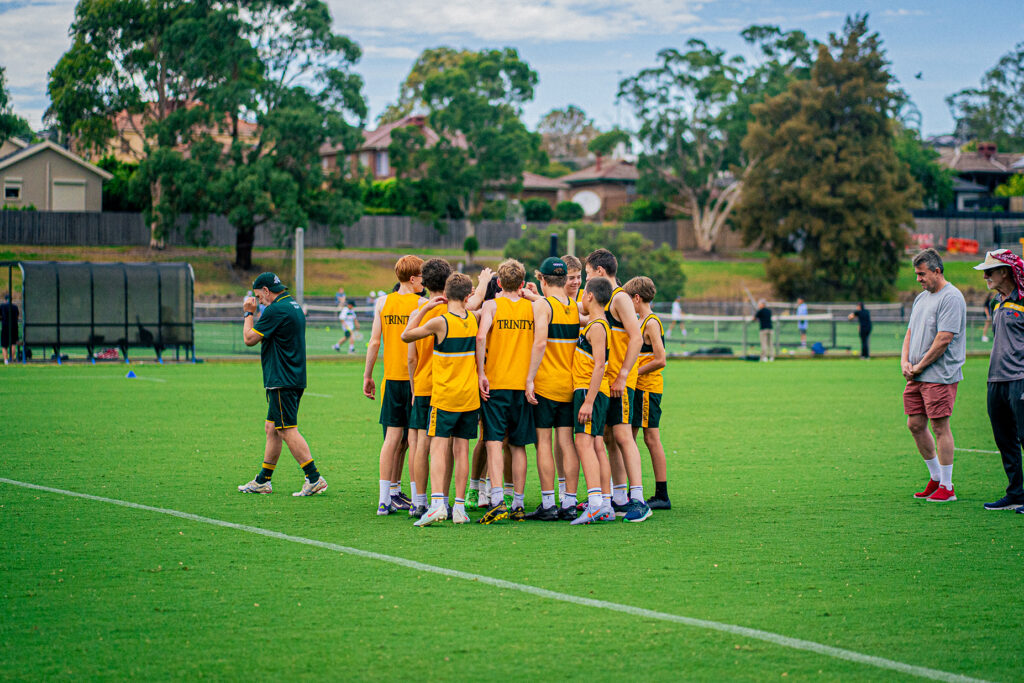
Tristan: Community. When you’re out there on a Saturday and there are parents on the sidelines, boys playing across different fields and old boys arriving later in the day, you really feel that sense of the Trinity community coming together.
And if I am allowed another word: scale. When you first stand out there and look across the fields, you realise just how big the place is and how much activity happens there across a single day.
Brendan: Two words: David Sanguinetti! In all seriousness I’d have to say – energy. A quiet Bulleen on a weekday is one thing, but on a Saturday morning the place just comes alive.
What is your favorite spot at Bulleen?
David: Daley Oval. When you’ve spent years preparing the turf and seeing it used week after week, you develop a real connection to it.
I’ve always also liked the view looking back across the grounds late in the afternoon when the last games are finishing. After a full day of sport there’s a moment where everything settles again and you can see the whole place.
Tristan: Probably standing up near the pavilion looking out across the grounds. You can see multiple games happening at once – football, cricket, tennis – and it really shows the scale of what happens at Bulleen.
Brendan: I like walking around between the fields on Saturday mornings. You’ll stop at one game, chat to a coach, then wander over to another field. It’s a great way to see the whole sports program in action.
Your best Bulleen day?
David: For me it’s just being there. I spent so many years working on the grounds and there was something special about seeing everything happening at once – the games being played, the boys enjoying the place and knowing all the work that went into getting the grounds ready.
Tristan: A big event day. Hosting a grand final or a big fixture like a night game or rugby finals when the whole place is full of people. When there are hundreds, sometimes thousands, of people around the grounds, you really see Bulleen at its best.
Brendan: One day that really stands out for me was the charity cricket match organised by Mark and Steve Waugh. It was about 25 degrees, sunshine, and suddenly you had all these Australian cricketers and celebrities playing on our fields. It was one of those days where you looked around Bulleen and thought this is pretty special.
Since this article was written, we have learnt of the recent passing of David Sanguinetti. As one of the school’s longest-serving staff members, he leaves a lasting legacy within our community. He will be remembered with deep appreciation. Our heartfelt condolences go to his family and loved ones.
Brendan Mahony, David Sanguinetti and Tristan Davidson share their stories from Bulleen
13
What does Bulleen mean to you?
We asked four members of the community to respond.



Will Johnson and Kye Davidson
2026 Trinity Sports Captains
Bulleen has been a big part of our school experience throughout both the Junior and Senior School. As Sports Co-Captains and students who have played there for years, it means much more than just a sports ground. It’s where teams come together, friendships are built and the school community gathers to support one another. Some of our best memories of school sport have happened at Bulleen, from training sessions to the big Friday night and Saturday matches.
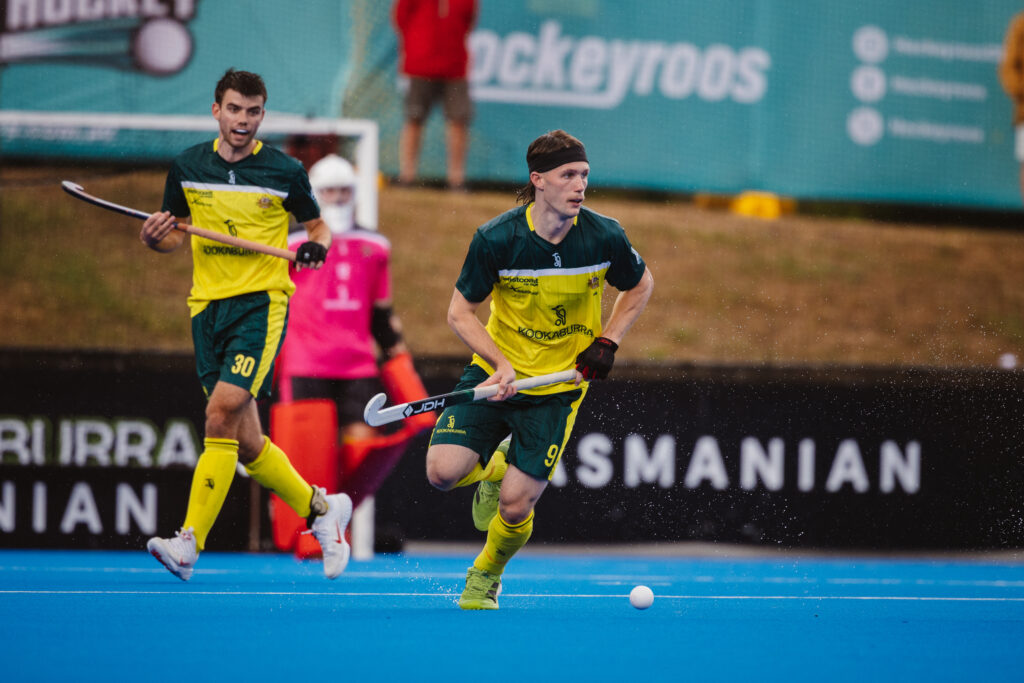
As passionate football, cricket and hockey players, between us we have played many games on the ovals and hockey pitch at Bulleen. Seeing the Mitre stencilled on the ground has always brought a strong sense of pride, a reminder to give your best and never give up.
The pavilion was also something special, and with it currently gone, it feels a bit like something is missing. Walking out of those change rooms filled you with courage, the passion and joy when the songs were sung was unexplainable, along with the support from those watching above gave you the belief that anything was possible.
The pavilion redevelopment will be an exciting step forward for our school sport program. The improved facilities will help continue to foster and strengthen Trinity’s culture and provide a great place to socialise with friends and family, ensuring Bulleen remains a place where sport, teamwork and school spirit continue to grow for future students.
Sharon Johns
Current Trinity parent, Darling Higgs Cricket Club Committee Member, Stakeholder Group
Strange as it may seem, the favourite part of my week is heading to Bulleen to watch our boys participate in sport. For our family, that is cricket, which means each alternate Saturday in Terms 4 and 1, my world is centred on the Daley Oval. Others may grimace at the prospect of watching 100 overs of cricket – but I love it!
But it’s not just the cricket. It’s the gorgeous couch of the ovals, better underfoot than any massage I’ve ever had. It’s the glorious shade of the towering gums and the scent of the eucalyptus that wafts across the grounds. And it’s the cacophony of sounds – kookaburras, magpies, rustling leaves and more recently the whirring of diggers and cranes!
Best of all, it’s the shouts of boys appealing for a wicket or cheering a great shot – the thwack of leather on willow… and the chatter of parents, family and teachers on the sidelines, sharing their weekly stories and riding the waves of excitement and anxiety as we watch on.
Whilst the Kew Campus is the centre of our boys’ academic endeavours, Bulleen is the heart of Trinity – it is the coalition of our community. It is where the boys strive to perfect their skills, learn to win with grace and respect, and manage the disappointment of loss with dignity.
The redevelopment of the pavillion will enhance these experiences and further embed the Trinity community at Bulleen. I am eagerly anticipating the opportunity of cheering the Green and Gold from the new pavillion, celebrating our teams and strengthening the friendships made at the playing fields.


Ben Elliott
Current staff, Firsts Tennis Manager
When I think of Bulleen and tennis, I think of 7.30am arrivals and the quiet rhythm of preparation. The leaf blower clearing the courts. Squad members arriving to warm up. The 8.30am line-up to welcome our visitors and a final team huddle before the first serve. And then the unmistakable hiss of a brand new can of tennis balls opening; the sound that signals we are underway.
But Bulleen is more than match day routine. It is the cheers from the sidelines, the calls of “What’s the score?” and “You’ve got this.” It is the fist bumps at the end of a match, regardless of the result. It is where the meaning of team is lived out through commitment, resilience and support.
The pavilion redevelopment marks an exciting new chapter, offering a welcoming space for our community to gather with a wonderful new balcony set-up that will allow spectators a brand new viewing experience. Importantly, our students will take great pride in facilities they can truly call their own. Dedicated change rooms for tennis of this proximity and quality are a rare offering, found in very few schools, if any.
Seb Nicolosi (OTG 2012)
Trinity alumnus, OTGCC President
The first time I drove down Bulleen Road after works had commenced on the North-East Link will long live in my memory. This was a journey I had made literally thousands of times, but suddenly the comforting familiarity of this pilgrimage had become foreign, cold and slightly unnerving.
It seems extreme, but I had a physical reaction as I took in the sprawling construction sites – it almost felt as though a piece of my youth had been dug up and destroyed. I may have even sent a lengthy voice note into the family WhatsApp group lamenting the change in scenery and ensuing congestion.
But as I meandered on through the Munro Gates and over the annoyingly aligned speedbumps of the Marles Playing Fields, all sense of unease washed away. The images of cranes and bulldozers were replaced by the smiling faces of teammates, the whir of the drilling drowned out by the laughter of old school friends that I had known for decades.
That moment reinforced to me just how special Bulleen is to the TGS community. Not because of the perfectly manicured outfield on the Hudson Oval, but for the countless memories it has enabled. Not for the lush expanses of the Daley Oval, but for the numerous (and life-long) friendships it has empowered.
I know the metaphor is almost too clichéd for a Grammarian write-up, but the soothing constant of Bulleen amidst the external chaos of life is something that I will never again take for granted.

Artwork by Year 12 student Zach Hoops, submitted for Art Creative Practice.
17
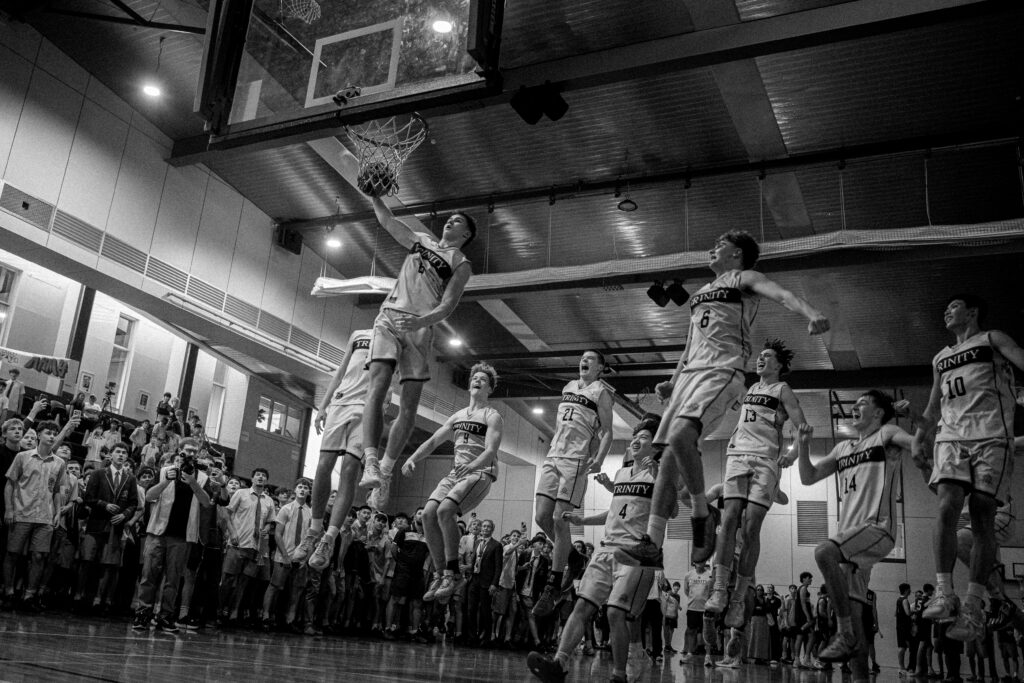
2026 AGSV Basketball Premiership
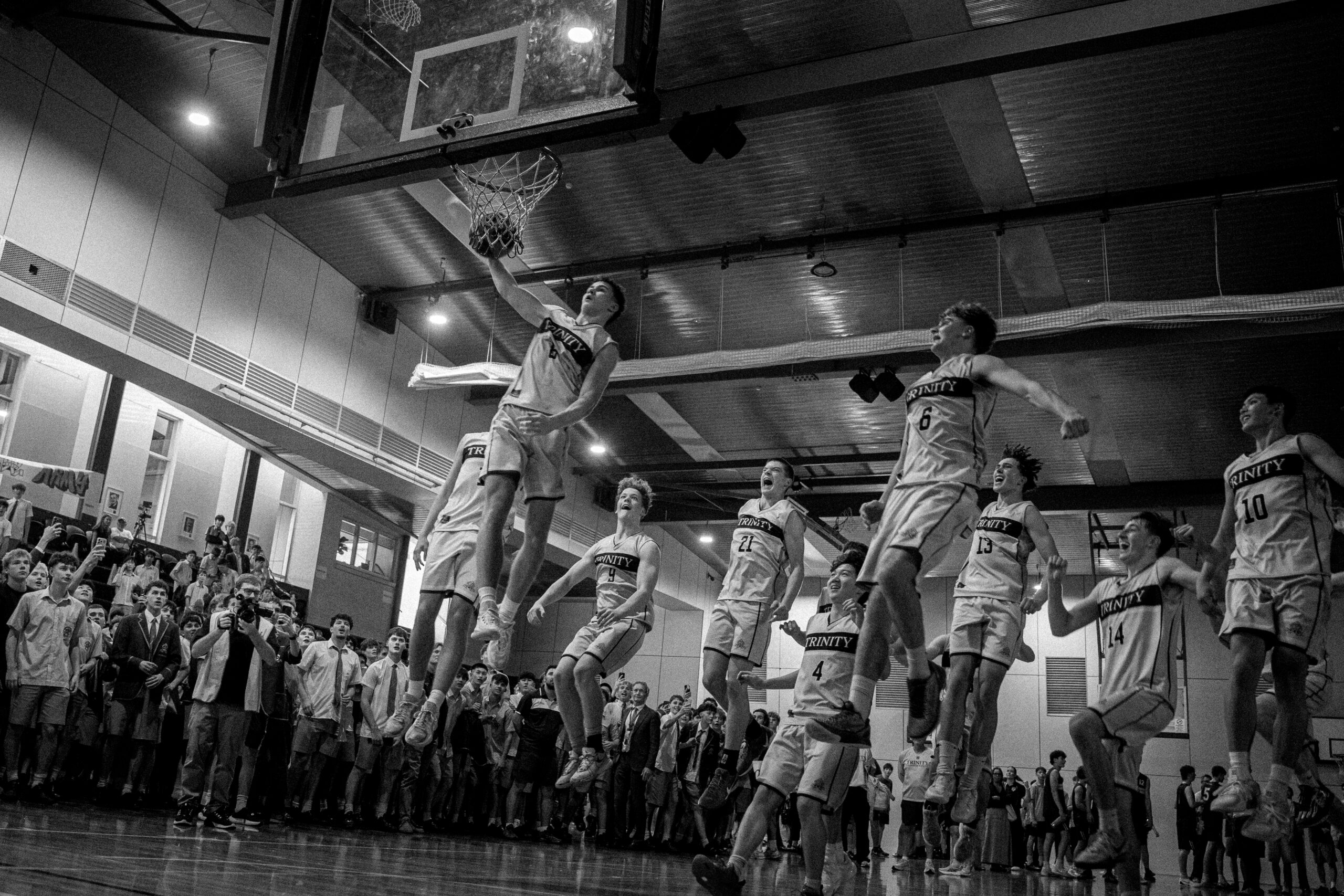
Our Firsts Basketball team claimed the 2026 AGSV Championship, defeating Marcellin College 73–64.
Capping off an undefeated season, Trinity delivered a composed and high-quality performance in front of an enthusiastic home crowd of more than 1000 students, families and supporters.
With strong contributions across all 12 players, it was a true team effort, rounding out a season to remember.
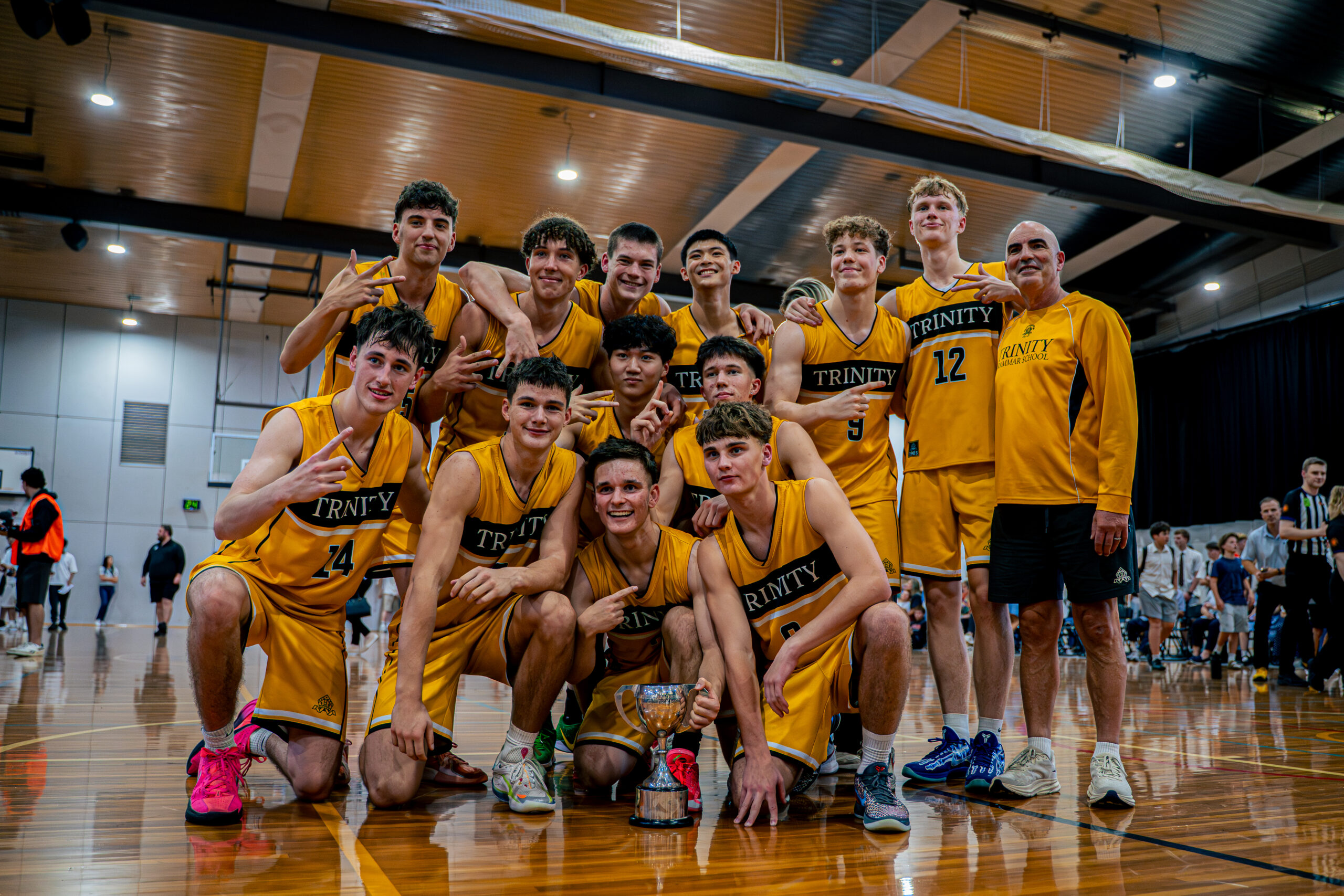
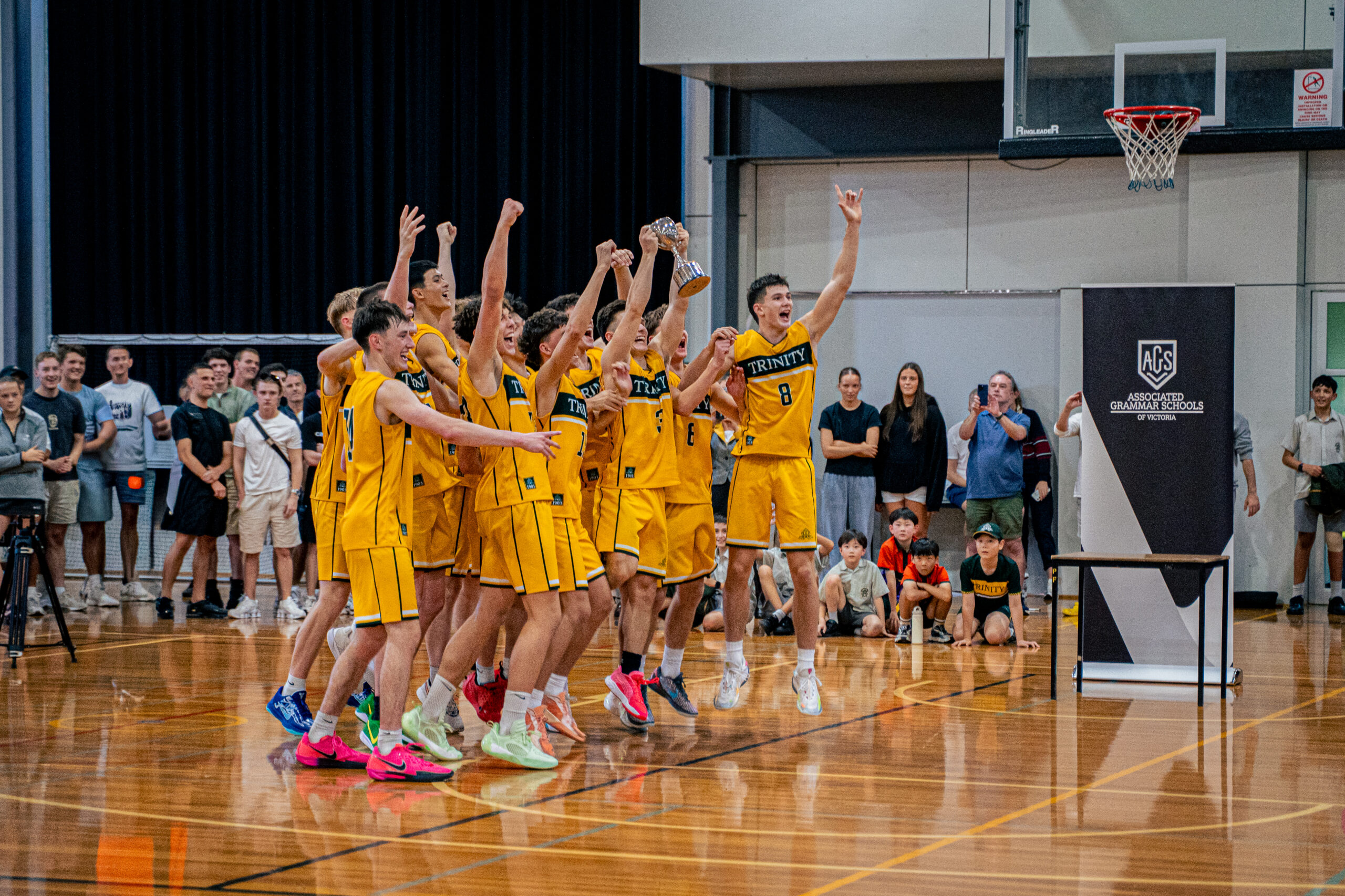
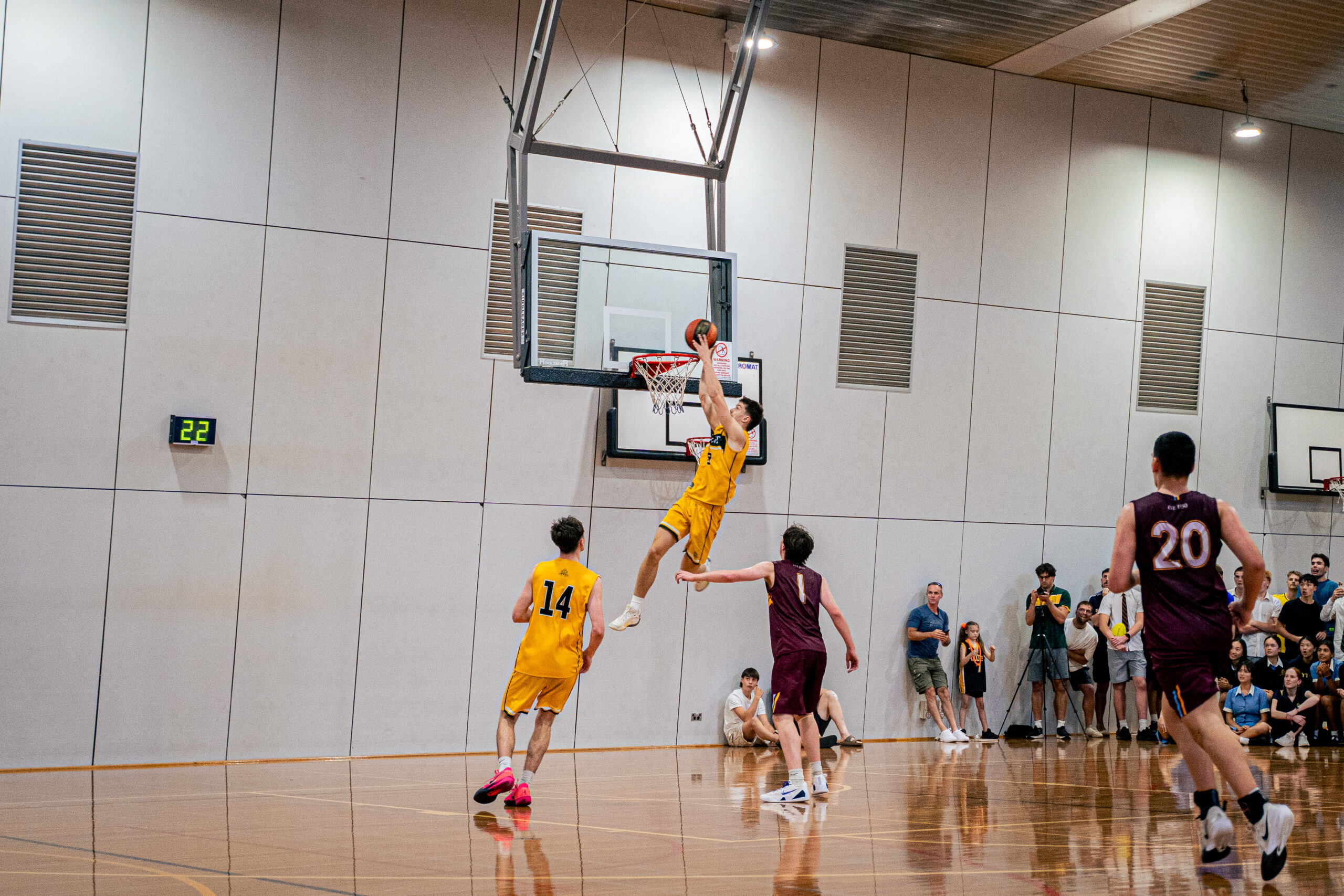
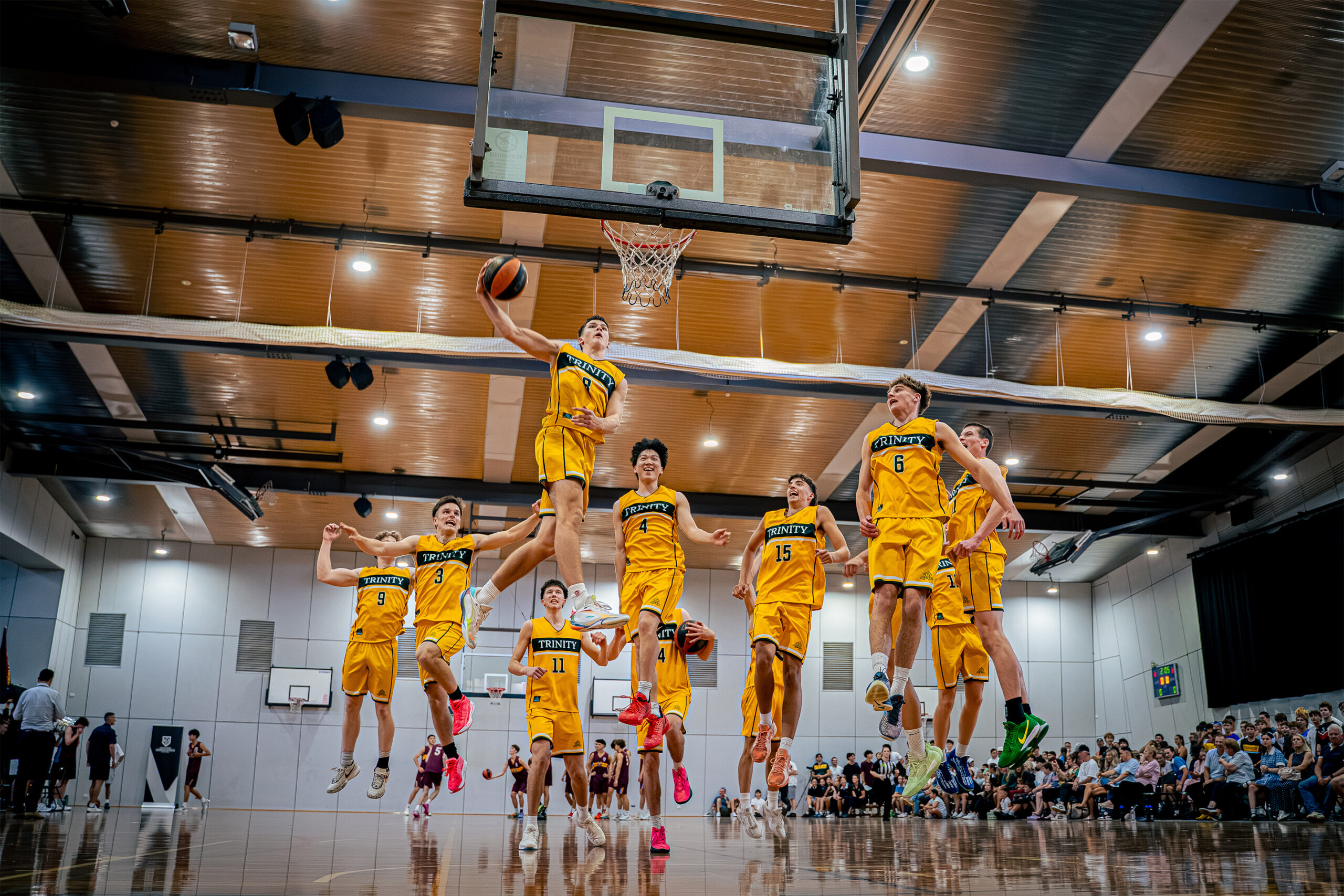
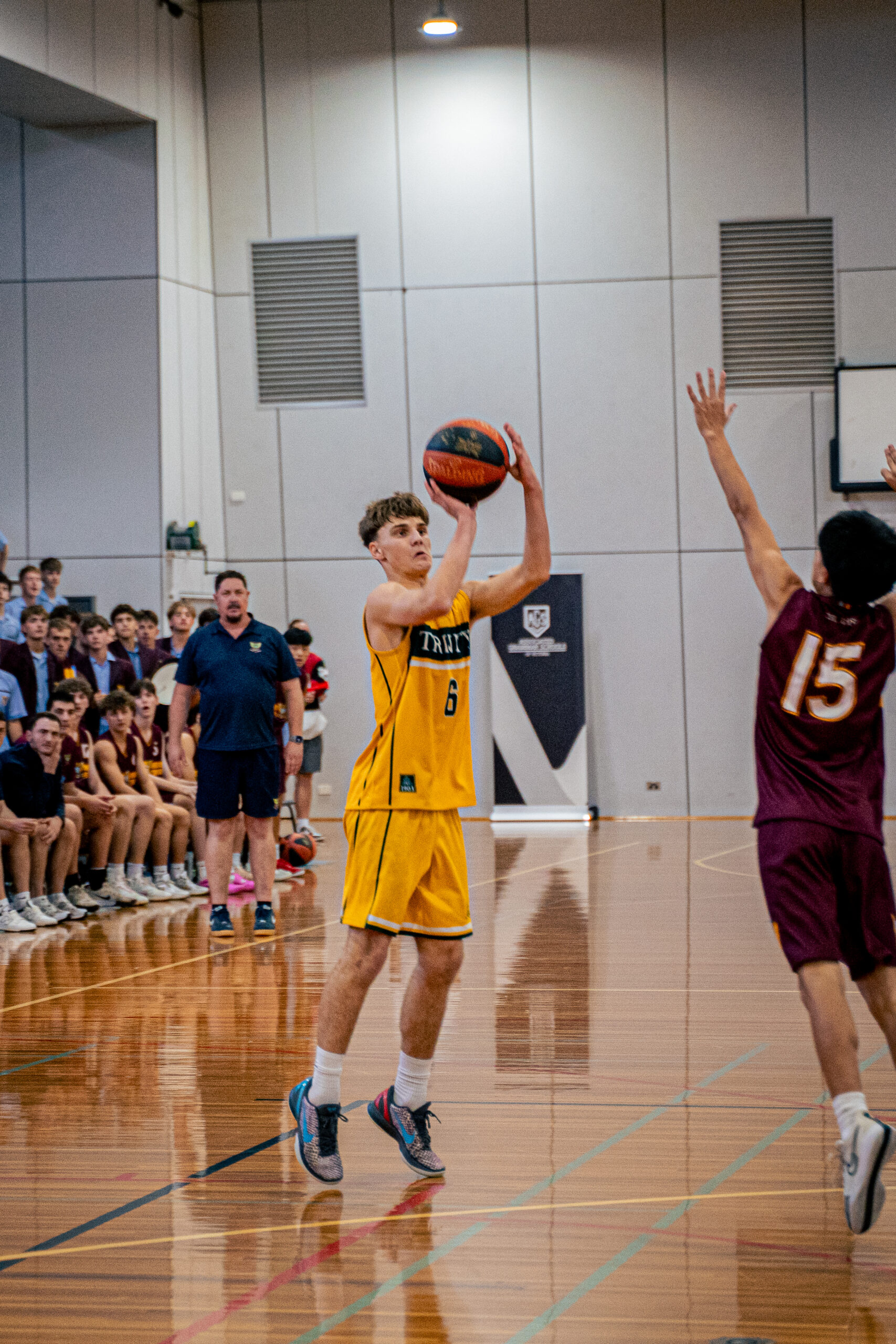
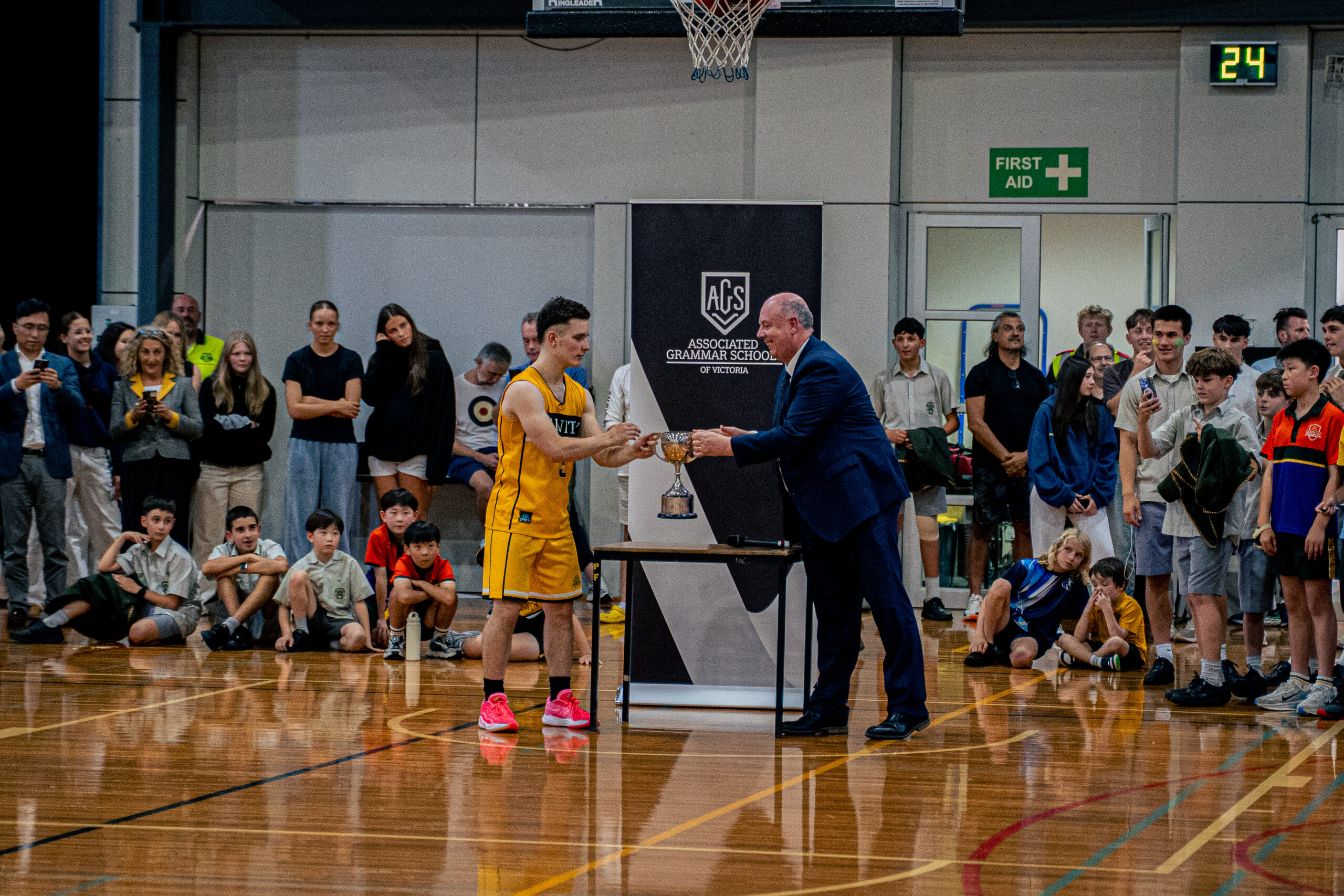
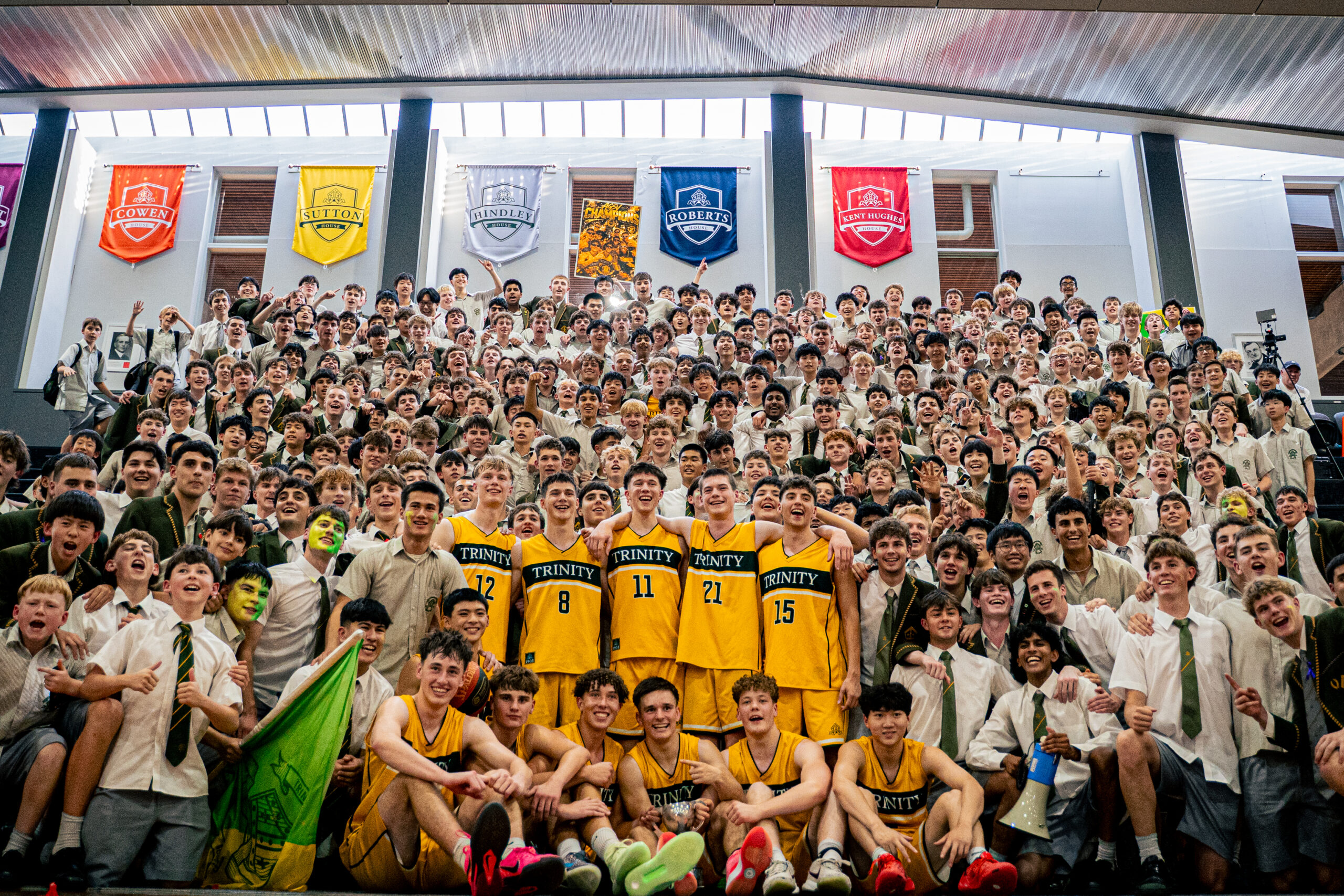
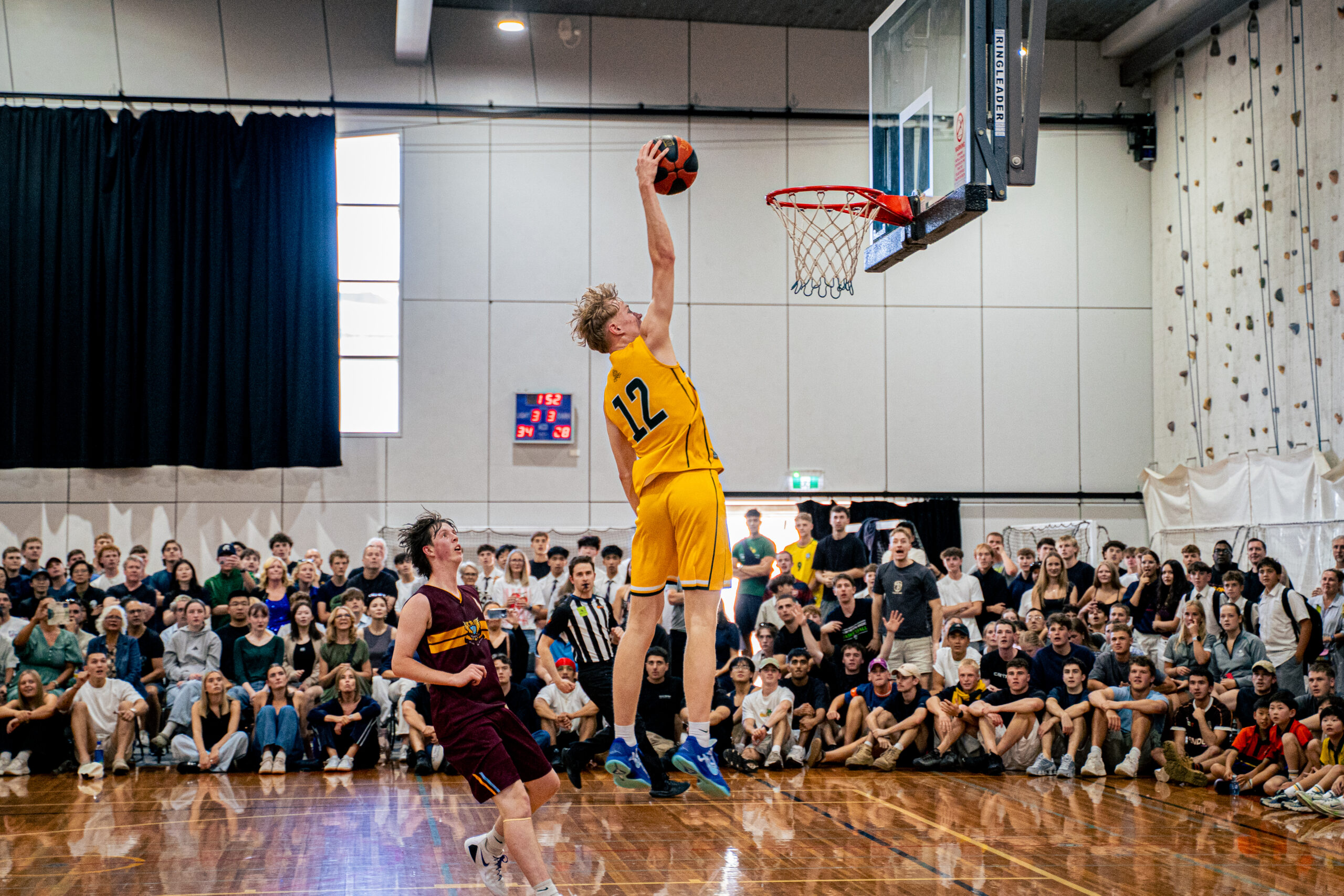
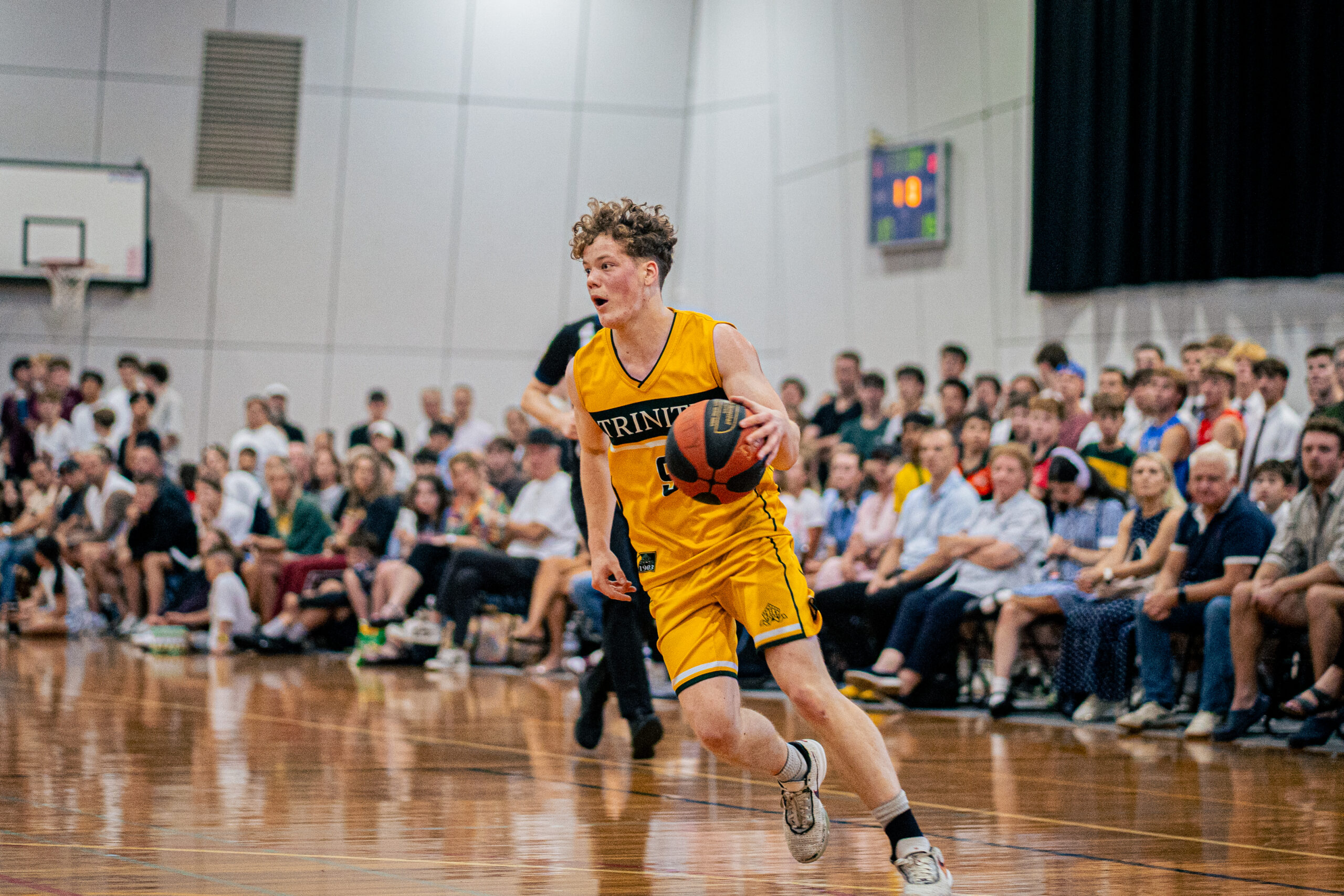
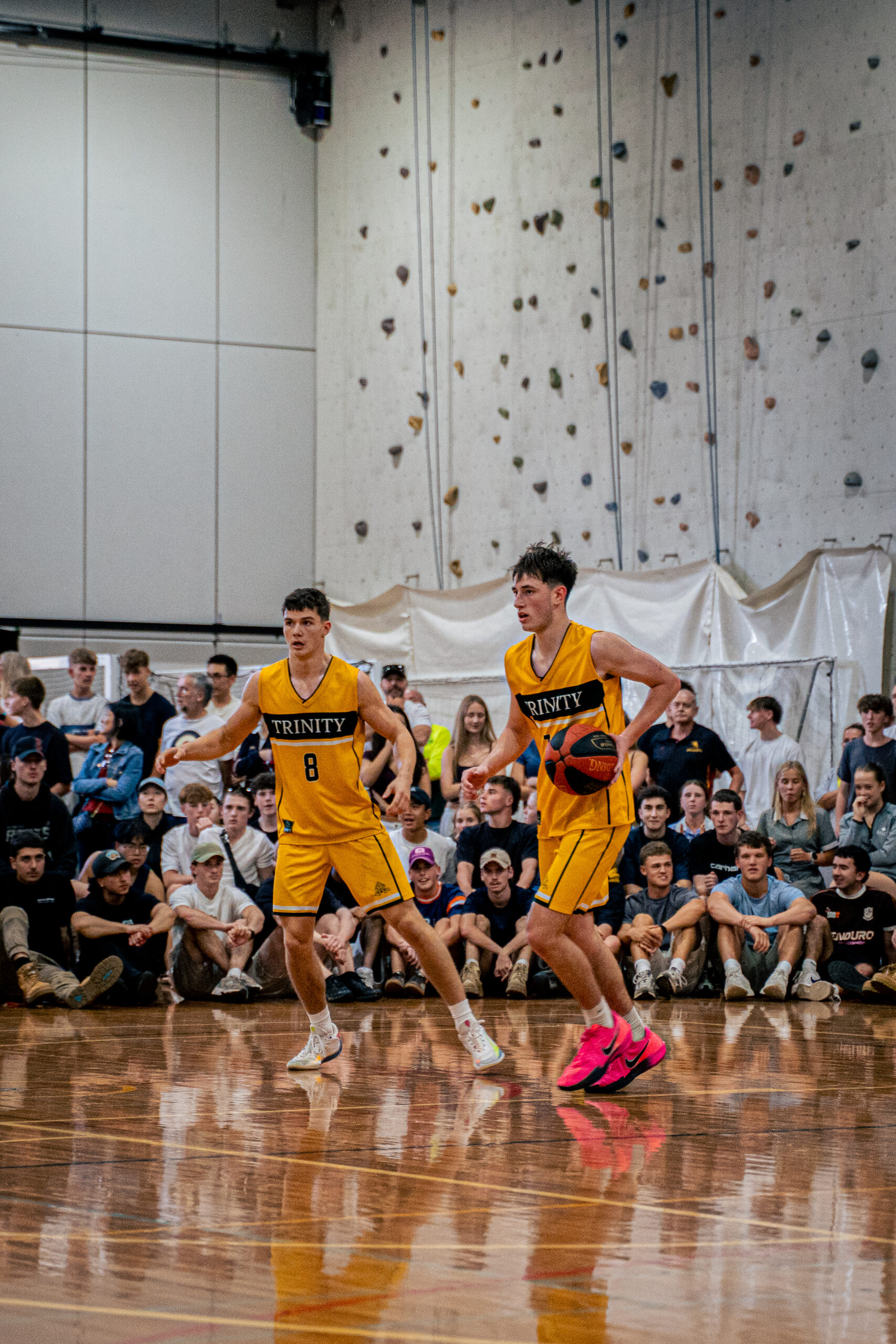
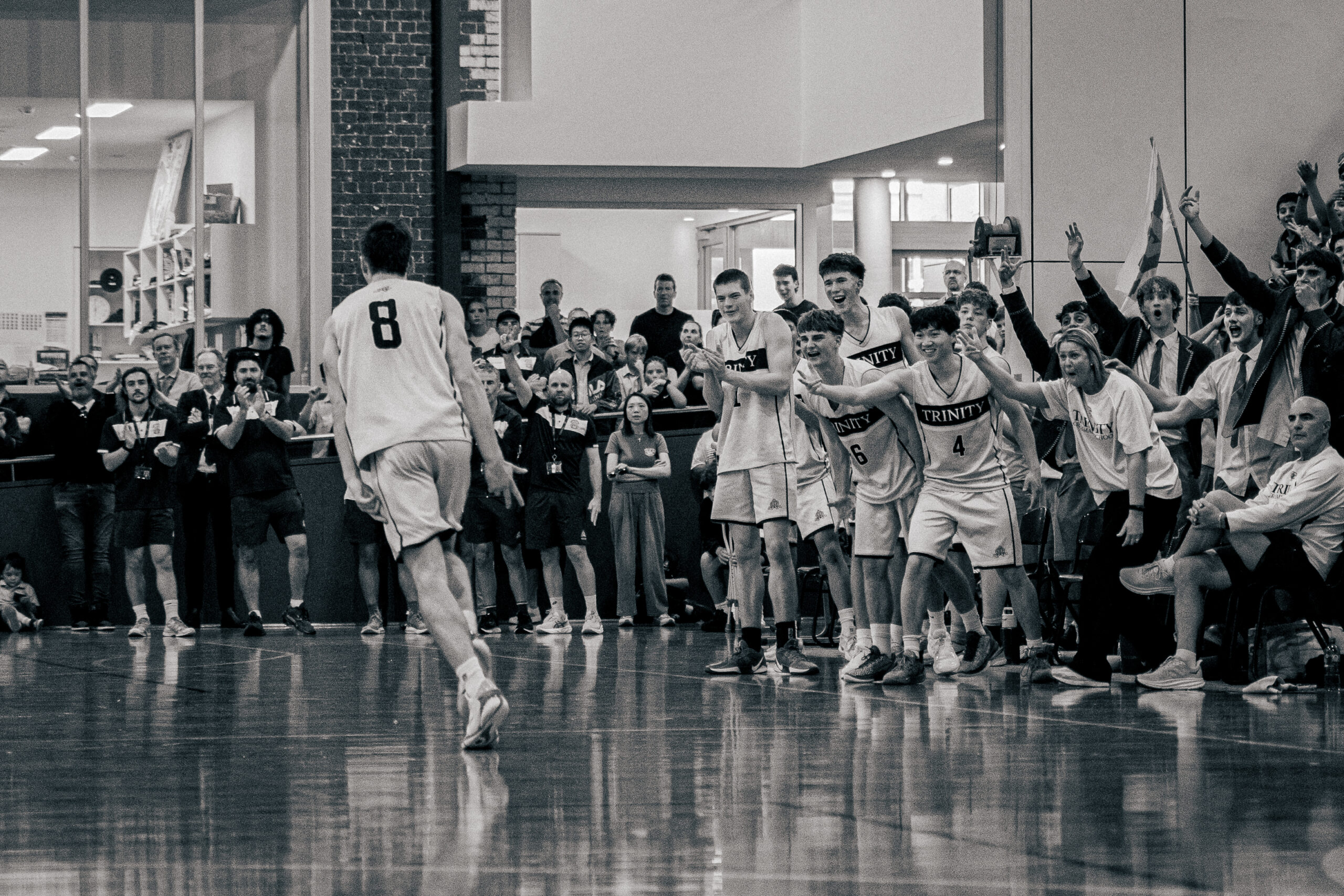
Firsts Basketball Grand Final against Marcellin College – photography captured by Gautaman Shasitharan (OTG 2025)
16
A place that brings us together
Melissa Gallace, Parents’ Association President
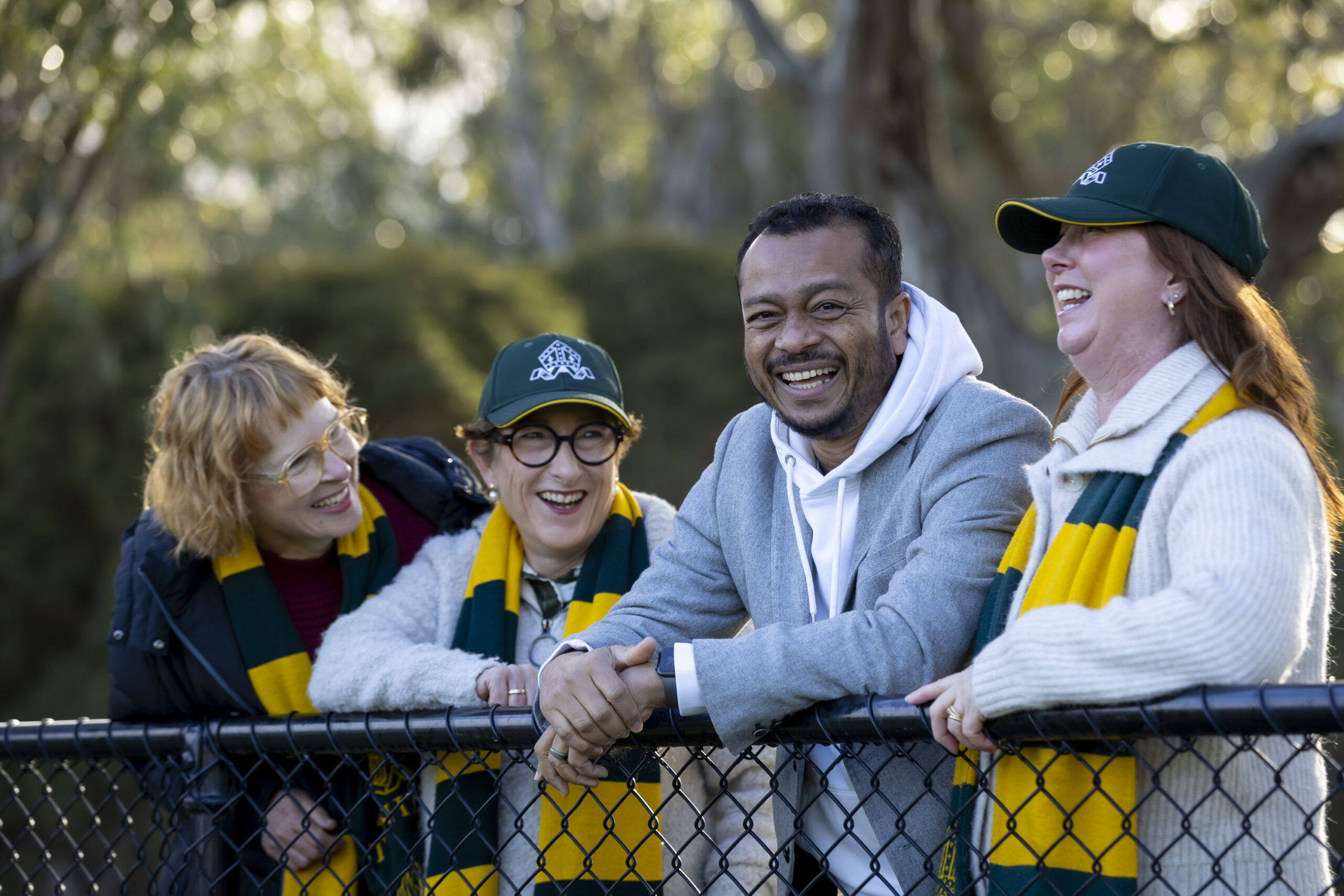
Community and togetherness sit at the heart of the Trinity experience, and for many families, Bulleen has long been one of the places where that spirit is most strongly felt. It is a place where friendships are formed, families gather, and the Trinity community comes to life.
For our family, Bulleen has played a meaningful role in our children’s school experience. Weekends spent on the sidelines, cheering alongside other families, quickly became more than just a football game. Outdoor activities, year level catch-ups, as well as weekly sport prove that Bulleen is an integral part of the Trinity footprint.
The coming together of student groups and parents demonstrates how Bulleen is one of the places where the Trinity community feels most tangible, where everyone comes together with a shared sense of school pride and belonging.
Over the years, Bulleen has hosted countless memorable family moments; early morning drop-offs, fierce competition, celebration of wins and the resilience shown in tough games. It is also a place where past students often return and continue their Trinity journey in their ‘OTG’ teams. This ongoing connection to Trinity allows them to maintain friendships while reconnecting with the community that shaped them. These shared experiences have helped build the strong sense of camaraderie that Trinity is known for.
The Parents’ Association (PA) plays an important role in strengthening this sense of community across the school. Through events and initiatives throughout the year, the PA helps create opportunities for parents to connect, support one another and engage more deeply in school life.
The new pavilion will enable new opportunities for these connections. The upgraded facilities will provide a wonderful space for families and supporters to gather, connect and celebrate. The Bulleen sports grounds have always been a place that brings families together and we look forward to the new pavilion becoming a hub for community, celebration and shared Trinity experiences.
11
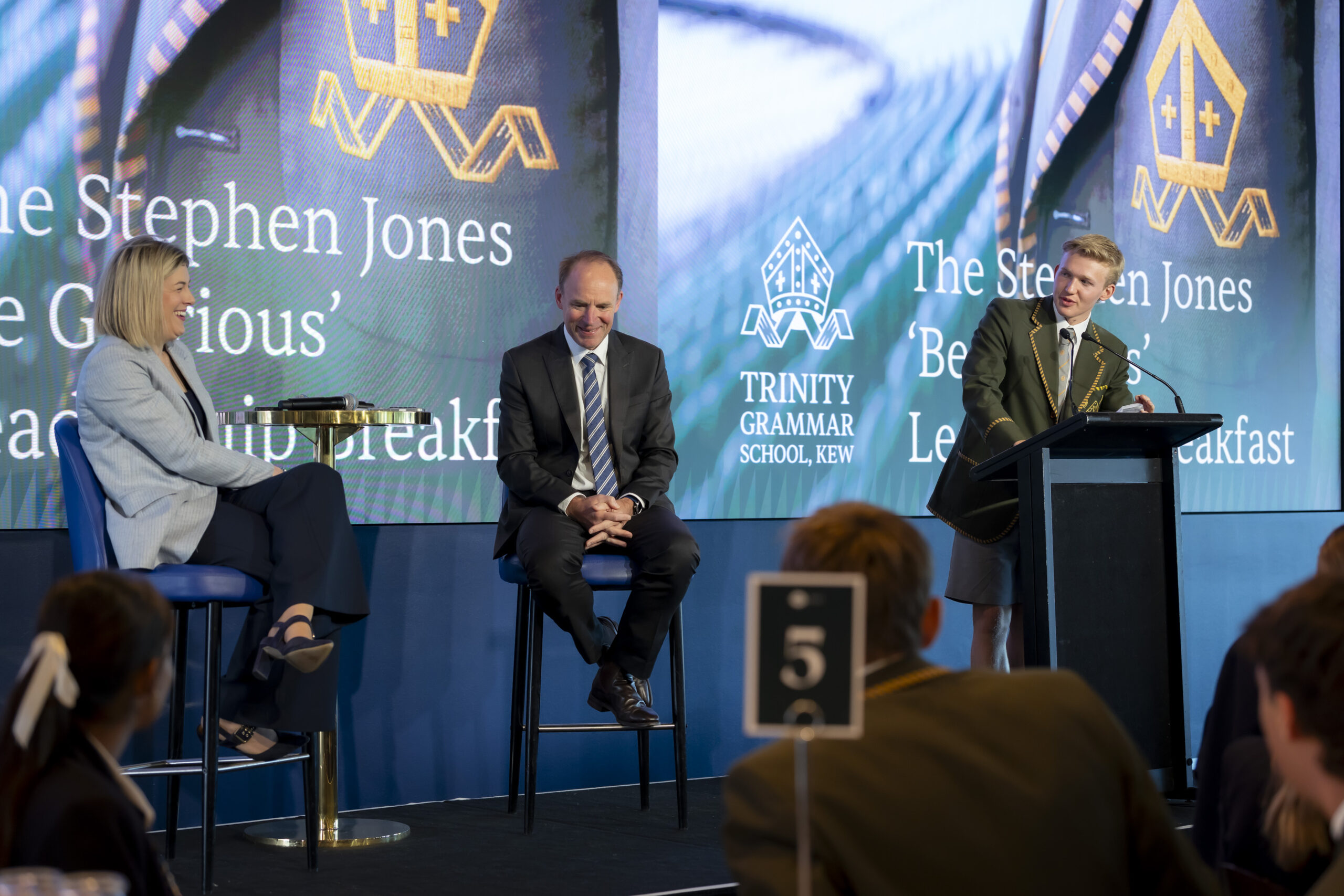
Stephen Jones ‘Be Glorious’ Leadership Breakfast
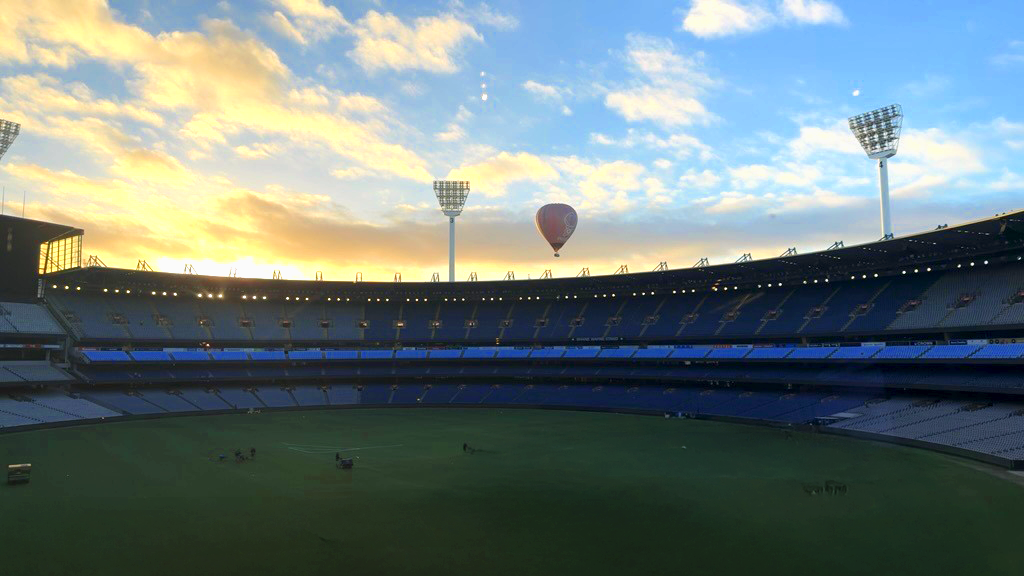
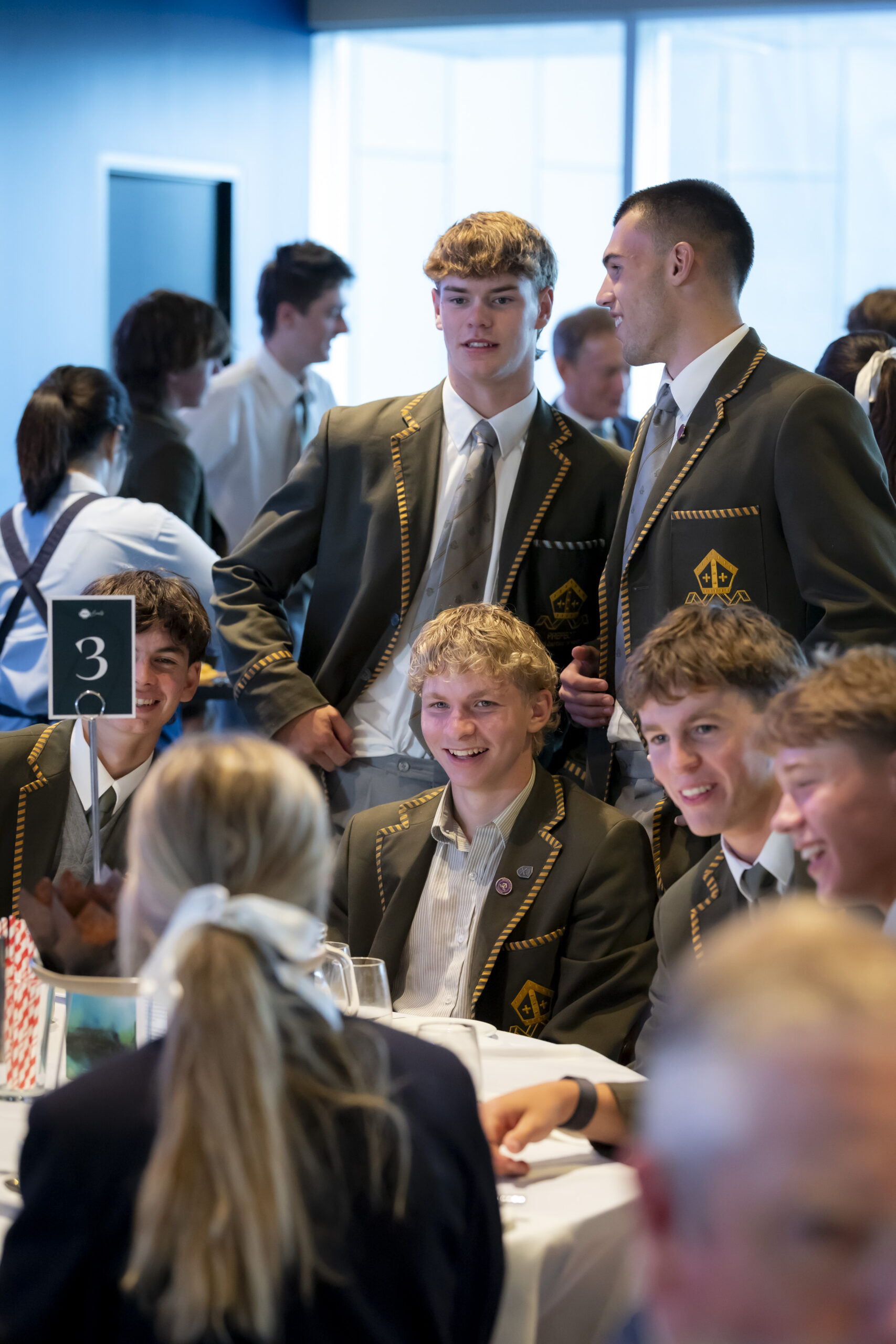
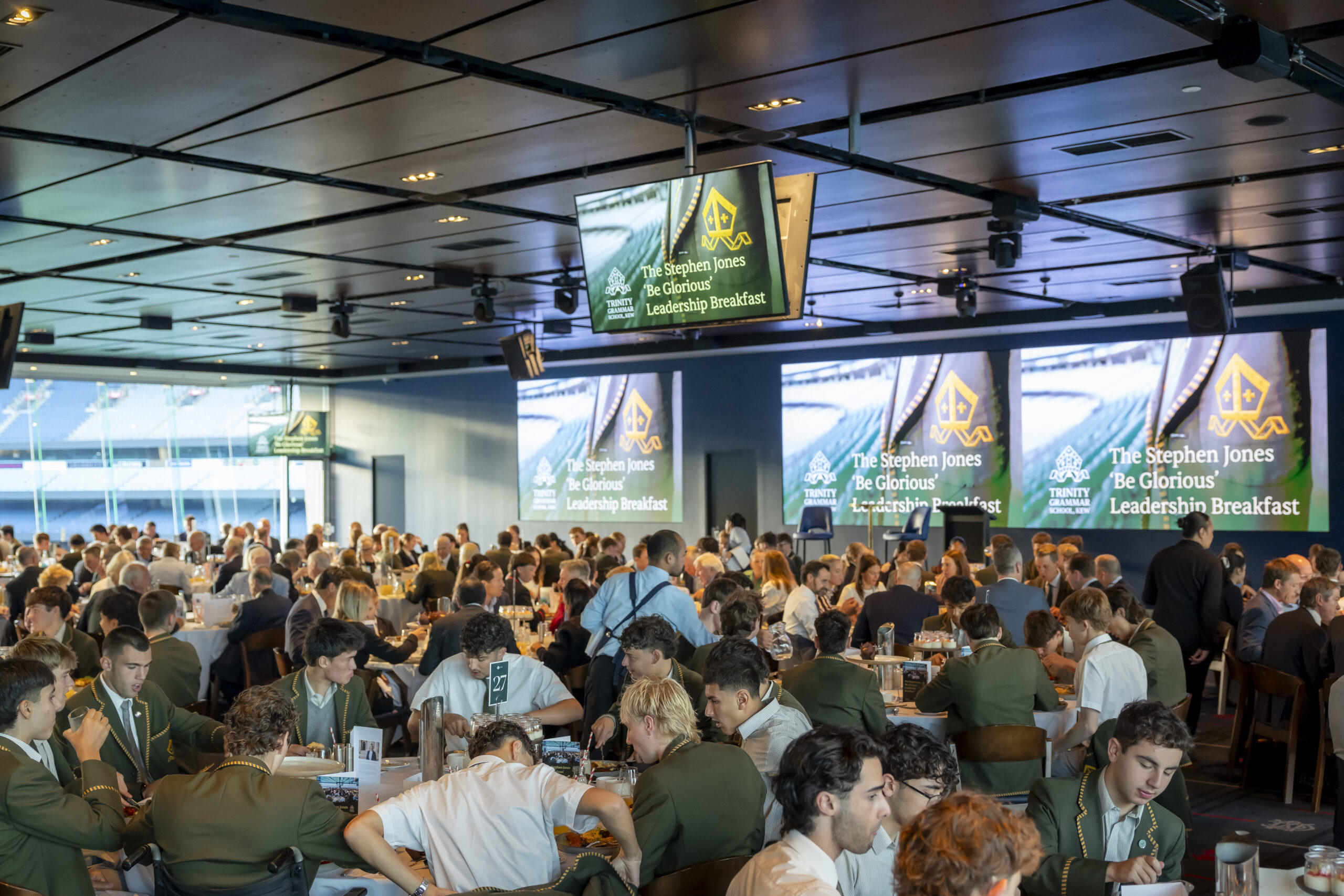
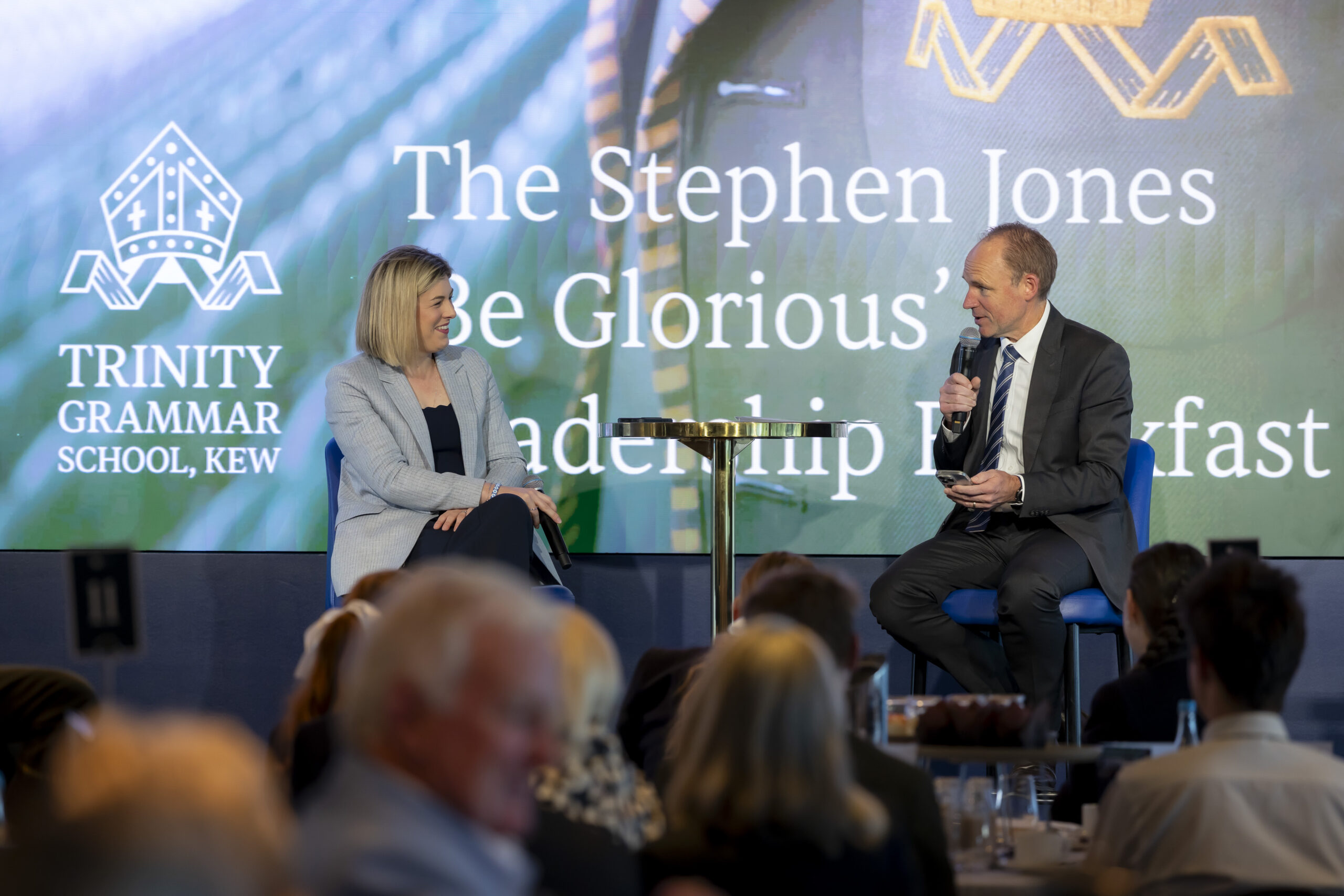
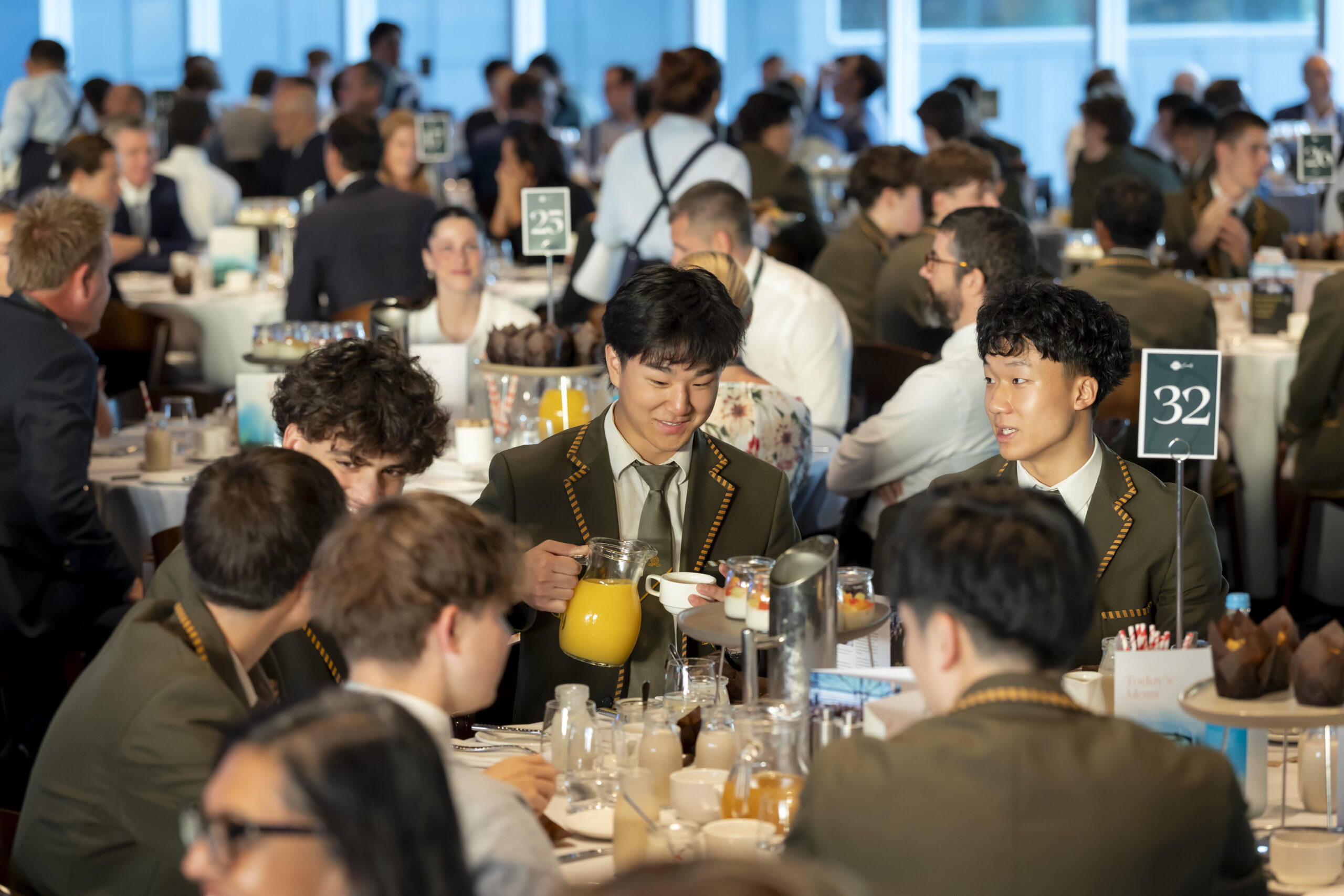
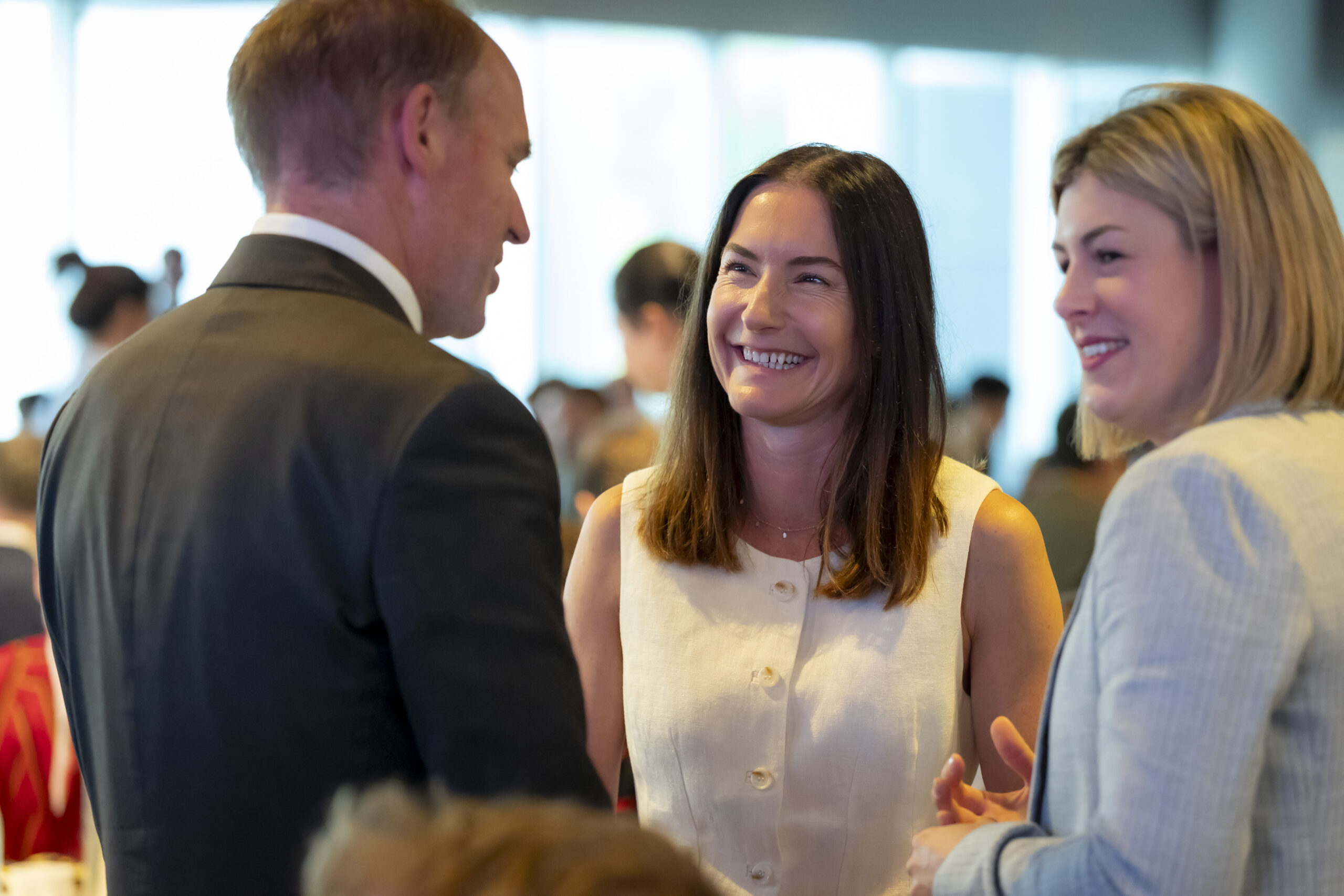
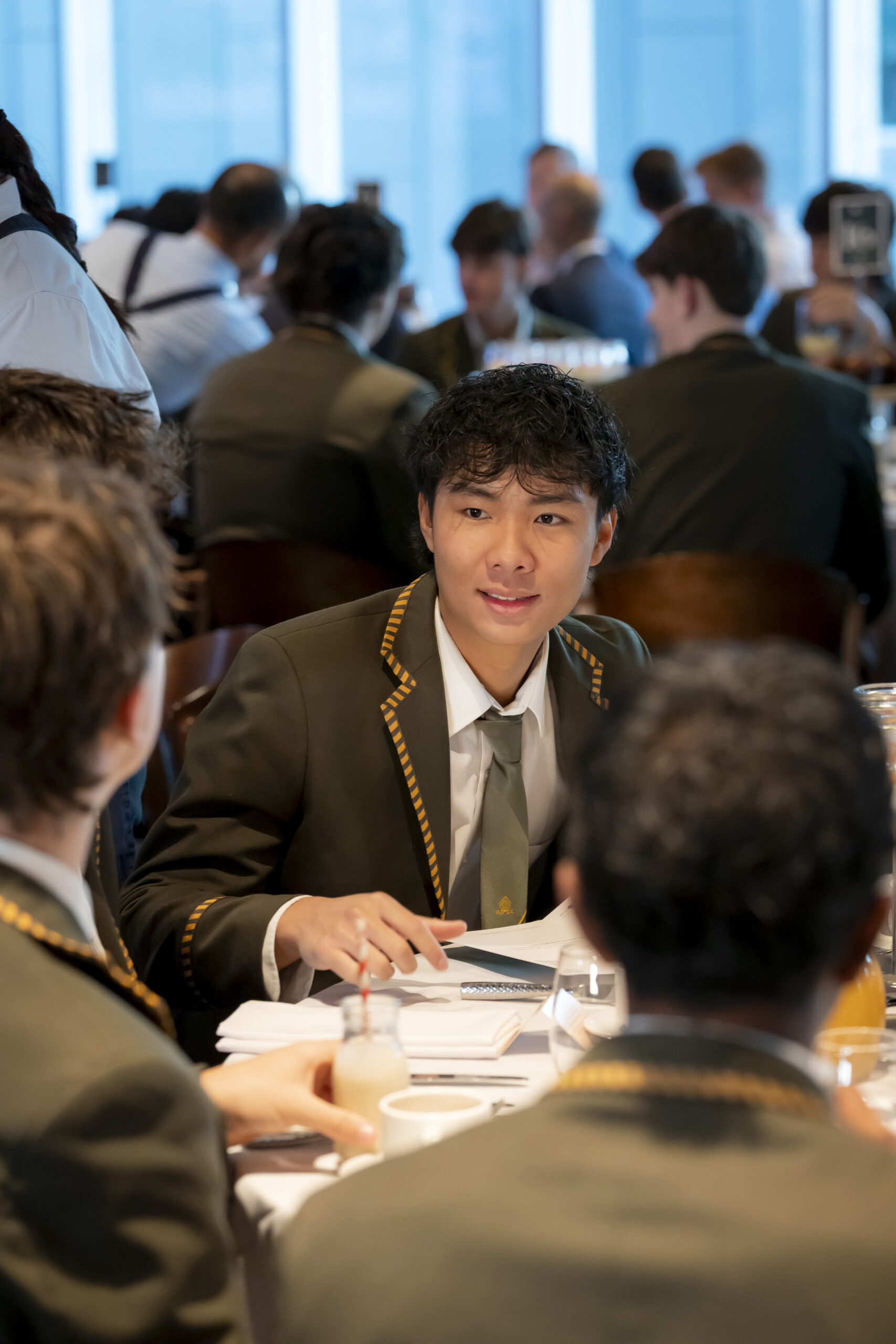
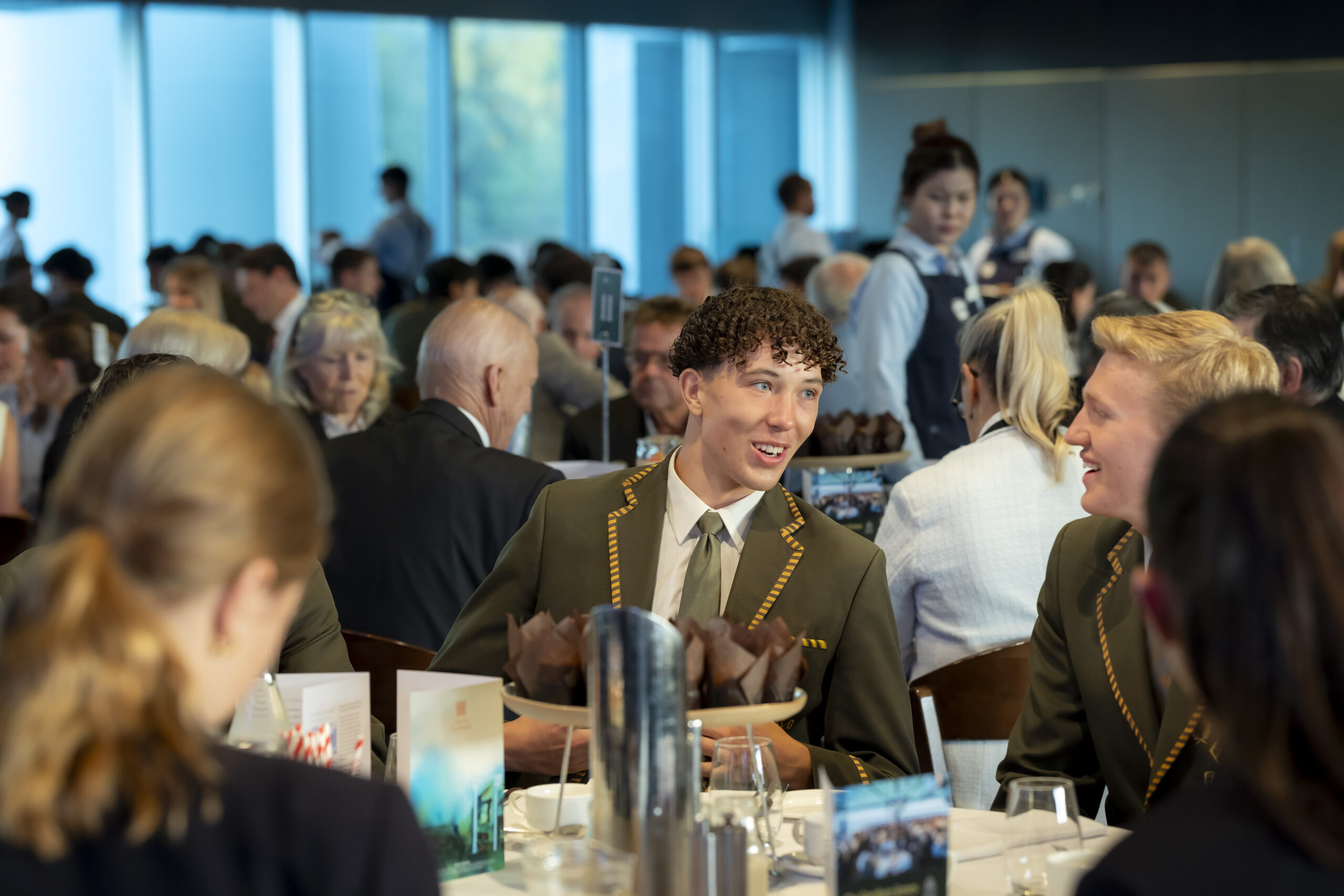
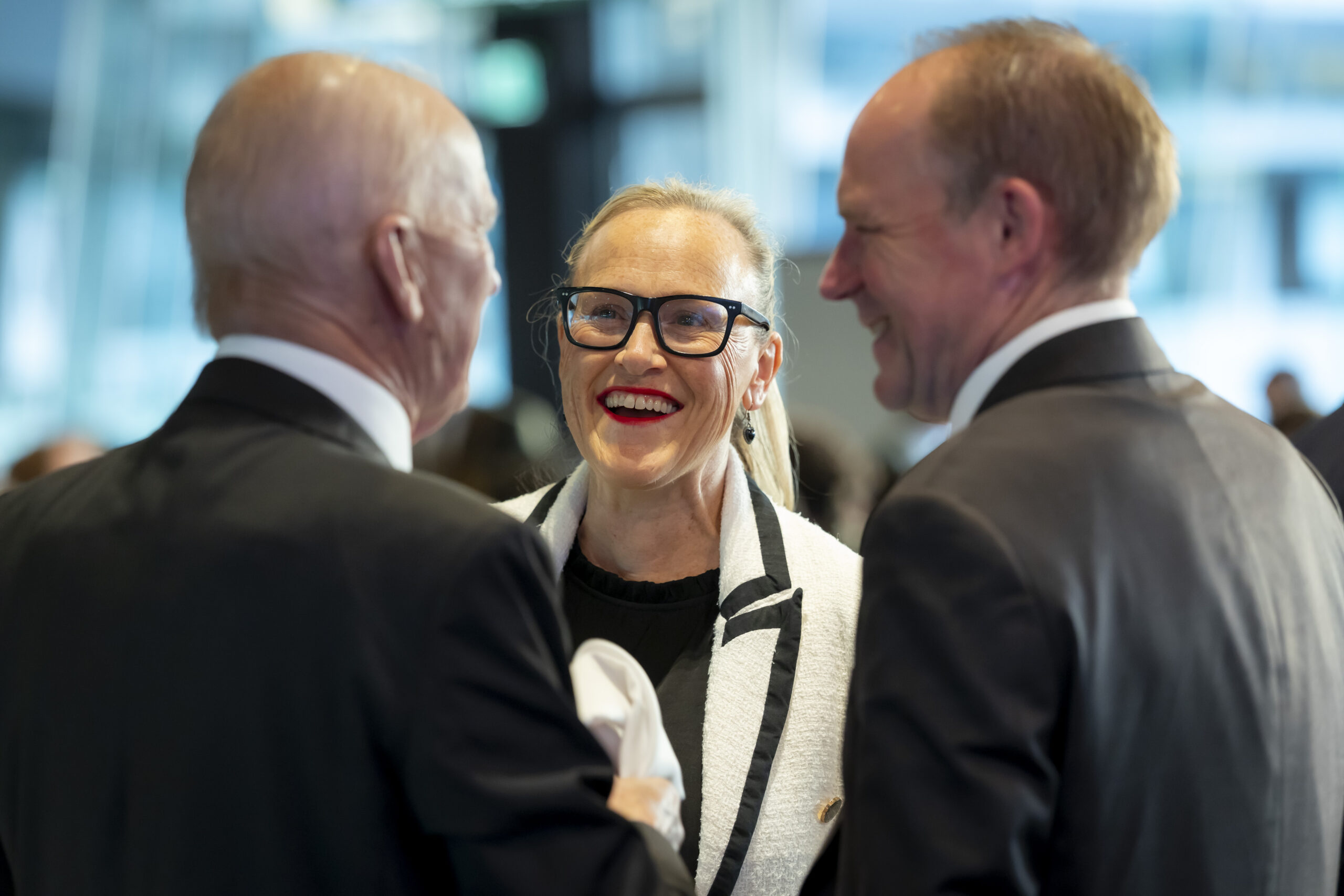
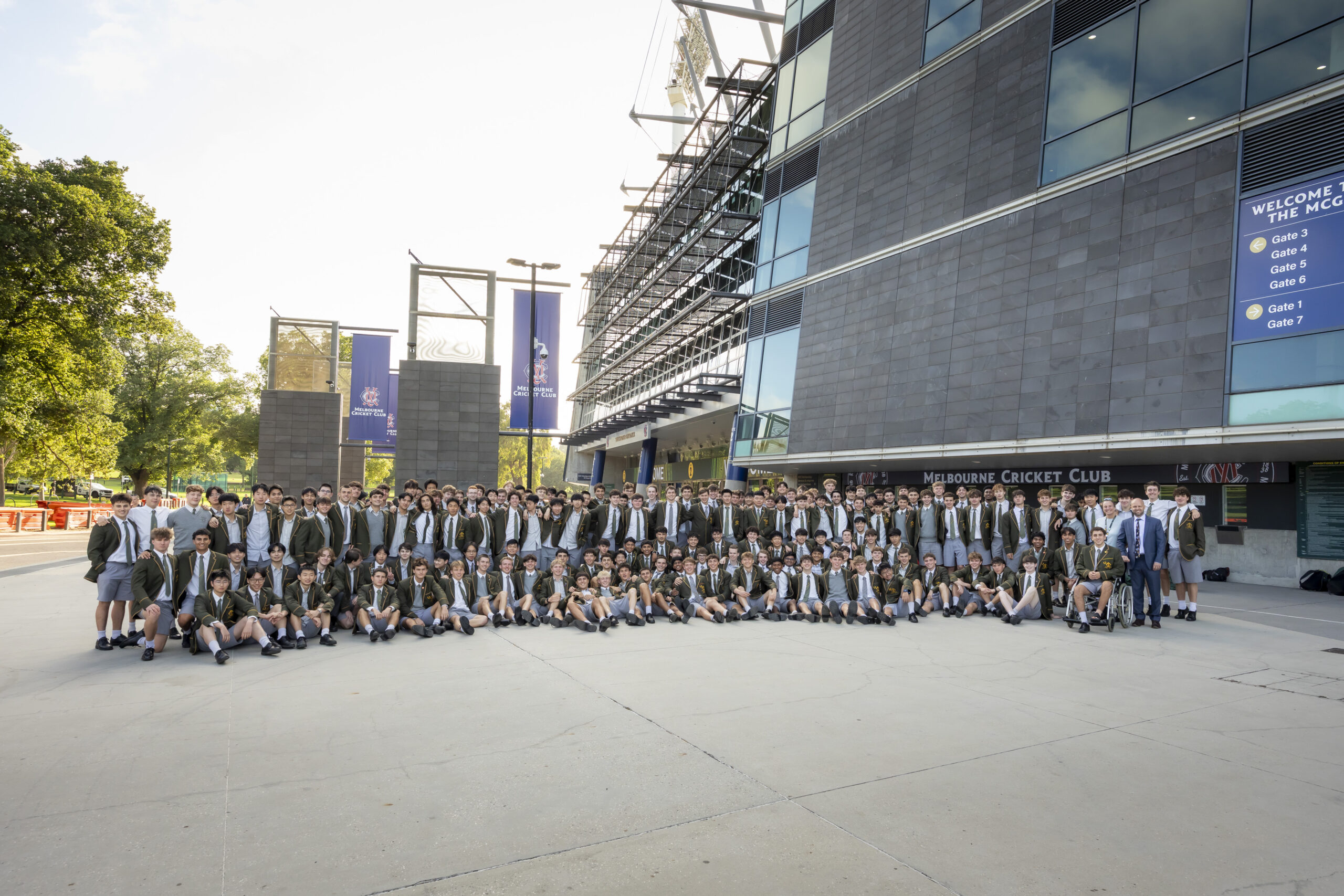
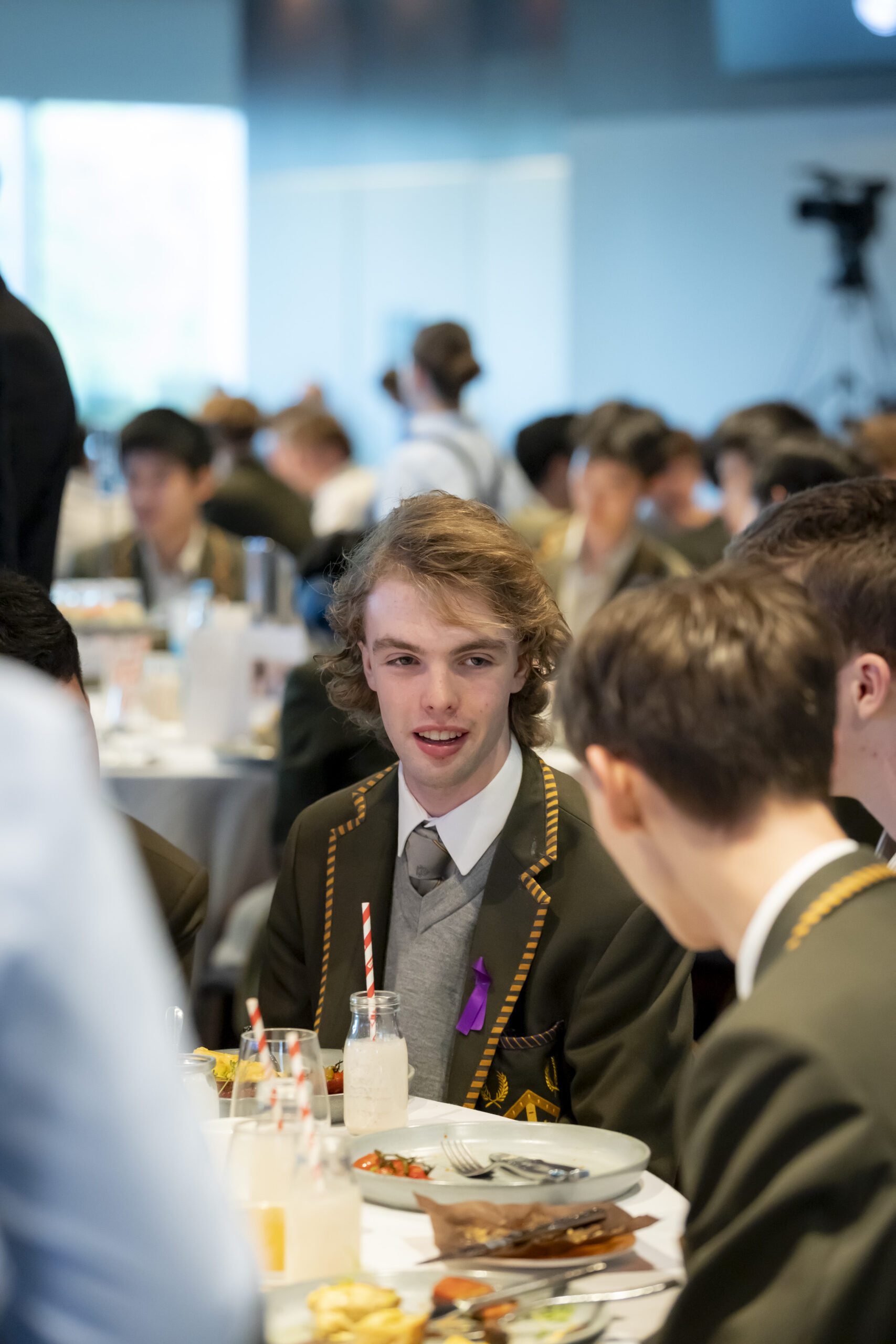
The Stephen Jones ‘Be Glorious’ Leadership Breakfast was held in February in the Members’ Dining Room at the MCG. This year, we were joined by Jess Wilson MP, Leader of the Opposition in Victoria and Member for Kew. Jess shared her insights on leadership with our guests, Year 12 Trinity and Ruyton students.
18
At the crossroads of sports, data and strategy
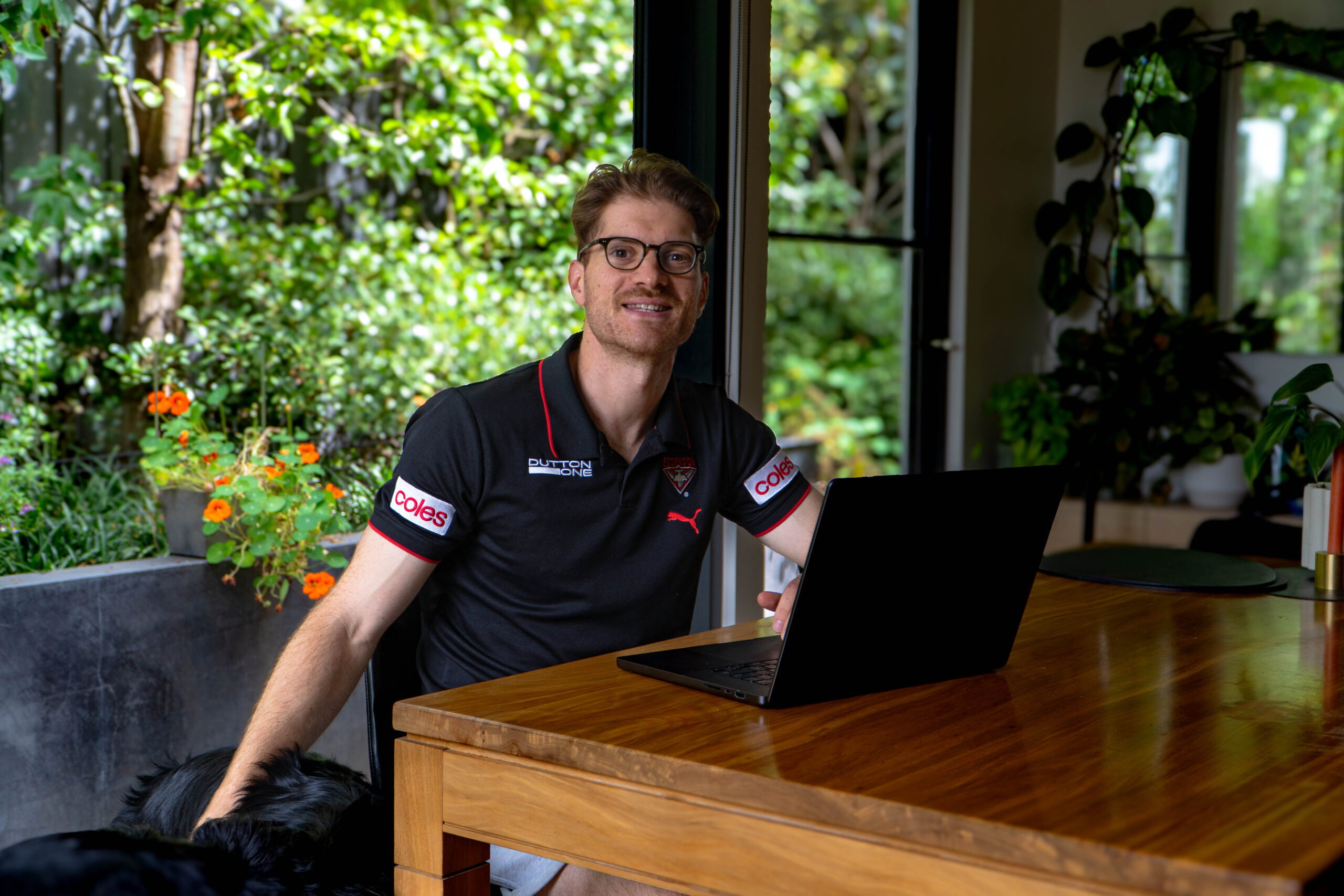
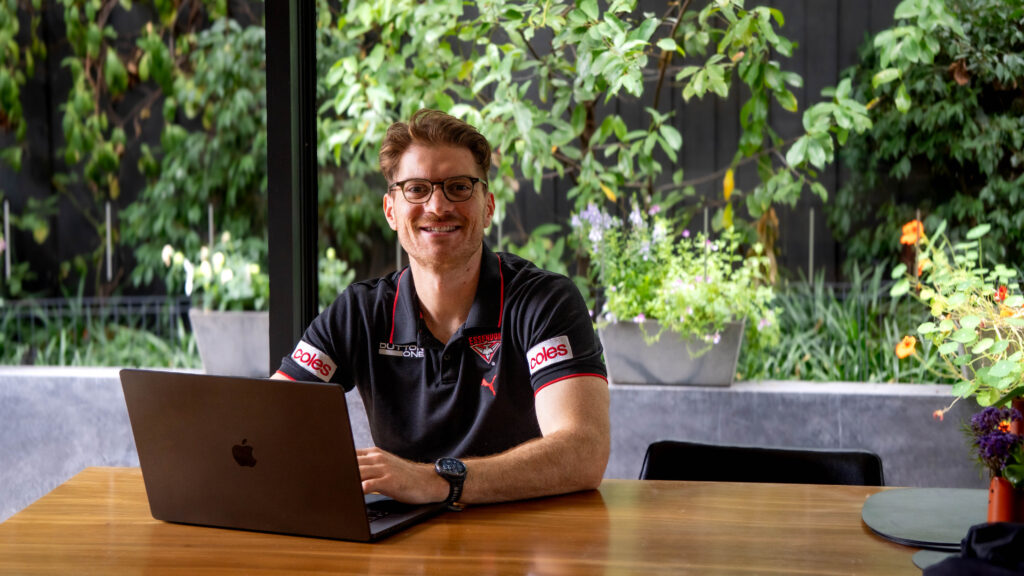
On any given day, Christos Manoussakis (OTG 2012), Data and Analytics Manager at Essendon Football Club, might be building reporting tools for the Membership Team, interrogating data to guide list and recruiting decisions or shaping strategy across the Club’s operations. The work is fast-paced, ever-evolving and broad in scope, giving him a unique vantage point across the organisation.
But Christos’ journey into the AFL didn’t begin with a clear blueprint. A passionate sportsman with a natural curiosity for numbers, his pathway took shape through exploration, recalibration and a willingness to back his interests, something he says was always encouraged during his time at Trinity.
After graduating from Trinity, he initially pursued Natural Sciences, only to realise within weeks that it wasn’t the right fit. A transfer to Monash University to complete a Bachelor of Commerce brought him back to a consistent theme: a fascination with numbers.
A graduate role in finance at Telstra followed next. While the traditional corporate world provided a strong commercial foundation and sharpened his technical skills, it didn’t fully capture Christos’ passion. “The corporate path wasn’t quite where my heart was,” he admits, “although the passion for data remained.”
So, when the opportunity arose to be seconded into Telstra’s Analytics Team, Christos embraced it. To help with the transition to analytics, outside of work Christos began practising coding using publicly available sporting datasets.
“After summoning up the courage to post a few of the resulting visuals on social media (not my best work in hindsight), within six months, I received an offer to do some consulting with an AFL club, alongside my day job,” he says.
Trinity provides an incredible array of opportunities for students to explore, whether it be on the sporting field, in the classroom or within the arts.
This side hustle soon led Christos to Essendon Football Club, where he now works at the crossroads of sport, data and strategy.
When thinking about his journey, Christos reflects, “Trinity provides an incredible array of opportunities for students to explore, whether it be on the sporting field, in the classroom or within the arts. That variety creates space for students to find their passion. Embracing that spirit of exploration after graduation meant that while it didn’t take shape immediately, I was eventually able to find the intersection of vocation and passion and turn it into a career.”
His advice to current students is simple: trust your ability and take action. “If you are passionate about a field, sport or otherwise, don’t be afraid to back yourself. The only barrier to entry is your initiative and imagination. Write a blog, send a LinkedIn message, or learn a new skill.
Take time to identify what your field values and seek out people already working in it. The OTG community is a fantastic place to start. The network is broad and alumni are more than willing to provide a few pointers or grab a coffee.”
Bulleen Moments
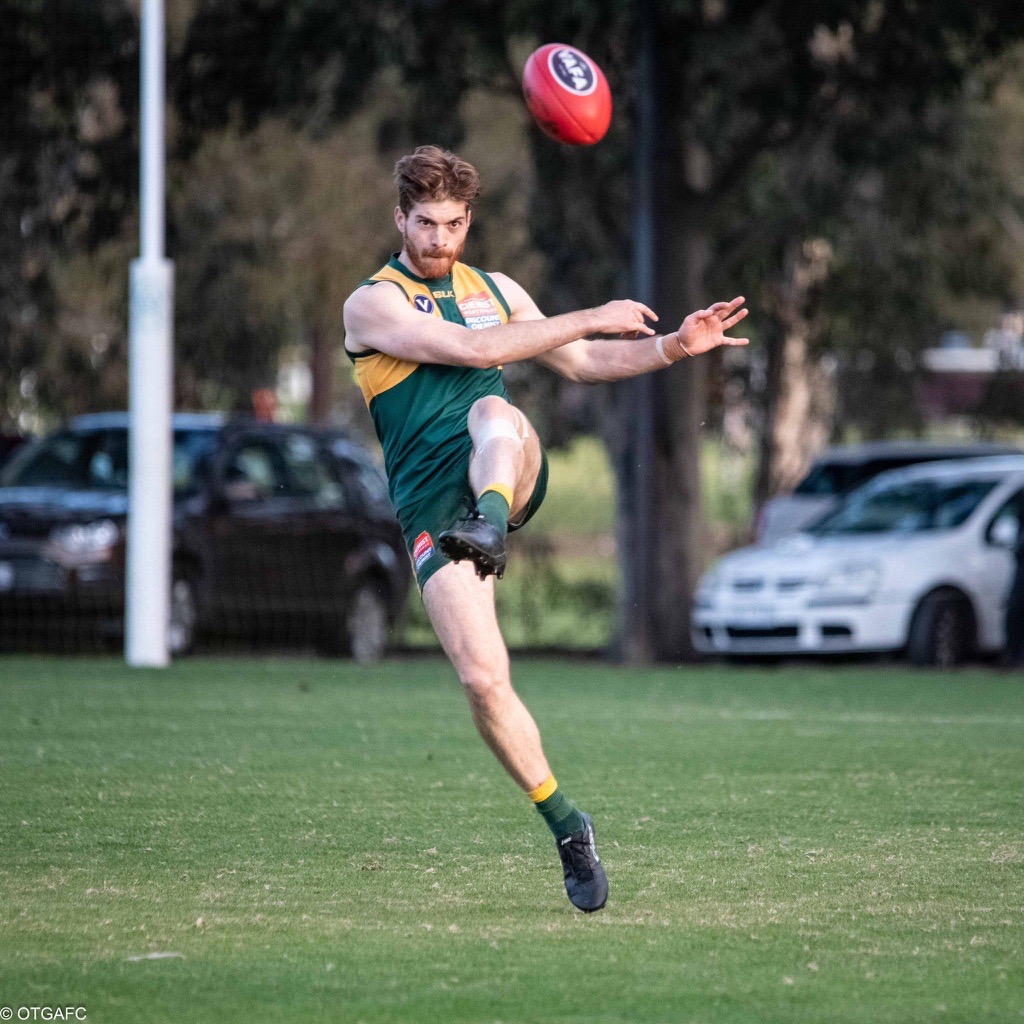
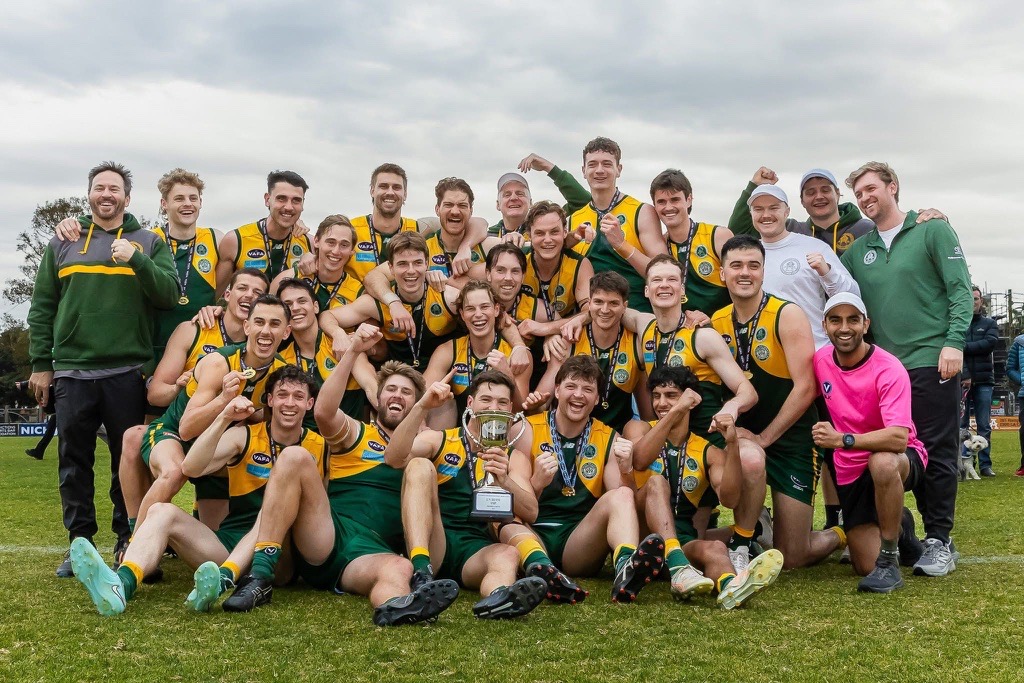
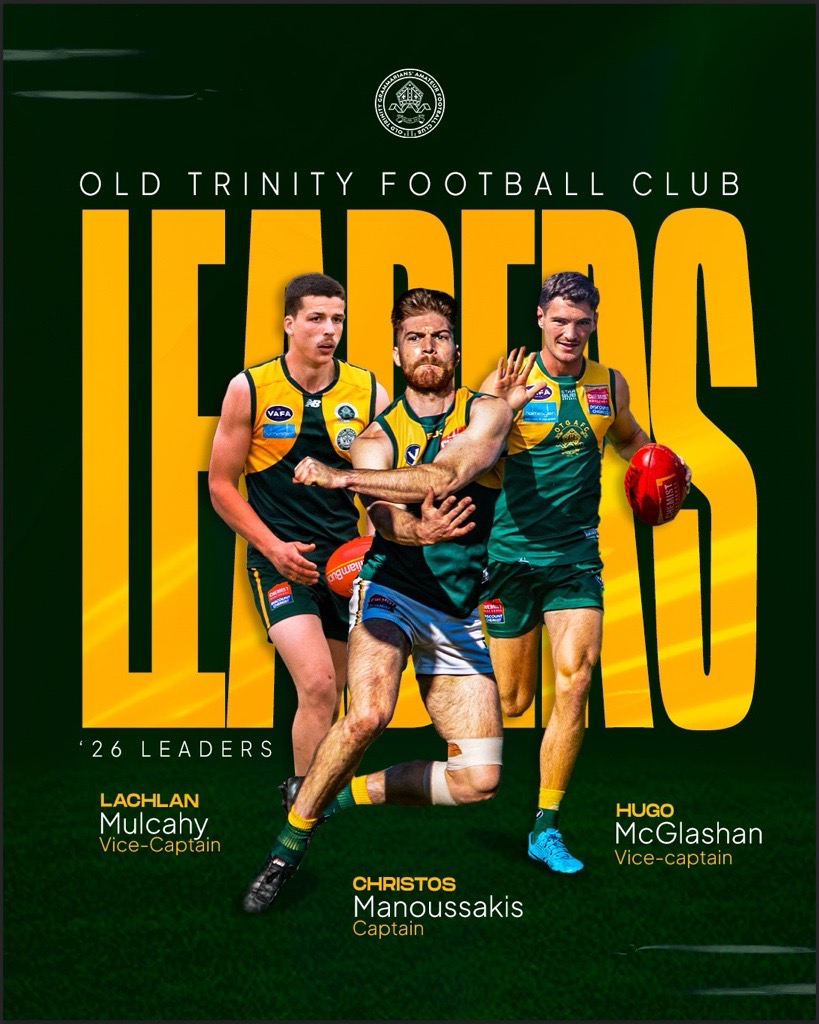
Tell us about your best memories of Bulleen. It’s hard to look past the hot summer House Sport Carnivals and frosty Saturday mornings donning the long sleeve guernsey in AGSV competitions. I was very privileged to be involved in several memorable team victories for both the school Firsts XVIII Football team and the OTGAFC. However, it would be hard to pass up the 2012 AGSV Football Grand Final. Completing an undefeated season in front of the Trinity community on the Daley was a special day to cap off an incredible year. Hard to believe it’s been almost 15 years!
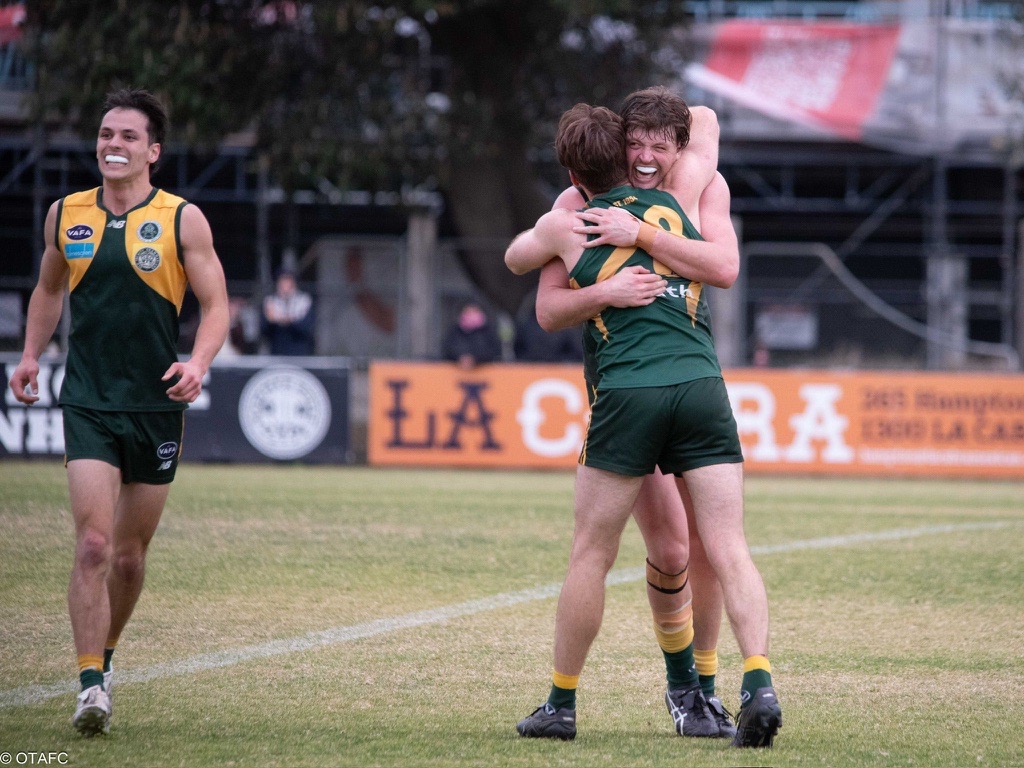
As the Captain of the OTGAFC, you are still very much connected to Bulleen. Tell us what Bulleen continues to mean to you? Swapping the school bus from Kew for my car from work, arriving at Bulleen still brings the same sense of joy. It is never lost on the OTG sporting clubs how fortunate we are to share the use of some of Melbourne’s finest sporting facilities. While the current renovations will transform the complex, there’s no doubt they’ll retain the spirit and soul that makes Bulleen so special.
19

A living legacy
Ryan Landgren (OTG 2009), Old Trinity Grammarians’ Association President
The Marles Playing Fields (or to many, the place simply known as “Bulleen”) has for over 40 years been enjoyed by all parts of the Trinity community. Bulleen is the envy of visiting schools and OTG opponents – not just those who don’t have their own grounds, but even those who aren’t used to such exceptional surfaces and the pristine environment. As a young student, I remember telling friends at other schools that the Price Field is ‘longer than the MCG’. While I’m not sure if that was true, it definitely looked that way as a Year 7 student, especially when compared to local footy ground of Canterbury Oval.
History at the Kew campus can be seen clearly, with several original homes being part of the learning facilities to this day. However, the history of Bulleen is represented slightly differently, it can be seen in trees that have been growing on the land prior to Trinity’s acquisition, and in the trees planted by students, parents, OTGs and staff members over the past 40 years.
Up until very recently, the walls of the Cohen room also told a story, the beams draped in premiership flags and honour boards covering the walls. The original pavilion served the community very well over the years. However, it is now extremely exciting to track the development of the new pavilion. This state-of-the-art structure, which will benefit the whole community, will allow greater levels of connection and utility for students, staff and OTGs. From the blueprint and updates received from the Trinity leadership team, there appears to be opportunity to utilise the new pavilion in an expanded capacity, with space for larger functions (naturally surrounded by such a beautiful setting) – assisting OTG community connectiveness.
We continue to be privileged to be beneficiaries of the vision that those in the Trinity community had 40 years ago. Similarly, we are fortunate for the foresight of our current School Council and Senior Leadership Team, in conceiving the new Bulleen Pavilion. The Marles Playing Fields are the jewel in the Trinity crown, but ultimately it is a place where the Trinity spirit can be exemplified: teamwork and resilience demonstrated on the fields, meticulous planning and dedication in preparing the facilities by Trinity staff, and hours of service and care from volunteers.

After last year’s sellout of the OTGA CBD Lunch, we have locked in Friday 12 June for our next OTGA CBD Lunch at The Australian Club. The theme of the day (apart from good food and company) will be global markets and the forces shaping the financial world with guest speakers Matthew Tan, Head of Asset Allocation and Lino Salzano (OTG 2018), Partner and Adviser at LGT management. Bookings are now open. Book early to avoid disappointment – we are expecting another full house!
TICKETS NOW AVAILABLE
2026 dates
OTGA OTG/TGS Dads’ Night
Thursday 14 May
1986 OTG 40 Year
Thursday 28 May
1996 OTG 30 Year
Thursday 28 May
2006 OTG 20 Year
Thursday 4 June
OTGA CBD Lunch
Friday 12 June
OTGA COMMUNITY BREAKFAST
Friday 14 August
2016 OTG 10 Year
Thursday 10 September
Update your details
To continue receiving alumni communications and event information, keep your contact details up to date through OTGO or by contacting otg@trinity.vic.edu.au
If you would like to change your delivery preferences for The Trinity Grammarian magazine, fill out the form below.
Women of Trinity Grammar
Our membership continues to grow – we currently have over 350 members and many new members who have joined from the 2025 cohort.
There is no deadline to join – please feel free to share the link below for any friends who may wish to join from last year (or any previous years) who have not yet had the opportunity to do so.
surveymonkey.com/r/women_of_trinity_grammar
for the link to join the group.
This group is predominantly a social group, made up of mothers who have had a son, or sons, who have graduated from Trinity – but no longer have a son attending the school – and wish to stay in touch. There is no joining fee, no obligation to attend any events and no fundraising. Any feedback, event suggestions or ideas most welcome.
Our Christmas 2025 Event at Panache Flowers
Our event at Panache Flowers last year was wonderful – thank you to those who were able to attend at such a busy time of year. We made stunning Christmas Centrepieces for our Christmas tables and enjoyed catching up socially, while learning some new floristry skills. The evening was hosted by Alba Murphy, Panache’s very talented florist, who is also one of our very own WOTG members. Thank you Alba.
New WOTG Convenor
We are delighted to announce that Una McEvoy has kindly offered to take over the management of the WOTG and she will be in touch with details for our next event. We are very grateful to Una, whose son graduated in 2025, for offering to take over the reins and bring some new and fresh ideas to the group.We, Carolyn and Donna, look forward to staying in touch with everyone and attending many events in the future. Thank you to everyone for your support since the group commenced in 2018.
Our annual Mother’s Day Event is underway, so please stay tuned and we hope to see you there!
Old Trinity Grammarians Online (OTGO) is a digital platform for alumni that facilitates social, networking, mentorship and career opportunities for OTGs. Sign up today!

09
Stories from Bulleen
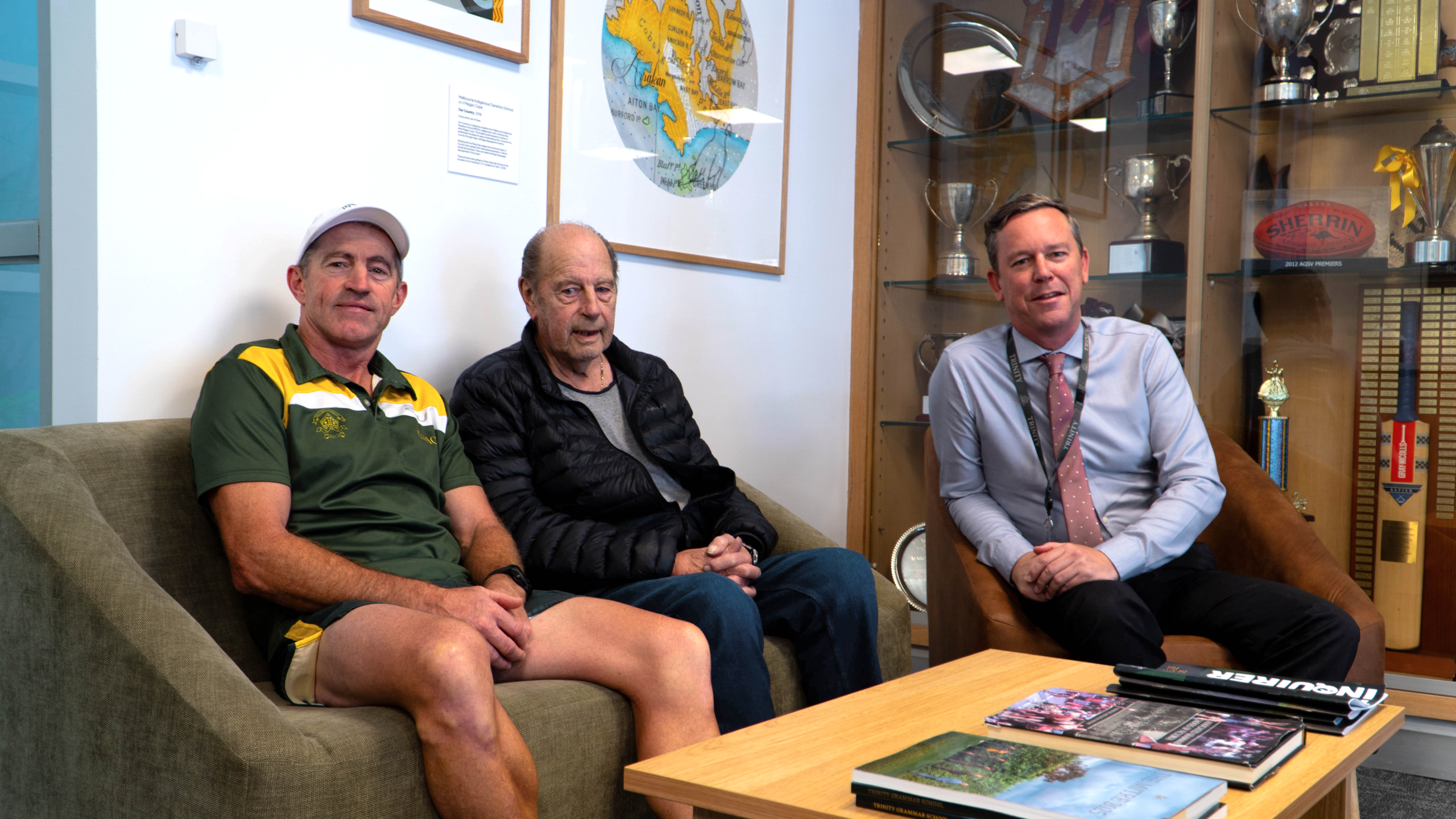
In conversation with Brendan Mahony, David Sanguinetti and Tristan Davidson
When you spend enough time at Bulleen, you start to collect stories.
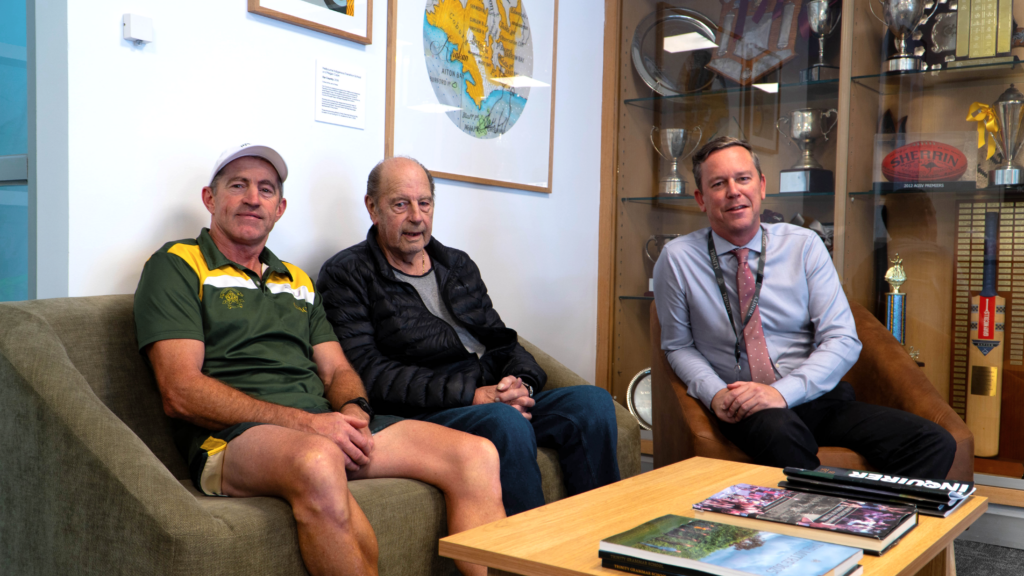
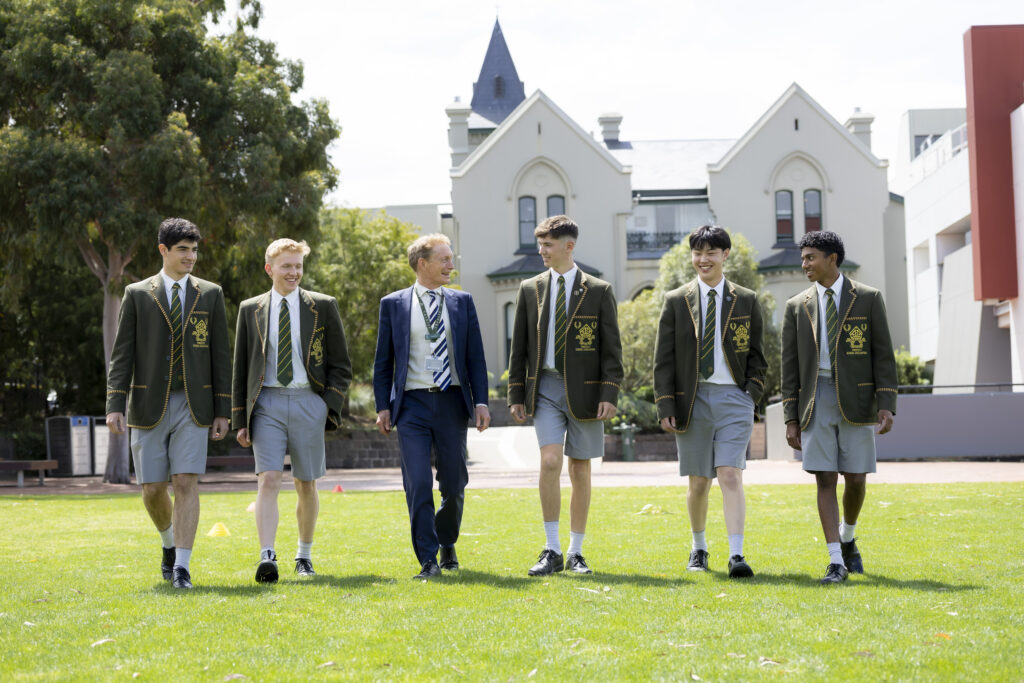
Over a cuppa, Tristan Davidson (Head of Finance and Head of Bulleen Campus), David Sanguinetti (former Senior Curator and now Caretaker of the Marles Playing Fields) and Brendan Mahony (Director of Sport) swap stories about Bulleen. Between them, they carry decades of memories of a place that has become central to Trinity life.
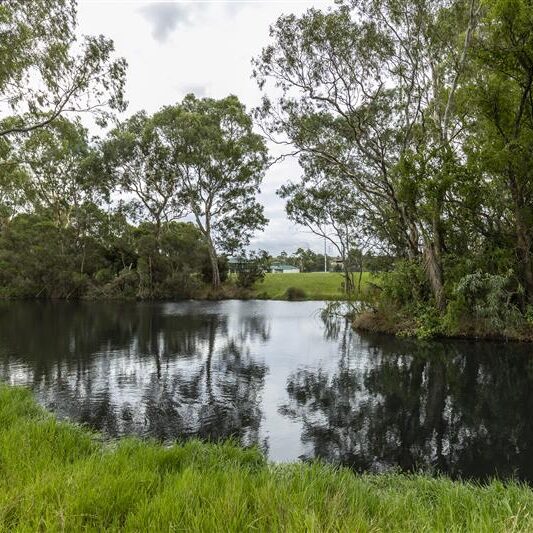
David: We had a fisherman who used to wander up to the dam to fish in the 1980s. One day he rushed over to me and said I should take a look at something and pointed out an object sticking out of the mud. It turned out to be a mortar bomb – and yes, the police and bomb squad had to be called.
Before Bulleen existed, what did Trinity sport look like?
David: Very different. We’d play at Victoria Park, Yarra Park or Severn Street. We were scattered across Melbourne.
When Bulleen came on board, it made a huge difference. The students were all in one place.
Brendan: Instead of teams travelling all over Melbourne to borrowed grounds, Trinity suddenly had a dedicated home for sport.
David: It gave the students ownership. It was their ground. Having one place for sport changed the experience for students almost immediately.
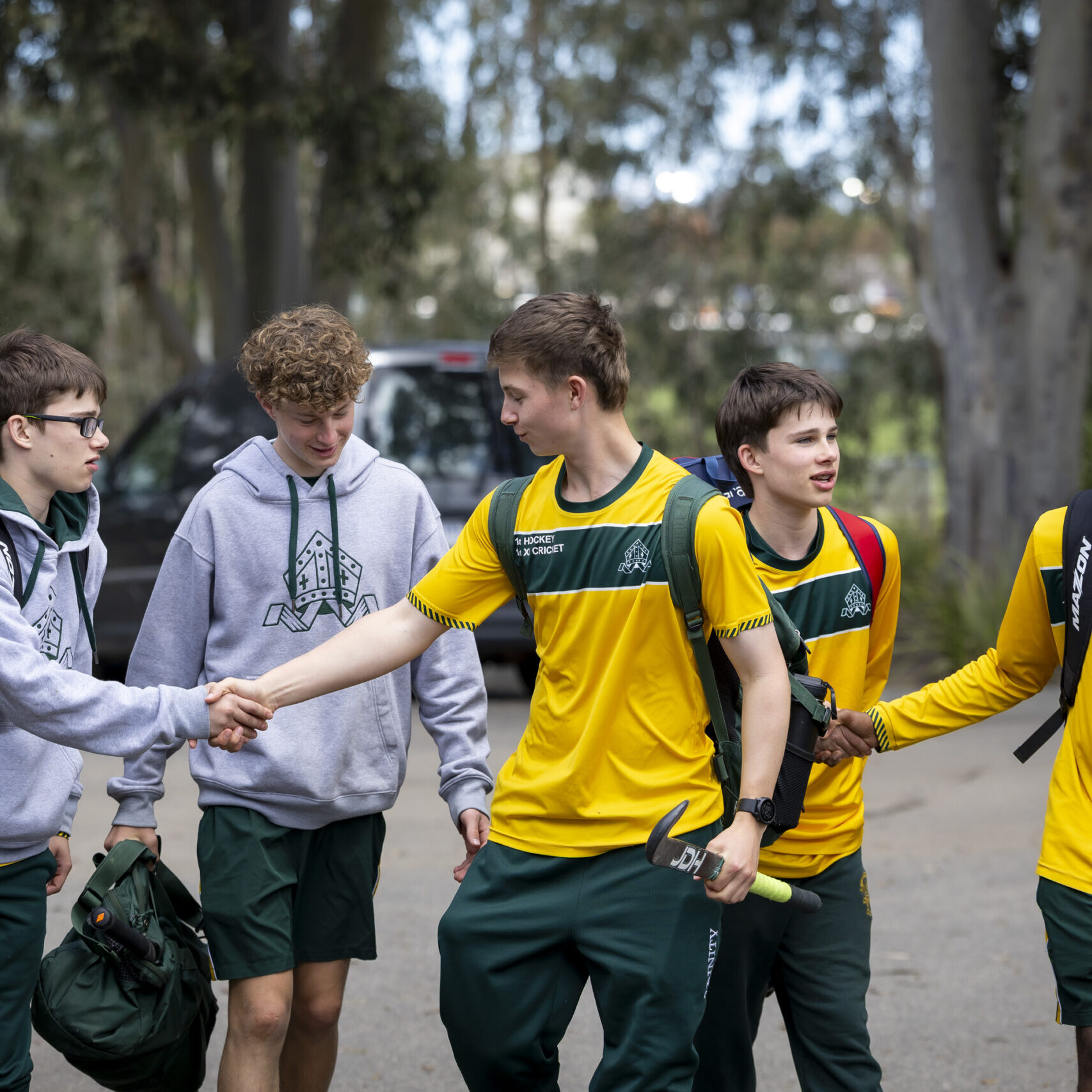
Tristan: You suddenly had students from different teams mixing together. Hockey players watching football, cricketers wandering over to tennis. It became something bigger than just individual teams.
David: It built camaraderie. It gave them confidence.
What makes Bulleen such a special sporting precinct?
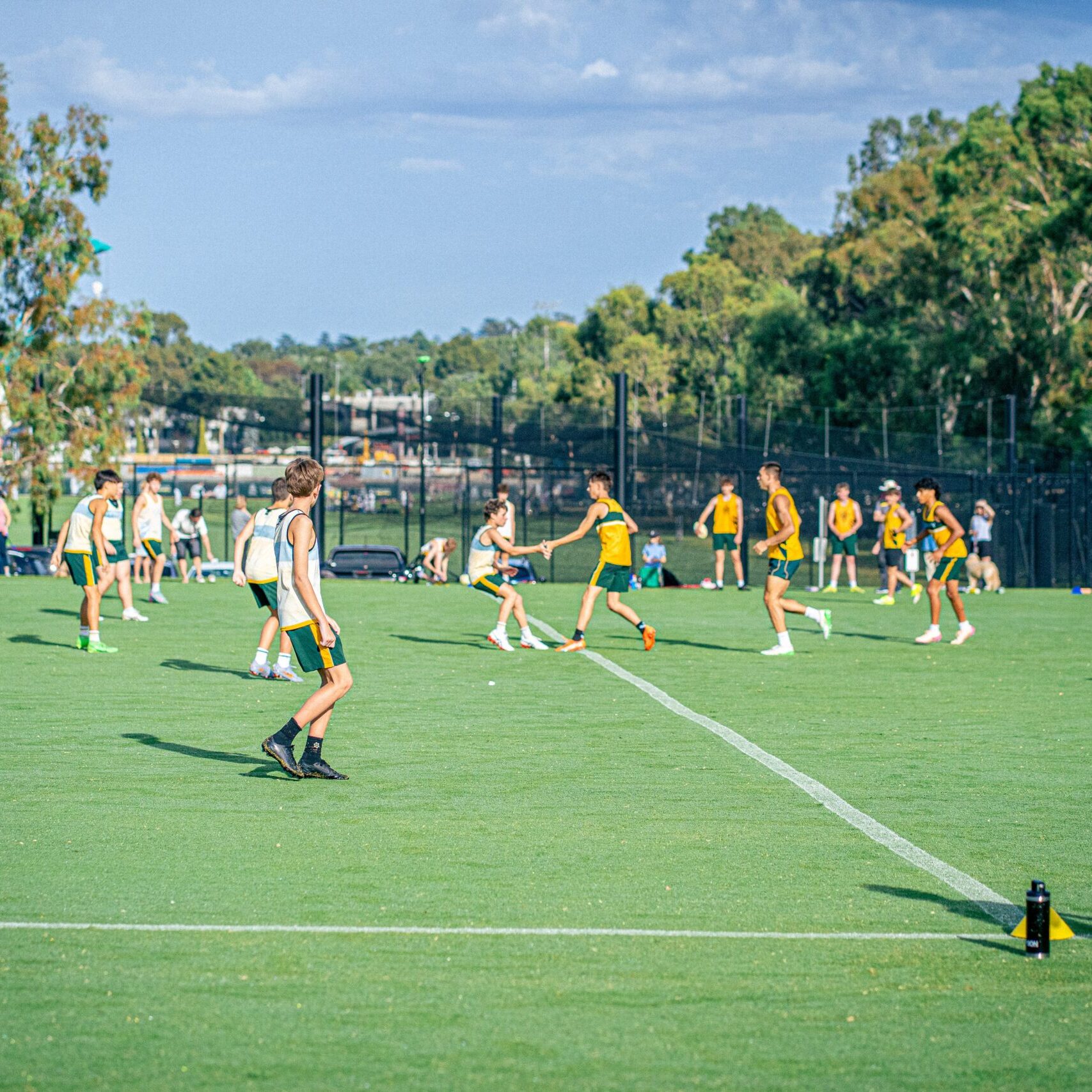
Tristan: The scale and quality. In the AGSV there’s nothing better. The way the grounds are laid out, how they’re maintained. There are very few schools who have what we have.
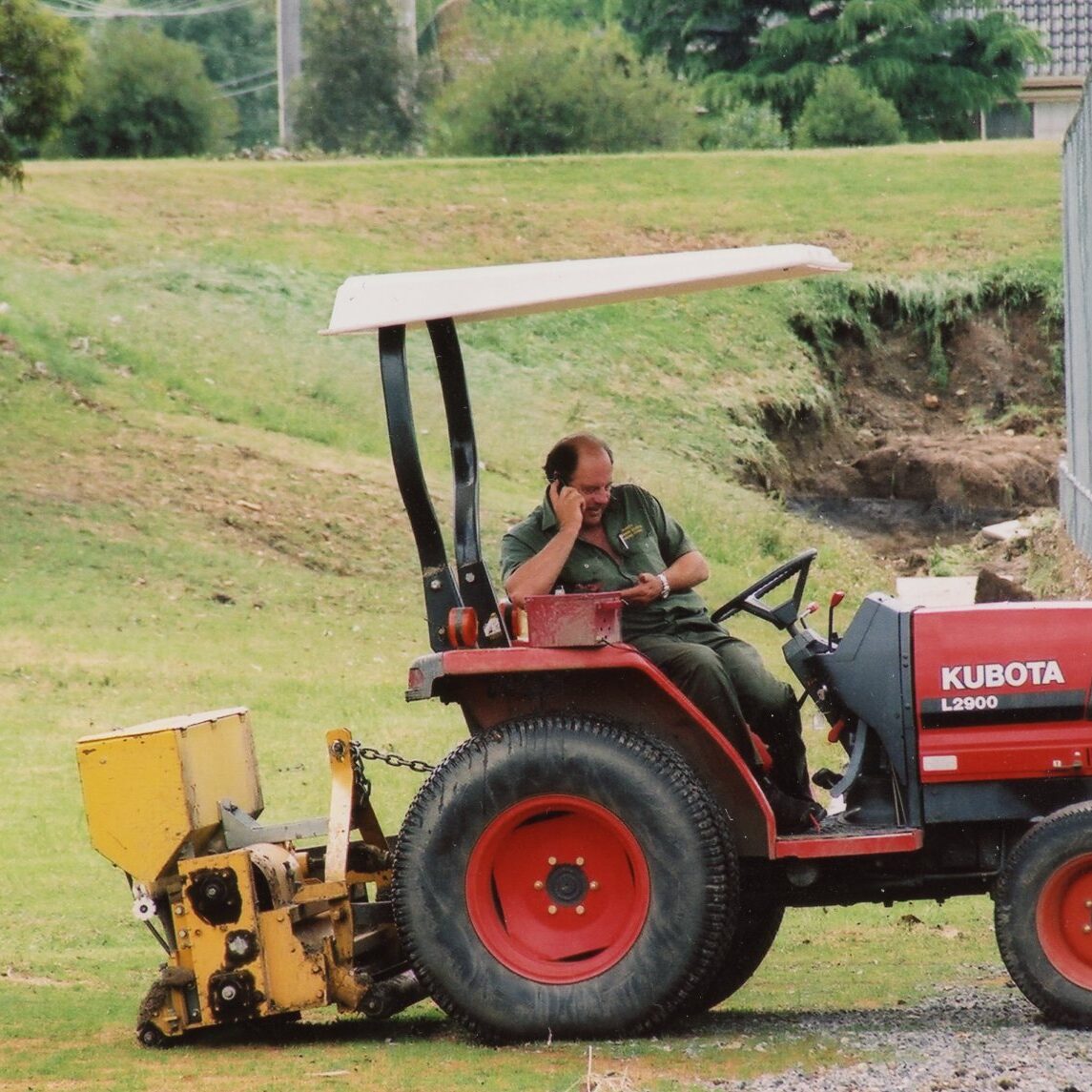
David: Andrew Gowers (Former Hawthorn AFL premiership player and Hawthorn President) came out once. He was coaching an opposing team. He said, “I’ve played on most grounds around Australia, and this is one of the best.” When you hear that after years of working on the fields, it means a lot. And sometimes the job gets unusual…
Tristan (shaking his head): You’ve got to walk around the fields before the teams arrive on Saturday morning and pick up whatever the foxes have left behind overnight! Over the years, Bulleen has also welcomed some unexpected visitors.
David: We’ve had professional teams, international squads – even the Argentinian national soccer team trained here. Messi was here; my wife got his autograph!
What are your funniest Bulleen stories?
Brendan (laughing): One of the funnier moments for me was when a well-meaning rugby coach decided to ride his bike straight across one of the ovals. The head groundsman jumped into the car and started chasing him across the field trying to stop him. It looked like something out of a comedy sketch!
Tristan: Sometimes the funny moments are the unexpected ones. Like the number of times people have managed to get their cars stuck in the car park after heavy rain and needed a tractor to pull them out.
How excited are you about the redevelopment of the pavilion?
Tristan: The new pavilion will be a big step forward. It will include modern change rooms, training spaces and a large function area overlooking the grounds. It will be the best pavilion for school sport.
Brendan: It’s about more than infrastructure. It will strengthen the sense of community. More parents will stay. More people will come together.
David: That’s really what Bulleen has always been about.
Since this article was written, we have learnt of the recent passing of David Sanguinetti. As one of the school’s longest-serving staff members, he leaves a lasting legacy within our community. He will be remembered with deep appreciation. Our heartfelt condolences go to his family and loved ones.