- Spring 2026
- |
- From the archives






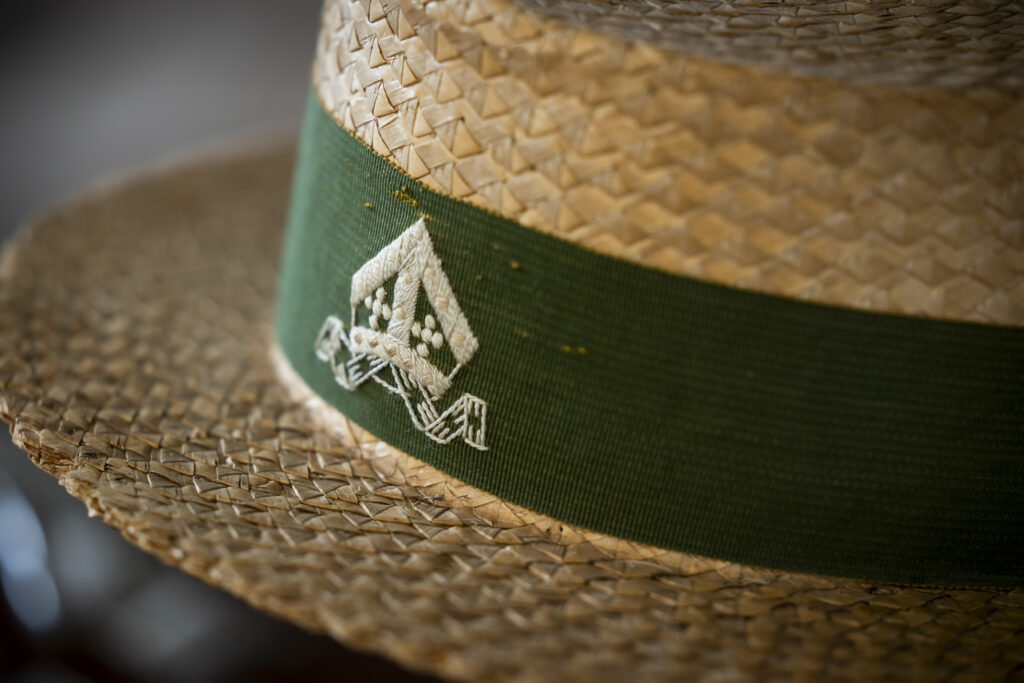
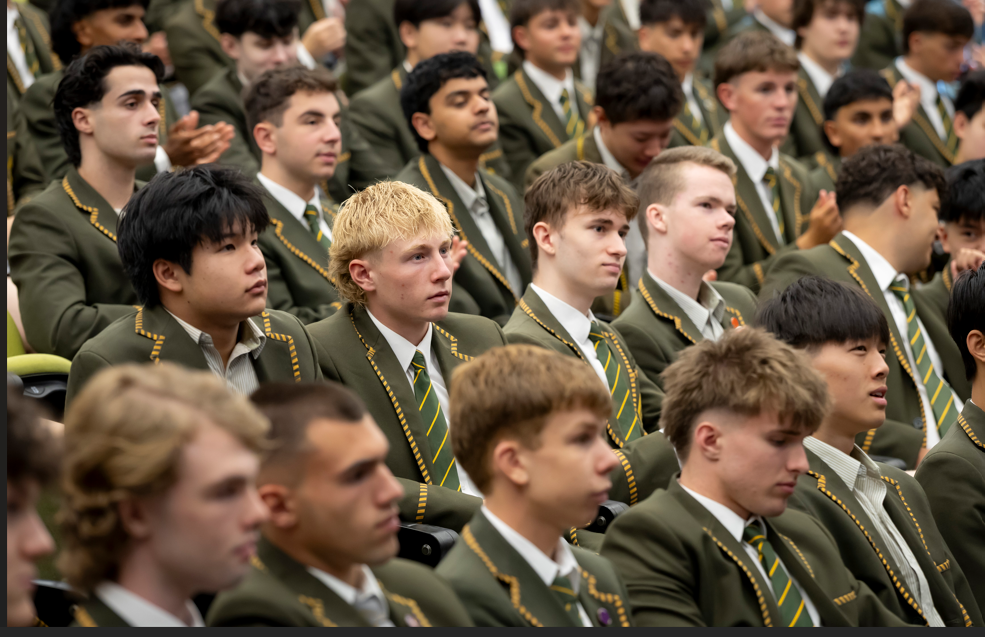
Trinity's Cadet Tradition
Maureen McAuley, Archivist
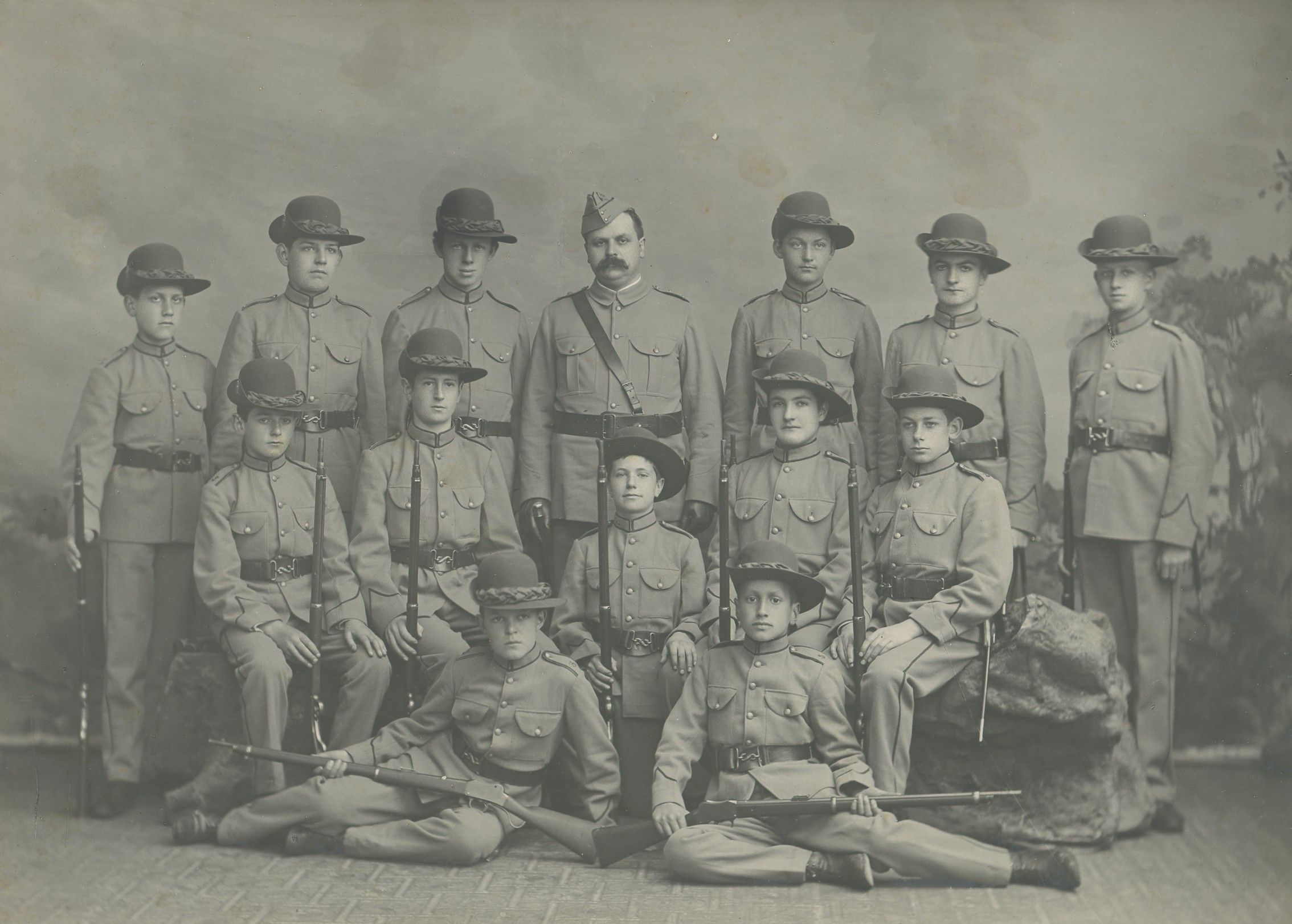
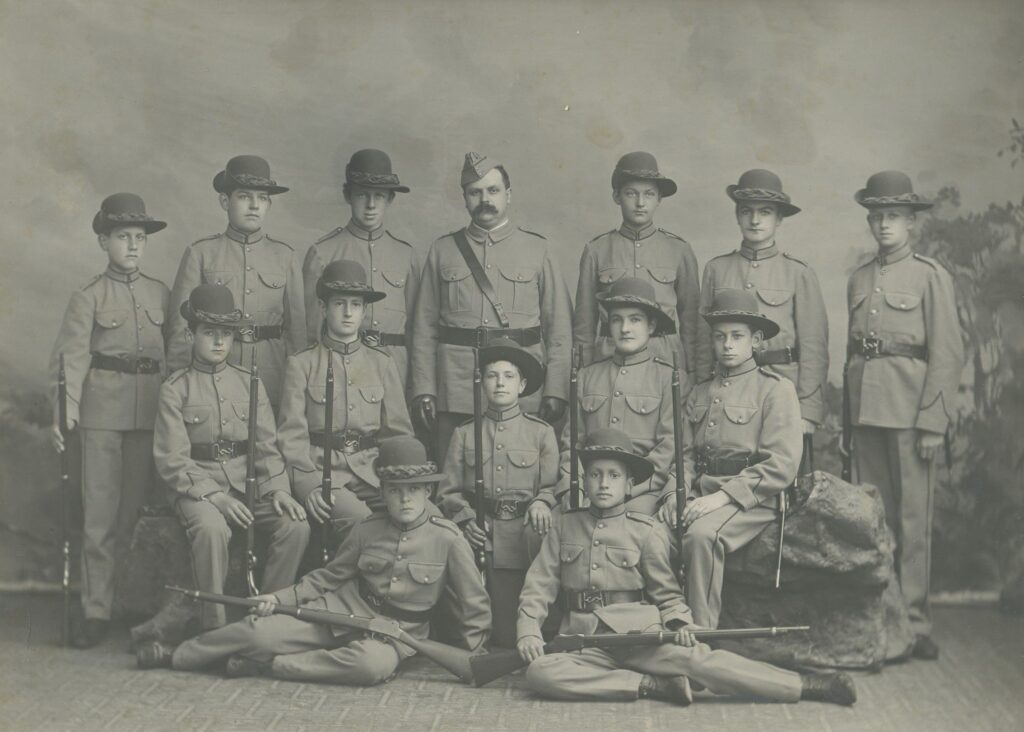
For much of Trinity’s early history, the Cadet Corps stood at the heart of school life. Established within a year of the school’s foundation, the Corps remained an important feature of Trinity across three separate periods before its final parade in 1947. More than simply a military activity, it was regarded as a vital means of developing leadership, discipline, character and service.
The Cadet Corps provided boys with a structured organisation of officers, NCOs and other ranks. Through this hierarchy, students learnt discipline, responsibility and leadership while participating in activities ranging from drill and rifle training to physical exercise and military competitions. Trinity cadets competed in battalion shooting competitions, route marches and represented the school at public parades and church services.
The significance of the Cadet Corps at Trinity is difficult to overstate. Membership was encouraged and considered as important as major sporting and academic pursuits: The Mitre regularly published “Cadet Notes” alongside reports on cricket, football and tennis. It was felt that cadet service fostered esprit de corps: a sense of pride, loyalty and belonging that strengthened the Trinity community. By 1909 Trinity Cadet Corps had the largest enrolment in the state.
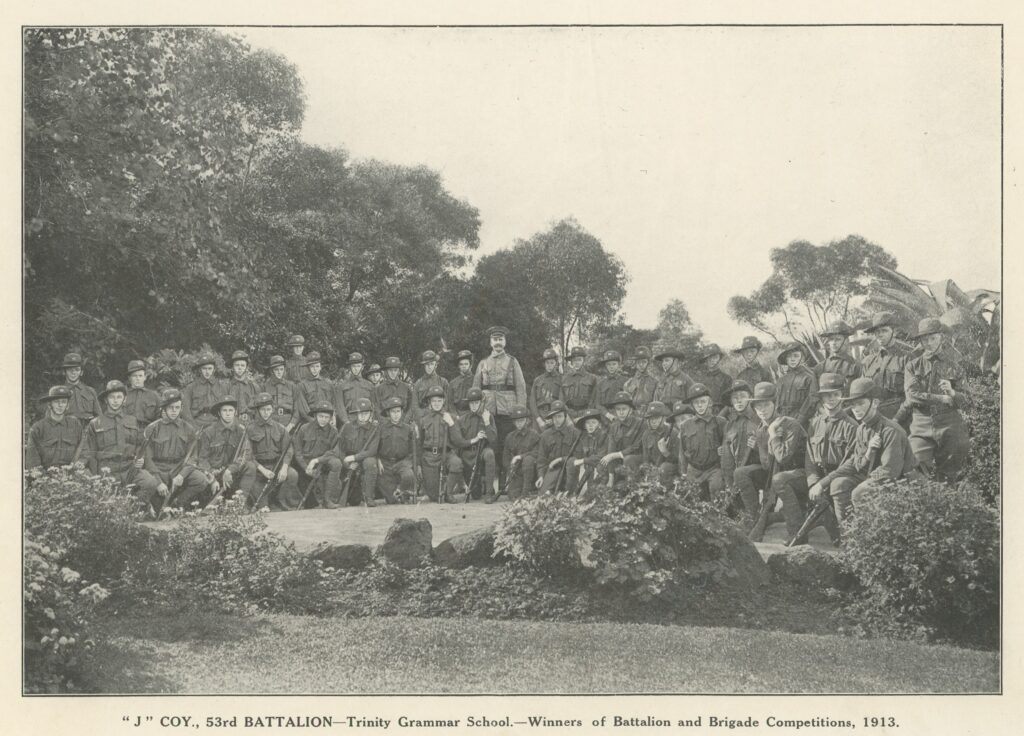
The changing fortunes of the Corps reflected wider community attitudes towards military service. Following the introduction of the 1911 Commonwealth Defence Act, cadet participation became compulsory for boys from the age of 12 and was promoted as a patriotic duty. However, after the First World War, public enthusiasm waned as Australians sought to put the horrors of war behind them. Junior cadets ended in 1922, Trinity’s rifle range was removed in 1925 and the senior corps was disbanded in 1928 when national compulsory military training was abolished.
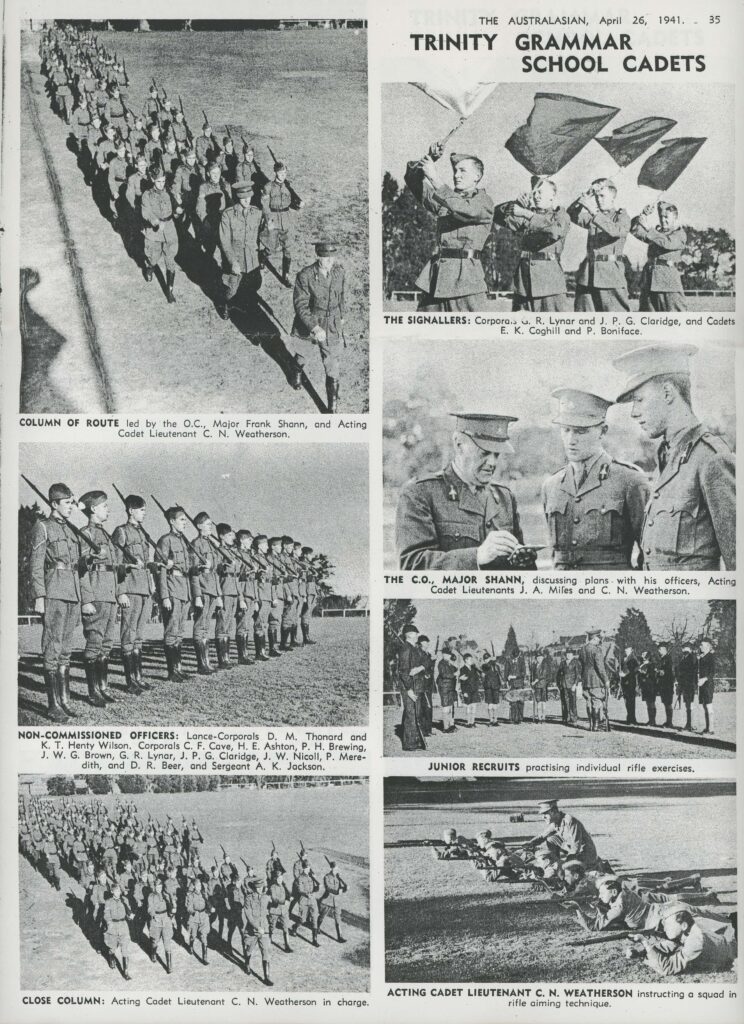
However, with the prospect of another global conflict emerging in the late 1930s, interest in cadets revived. Following representations from parents led by Major Wilfrid Kent Hughes, the School Council agreed to re-establish the Corps. By July 1940, 114 boys had enrolled and, with few staff available, Headmaster Frank Shann assumed command. Reporting on the new unit in December 1940, The Argus observed that,
“its formation has given a great
deal of satisfaction to the many
boys who desire to demonstrate
their willingness and their potential
capacity to serve.”
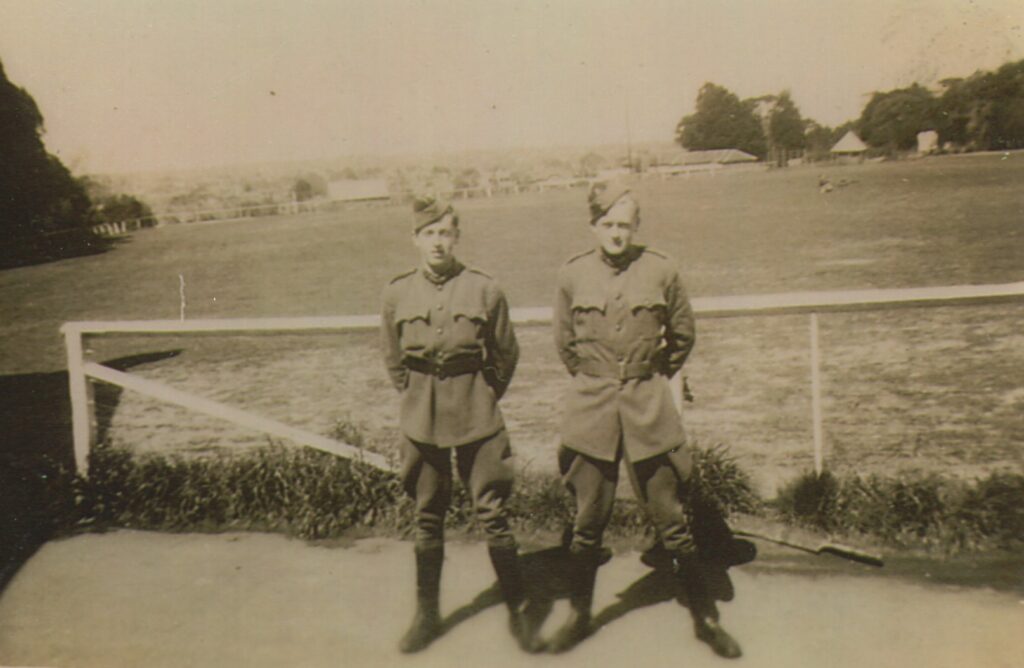
Wartime restrictions created challenges, but the Corps continued throughout the Second World War and saw many members graduate to serve their country, as their predecessors had done in the Great War. When peace returned, interest again declined and the cadets were disbanded for the final time in 1947.
Nearly 80 years have passed since the Cadet Corps trained on the school oval, yet it left a legacy; helping to shape generations of Trinity students through leadership, citizenship and service to school, community and country.
Archives Acknowledgements
Trinity Archives would like to thank the following for their donations to our collection:
Robin Smead (OTG 1959) Treen tray made in class in Form Lower IVa Peter Beer (OTG 1976) Photographs, sports ribbons and speech night program
Stefano Martini (OTG 2000) School soccer and OTGSC photographs
Janet Heffernan Copies of The Mitre from two generations of the Hedding family: Alan (OTG 1914), Bob (OTG 1942), Bruce (OTG 1944) and Kenneth (OTG 1949)
Felicity Turnbull
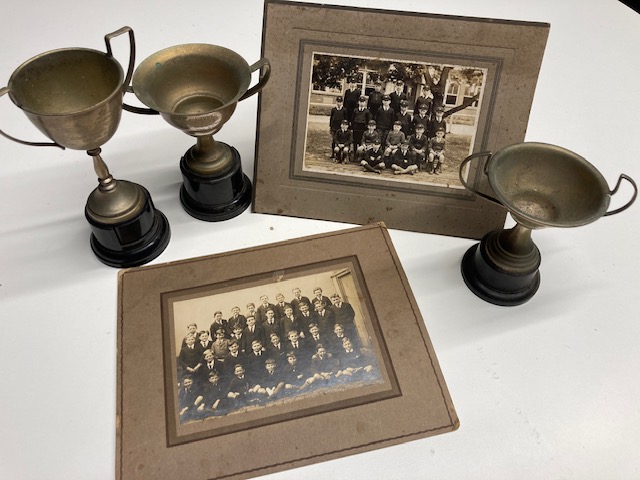
Sports trophies and photographs belonging to John Trotter (OTG 1940)
Trotter J (OTG 1940) sports trophies & photos