
- Spring 2026
Student Insider
Reflections from our Digital Media Captains
Adtharsh, Alex, Jerrard and Timothy
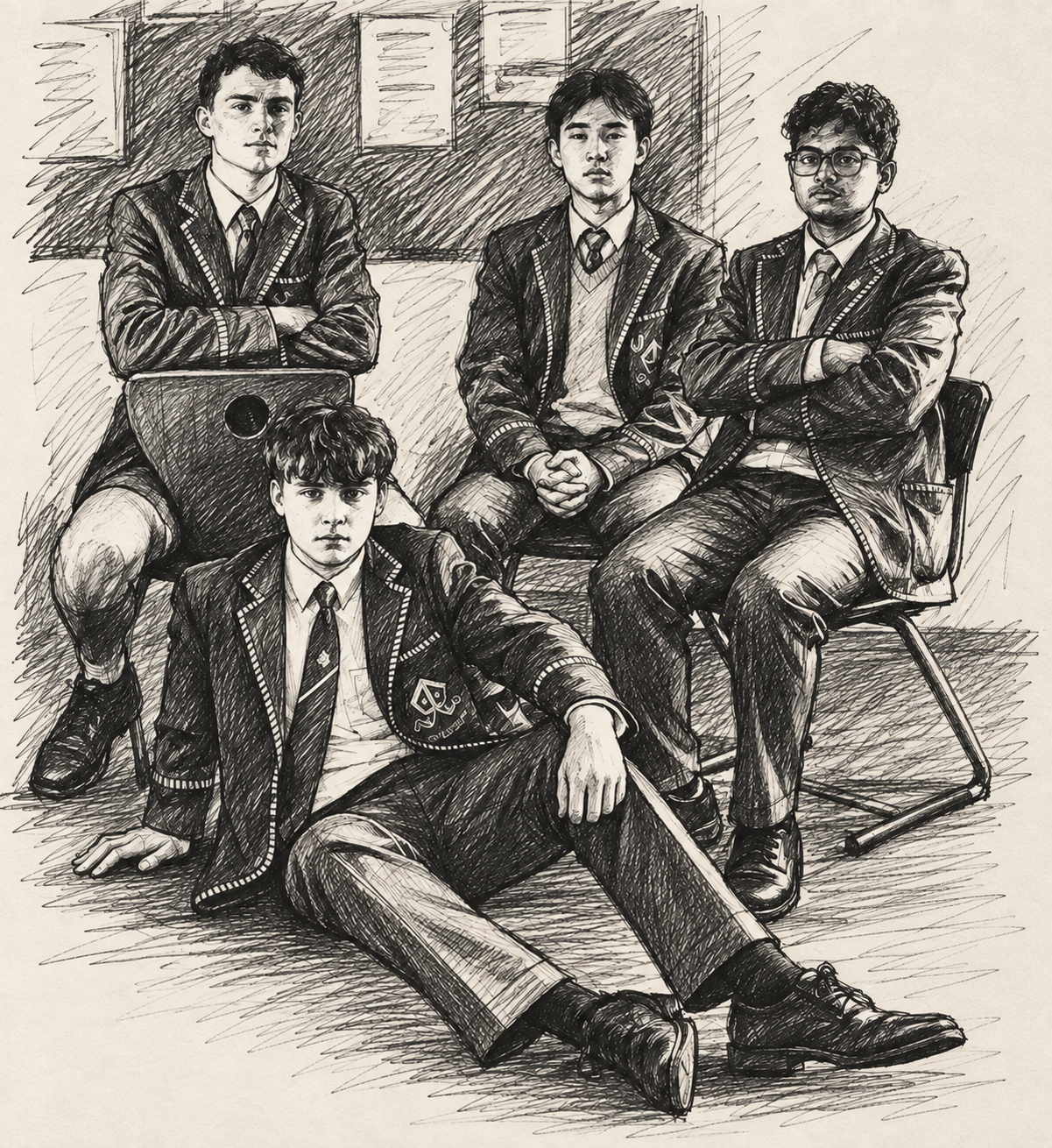
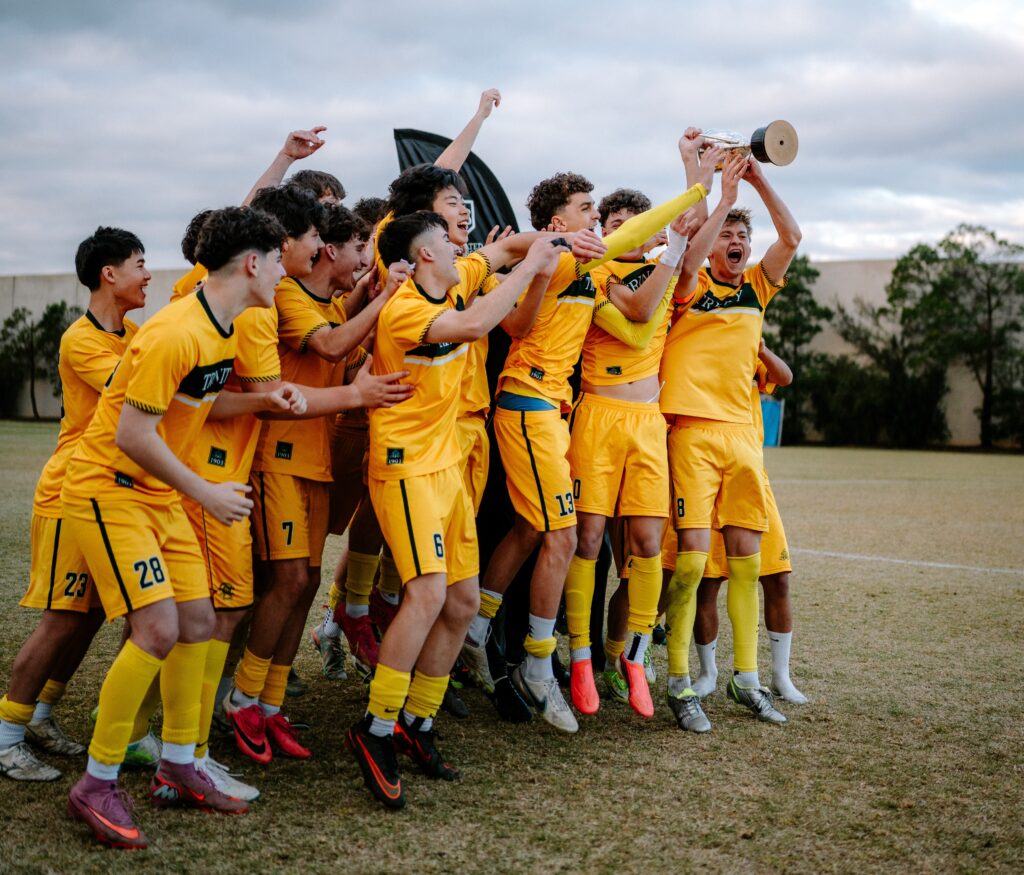
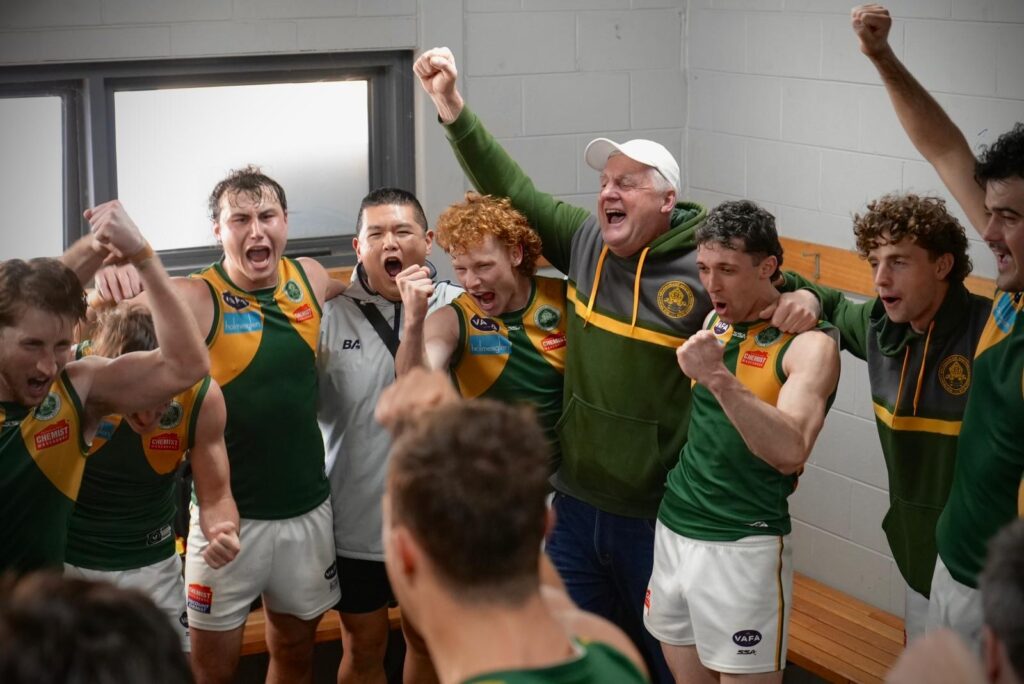
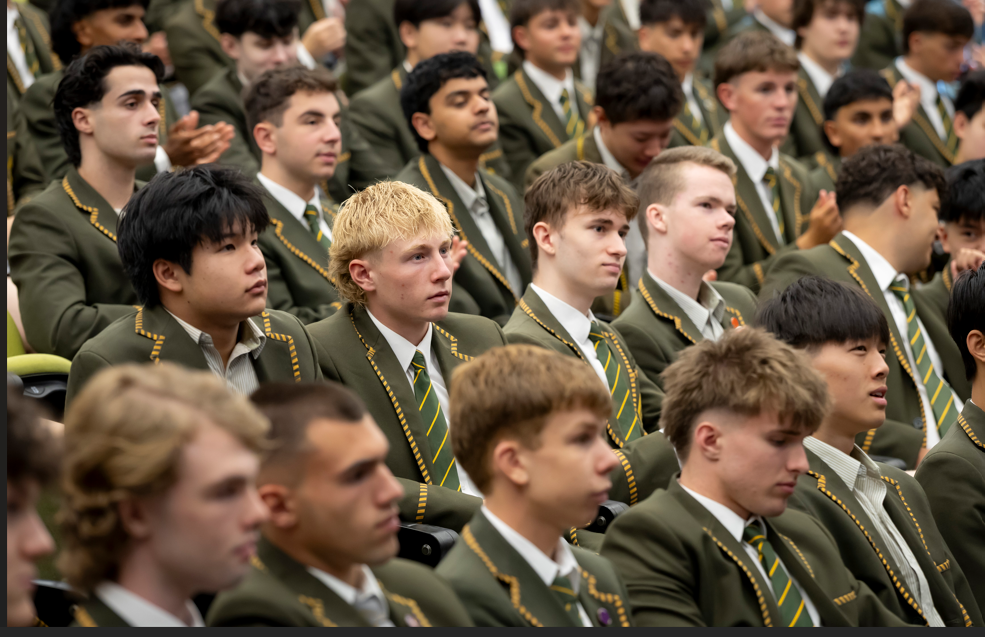
In our lives, we often look at the big things. The achievements we see as markers of our worth, our performance if you will. And ultimately, what we will be remembered for. And yes, in Roxeth, our student-led newsletter, we’ve featured the finals of our basketball, soccer and footy finals, where the whole school came together in support; the House Performing Arts Festival (HPAF), where months of hard work culminated on stage; and countless other achievements worth celebrating… But over the course of this year, some of the best parts of student life have been found in everything surrounding those moments.
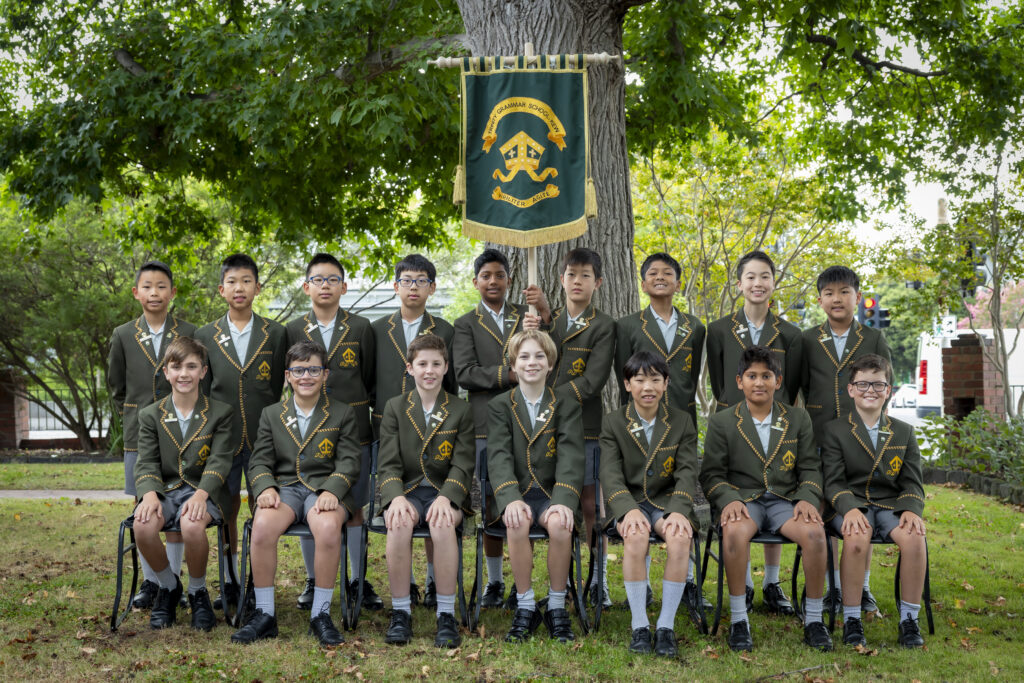
At the Maths Games Days, Trinity students achieved outstanding results, with our Year 7 team placing third overall and our Year 8 team being crowned champions. At the Battle of the Books Competition, ten students combined their knowledge to finish third, narrowly behind Scotch and MLC. Throughout the year, students have represented the school across sport, debating, music, competitions and countless other activities, contributing to the wider Trinity community in diverse ways.
Yet what often goes unnoticed is what makes these achievements possible.
It is the teammate who stays behind to help pack up, ensuring that they maintain the perfect conditions for everyone to thrive. The older student who gives advice to someone competing for the first time. The friend cheering louder than anyone even though they are not the one receiving the medal. It is students and staff giving up lunchtimes for rehearsals, training sessions, meetings and causes they care about, often without expecting recognition in return.
Perhaps that is what contributing to something greater than ourselves actually looks like at school. It does not always require a grand gesture. More often, it is simply choosing to participate, to help and to care about the people around us.
Working on Roxeth gives us a particularly interesting view of this. Every week, our inbox fills with stories from across Trinity: achievements worth celebrating, certainly, but also examples of students volunteering, creating, competing, performing and supporting one another. Individually, they can seem like small snapshots. Put together, however, they tell a much bigger story.
School is ultimately a community that we inherit for only a few years. What makes it meaningful is what each of us chooses to add to it while we are here.
And judging by what we have had the privilege of documenting lately, Trinity students have been adding quite a lot.
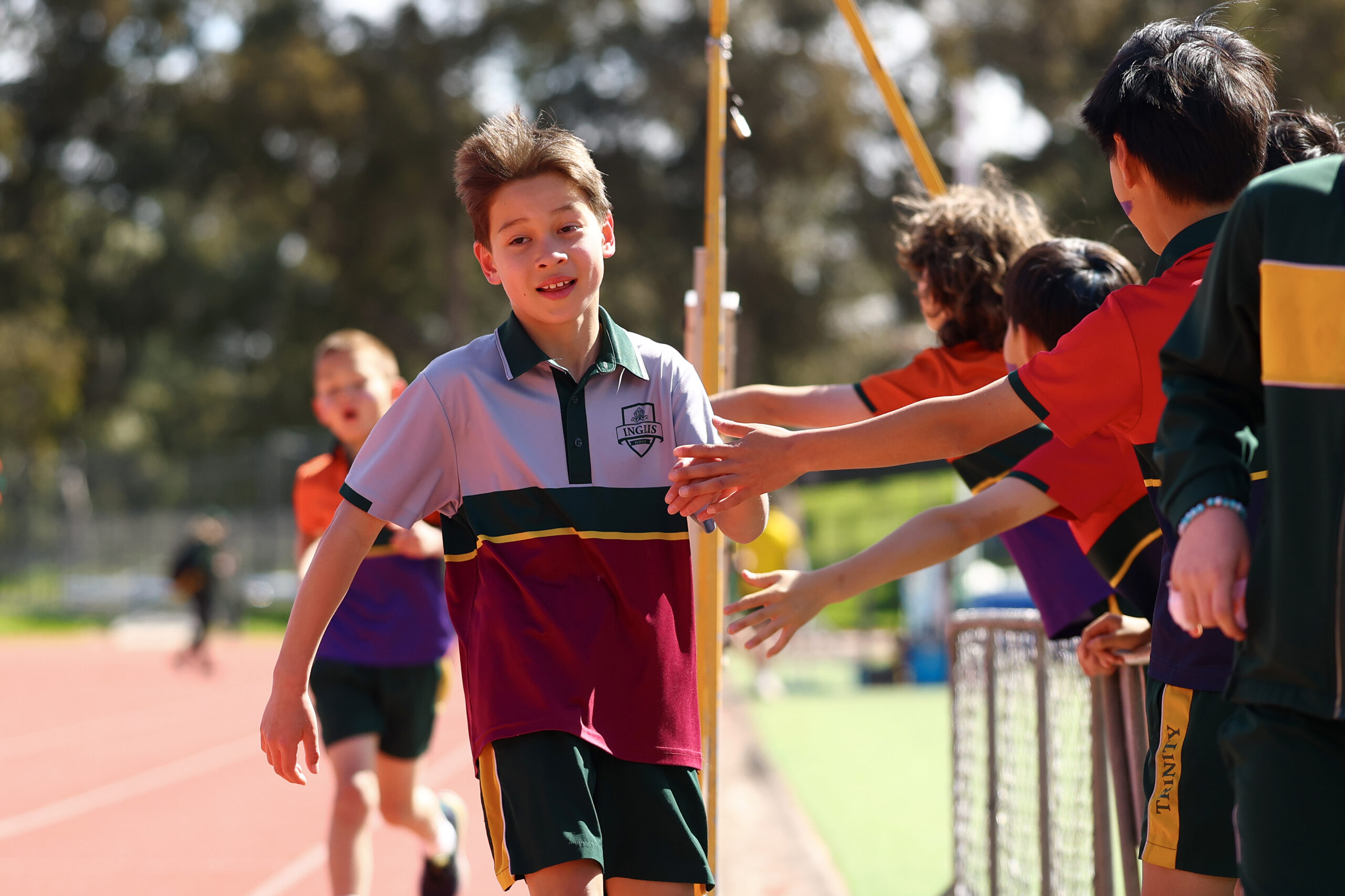
What a day at our Years 3–6 House Athletics Carnival! There was plenty of energy as students ran, jumped and threw their way throughout the events with enthusiasm, determination and plenty of House spirit.
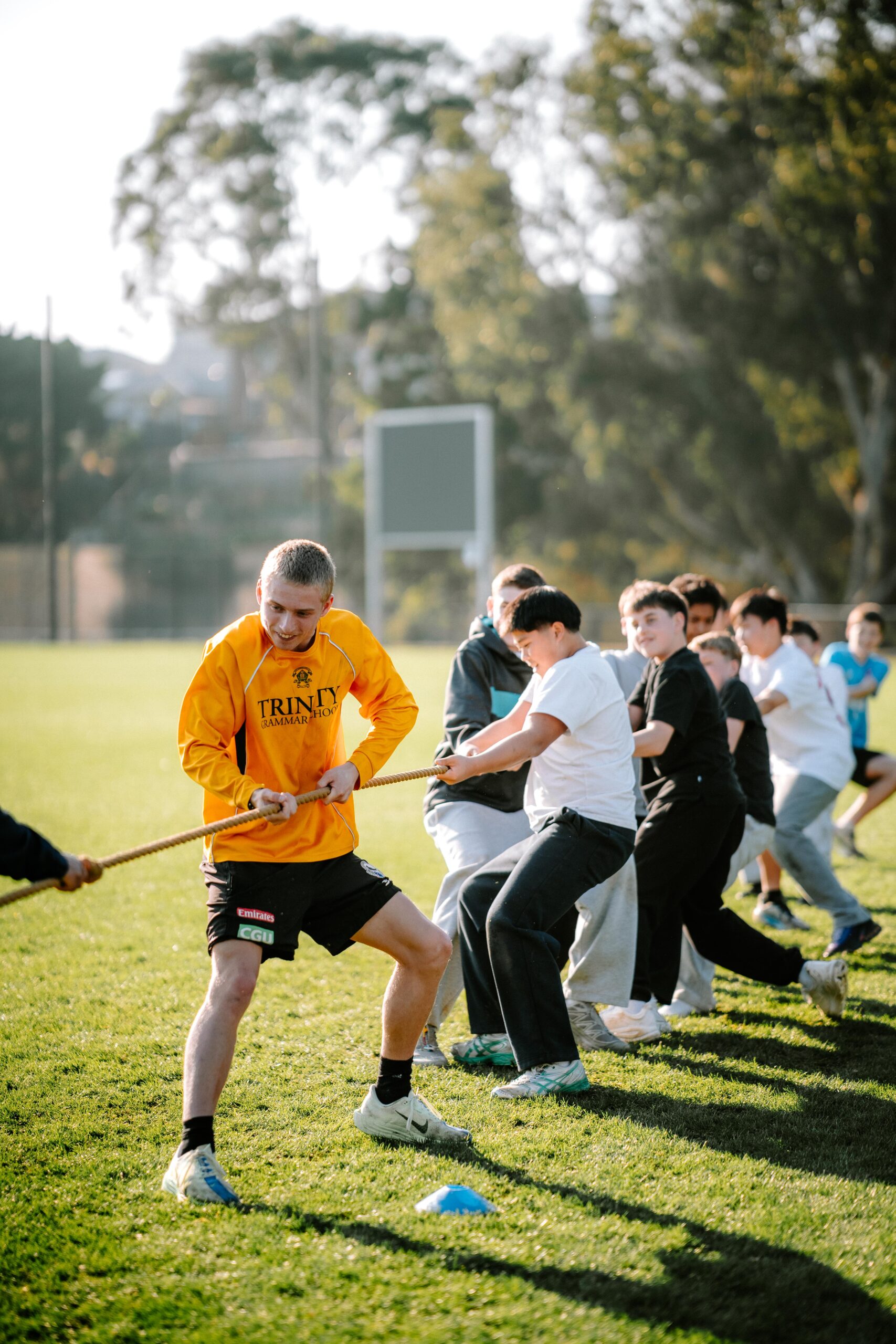
Learning Journeys, a special Trinity experience focused on connection, growth and support for one another.
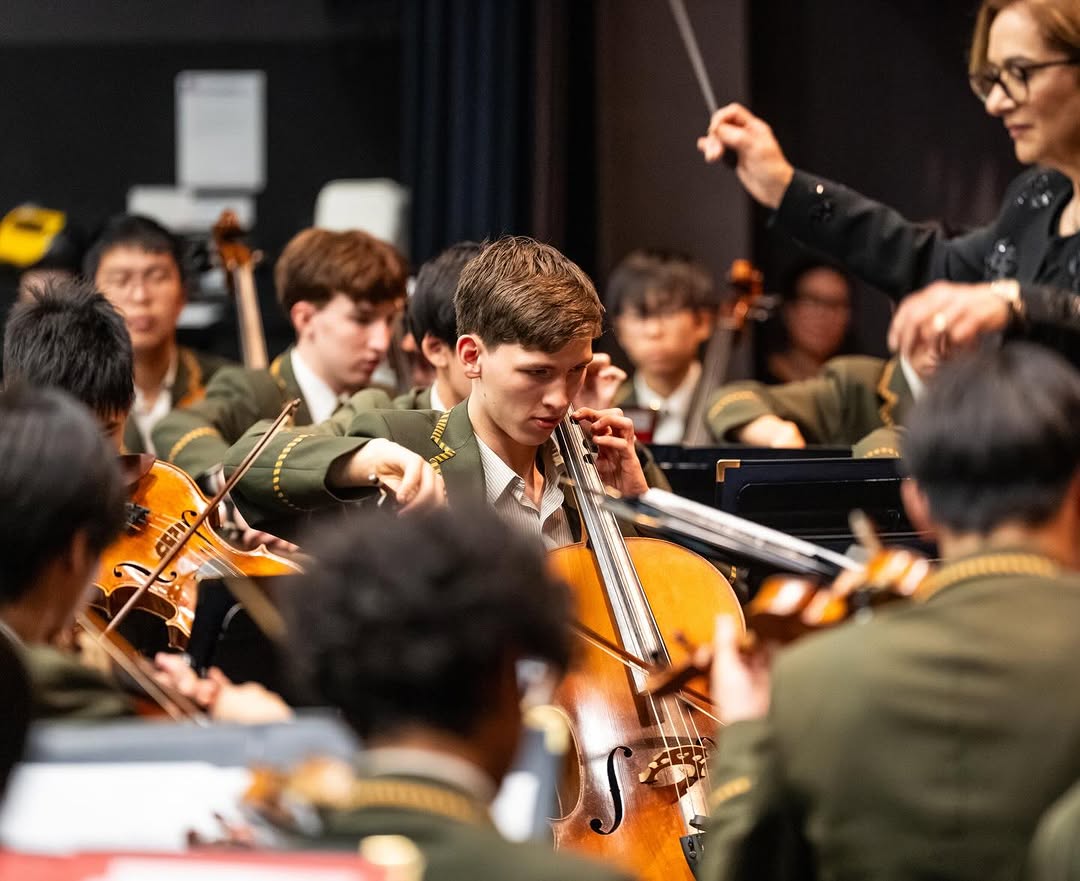
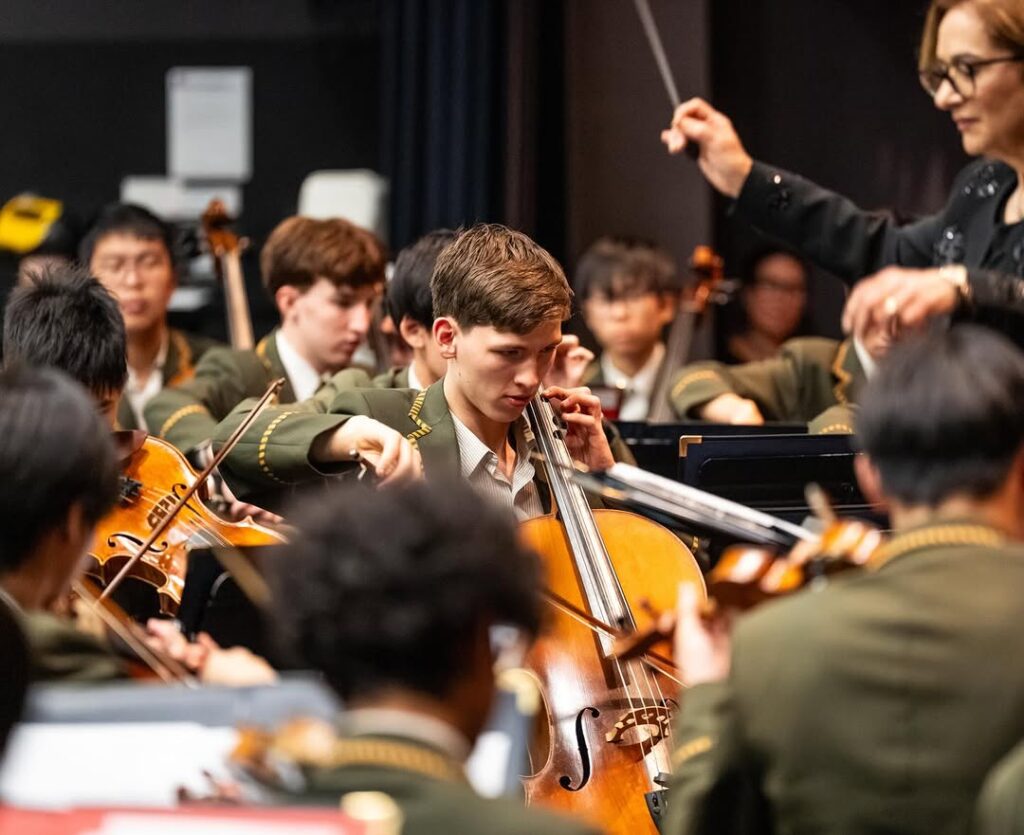
The Trinity Jazz Night brought together our talented student ensembles for an evening of outstanding live music, set against the stunning Melbourne city skyline.
From Junior Jazz and Trintones through to Big Band and Stage Band, the night showcased the depth and energy of jazz at Trinity.
Hayley Galloway, Development Manager
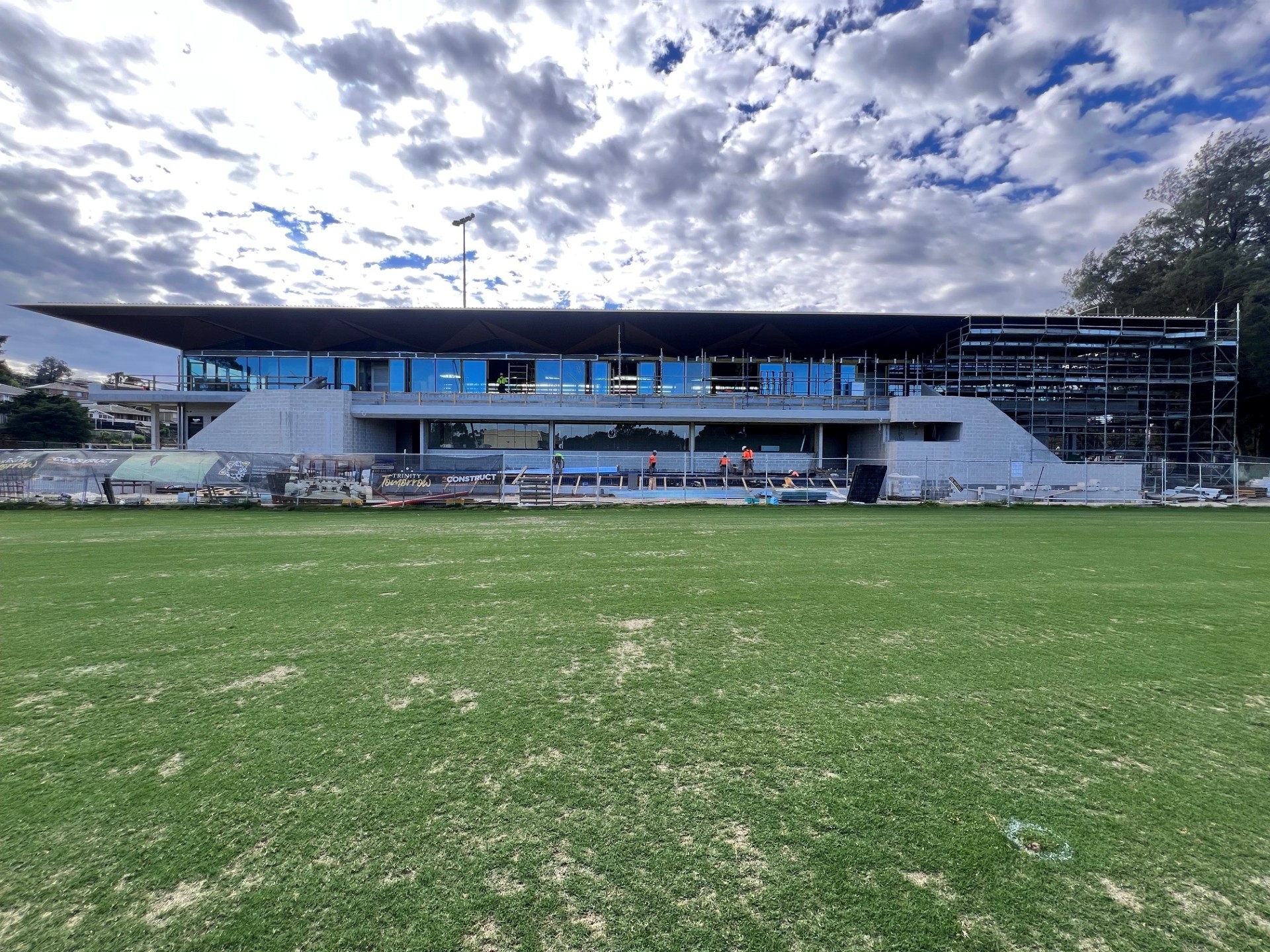
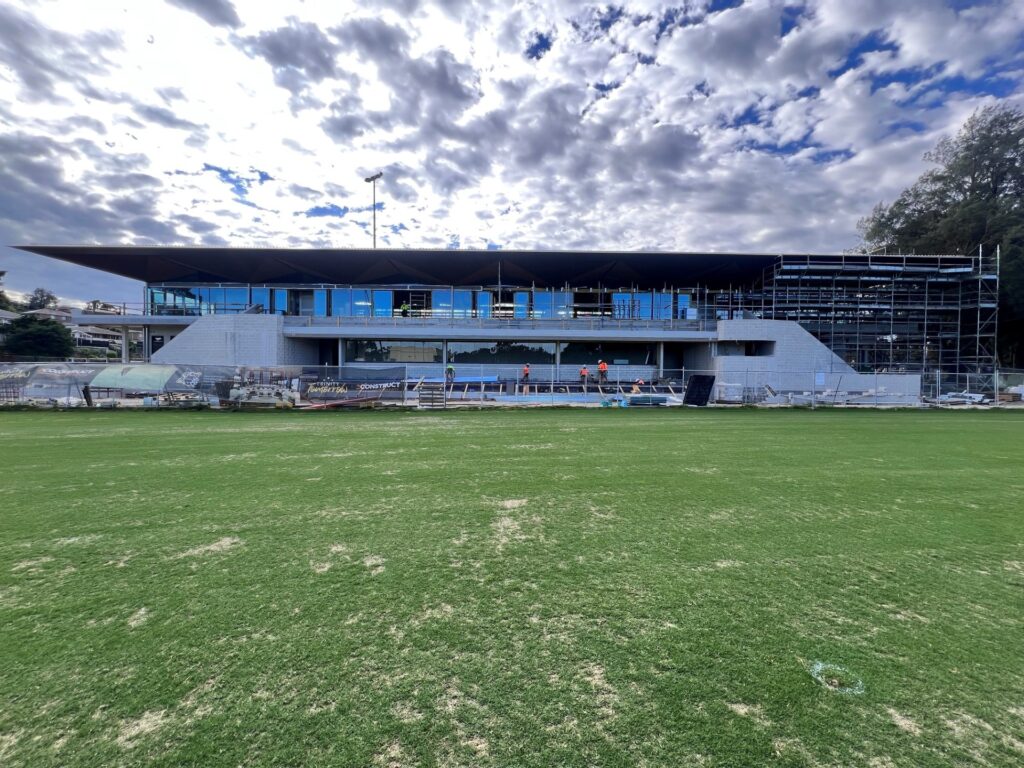
For generations of Trinity families, the Marles Playing Fields have been a place for sport, connection and shared memories.
The Trinity community has the unique opportunity to leave its mark on the new Bulleen Pavilion, with the Name a Seat campaign proving a wonderful success.
Launched to the wider Trinity community in August, the campaign invited current families, OTGs, friends, current and past staff, and supporters to name a seat in the new pavilion. Creating a lasting connection to the newly developed pavilion that will serve generations of Trinity students and the wider community.
With 400 seats available, the response has been remarkable. Within the first week of the public launch, more than 80% of the seats had been named, with the community quick to choose their preferred location on the Daley or Hudson side of the ovals and create personalised messages of dedication. The campaign has continued to build momentum, with seats dedicated to families, friends, loved ones, past students, and other significant Trinity connections.
From simple messages of family pride to tributes recognising years of involvement with the school, the plaque naming has already begun to tell the story of the many people who make up the Trinity community.

What has struck me most about the Name A Seat campaign is the incredible support and connection we have seen across our community.
Long-standing members of the Trinity family, alongside those who are newer to our community, have embraced the vision for this project and wanted to be part of it. Through many conversations, it has become clear that naming a seat is a meaningful way to honour a connection, celebrate a memory and leave a lasting legacy. This project has reinforced not only the rich history of our school, but also the evolution of Trinity and the exciting future we are building together. I encourage anyone who has not yet participated to consider being part of that story.
– Clint Hillas (OTG 1996)

At the centre of the Marles Playing Fields is the pavilion. An important part of Trinity’s future, providing a space to gather, connect with and support our young people. Through the Name a Seat campaign, members of our community have the opportunity to become part of that future in a very tangible way.
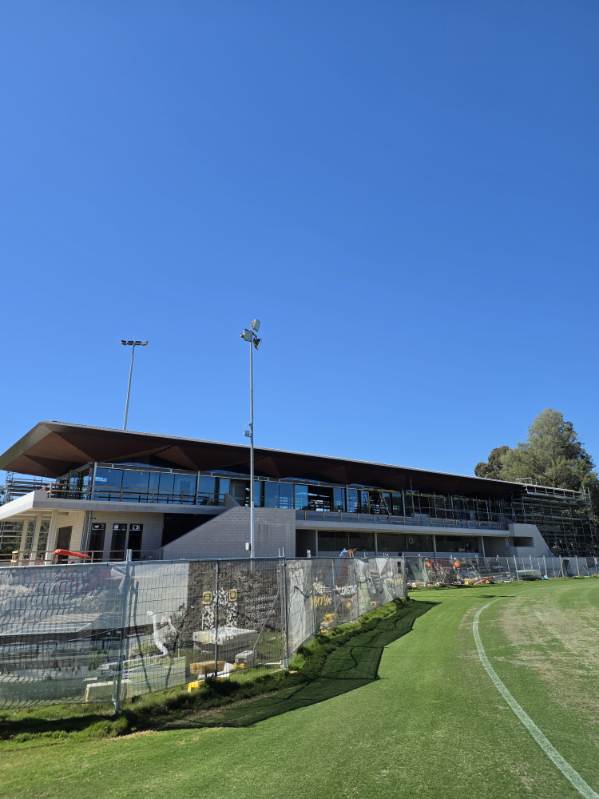
Official opening
We are also delighted to announce the official opening of the Bulleen Pavilion will take place in early 2027.
The opening will mark an exciting milestone for the project and provide an opportunity for the Trinity community to come together and celebrate the completion of this significant new facility. Further information will be provided closer to the date.
Final Seats Available
There are now only a limited number of seats remaining in the Name a Seat campaign. Once all 400 seats have been dedicated, the opportunity will close.
If you have been considering naming a seat, now is the time to secure your place in the pavilion and create a lasting message for your family, loved ones or your Trinity connection.
Visit nameaseat.trinity.vic.edu.au to view the remaining seats and make your dedication.
We look forward to seeing the names and stories of our community become a permanent part of the Bulleen Pavilion.
I invite you to discover more about how you can support the campaign for Bulleen, Trinity Tomorrow, in the Impact of Giving Report.

All together we make a difference
Oscar, Captain of Faith and Outreach
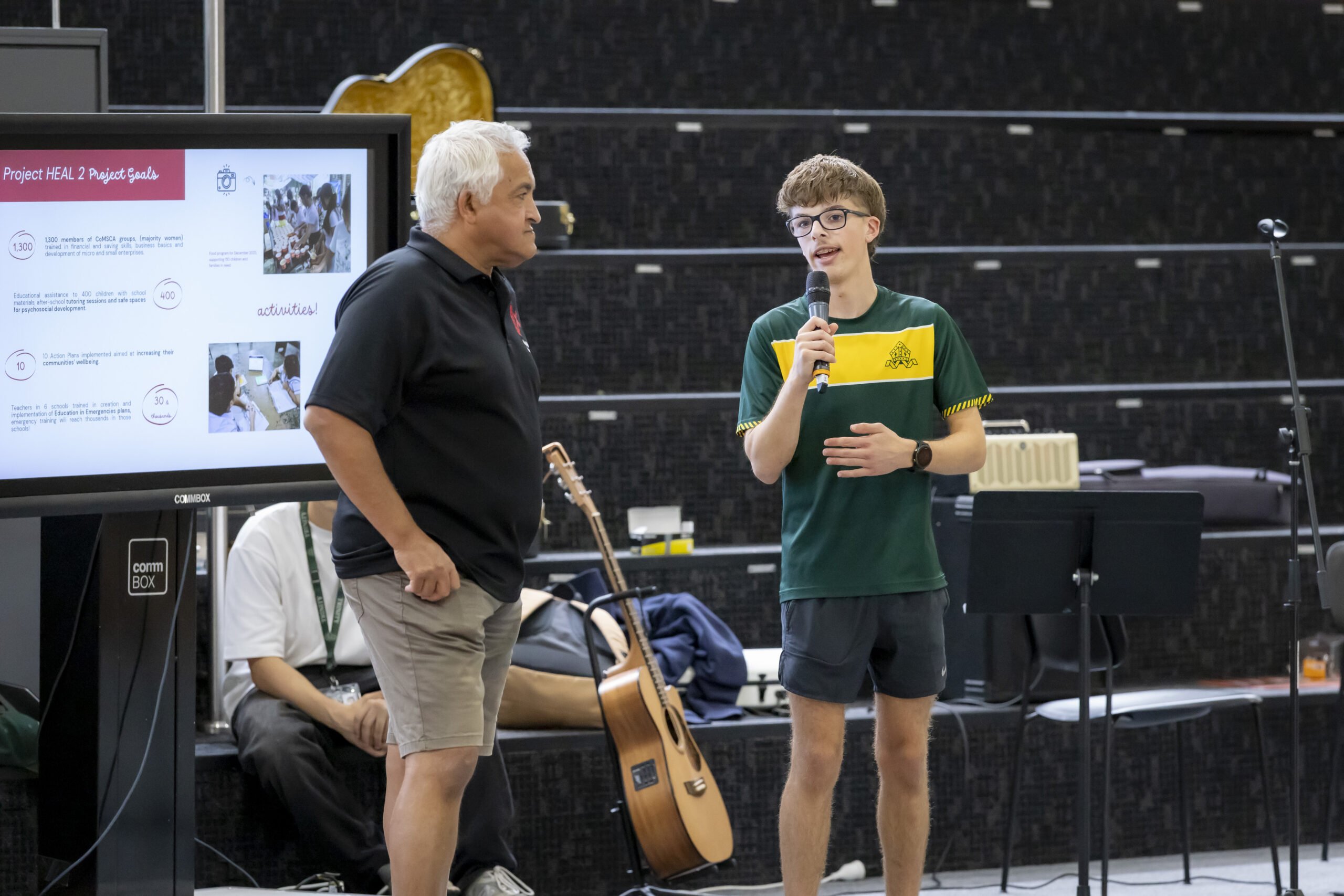
This year, I have been fortunate to serve as Captain of Faith and Outreach, a role that has given me countless opportunities to experience what it truly means to serve others.
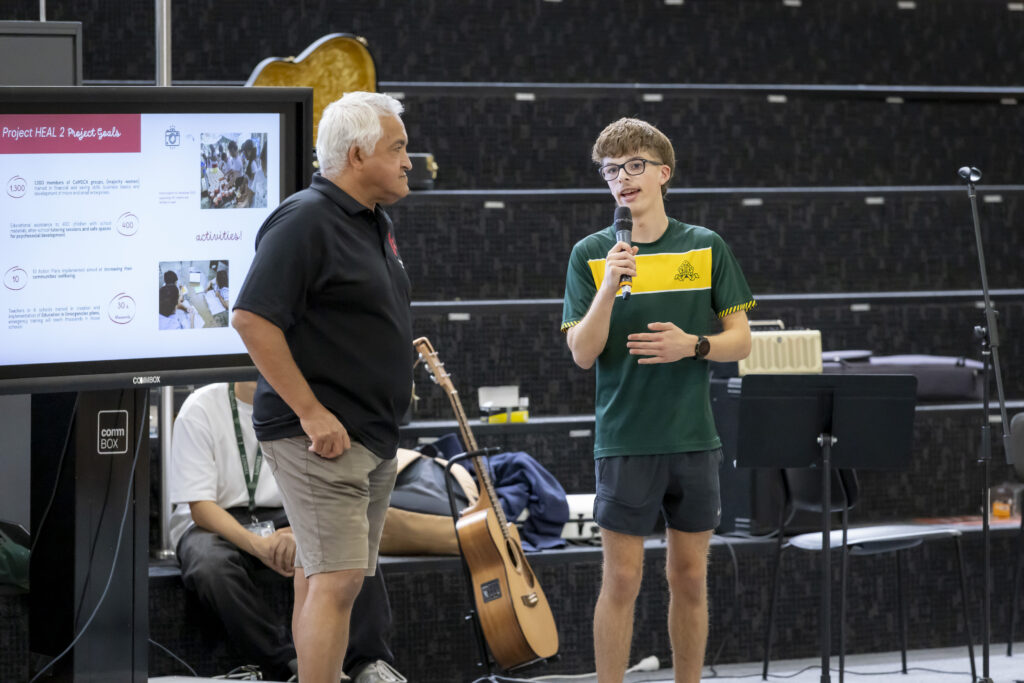
One of the ways I have been able to do this is through Harambee, Trinity’s community outreach program. A Swahili word that loosely translates as “all together we make a difference”, Harambee captures the idea that when we unite around a shared purpose, our collective efforts can create meaningful change. From leading weekly Friday morning meetings with students from Years 7 to 12 to helping organise Harambee Sundee, our major annual fundraising event supporting our outreach programs, I have seen this spirit of Harambee come to life. These experiences have reminded me that even small individual contributions can become something much greater when we work together.
One experience has stayed with me above all. Last year, during the Philippines Immersion, I visited local schools and communities we support the charities International Needs Australia and Vineyard. I remember being invited into the home of a mother raising four children in a small house, with beds on the floor and few possessions to speak of. Her husband worked all day, every day, to provide for his family. What struck me wasn’t the hardship; it was the hope and determination they carried despite it, and how genuinely friendly they were to us, virtual strangers stepping into their home. That experience taught me that the impact of our support isn’t measured by how much we give, but by the difference it makes in someone’s life. It also challenged me to reflect on how much I take for granted.
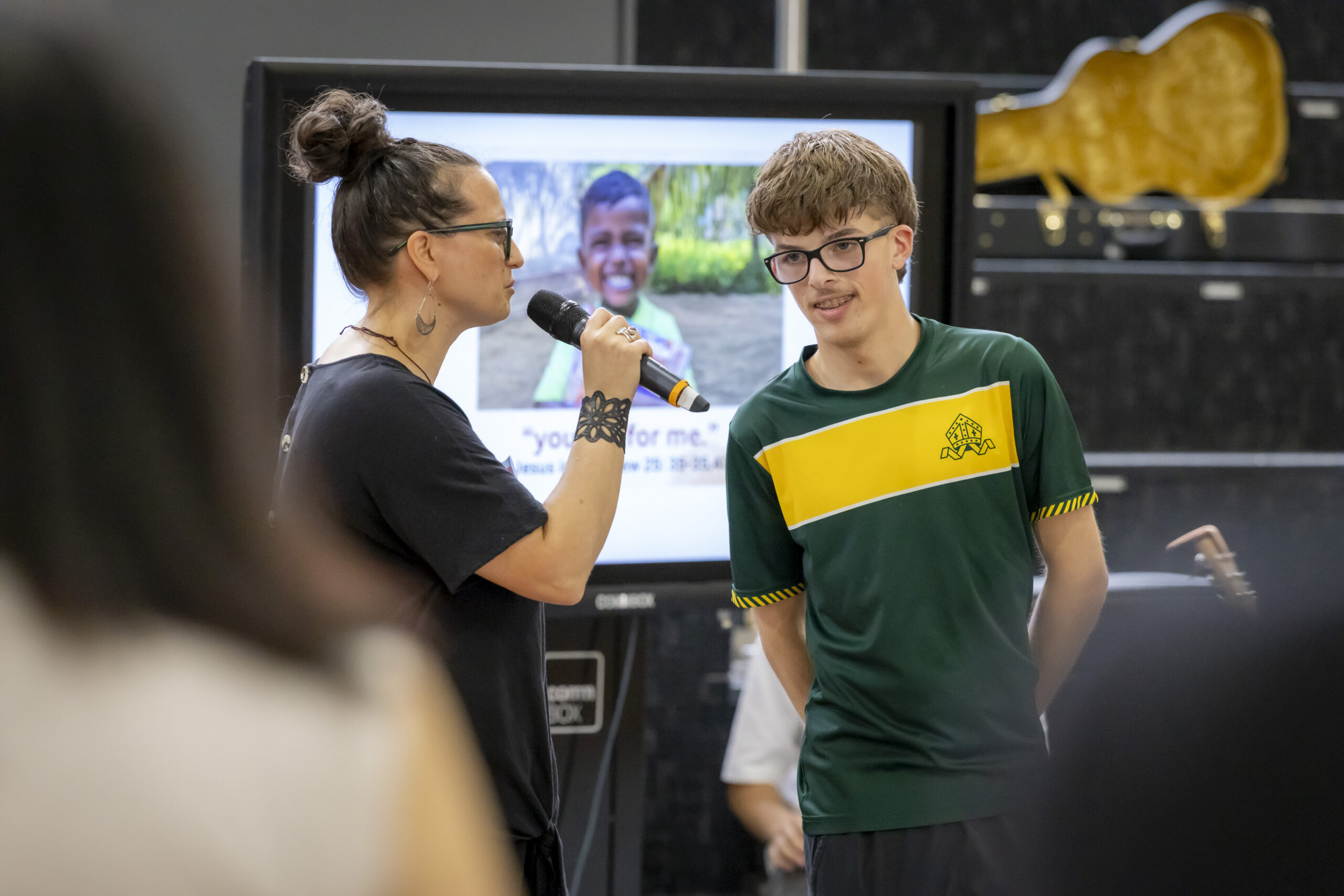
My experiences in Harambee and Homework Club have deepened this understanding. I’ve met people from many different backgrounds and found something special in simply listening to their stories, whether it’s a Year 7 student joining Harambee for the first time, eager to be part of something bigger than himself, or a refugee mother at Homework Club sharing the sacrifices she made to give her children a new life in Australia. Every conversation has offered me a different perspective.
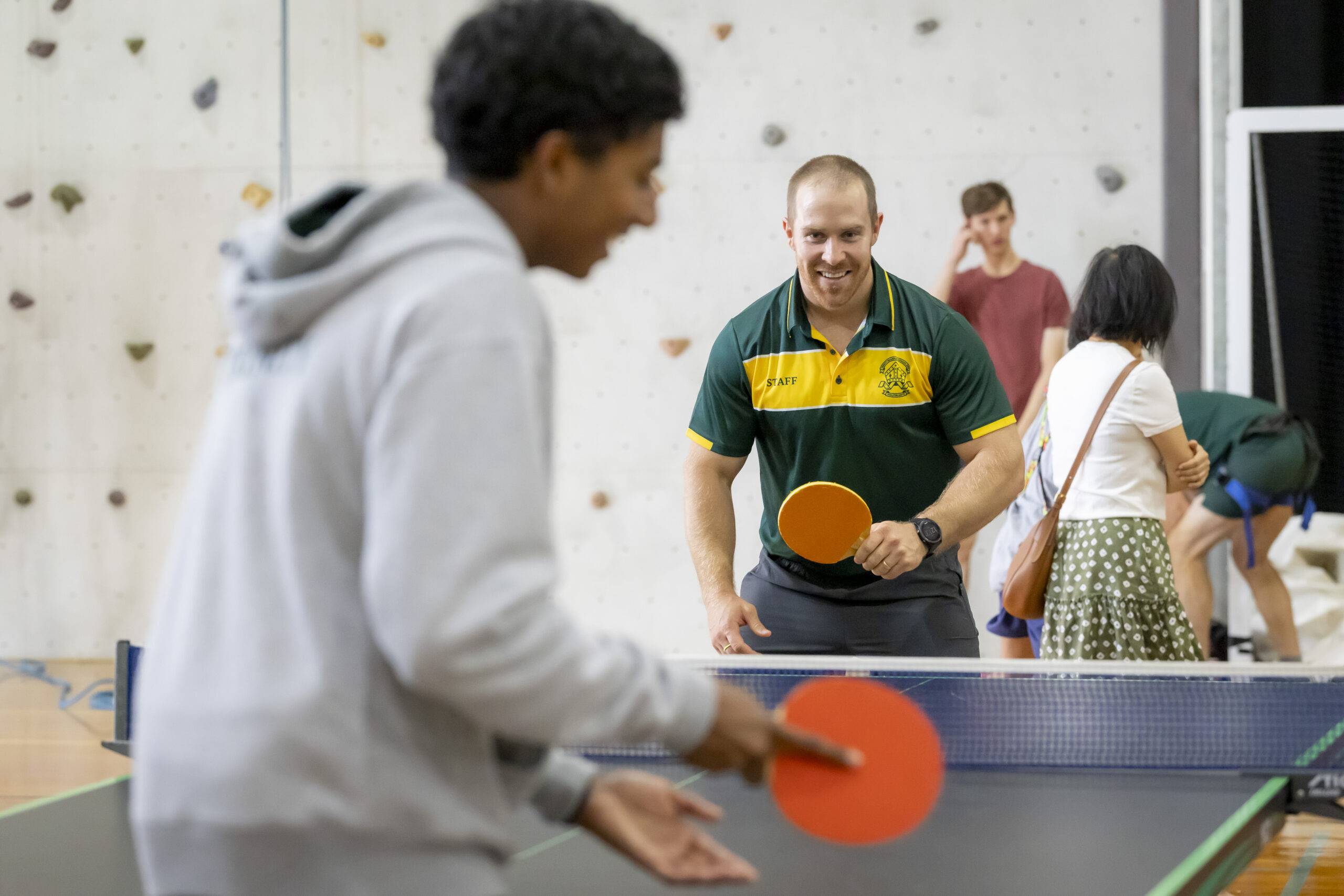
Service reminds us that some of the most meaningful contributions go unnoticed and unrewarded.
– Oscar, Year 12
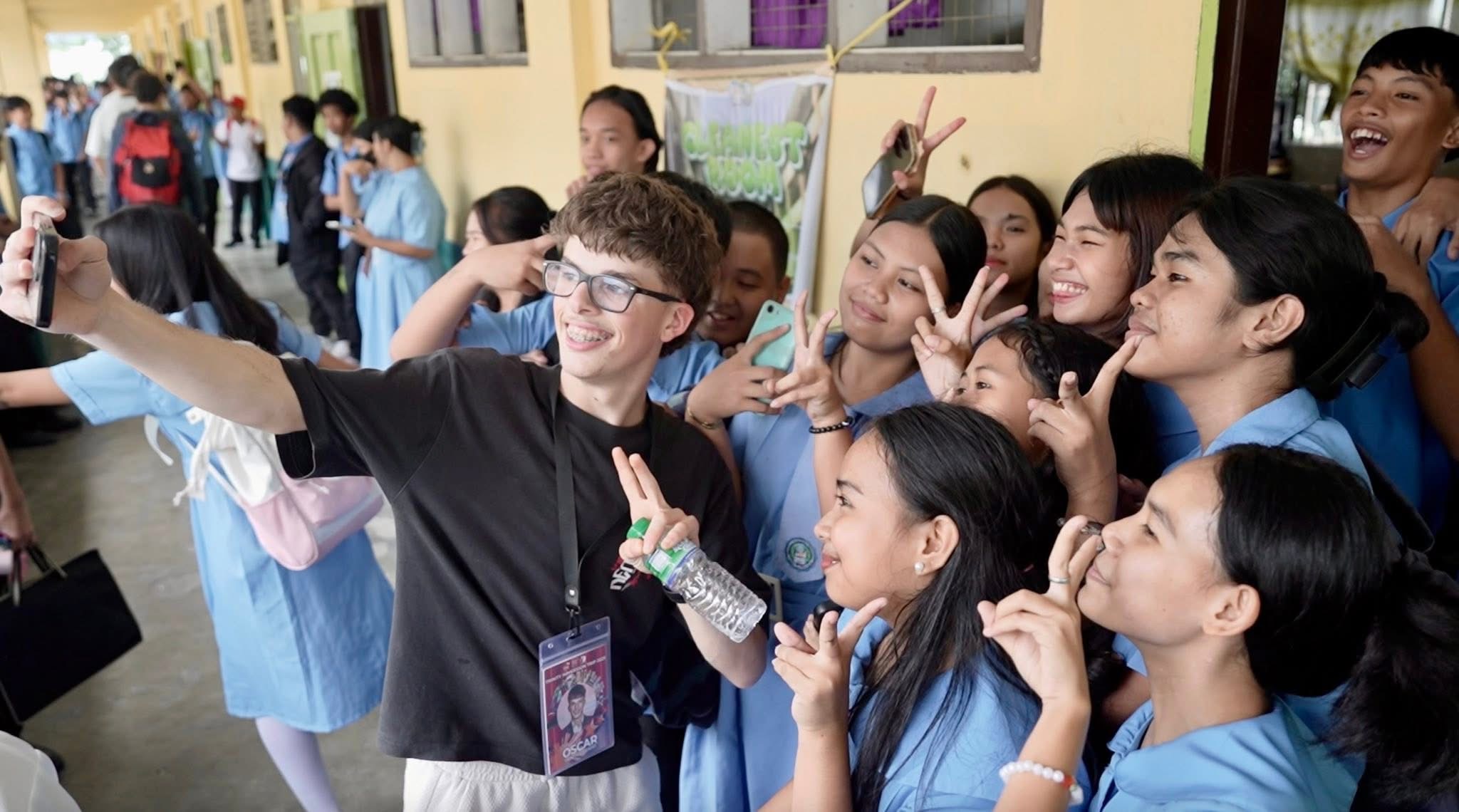
These experiences have taught me that service is about far more than fundraising or volunteering. It’s about being willing to listen, to understand experiences different from our own and to recognise our responsibility to the people around us. In a world that often celebrates individual achievement, service reminds us that some of the most meaningful contributions go unnoticed and unrewarded.
As I look beyond Trinity, I hope to carry this understanding with me. Contributing to something greater than ourselves doesn’t always require a grand gesture. Sometimes it begins simply, by noticing someone else and asking what we can do to help.
To any student reading this, you don’t need a badge, a title or a formal leadership role to make a difference. The most meaningful contributions are often the quietest, the ones nobody claps for. Welcoming someone new, offering your time, or simply being willing to help without being asked,
these are all forms of service. You don’t need to wait for the ‘right’ opportunity. Service can start today, in the smallest moment.
When community comes together
Harry Davis (OTG 2015)
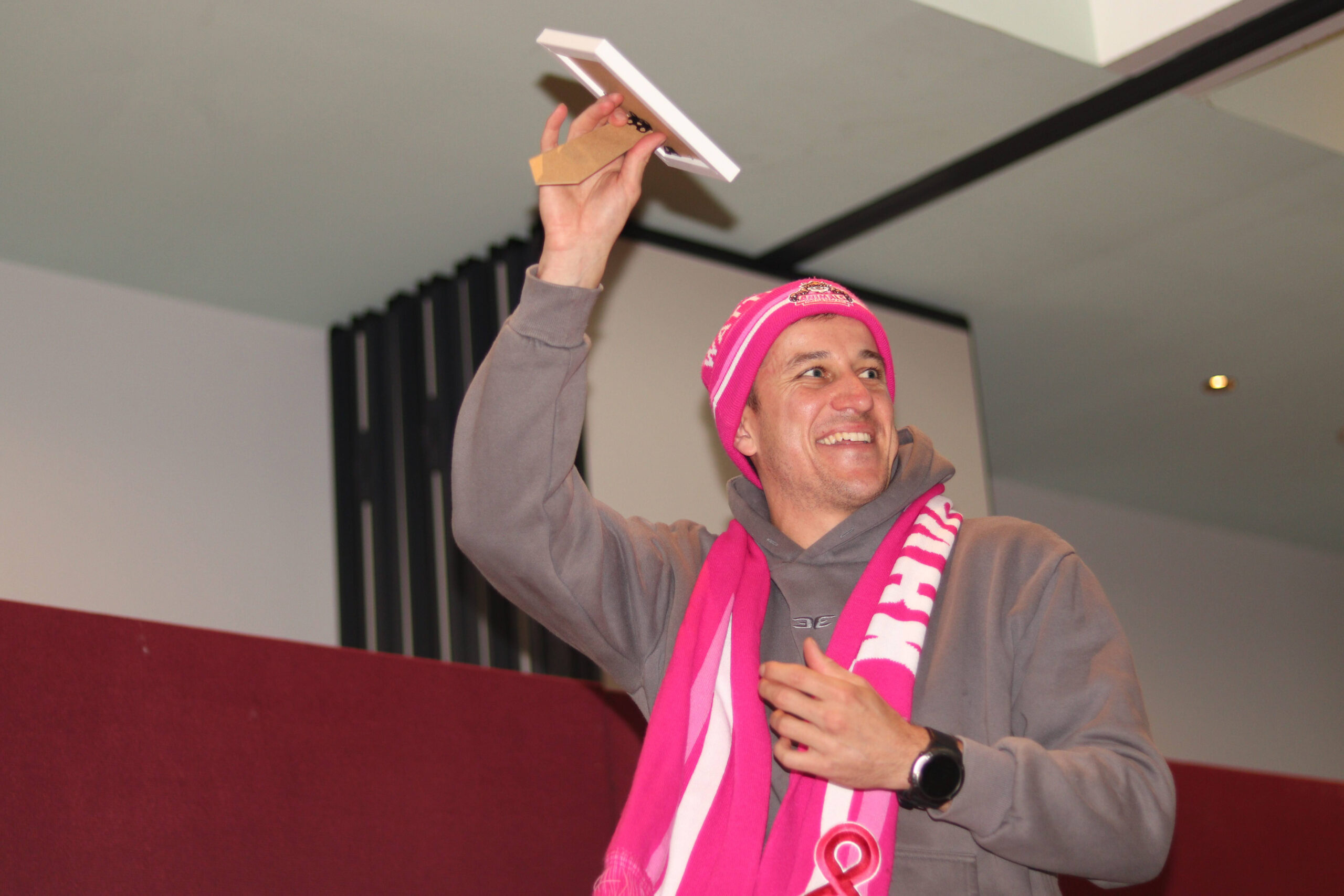
For Harry Davis (OTG 2015), the decision to raise money for breast cancer research is deeply personal. On the first day of Year 12 in 2015, Harry lost his mum after her lengthy battle with breast cancer. He was 18.
Since 2016, through his annual breast cancer fundraiser luncheon, Harry has raised more than $240,000 for the National Breast Cancer Foundation.
“Seeing what mum went through, and the impact it had on our family and friends, is fundamental to why I continue to fundraise each year,” Harry says. “I want to do my bit in helping create a world where fewer families have to experience that hardship.”
Harry’s mum was, by his description, incredibly caring with a zest for life. She always had time for people, regardless of who they were or where they came from. She was a free spirit who travelled, valued her family and friends and made the most of every day.
Losing mum was the single biggest influence on me in my life to date.
It taught me to appreciate life, be kind to people and not sweat the small things. I think I’ve always tried to put kindness first, and I love to laugh and have a good time, which all comes back to her influence on me growing up.
The fundraising began as a way to remember his mum but soon became something much bigger. Growing up playing football, Harry had experienced firsthand the strength of local communities. Using his football club as a platform, he began spreading the word and building an annual Mother’s Day event around the cause.
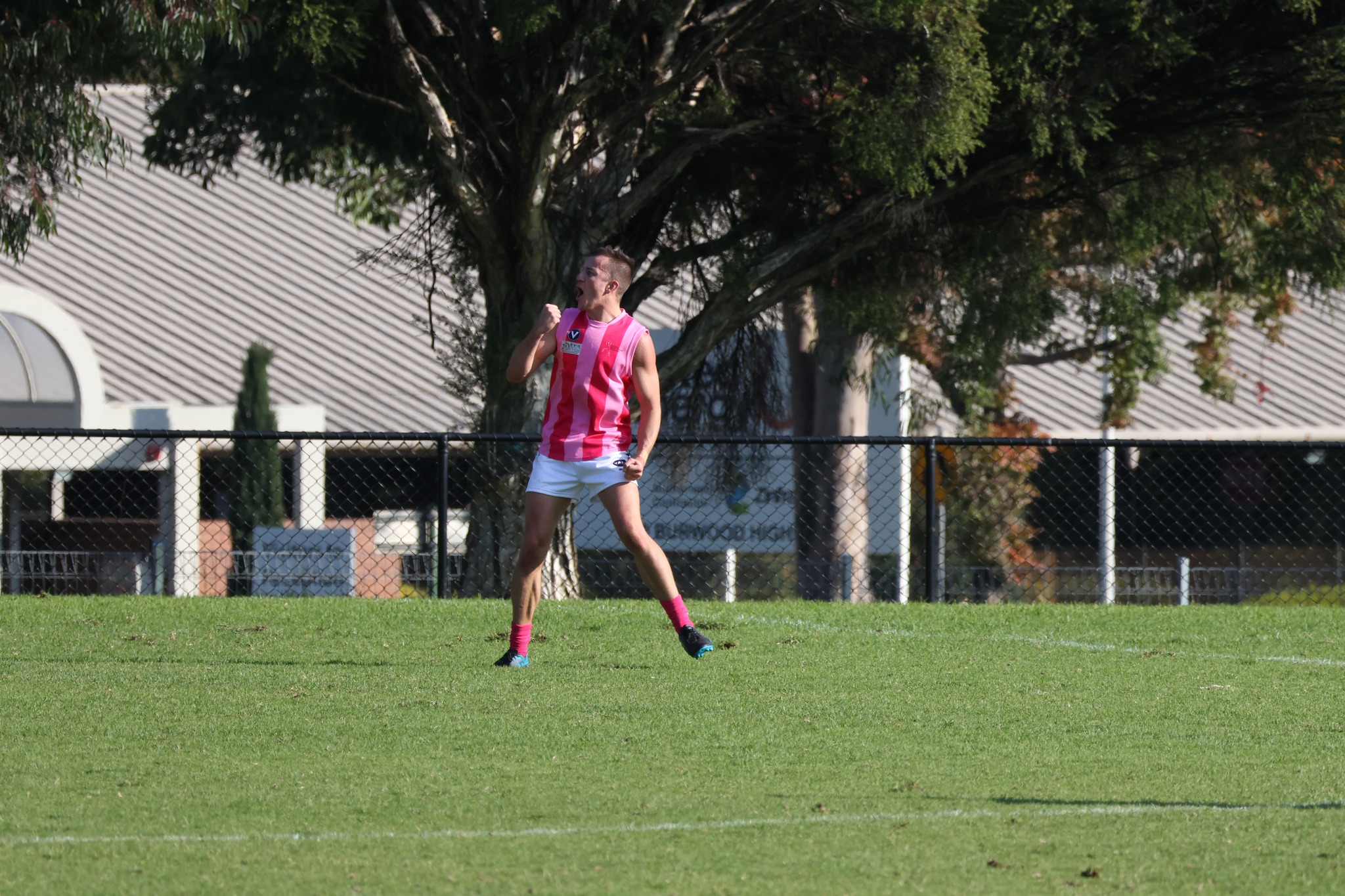
More than 10 years later, that event has become a tradition with hundreds of friends, family members and colleagues continuing to support it each year.
“The power of community is incredible,” he says. “If you have genuine intent and you’re passionate about something, you can create some amazing outcomes and bring people along with you.”
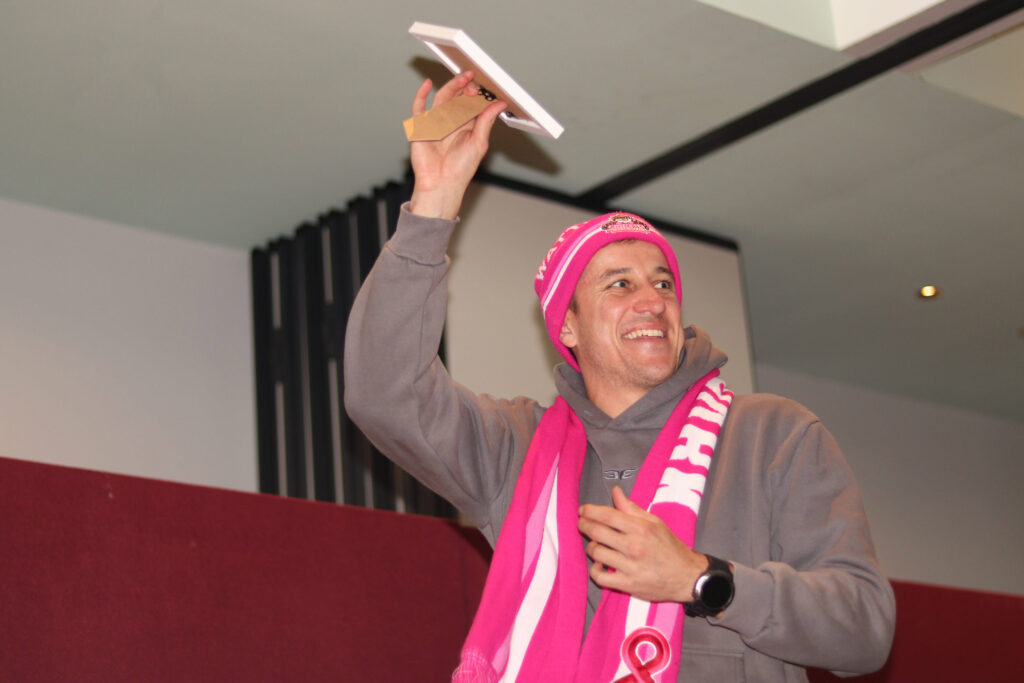
Some of the most meaningful moments have been playing alongside his two brothers during the club’s annual “pink round”, wearing custom pink guernseys in honour of their mum. In 2025, the fundraising total passed $200,000, a milestone Harry says he could never have imagined when he first began.
But the dollar figure is not what stays with him most.
“One of the things I find most meaningful is the pride people feel in being involved,” Harry says. “When teammates, friends or family talk proudly about the event or the fundraising, that means a lot.”
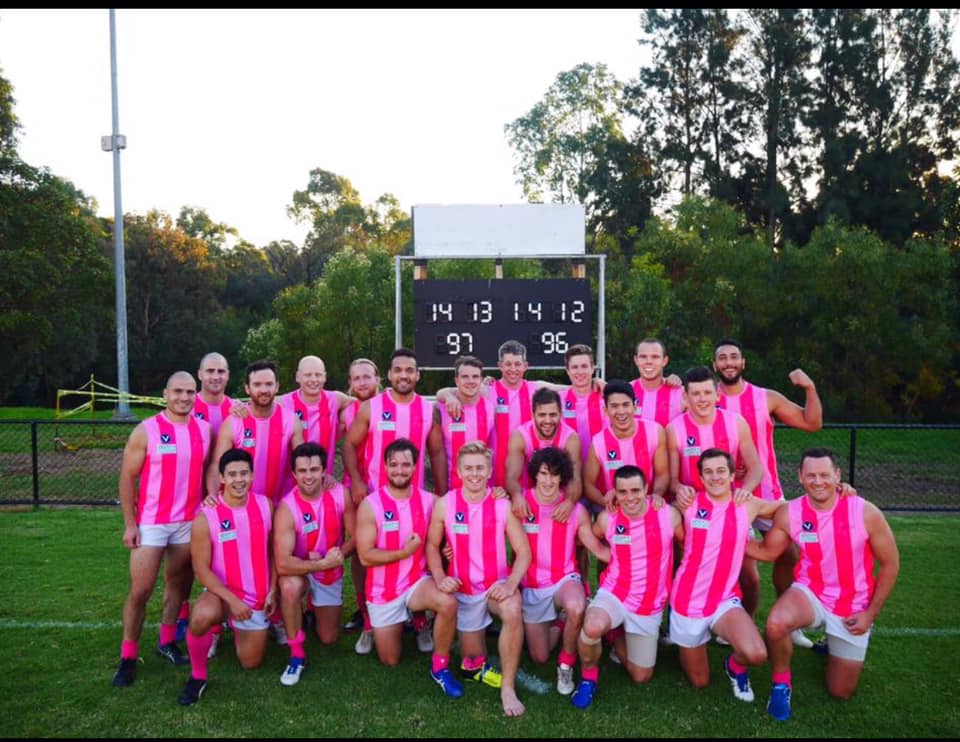
That sense of community has roots in Harry’s years at Trinity. His fondest memories are often the small moments: laughing with friends around the lockers, playing football, heading away on Learning Journeys camps and simply enjoying each other’s company. Many of those friendships have continued well beyond school.
He also credits Trinity with teaching him the value of hard work and discipline. These lessons continue to shape his professional life as a Senior Advisor with Mawson.
Balancing a career with fundraising is not always easy, particularly in the months leading up to the annual event. But his Mawson colleagues have become some of its biggest supporters, helping Harry bring together different parts of his life and community.
For Harry, the broader lesson is simple: kindness and compassion are fundamental to a fulfilling life.
“It doesn’t cost anything to be a nice person,” he says. “There’s a really warm feeling that comes from contributing to something bigger than yourself, and that’s something pretty special.”
His advice to students who want to give back is simple: start with something that matters to you, even if you’re not sure where it will lead.
“Follow your heart and step into something, even if you’re uncomfortable,” he reflects. “You might be amazed by what you can achieve. It might feel like a small thing and the change might be slow, but if you commit to it, it will grow.
From belonging to mattering: the KangarUBER story
Naomi Wright, Director of the Early Learning Centre
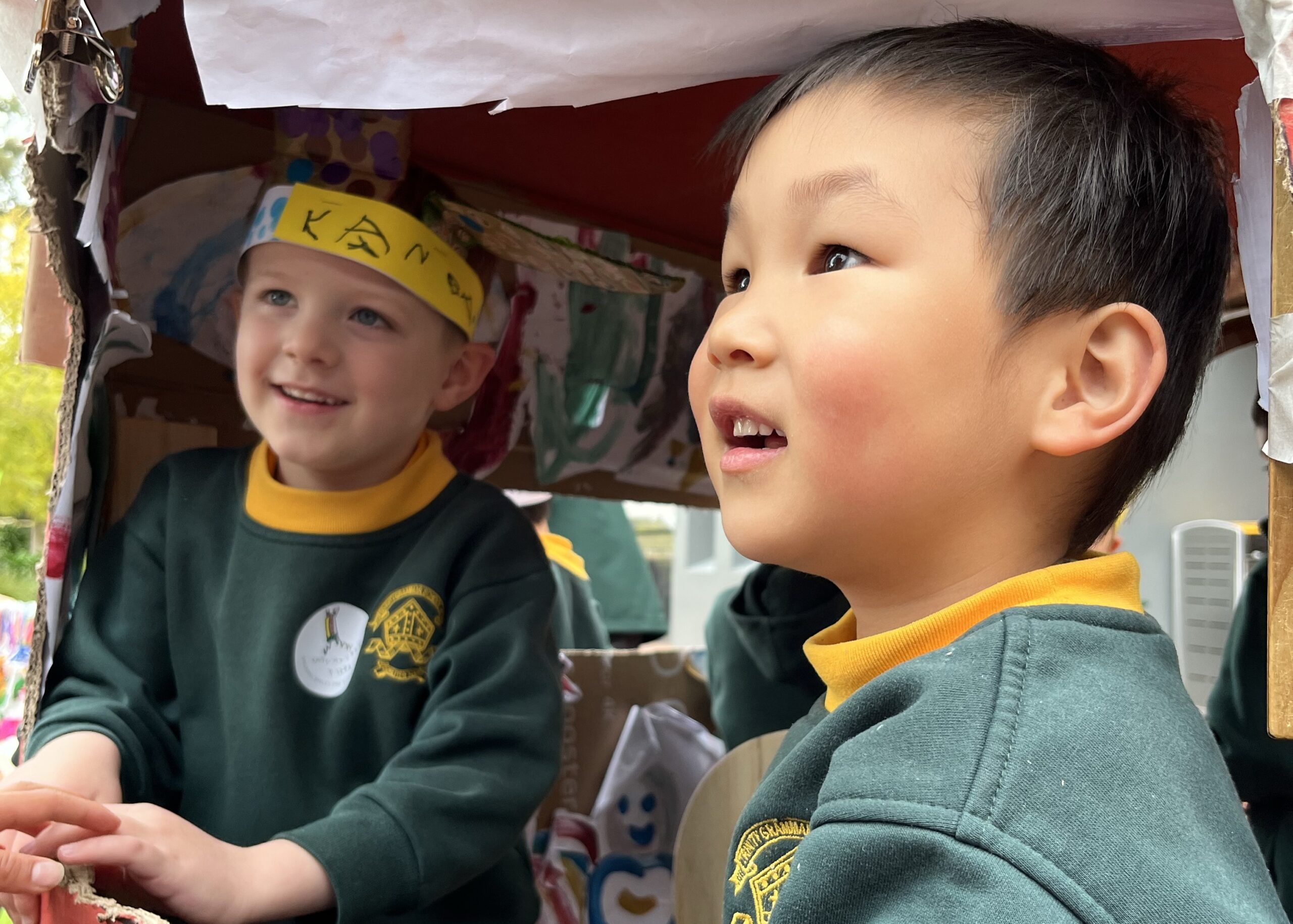
In the ELC, we believe children develop a sense of belonging through relationships, connection and contribution. While these experiences often begin within the walls of the classroom, we intentionally create opportunities for children to see themselves as part of something bigger. Through everyday interactions, shared projects and meaningful community connections, children begin to discover an important message: they matter, and what they do can make a difference to others.
Recent research from Harvard University’s Centre on the Developing Child describes mattering as the feeling that we are valued by others and that we have value to add to the world.
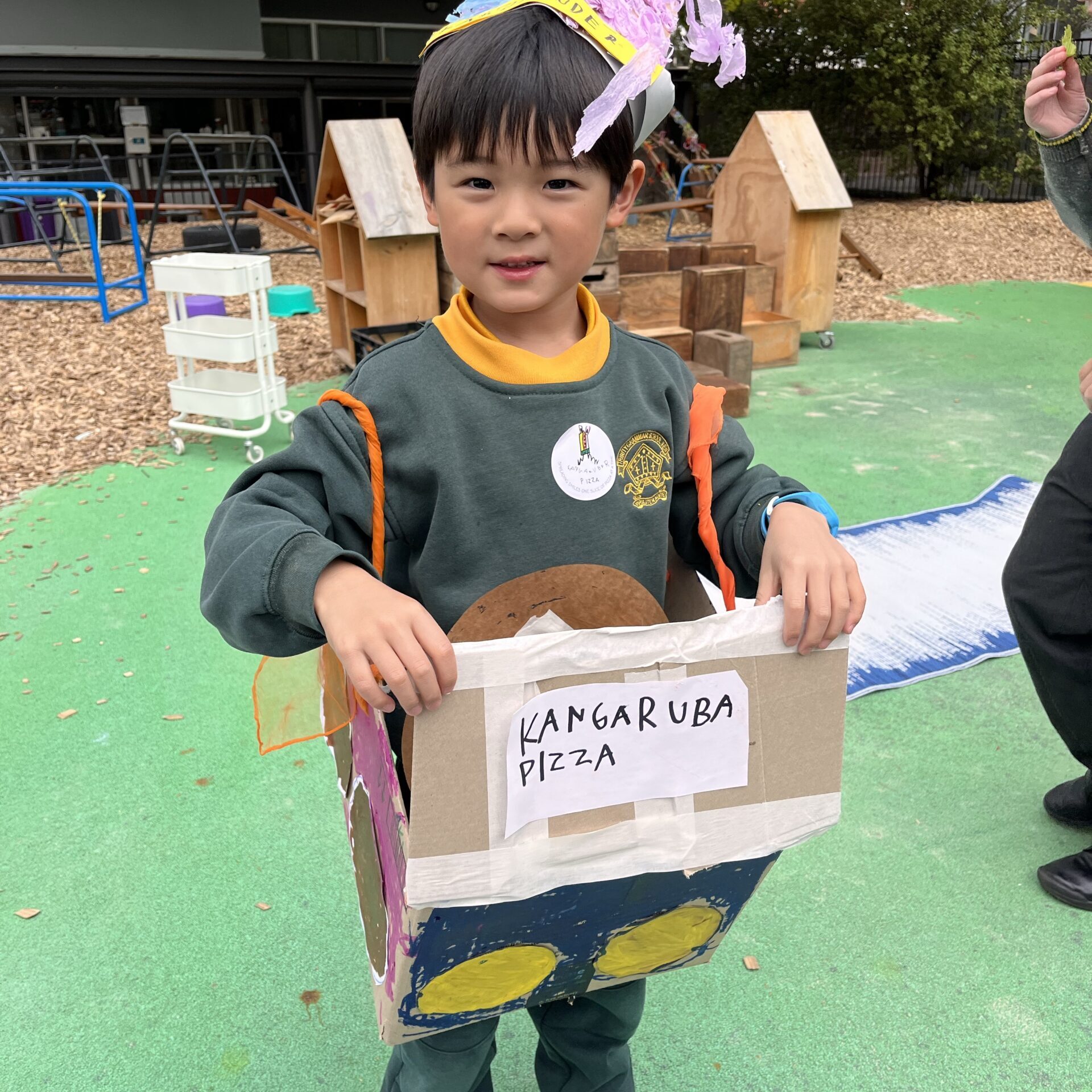
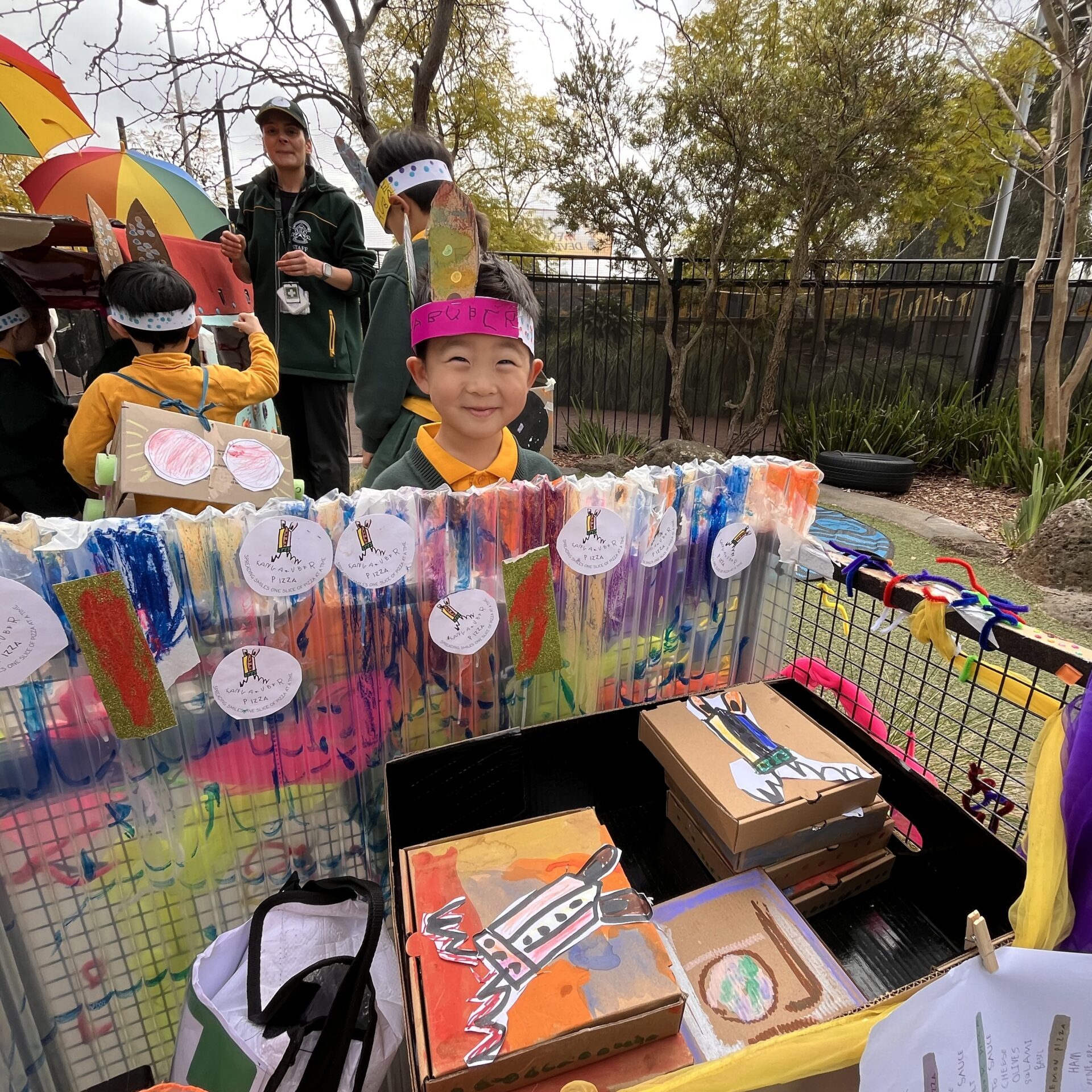
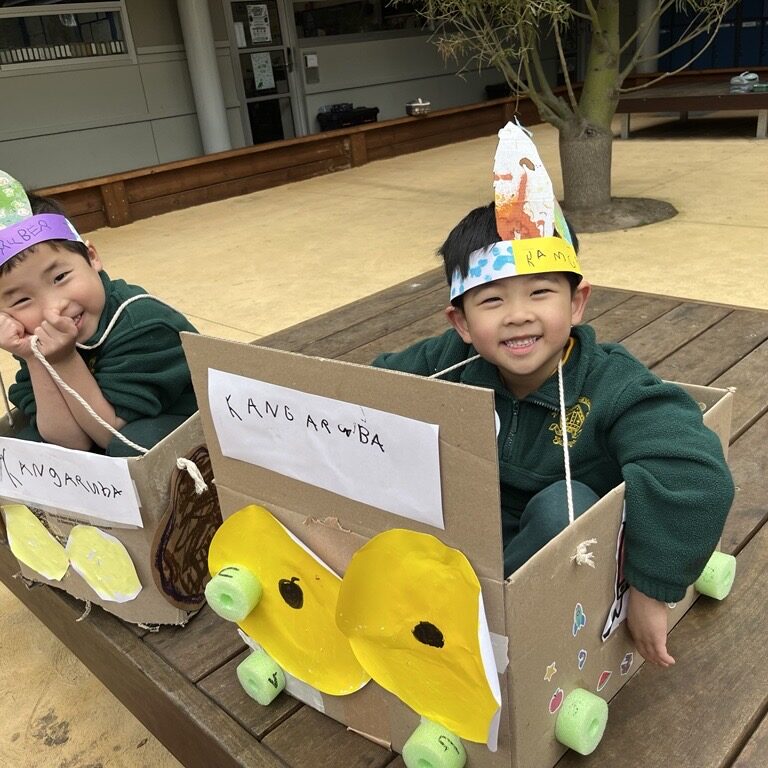
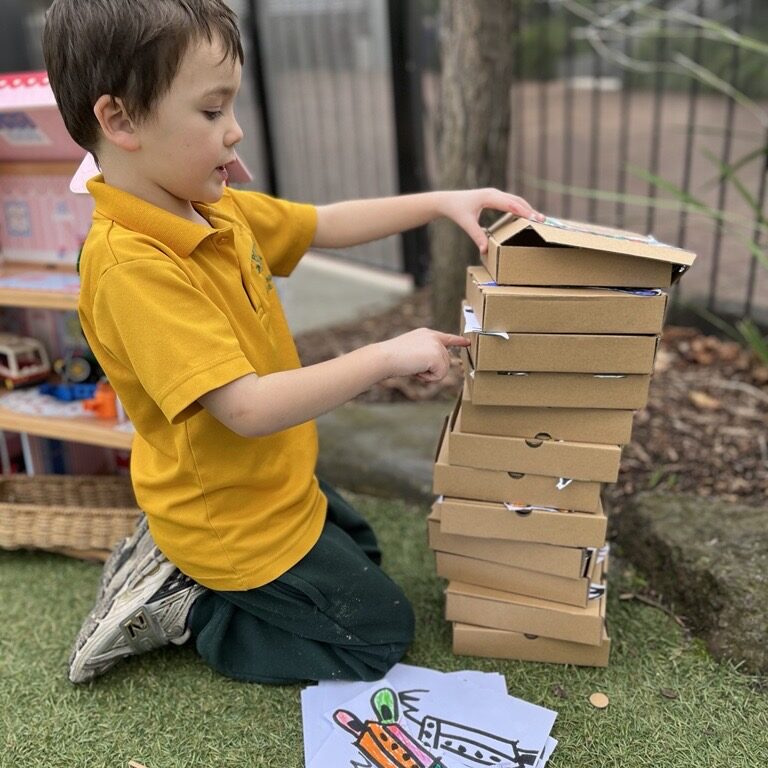
This year, our 4-year-old Kangaroo learners embarked on what first appeared to be a simple pizza project. Throughout the planning and design process, the teaching team was asked almost daily, “Is it pizza-making day yet?”
Naturally, we assumed that the moment the children finally got to make and box their own pizzas would be the highlight.
As it turns out, we were wrong.
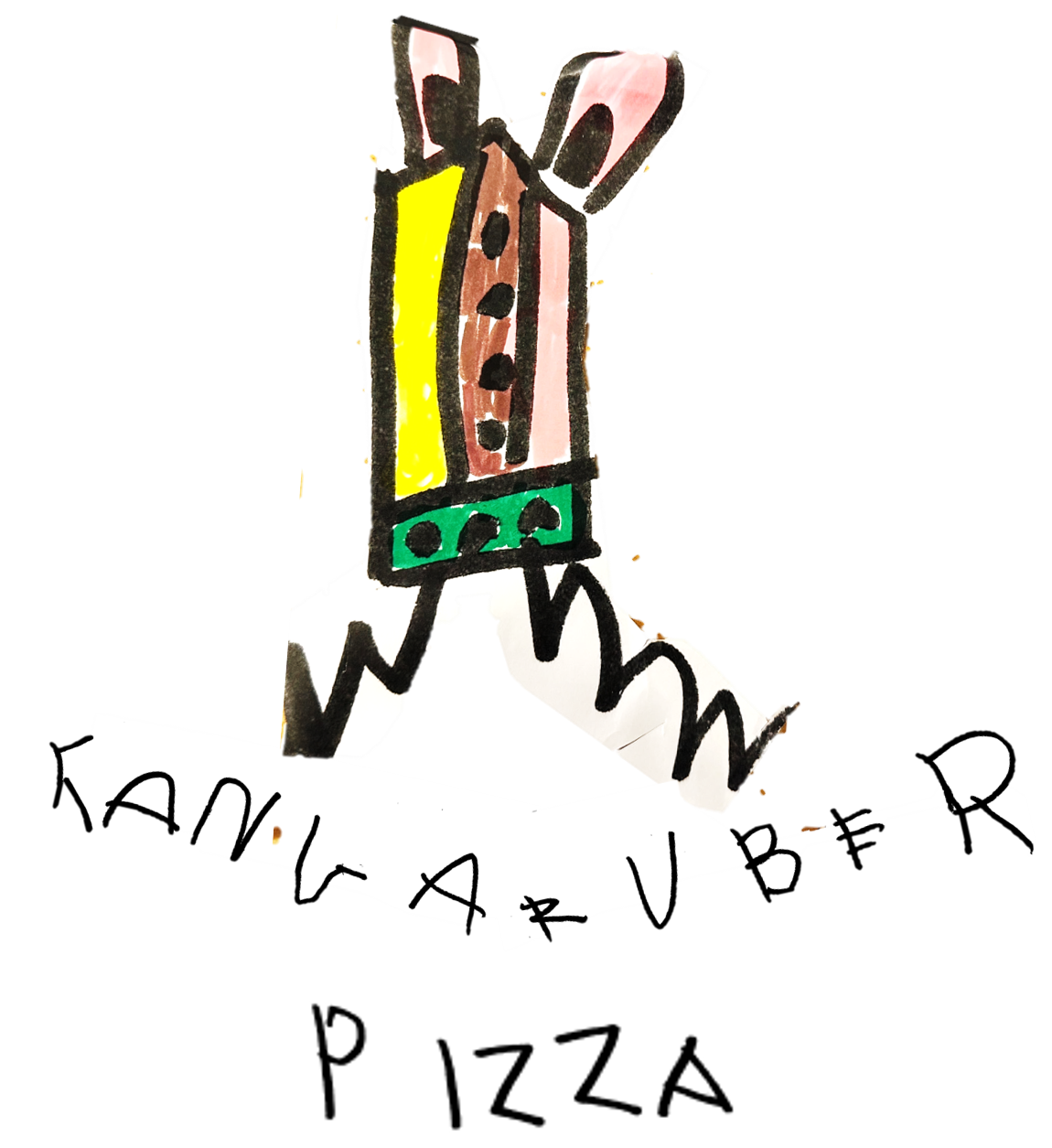
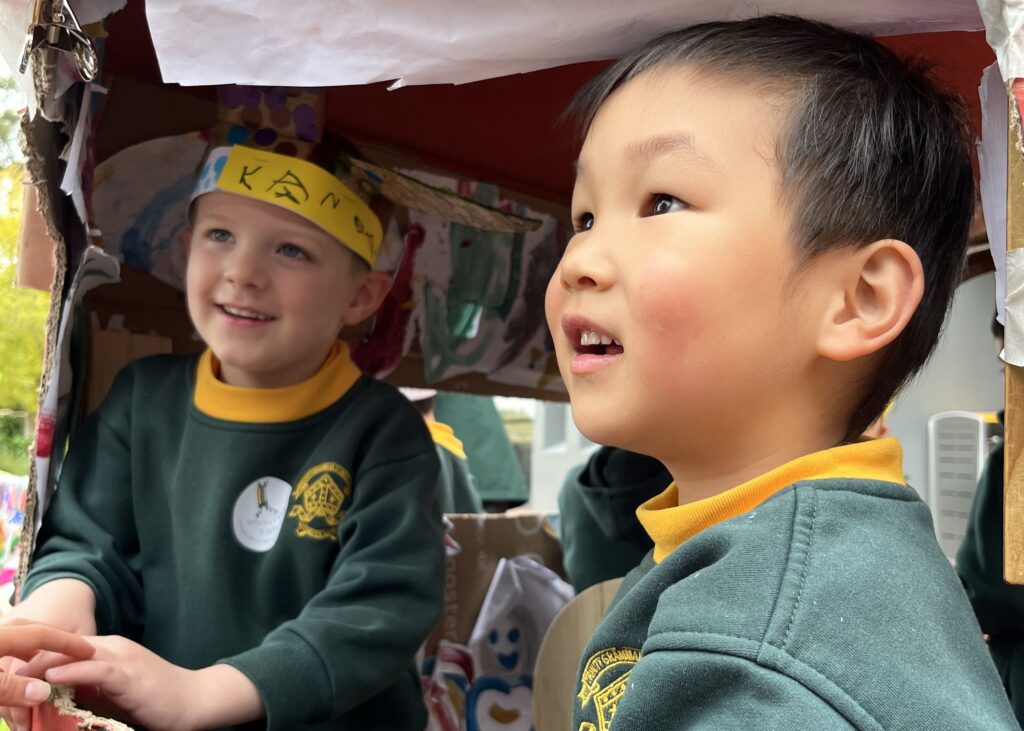
What began as an inquiry about pizzas evolved what we called, KangarUBER, a project that saw children creating and eventually delivering pizzas to members of the wider Trinity community. Along the way, the learners designed delivery vehicles, created menus, negotiated ideas, solved unexpected problems and worked collaboratively towards a shared goal.
When delivery day finally arrived, the excitement was palpable. The children proudly ventured beyond the ELC, delivering pizzas throughout the school. They met people they may never have otherwise encountered and began to develop an understanding that a school is not simply made up of classrooms and teachers, but of many people who each play an important role in helping a community thrive.
When delivery day finally arrived, the excitement was palpable. The children proudly ventured beyond the ELC, delivering pizzas throughout the school. They met people they may never have otherwise encountered and began to develop an understanding that a school is not simply made up of classrooms and teachers, but of many people who each play an important role in helping a community thrive.
Following the deliveries, educators reflected on what had resonated most with the children. Surprisingly, it was not making the pizzas.
One learner summed it up perfectly: “The best part wasn’t the pizza.”
Instead, the Kangaroos spoke about seeing the teachers’ smiles, working together and travelling around the school. Their excitement came from the connections they had made and the joy they had brought to others.
For us, this was a powerful reminder that children are naturally drawn to meaningful contribution. Given the opportunity, they often find great satisfaction not just in what they
create, but in what they can do for others.
– Naomi Wright
This learning is nurtured every day within the ELC as they develop the foundations of compassion and community-mindedness. These moments may seem small, yet they help children learn to recognise the needs of others and understand that their actions can have a positive impact.
Play is central to this work. Through play, storytelling, group discussions and collaborative projects, children encounter ideas such as fairness, inclusion, kindness and belonging.
Projects such as KangarUBER extend this learning even further by allowing children to contribute to a community beyond themselves. In doing so, they begin to see themselves not only as learners, but as citizens. They experience first-hand that they can bring joy, help others and make a meaningful contribution to the world around them.
By fostering compassion, generosity, service and social responsibility in the early years, we are laying the foundations for confident, caring and connected young people.
While the pizzas may have marked the culmination of the project, they were never the most important outcome.
The real learning was found in the relationships built, the conversations shared, the collective effort and the growing understanding that each person has something valuable to contribute.

My journey, my way
Timothy, Co-Captain of Academics
As my time at Trinity draws to a close, I’ve been reflecting on where these years have taken me and, perhaps more importantly, on the person I will be when I leave.
If there is one word I would use to describe what Trinity has given me, it is ‘belief’.
Not the belief that I need to become a particular kind of person, but the belief that I can discover who I want to be. Trinity’s culture, opportunities and, most importantly, its people, have given me the confidence and backing to try things I never expected to try, challenge myself and find my own path.
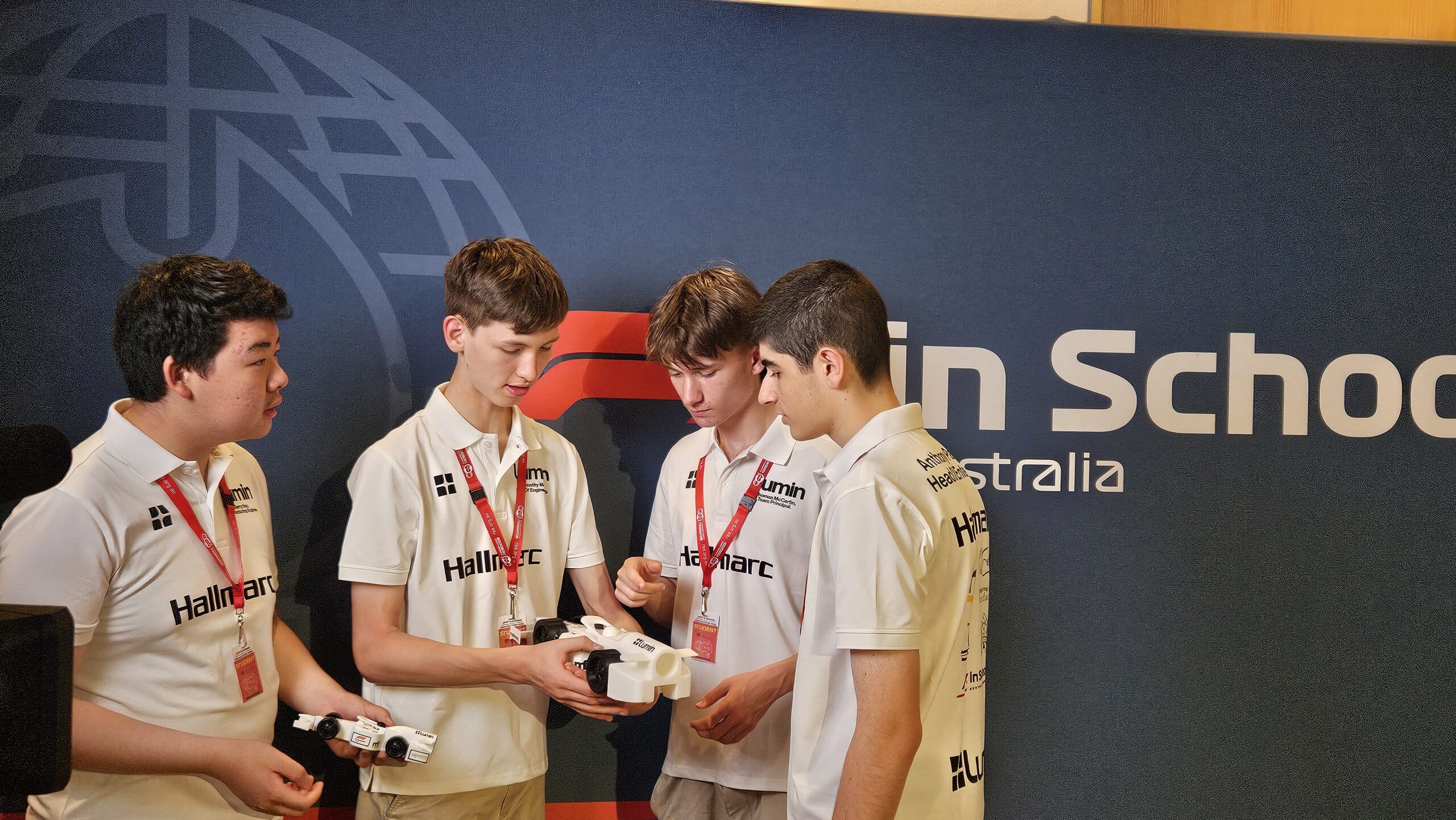
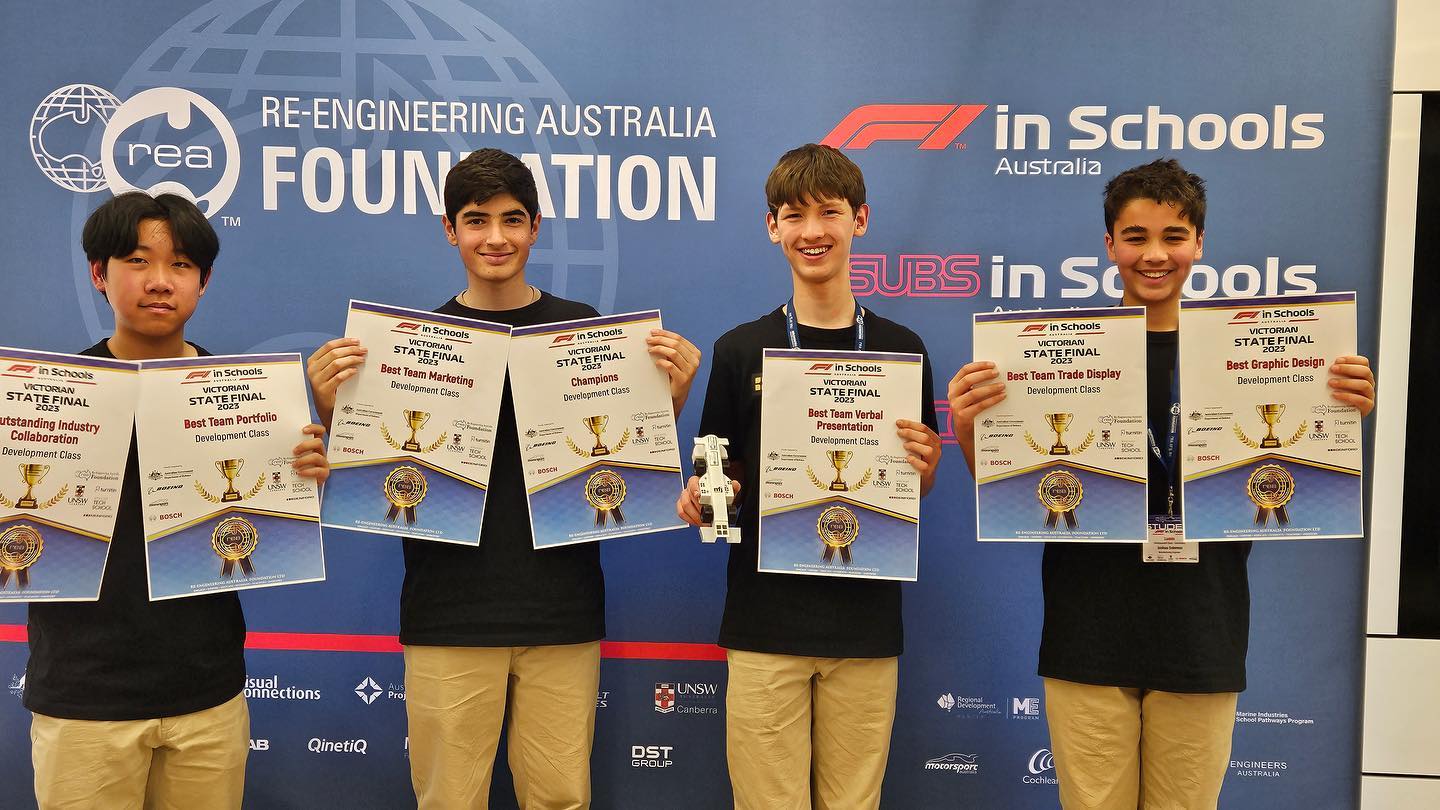
When I arrived in Year 7, an older student gave me some simple advice: give everything a go at least twice. I took that seriously. Over the years, I’ve found myself debating, performing, exploring STEM, designing miniature Formula 1 cars, raising sponsorship, undertaking university study and taking on leadership roles. Some of the experiences that have stayed with me most were the ones that challenged what I thought I could do.
But looking back, it isn’t the achievements I will remember most.
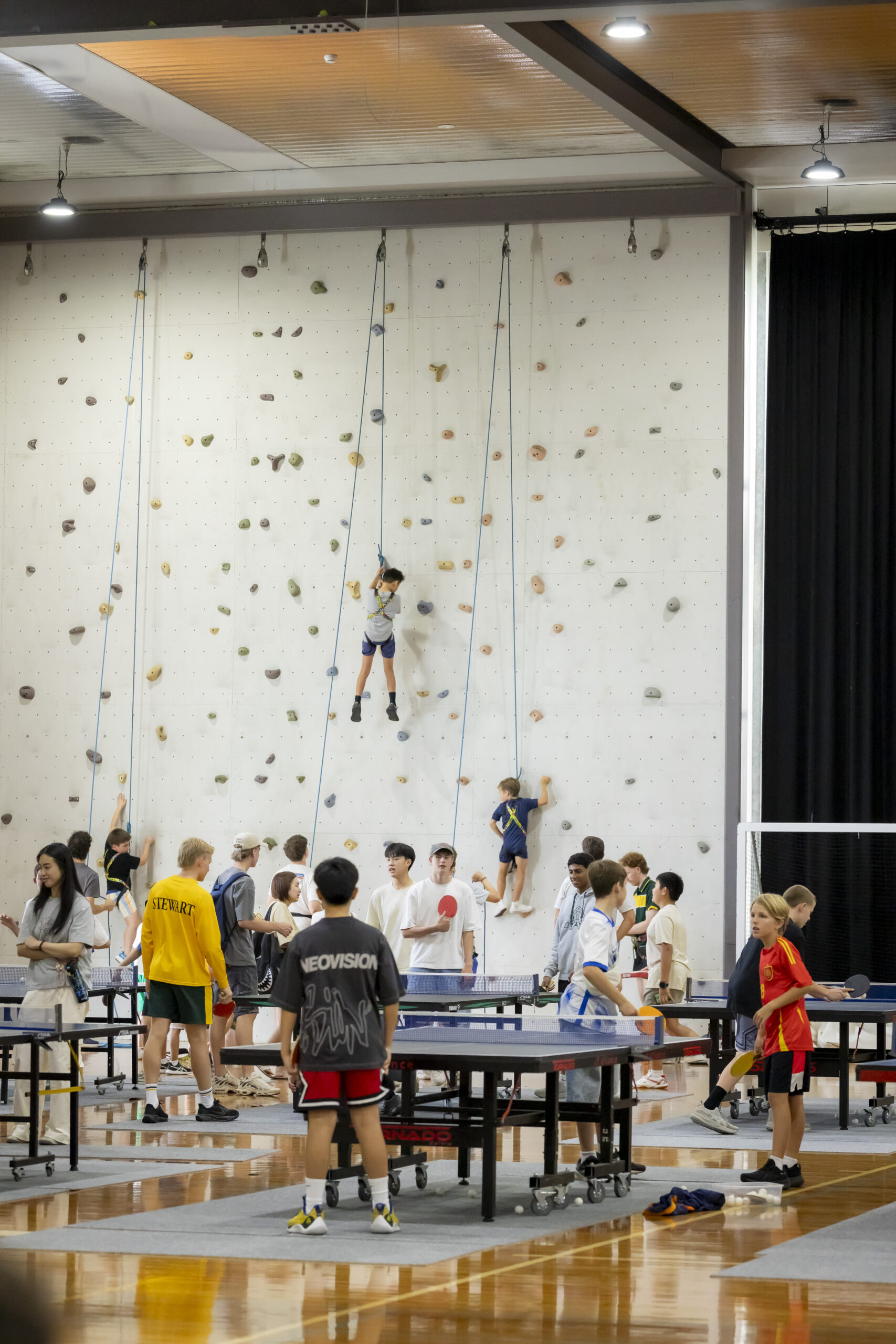
Every Friday, the lunchtime bell rings at 1:00pm, prompting students to finish their play early to board a bus and head to Bulleen. While most nine to 12 year olds would hate seeing their lunchtime cut short, the prospect of heading to 63 acres of open sporting fields is a very alluring one. The bus ride to Bulleen also offers an exciting opportunity to enjoy the adventure of travelling somewhere beyond the school gates. Students will often pair up with a friend and spend this time chatting.
On arrival at Bulleen, the students are greeted with green grass as far as the eye can see. They often then have the chance to choose a sport to participate in and compete against teams representing each of the Houses. During the summer season, this can include cricket, softball, tennis and football. The winter sports include AFL football, soccer and handball.
No one else will have my Trinity journey. And that’s the point.
They’ll have theirs.
And I think that’s far more special.
It is the people. The teachers who have invested in me and my future and the friends with whom I’ve shared the highs, lows and sheer craziness of our final year. There is something pretty special about seeing a group of 18-year-old boys genuinely moved by the friendships they have formed at school.
I’m not going to say I’ll be heartbroken to leave. I’ll miss the rhythms of the small moments that make each day meaningful, the candid conversations with teachers and the camaraderie of my cohort. But I also feel ready to move forward.
People often say that school has made them the person they are today. I don’t think that is quite true for me. My time at Trinity has been deeply formative, but the Green and Gold doesn’t produce a single mould for its graduates.
Instead, it has given me the opportunity to become the person I want to be: conscientious, compassionate and quietly confident. I leave grateful for the journey, proud of the person I have become and excited by the uncertainty of what comes next.
Small acts, big impact
Our Year 6 student leaders
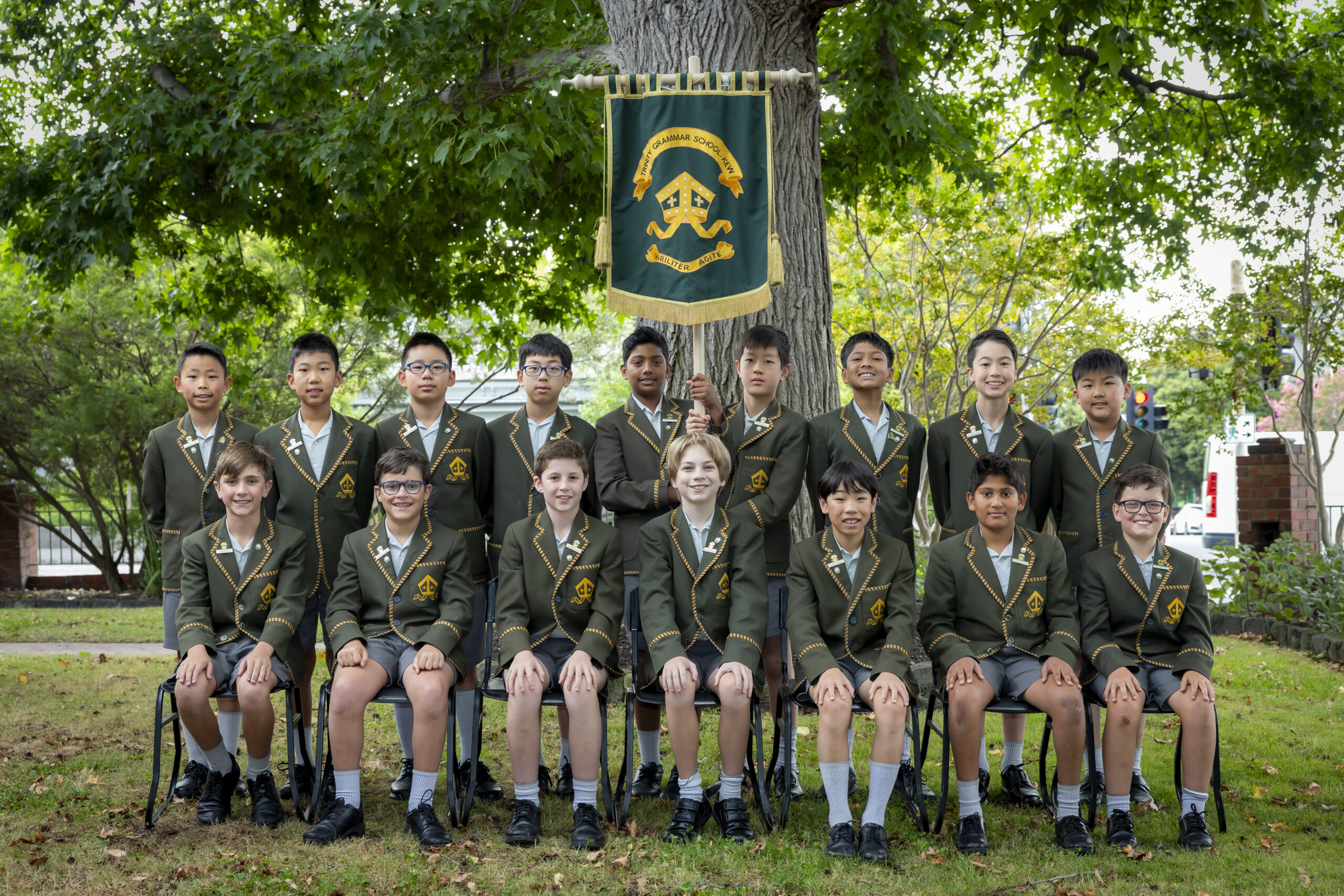
At Trinity, looking after others is part of who we are. Being of service and caring for others isn’t always about large-scale projects or formal acts of volunteering. More often, it is found in the everyday actions that help our community thrive, like welcoming a new student, supporting a younger peer, helping a teacher, or showing kindness when it is needed most.
Here, our Junior School students share what making a difference means to them. Through their stories, we are reminded that genuine service begins with a willingness to make a positive difference in the lives of others, one small act at a time.
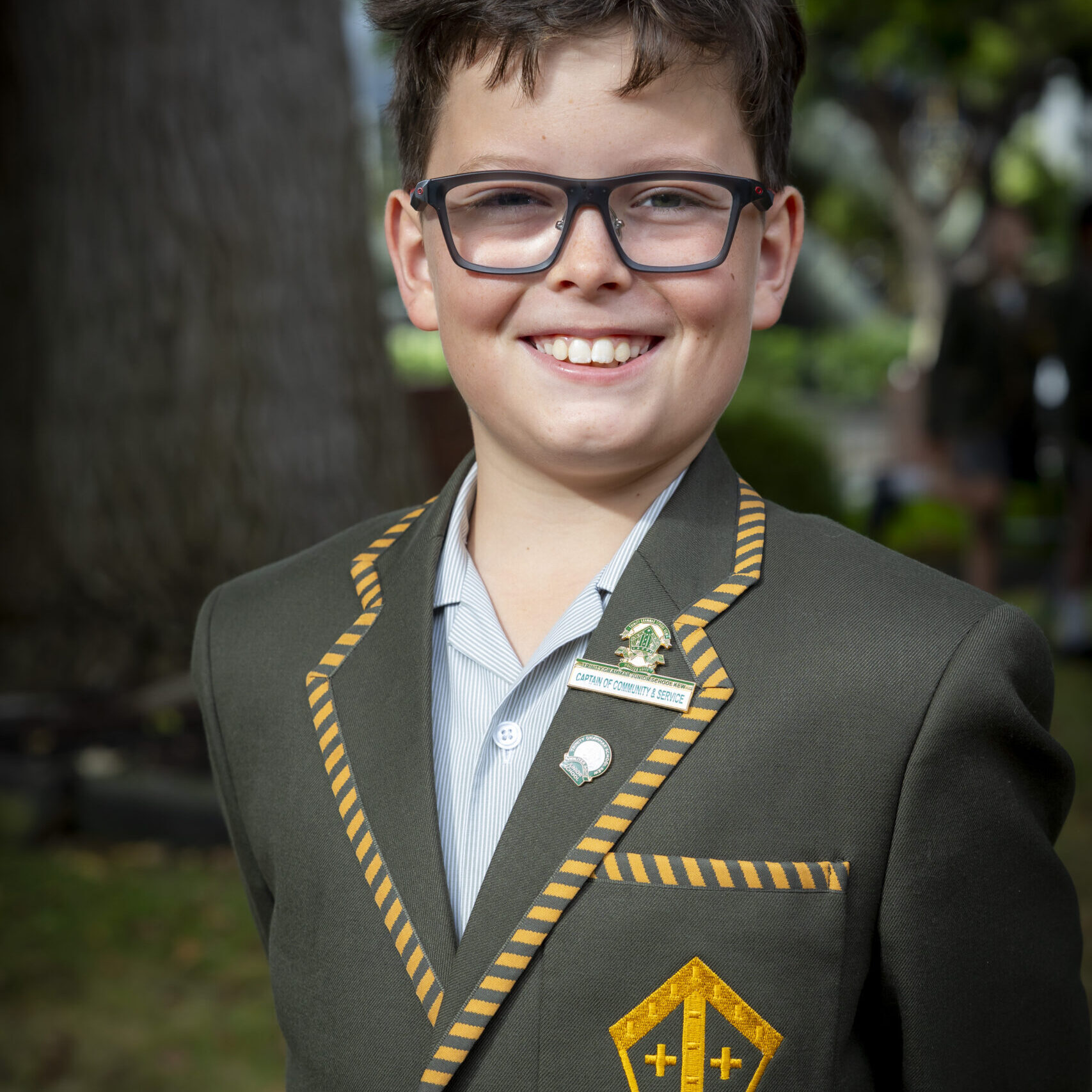
Will, Year 6, Captain of Community and Service
Service can mean helping people across the world, but it can also happen right here at school, sometimes just on the oval. Helping someone who is hurt, picking up rubbish that isn’t yours or simply being there for a friend are all small ways we can make a difference.
It’s also great to be involved in bigger things. One of my favourite things has been getting involved with Harambee Sundee, our fundraising event that supports children and communities in Uganda and the Philippines. When we come together as a community, even small actions can make a big difference.
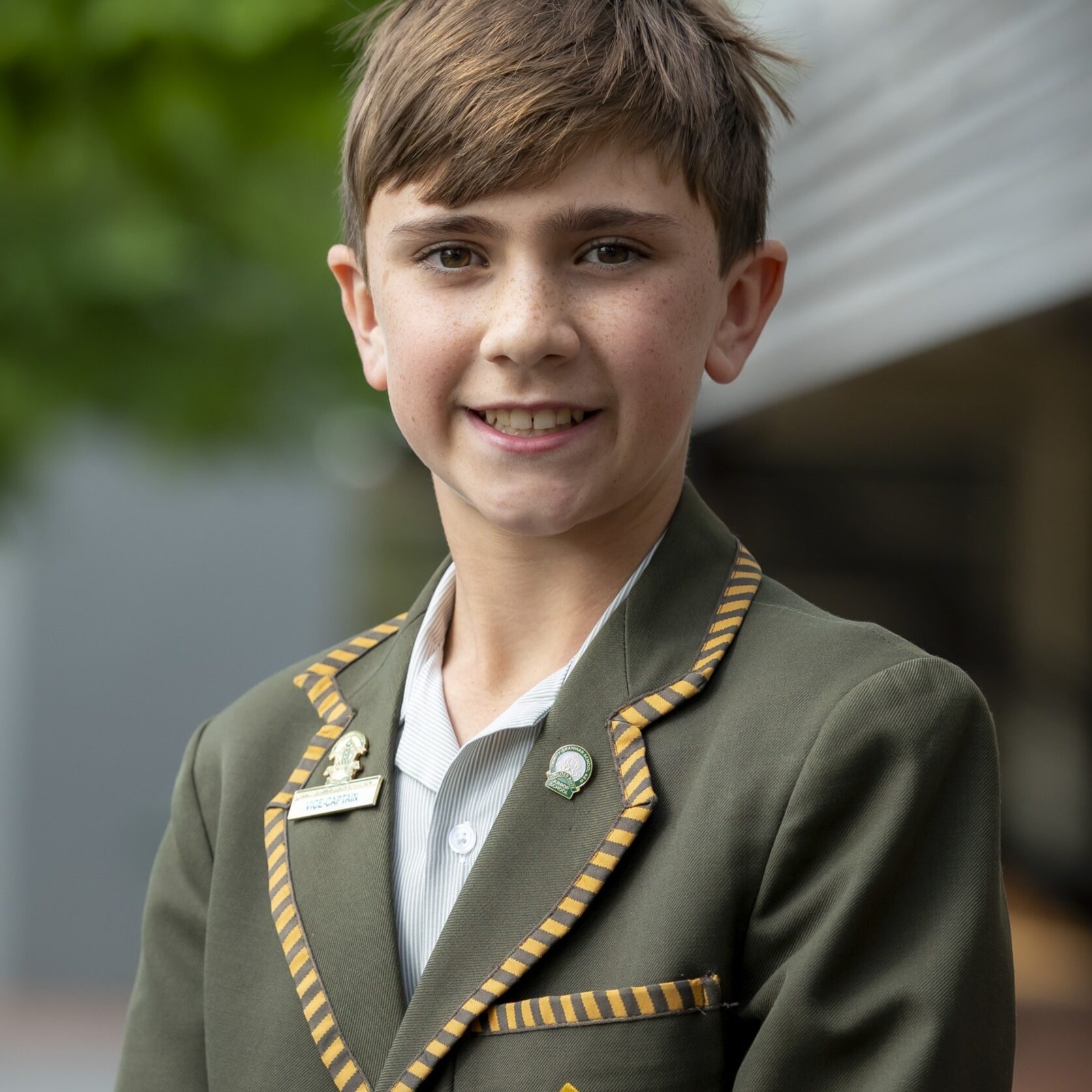
Matthew, Year 6, Great Mates participant
Great Mates is an opportunity in Year 6 where you can hang out with the Prep and Year 1 students to help them settle in. Not only is this an amazing chance to meet our new Junior School community, but it is also an opportunity to spend more time with our younger buddies that we meet at the start of the year.
One of the most memorable experiences for me as a ‘Great Mate’ was playing tag with my buddy, Zac, and a couple of his friends. I highly recommend Great Mates to Year 5 students as it’s a great way to give back while learning new things with our youngest students.
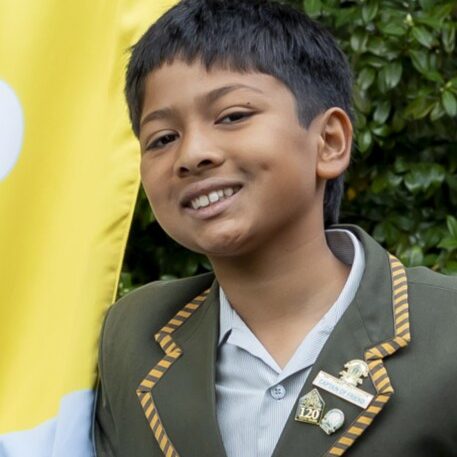
Bodhi, Year 6 Ambassador
The Ambassador Program is a Year 6 leadership program where we create games, activities and workshops for younger students. When I think about the program, I remember being in Year 1 and looking up to my own Year 6 leader. He is now in Year 11, and I still look out for him. Those older students made me feel like I belonged to the Junior School, not just my year level. They made a huge difference.
This year, I had the chance to do the same for younger students. I’m glad I was able to make a positive difference in their lives. Helping them build their confidence and social skills was fun for them and for me. Seeing their smiles and joy made me realise how much a little encouragement can mean. It’s really special to think that, just like I did, they might look back on the program one day with the same happy memories.
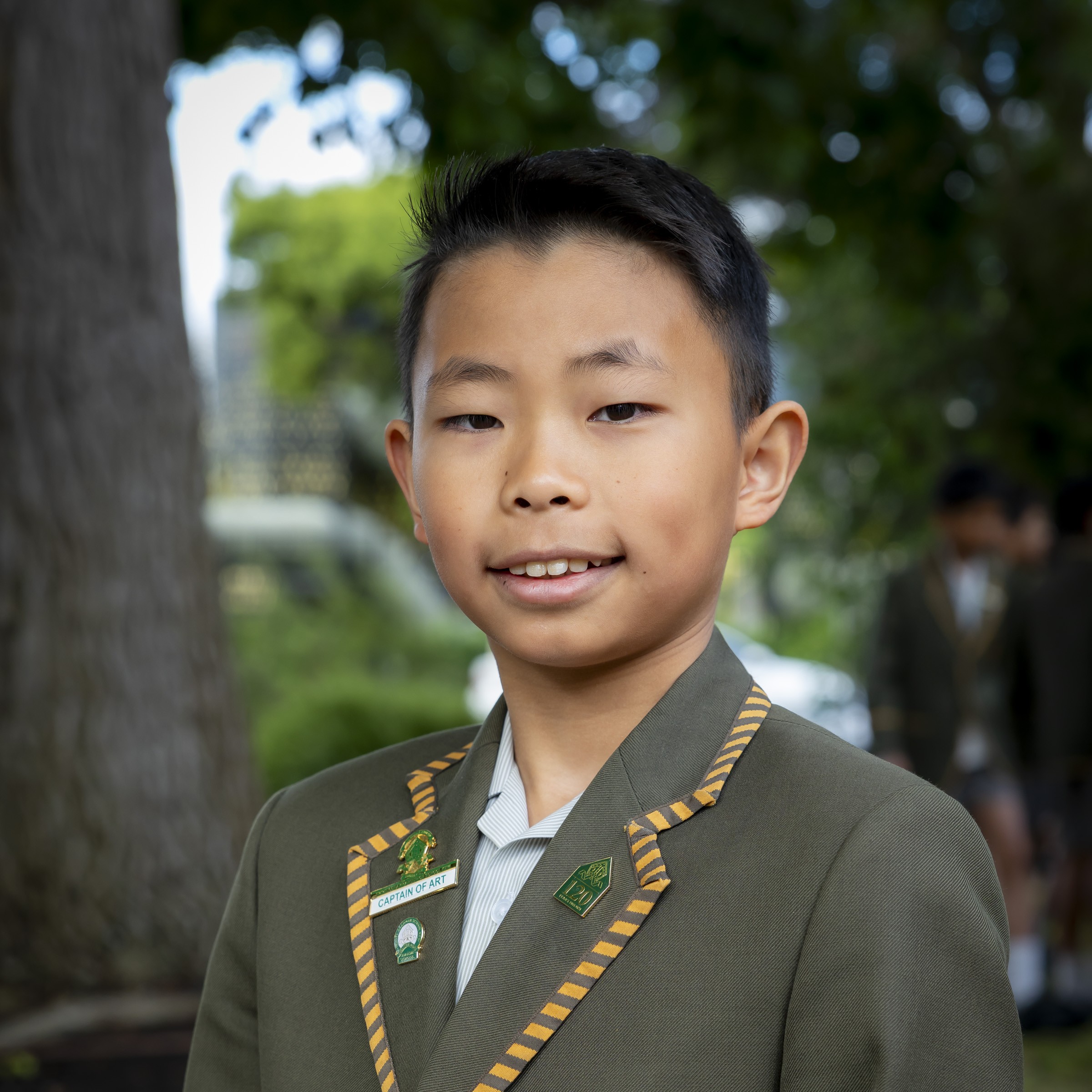
Aden, Year 6 Leader
When I was younger, I looked up to the Year 5 and 6 students who looked after me and confidently spoke at assemblies and events. They were who I aspired to be. Now, five years later, I’ve had the chance to become that person for younger students. I’ve helped Preps draw, worked alongside teachers and even run a 40-minute art session. If I could go back and tell my Prep self that one day I would be doing these things, he wouldn’t believe me! It’s amazing to see how far I, and so many Junior School students, have come in serving others.
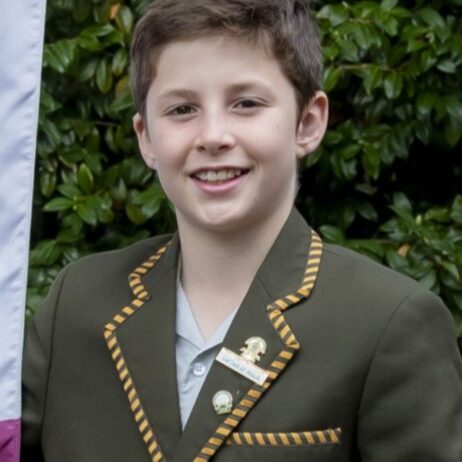
William, Year 6, SRC Representative
One of my favourite parts of being on the Student Representative Council (SRC) is taking part in activities like cooking meals for people less fortunate than us through the Little Things Community, a local charity providing meals to people experiencing hardship. Being given the responsibility to take part in these activities and help others has shown me how important it is to give back.
The legacy we leave behind
Adrian Farrer, Principal
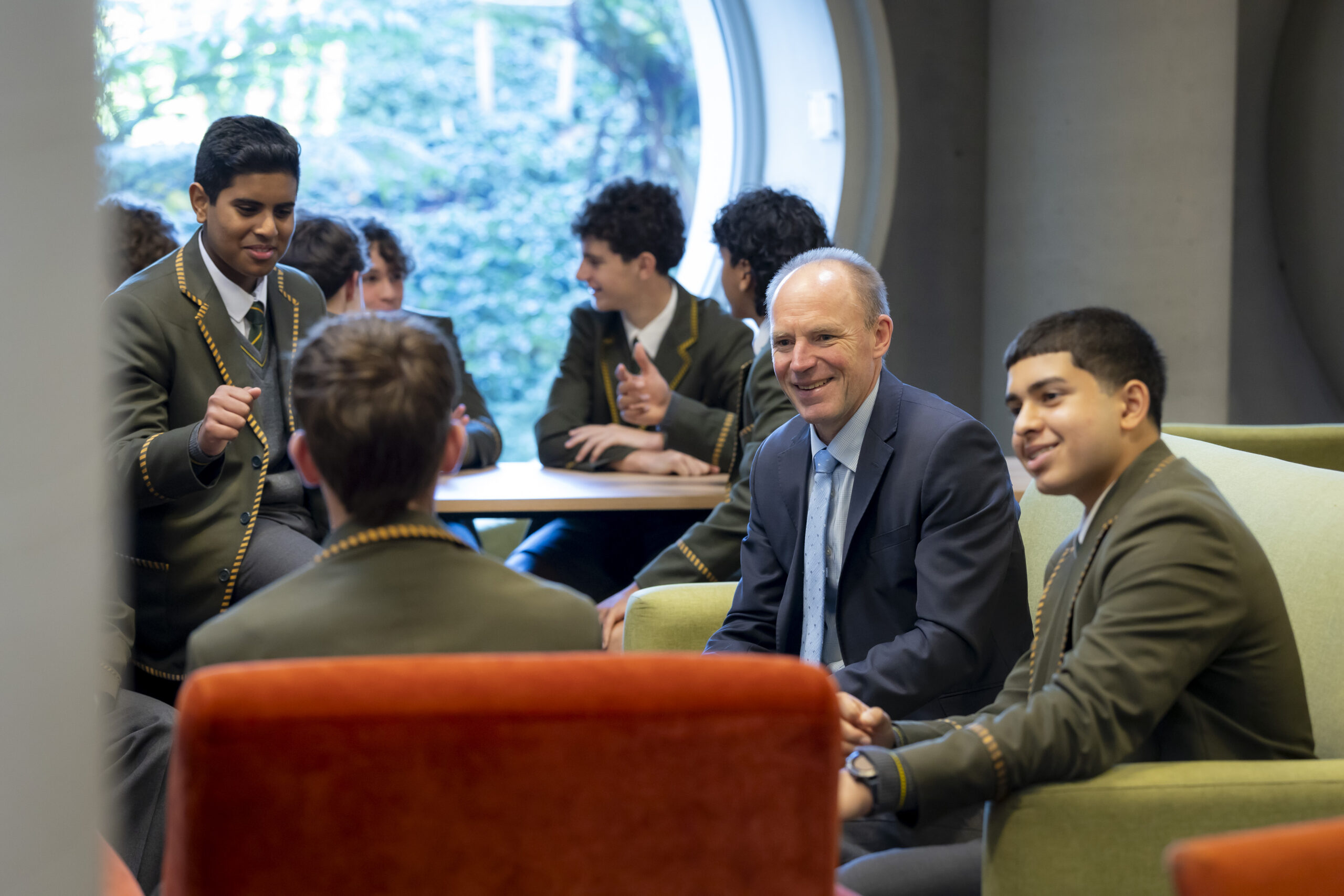
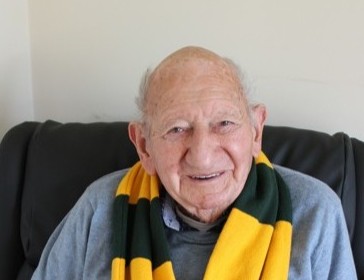
Few people embody the connection between Trinity, achievement and service more powerfully than the distinguished architect and old boy Peter McIntyre. Now 99 years old, McIntyre is an Old Trinity Grammarian (OTG 1943) whose remarkable architectural career has made a lasting contribution to Melbourne and beyond. He founded his architectural practice in 1950 and became an Emeritus Professor of Architecture at the University of Melbourne. His work includes the iconic Melbourne Olympic Swimming Pool, while his practice has also contributed significantly to Trinity itself, including the (Richard and Elizabeth) Tudor Centre.
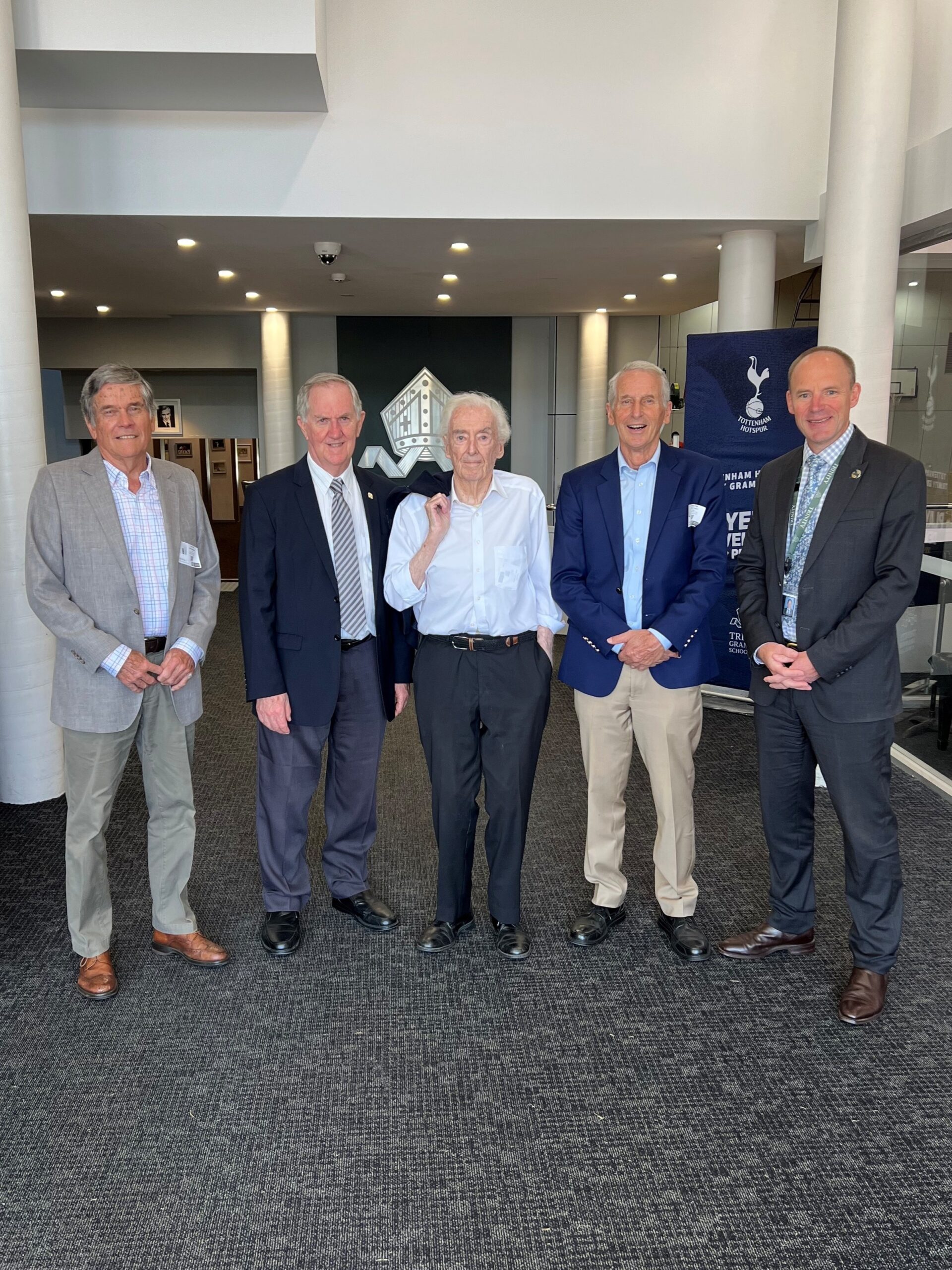
Peter McIntyre AO (centre) with Neil Williams, Dr Murray Verso, Rick Tudor AM and Adrian Farrer.
Peter McIntyre’s association with Trinity extends beyond architecture. Having served as Chair of School Council, he demonstrated that service could take many forms. It can mean giving professional expertise, accepting responsibility for the direction of an institution, mentoring or supporting others, or simply contributing time and energy to a community that has played an important role in one’s life. For today’s students, The Peter McIntyre Sports Centre – named to honour Peter’s contributions – is a key plank in daily life, hosting PE classes, assemblies, information sessions, fundraising events and basketball premierships!
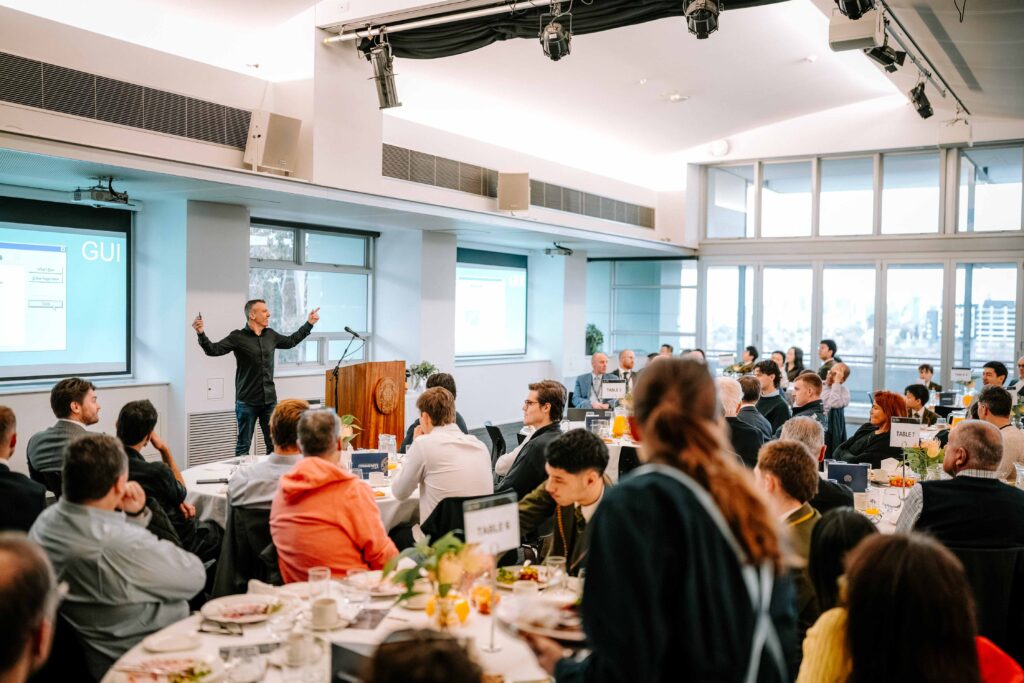
During Term 3, I had the pleasure of hosting a birthday lunch here at school for Peter. In attendance were his long-time friends and fellow former Council Chairs Neil Williams and Murray Verso, as well as former Headmaster Rick Tudor. It was a great privilege for me to be in their company, on such an auspicious occasion, and to hear the wonderful memories and reflections of these extraordinary contributors to the life of our school. It was a real reminder of the nature of my role – that of guardian – in the context of our school’s history and future. As they were in their eras, we too need to be bold in our vision, thinking and action, as well as keeping in mind the core purpose of our existence and the culture that has brought us so successfully to today.
Success is not measured solely by individual achievement.
– Principal, Adrian Farrer
The importance of service is central to that culture. The concept stands as one of our four stated values, is taught intentionally across the school, and is lived out by our broader school community.
Success is not measured solely by individual achievement. It can also be measured by what we choose to give back. The example of Peter McIntyre reminds us all that a Trinity education can become a foundation for a lifetime of contribution.
Ultimately, service is about legacy. Each generation receives something from those who came before – such as our students enjoying The Tudor Centre’s remarkable functionality and presence – and it also has the opportunity to leave something of value for those who follow.
Acknowledgement of Country
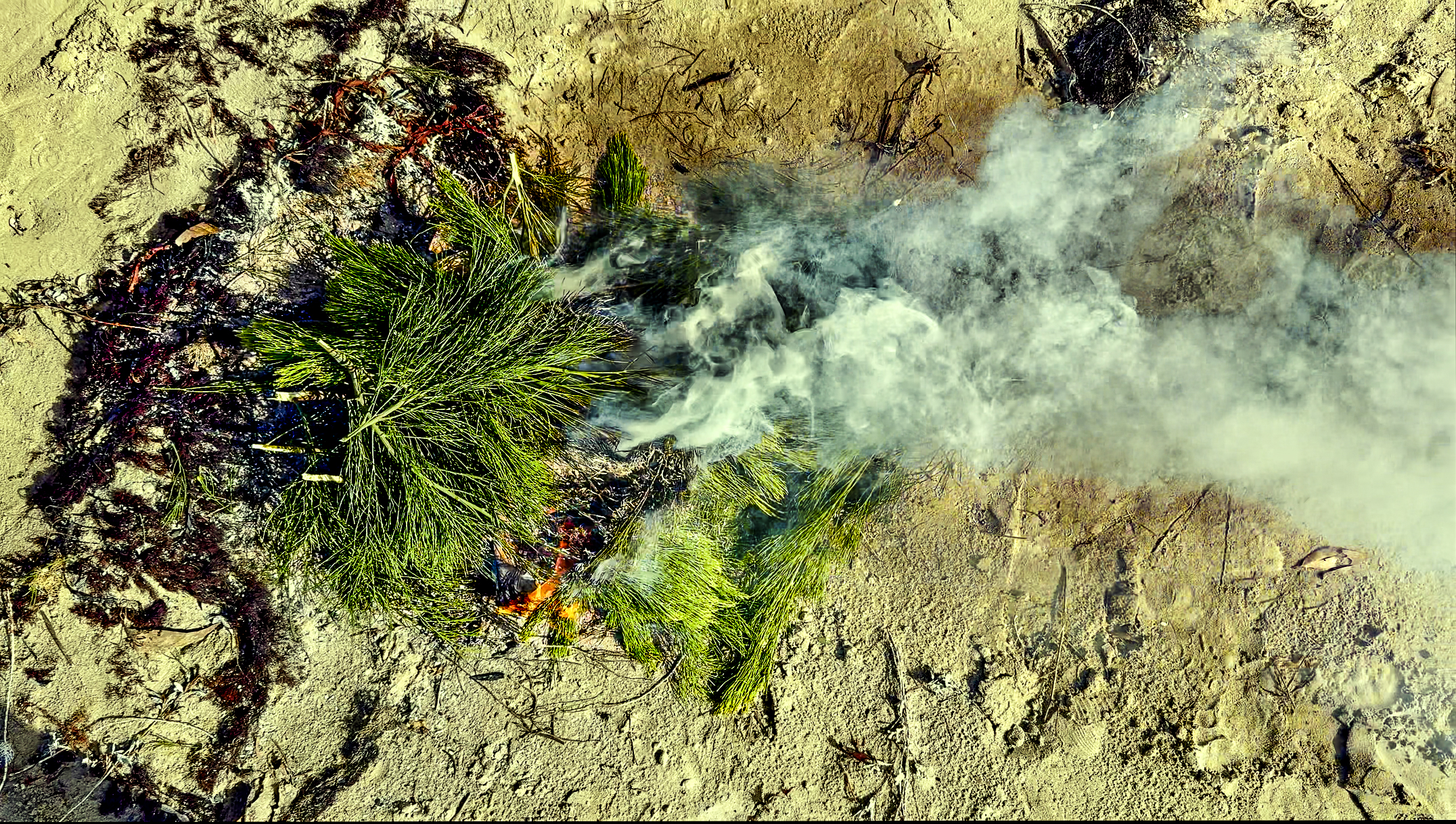
Trinity acknowledges the Traditional Custodians of the lands and waterways on which we come together.
We honour the Wurundjeri People of the Kulin Nation.
We pay our respects to their Elders – past and present – and celebrate the deep history of teaching and learning on these lands.
We also recognise the diverse contributions and experiences of all who have journeyed on this country, united in respect as we build a collective future.
Photos from a recent staff Reconciliation Immersion Camp on Gunditjmara Country.
TLC Meals - Sometimes, the simplest gestures mean the most
Boe Dale, Elisabeth Ma, Carolyn Apostolou and Michaela Collins, TLC Community Support Group Co-Convenors
“During a time of significant personal difficulty, receiving a home-cooked meal meant far more than simply having dinner taken care of. It gave us one less thing to think about and, above all, reminded us that we weren’t alone.”
A home-cooked meal can seem like a small gesture, but when a family is experiencing a challenging or significant moment, it can mean so much. Whether a family is dealing with illness, grief or even celebrating the arrival of a new baby, having dinner taken care of can be an enormous act of kindness.
The TLC Community Support group is a simple but impactful partnership between Trinity families, the Parents’ Association and the school. For nearly six years, Trinity parents, grandparents and staff have cooked and distributed meals to help other Trinity households during times of need.
The idea may be straightforward, but it takes a caring community to make it happen. Trinity parents, grandparents and staff prepare fresh home-cooked meals or baked lunchbox items, which are delivered to the TLC freezer in at school. The Community Engagement team coordinates their discreet and confidential distribution to families who may be going through a difficult time.
TLC Meals offers care, empathy and a tangible reminder that no one in our community has to face difficult times alone. It is a powerful expression of the school’s values of service and community.
Elisabeth Ma and Boe Dale have coordinated the initiative for the last three years and feel privileged to have witnessed the generosity of a committed group of home cooks firsthand.
“On the face of it, it’s a simple thing to prepare a meal that eases another family’s load at an overwhelming time. But messages of appreciation we’ve received show just how much the gesture means,” say Elisabeth and Boe.
“There is always a demand for meal support, and in the last few years we’ve worked to make it as easy as possible for volunteers to sign up and contribute at a time that suits them.”
Carolyn Apostolou and Michaela Collins, two current parents, will take over the reins as Co-Convenors of the TLC Community Support Group in Term 4, hoping to grow the network of home cooks and ensure even more families can experience the practical and emotional support that a TLC meal can provide.
“We’ve seen how much a meal can mean when life feels overwhelming. Elisabeth and Boe have set a wonderful example over the last three years, and taking over from them feels like a real honour. We’d love to see the group of home cooks keep growing, so even more families can be supported when they need it.”
Green & Gold Ball
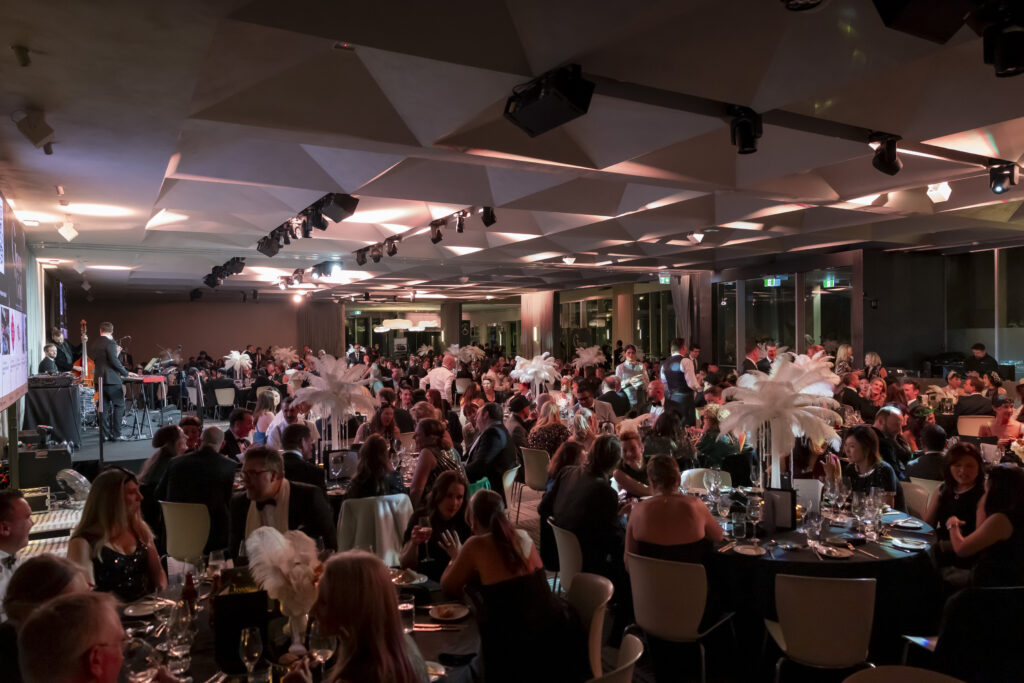
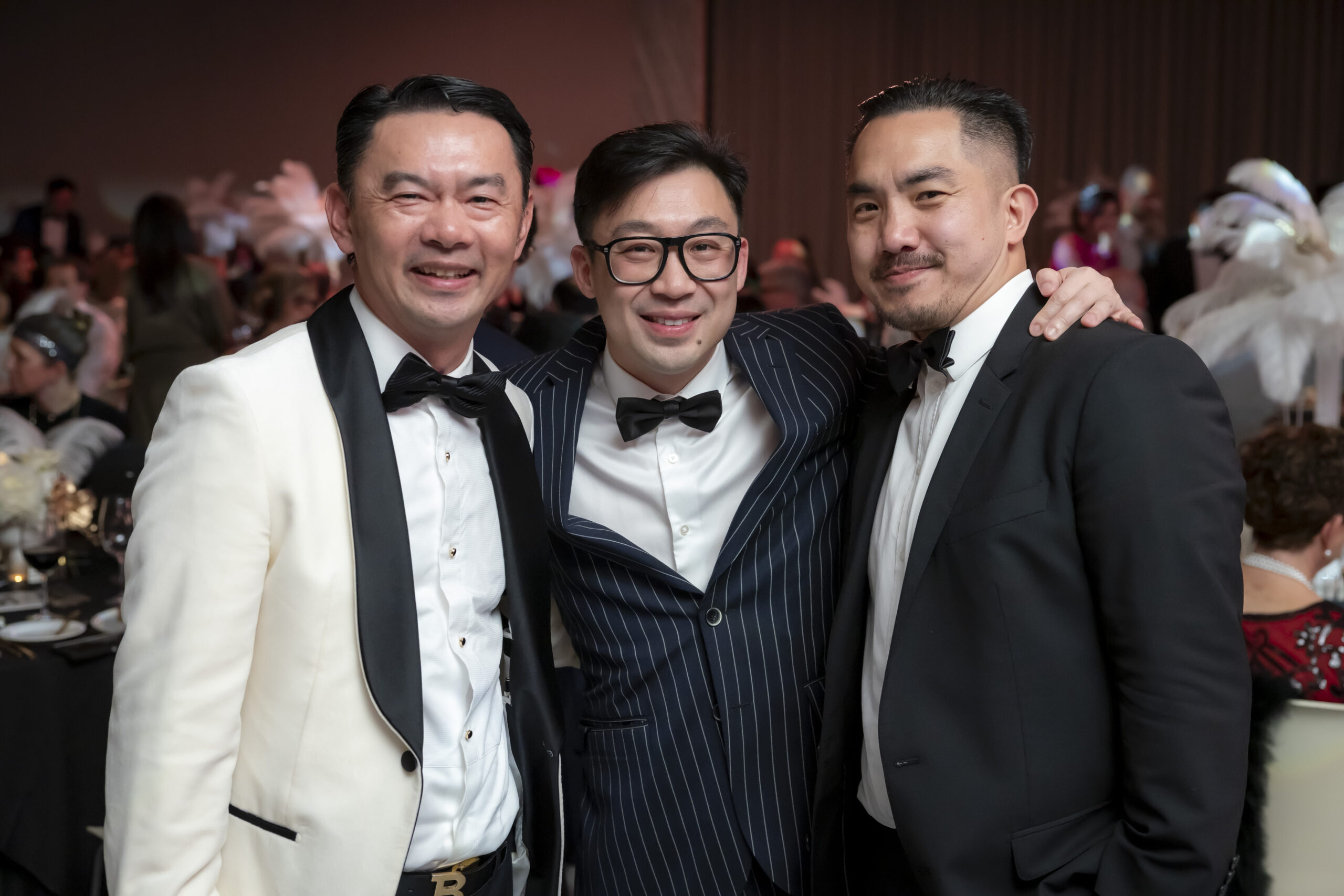
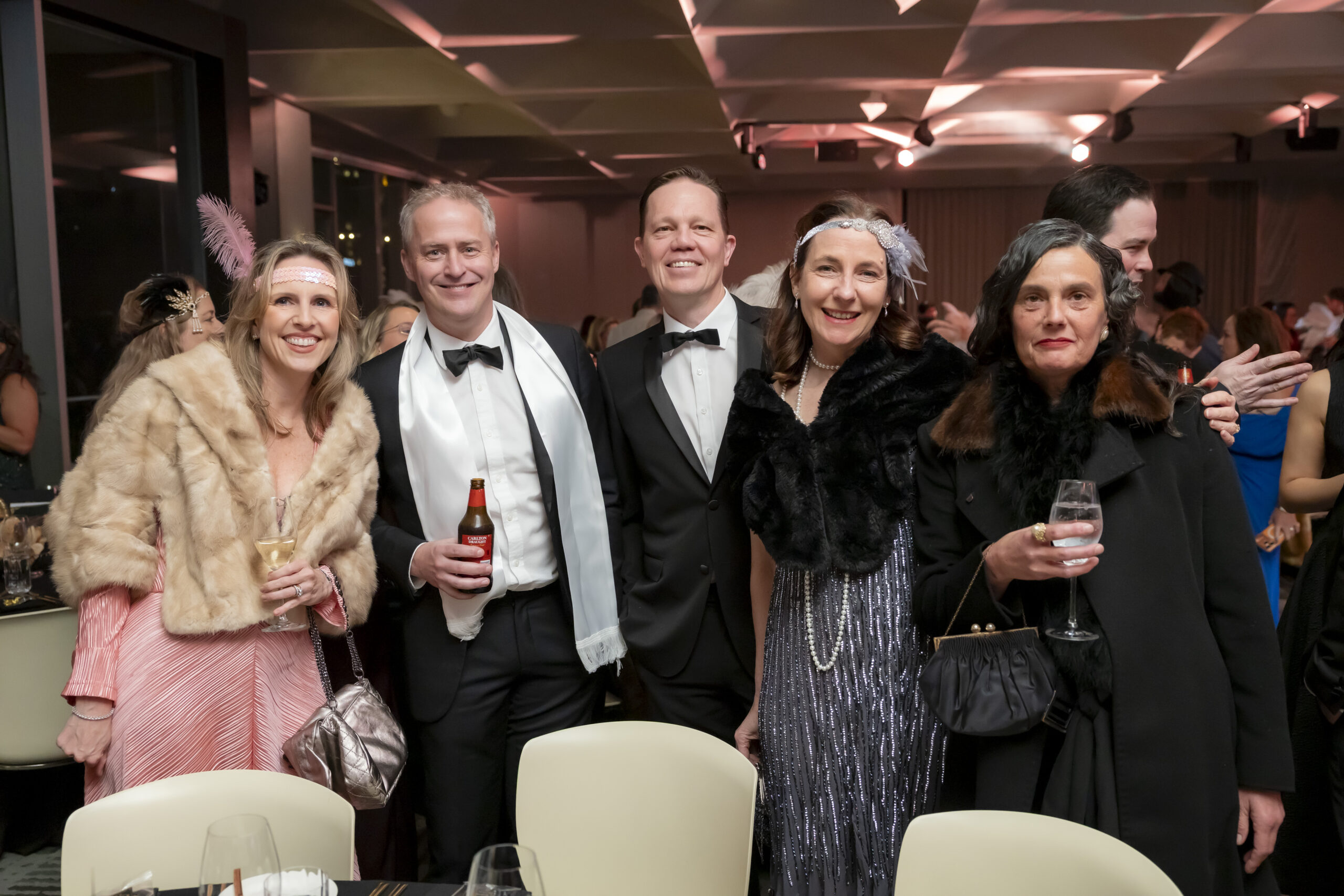
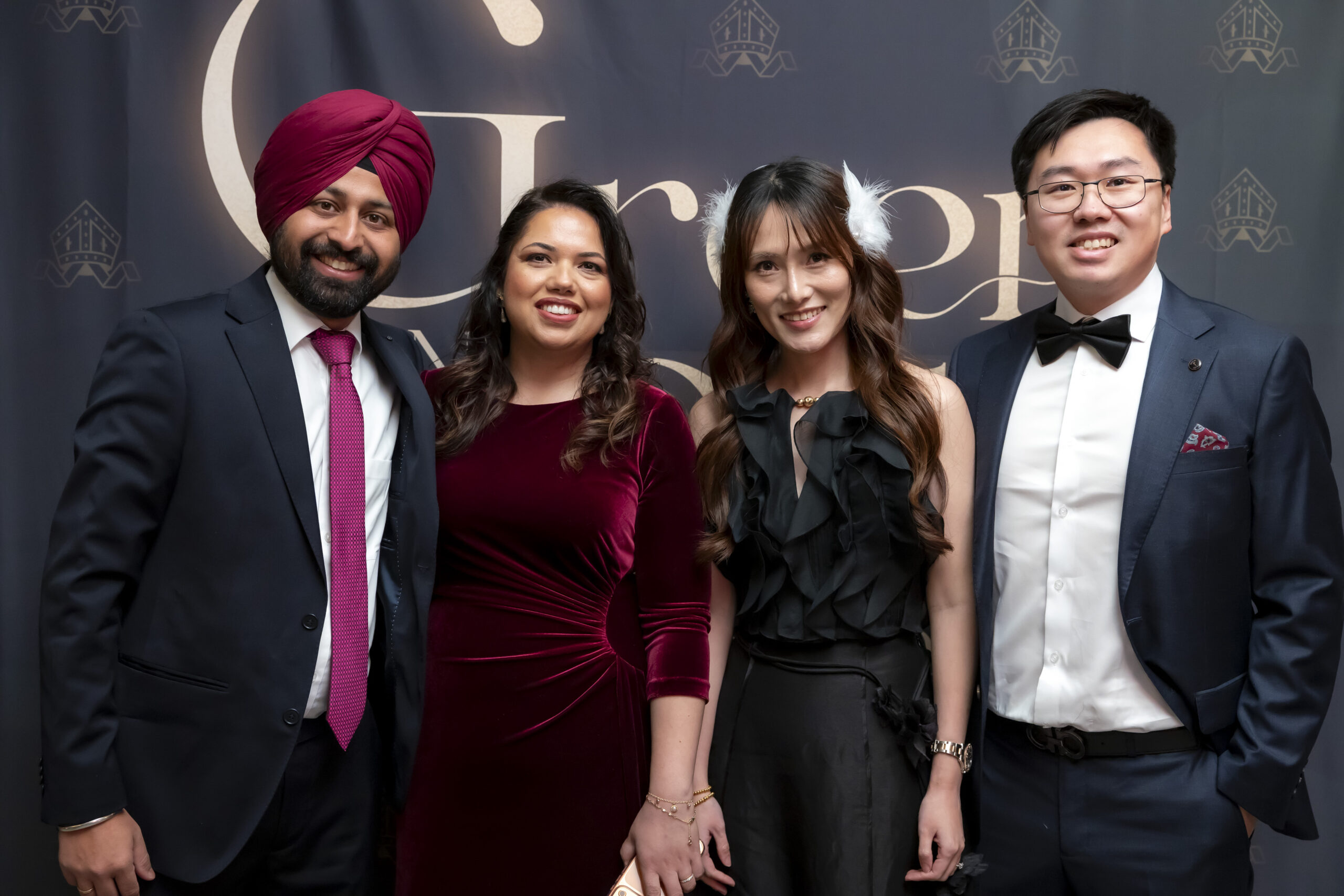
An unforgettable evening at this year’s Green and Gold Ball held at ZINC in Federation Square on 8 August.
Guests embraced the glamour of the Great Gatsby era, creating a spectacular night of celebration, connection and style.



Parents’ Association Update
Following discussion at a Parents’ Association meeting earlier this year, the PA has confirmed it will not hold the annual Founders’ Day Fair in 2026. Instead, its fundraising and community-building efforts will support the official opening of the Bulleen Sports Pavilion, scheduled for 13 February 2027.
The pavilion opening will be a major community celebration and an important milestone in the school’s masterplan. The PA also hopes to incorporate some much-loved Fair favourites, such as the cake stall, plants and fine foods, as part of the festivities where possible.
We look forward to seeing you there!