- Spring 2026
- |
- From belonging to mattering: the KangarUBER story



From belonging to mattering: the KangarUBER story
Naomi Wright, Director of the Early Learning Centre
In the ELC, we believe children develop a sense of belonging through relationships, connection and contribution. While these experiences often begin within the walls of the classroom, we intentionally create opportunities for children to see themselves as part of something bigger. Through everyday interactions, shared projects and meaningful community connections, children begin to discover an important message: they matter, and what they do can make a difference to others.
Recent research from Harvard University’s Centre on the Developing Child describes mattering as the feeling that we are valued by others and that we have value to add to the world.
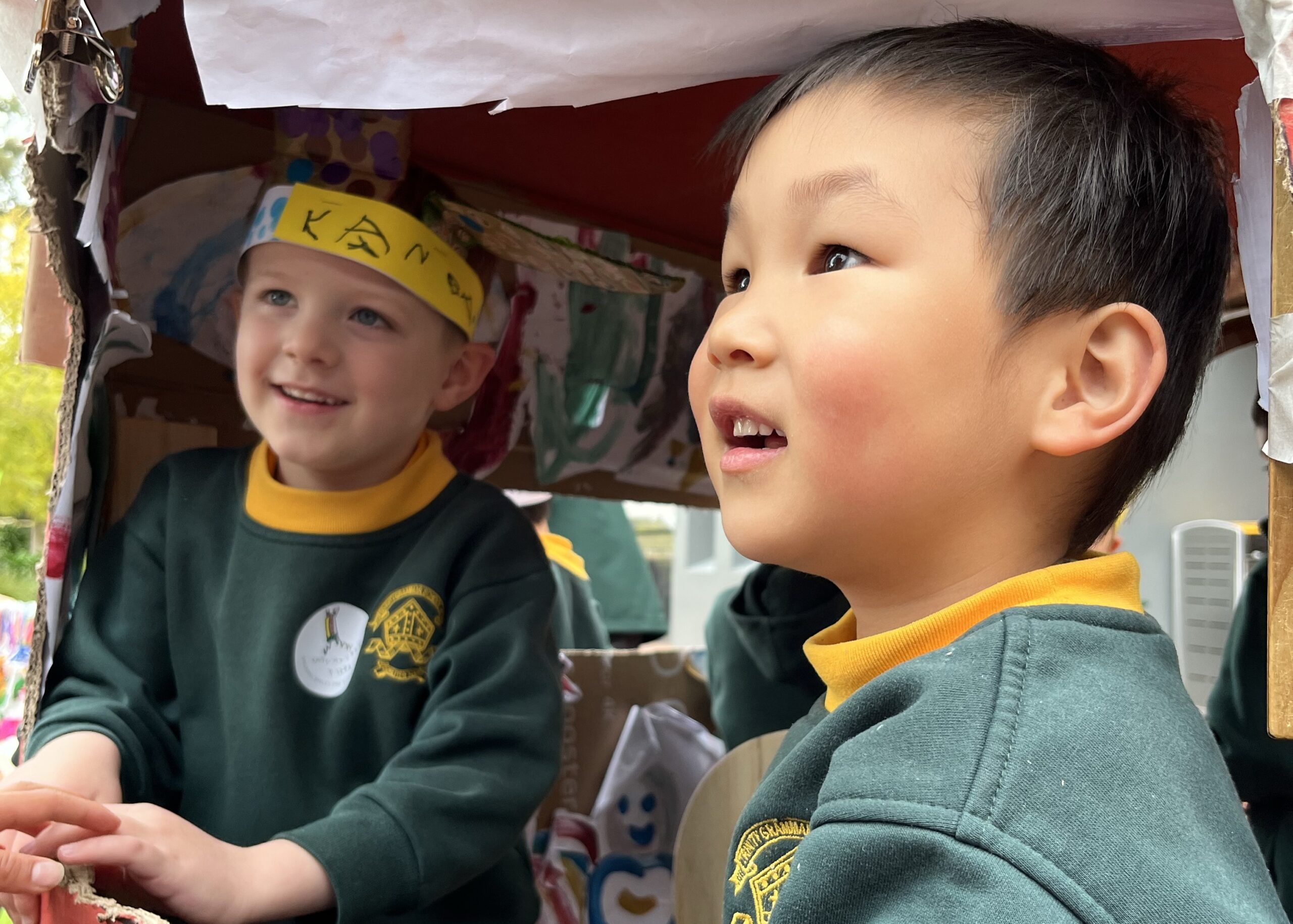
This year, our 4-year-old Kangaroo learners embarked on what first appeared to be a simple pizza project. Throughout the planning and design process, the teaching team was asked almost daily, “Is it pizza-making day yet?”
Naturally, we assumed that the moment the children finally got to make and box their own pizzas would be the highlight.
As it turns out, we were wrong.
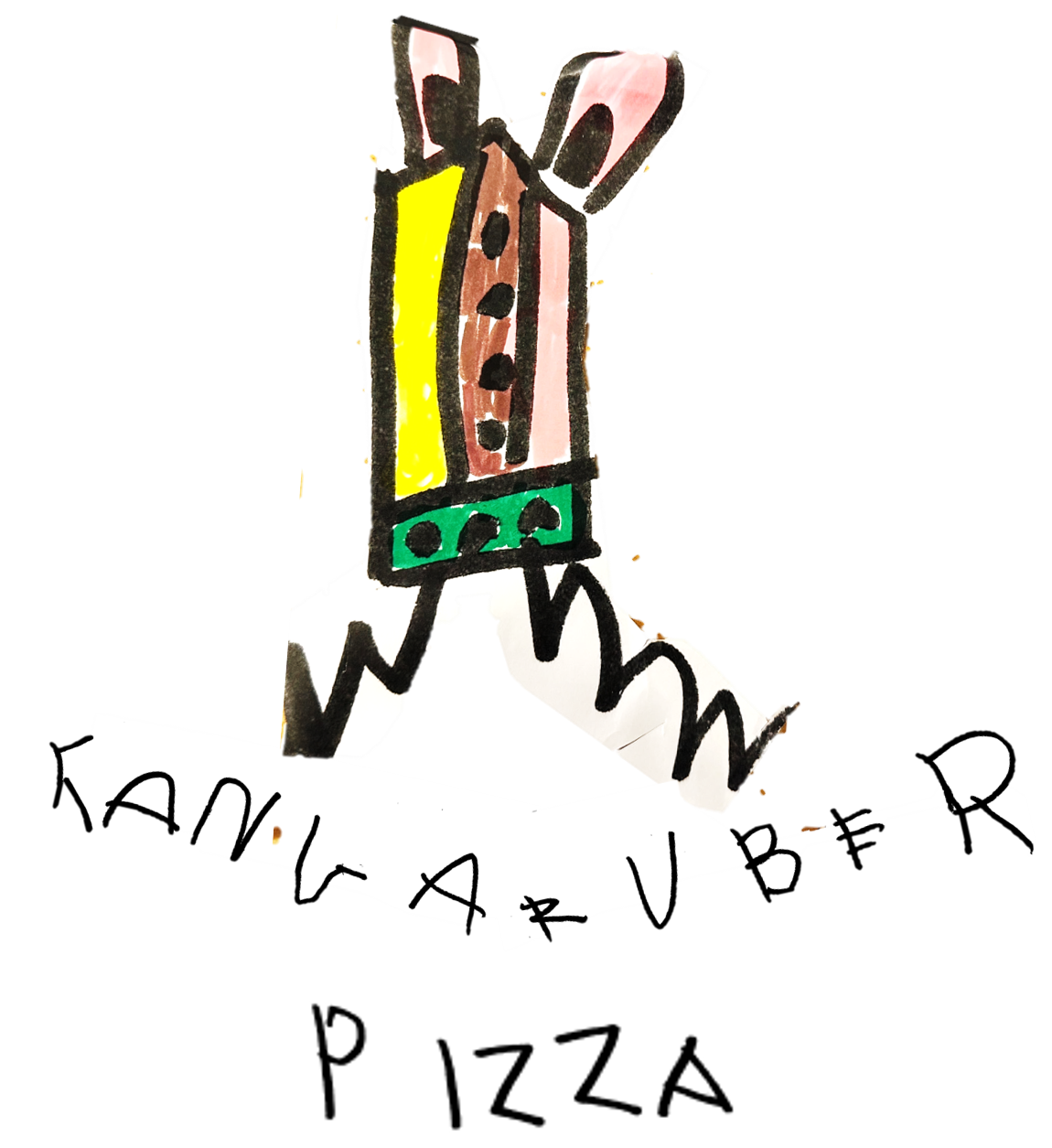
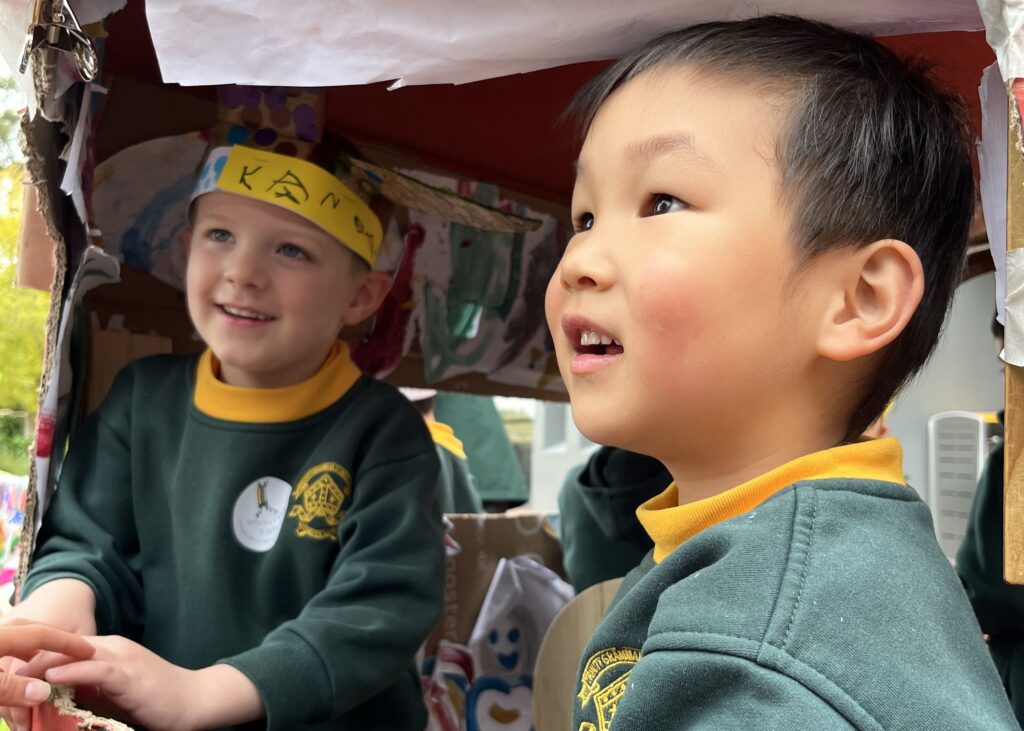
What began as an inquiry about pizzas evolved what we called, KangarUBER, a project that saw children creating and eventually delivering pizzas to members of the wider Trinity community. Along the way, the learners designed delivery vehicles, created menus, negotiated ideas, solved unexpected problems and worked collaboratively towards a shared goal.
When delivery day finally arrived, the excitement was palpable. The children proudly ventured beyond the ELC, delivering pizzas throughout the school. They met people they may never have otherwise encountered and began to develop an understanding that a school is not simply made up of classrooms and teachers, but of many people who each play an important role in helping a community thrive.
When delivery day finally arrived, the excitement was palpable. The children proudly ventured beyond the ELC, delivering pizzas throughout the school. They met people they may never have otherwise encountered and began to develop an understanding that a school is not simply made up of classrooms and teachers, but of many people who each play an important role in helping a community thrive.
Following the deliveries, educators reflected on what had resonated most with the children. Surprisingly, it was not making the pizzas.
One learner summed it up perfectly: “The best part wasn’t the pizza.”
Instead, the Kangaroos spoke about seeing the teachers’ smiles, working together and travelling around the school. Their excitement came from the connections they had made and the joy they had brought to others.

For us, this was a powerful reminder that children are naturally drawn to meaningful contribution. Given the opportunity, they often find great satisfaction not just in what they
create, but in what they can do for others.
– Naomi Wright

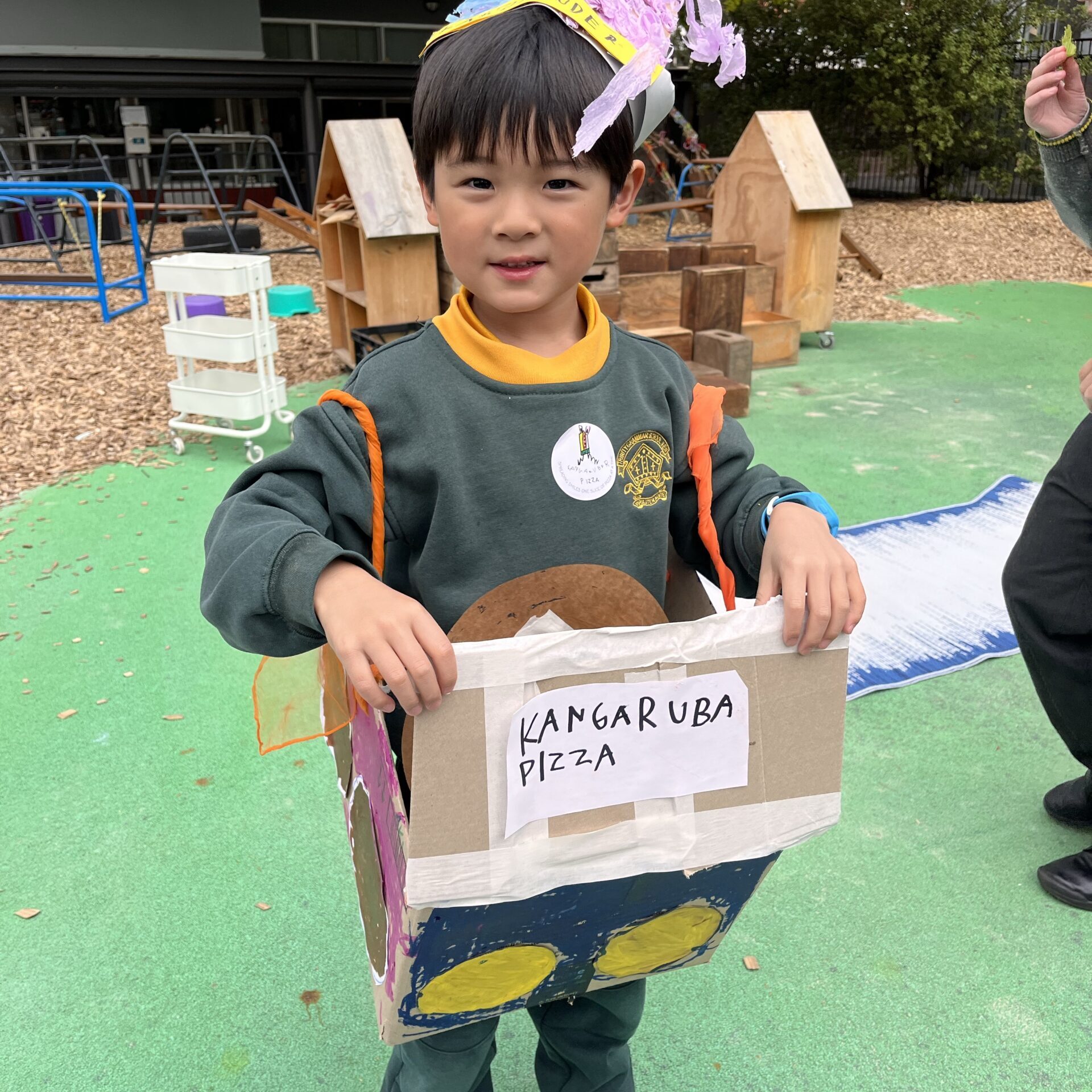
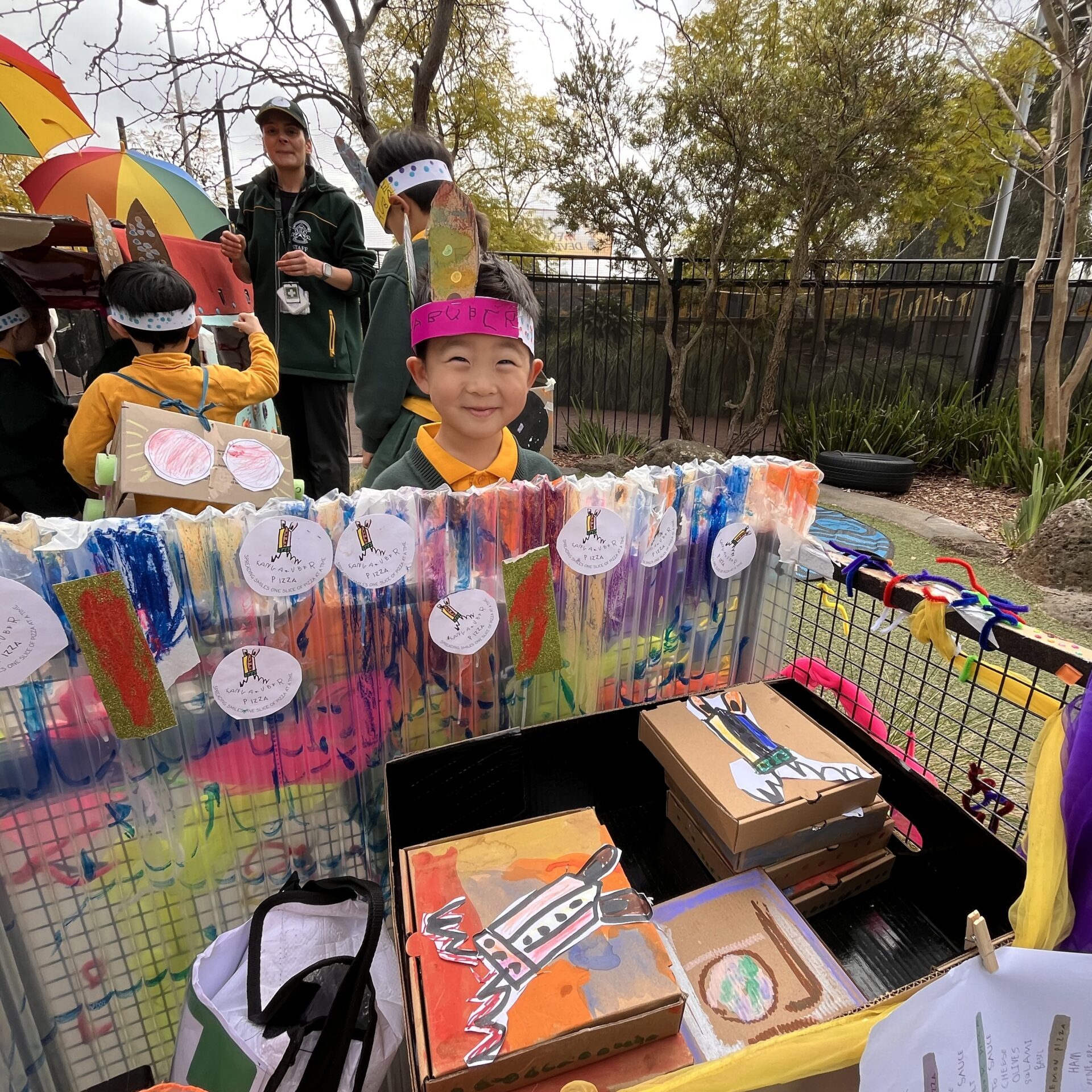
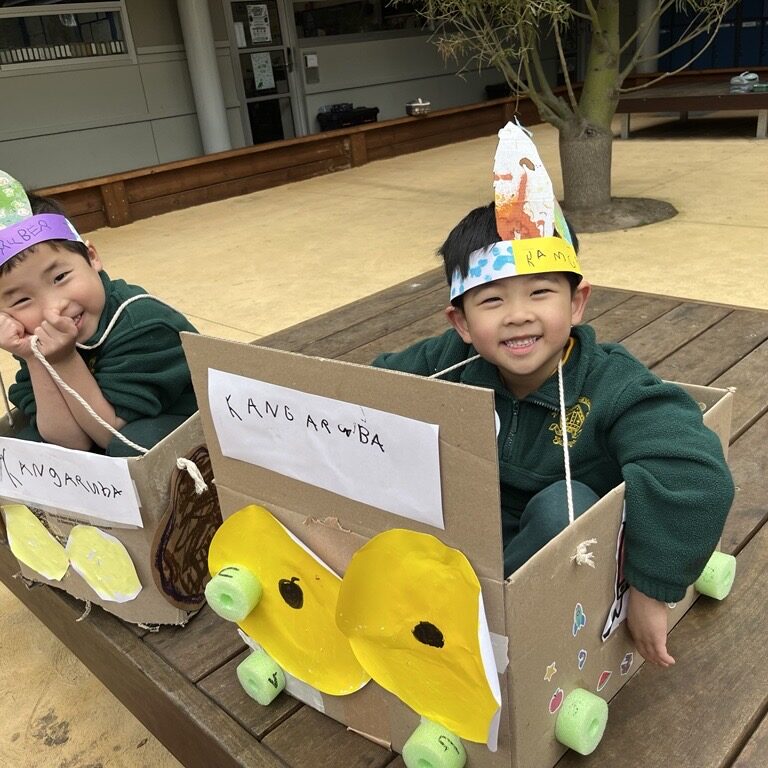
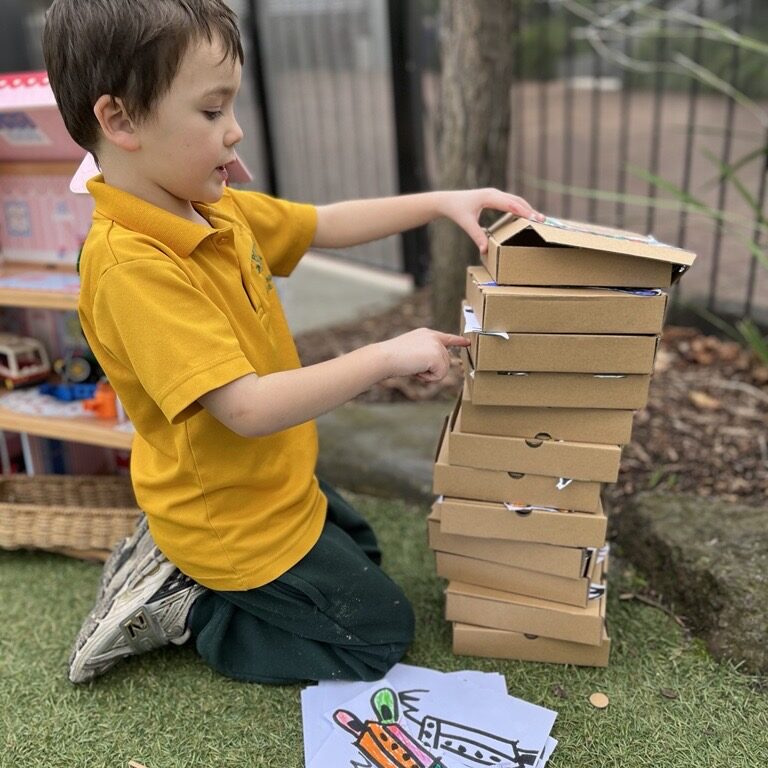
This learning is nurtured every day within the ELC as they develop the foundations of compassion and community-mindedness. These moments may seem small, yet they help children learn to recognise the needs of others and understand that their actions can have a positive impact.
Play is central to this work. Through play, storytelling, group discussions and collaborative projects, children encounter ideas such as fairness, inclusion, kindness and belonging.
Projects such as KangarUBER extend this learning even further by allowing children to contribute to a community beyond themselves. In doing so, they begin to see themselves not only as learners, but as citizens. They experience first-hand that they can bring joy, help others and make a meaningful contribution to the world around them.
By fostering compassion, generosity, service and social responsibility in the early years, we are laying the foundations for confident, caring and connected young people.
While the pizzas may have marked the culmination of the project, they were never the most important outcome.
The real learning was found in the relationships built, the conversations shared, the collective effort and the growing understanding that each person has something valuable to contribute.